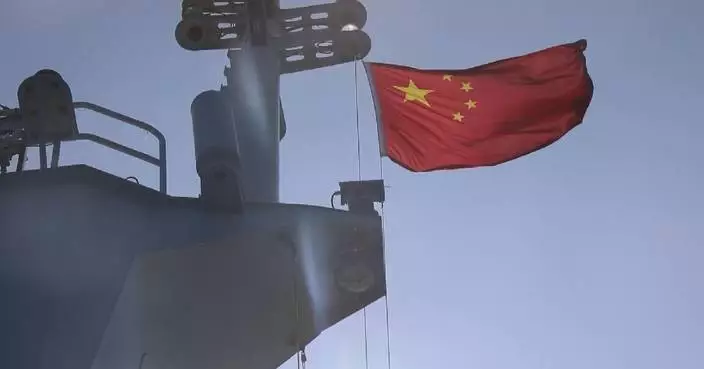
More attacks on merchant vessels have been reported at the Strait of Hormuz in recent days, with many of the incidents occurring along shipping routes near the Omani side of the strait.
In a statement on Friday, Abu Dhabi National Oil Company (ADNOC) said that since the beginning of the U.S. and Israel's conflict with Iran, 15 of its vessels have been attacked by missiles and drones while transiting the Strait of Hormuz, including three attacked this week. These incidents have left one crew member dead and 20 others injured.
Click to Gallery
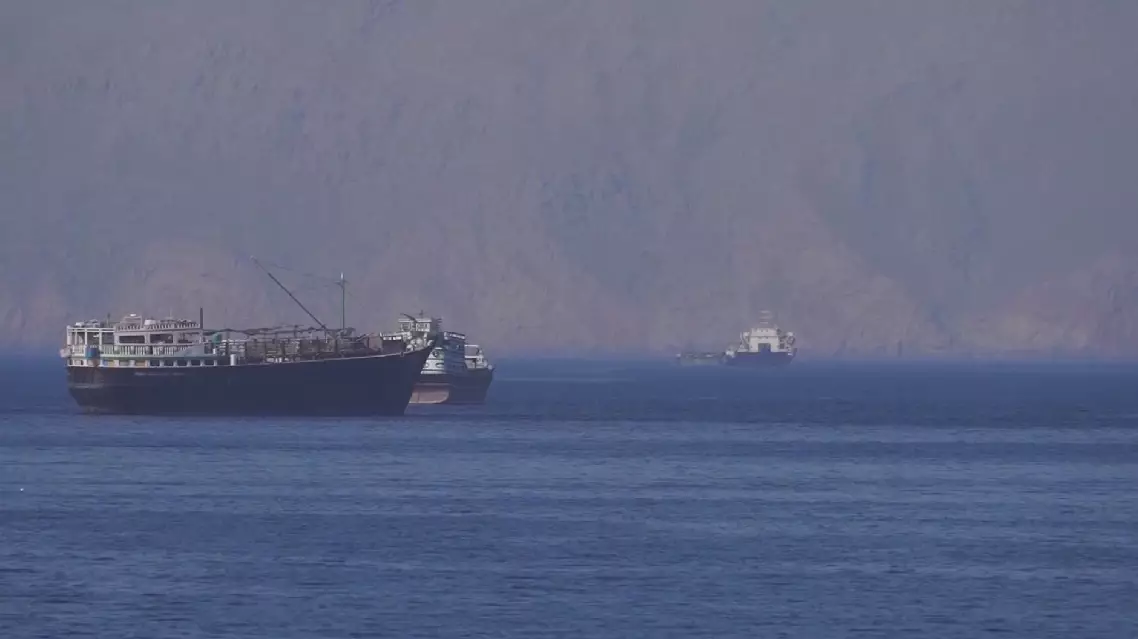
More attacks on merchant vessels reported in Strait of Hormuz
More attacks on merchant vessels reported in Strait of Hormuz
More attacks on merchant vessels reported in Strait of Hormuz
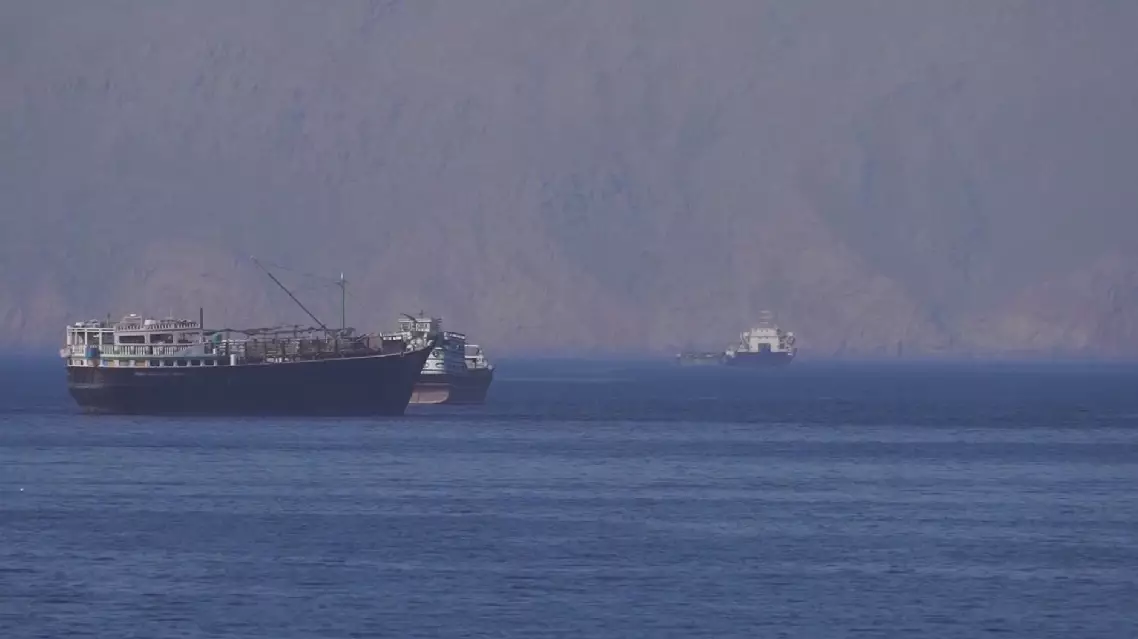
More attacks on merchant vessels reported in Strait of Hormuz
In close coordination with the relevant authorities, ADNOC is taking all necessary measures to protect its personnel, assets and operations, and meet its customer requirements as much as possible, the statement reads.
A merchant vessel caught fire after being struck near the eastern entrance of the Strait of Hormuz, according to a recording of ship-to-ship radio communications provided by a seafarer on Friday evening, London Time.
The recording, transmitted over an open maritime radio channel, showed crew members battling a fire and urgently requesting assistance.
According to the communications, the vessel was near the Omani coast when it was struck, sparking a fire in the engine room.
The crew had activated the ship's on-board carbon dioxide fire suppression system and attempted to control the blaze. Firefighting efforts were complicated by a failure of the ship's hydraulic system, the recording indicated.
In another segment of the communications, several nearby vessels said they were heading toward the site to provide assistance.
More attacks on merchant vessels reported in Strait of Hormuz
More attacks on merchant vessels reported in Strait of Hormuz
More attacks on merchant vessels reported in Strait of Hormuz
More attacks on merchant vessels reported in Strait of Hormuz