The current Ebola outbreak in the Democratic Republic of the Congo (DR Congo) continues to spread fast, with women and children bearing the brunt of the epidemic, according to the United Nations.
The United Nations Office for the Coordination of Humanitarian Affairs said on Friday that women and children have been the hardest hit by the epidemic.
According to statistics from the United Nations Children's Fund (UNICEF), more than 300 children in the country have died from Ebola since the outbreak began.
UNICEF also said although children account for only about a quarter of confirmed cases, they make up about a third of all deaths.
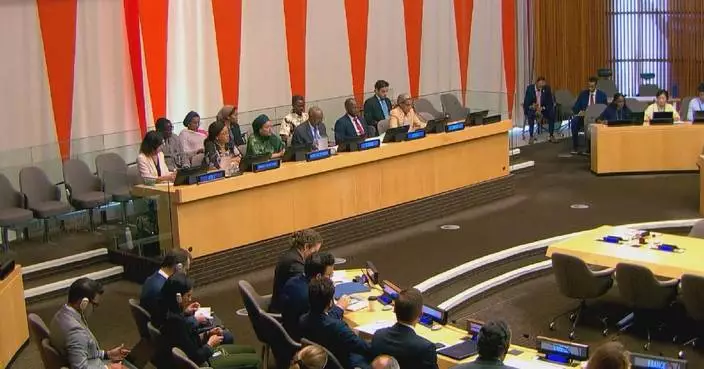
"The outbreak is unfolding in a province where nearly one million people are displaced, around 80 percent of them women and children. According to the UN Children's Fund, more than 300 children have died from Ebola since the outbreak began. Children make up nearly a quarter of confirmed cases, but almost a third of all deaths," said Farhan Haq, UN deputy spokesman.
Furthermore, the outbreak has severely strained the local healthcare system.
In the hardest-hit areas, the utilization of healthcare services has plummeted in recent months as people fear infection.
The United Nations said that the key to containing the outbreak is to restore community trust in the healthcare system.
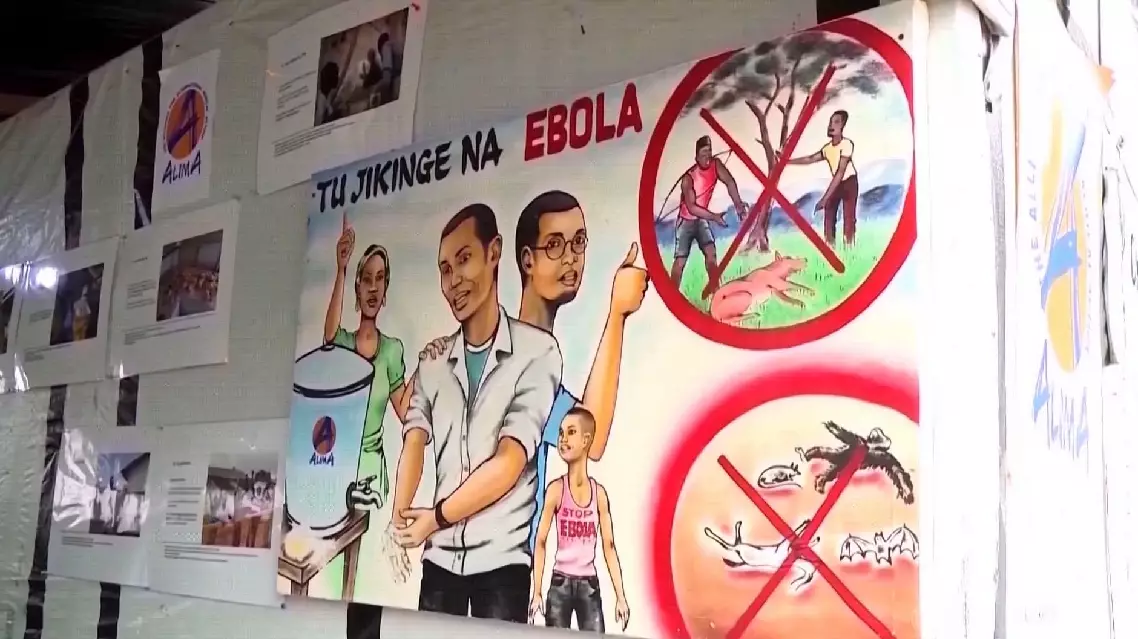
Currently, various parties have deployed approximately 13,000 community workers to conduct public health awareness campaigns and have completed more than 500,000 home visits to help raise public awareness, facilitate early detection of cases, and ensure timely medical care.
Ebola outbreak continues to spread in DR Congo, women, children worst hit: UN
A United Nations official highlighted China's role in upholding climate multilateralism, including providing support to countries in the Global South and in advancing key decision-making process.
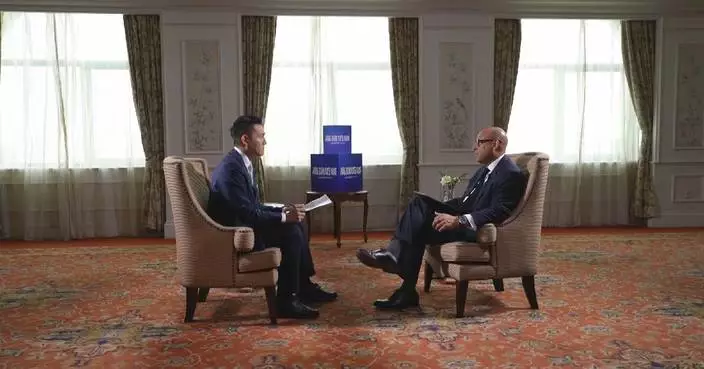
UN Climate Change Executive Secretary Simon Stiell gave the view in an interview with China Media Group (CMG) in Beijing, which was aired on Friday.
Stiell has been advocating for the urgency of taking climate action and building strong climate multilateralism to tackle climate change against global turmoil.
He praised China's determination in taking climate actions within the country and in promoting climate cooperation globally.
"Within this multilateral process, countries are able to step forward, find areas of agreement so that we can move forward. It is how we now transition to this new era, from the negotiations to implementation. I think the key message is that the leadership that China has shown, the contributions it has made [and] continues to make, in terms of driving technological advancement, in terms of what it's doing domestically, its role in terms of providing support for other developing countries within the Global South. The leadership that it has shown, it is shown there, is how that can be brought forward for other countries to step up, and to, within this multilateral environment, push forward other key decisions that need to be made within the process," he said.
According to data, China has signed dozens of climate cooperation agreements with developing countries and organized more than 300 capacity building programs, training over 10,000 climate specialists.

UN official highlights China's role in building climate multilateralism

UN official highlights China's role in building climate multilateralism