Skip to Content Facebook Feature Image

Global food prices edge up in July amid heatwaves, regional conflicts: FAO

China

China

China

Global food prices edge up in July amid heatwaves, regional conflicts: FAO

2026-08-08 22:26 Last Updated At:22:37

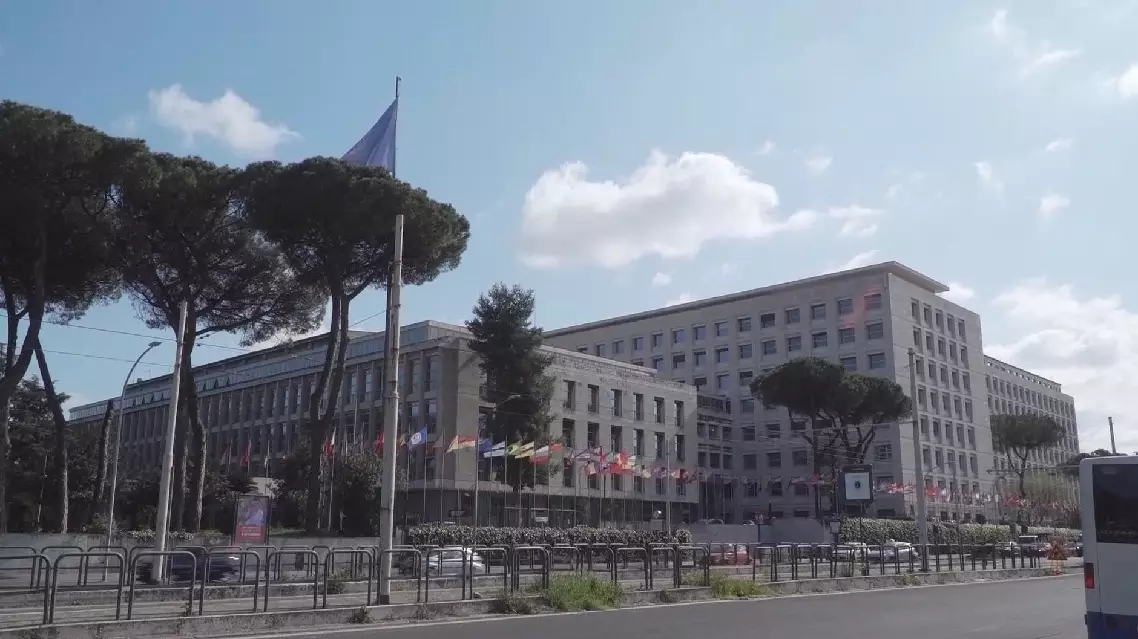
Global food commodity prices rose slightly in July, driven by higher prices for cereals, sugar and vegetable oils, while lower meat and dairy prices partly offset the increase, according to a report released Friday by the Food and Agriculture Organization of the United Nations.

The FAO Food Price Index averaged 131.1 points in July, up 0.6 percent from June and 1.0 percent higher than a year earlier. However, it remained 18.2 percent below its record high reached in March 2022.

The FAO said the cereal price index rose 3.4 percent month on month. Wheat prices climbed 5.8 percent amid concerns over disruptions to Black Sea exports and heatwaves affecting major producing regions, while maize prices increased 3.6 percent due to hot and dry weather in parts of the U.S. Corn Belt and stronger energy markets. Rice prices remained broadly stable.

The vegetable oil price index gained 2.0 percent to its highest level since June 2022, supported by stronger palm oil prices on robust biodiesel demand in Indonesia and higher crude oil prices, as well as firmer soybean oil prices, the report said.

Sugar prices rose 5.6 percent from June, reflecting concerns over hot and dry weather in Europe, adverse weather risks in major Asian producing countries, and expectations that Brazil's higher ethanol blending requirement would divert more sugarcane to ethanol production, according to the report.

Meanwhile, the meat and dairy price indices fell 2.8 percent and 0.7 percent, respectively, said the report.

The FAO said global food prices remain well below the peak recorded in 2022, but geopolitical tensions and extreme weather continue to put upward pressure on prices of some agricultural commodities.
Global food prices edge up in July amid heatwaves, regional conflicts: FAO

Global food prices edge up in July amid heatwaves, regional conflicts: FAO
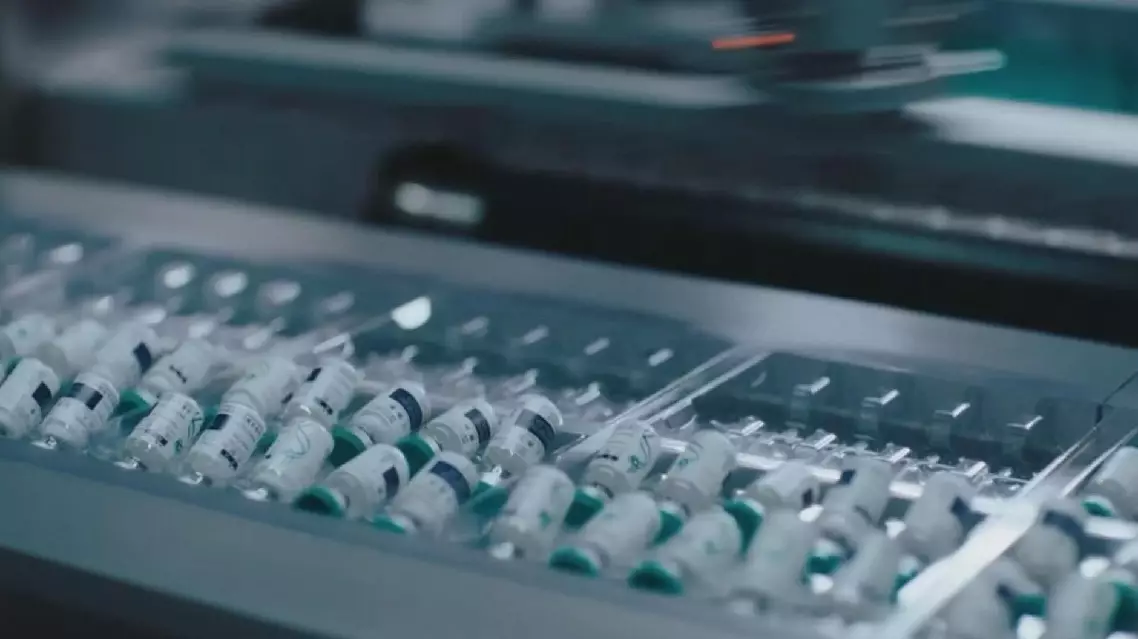
China's pharmaceutical industry has been making innovative breakthroughs at an accelerating pace in the first half of this year, as the sector posted remarkable results in rolling out innovative drugs, building smart factories and increasing exports.

In the first six months, China approved 38 innovative drugs for marketing, of which 31 are domestically developed, accounting for more than 80 percent of the total.

By the end of 2025, China ranked first worldwide in the number of innovative drugs under research.

At that time, 4,751 innovative drugs were under research in China, accounting for one-third of the global total.

China boasts a complete pharmaceutical industrial chain. It is not only the world's largest producer of active pharmaceutical ingredients (APIs), but also has established a comprehensive manufacturing system that covers all pharmaceutical categories.

Since the start of this year, China's pharmaceutical industry has accelerated its transformation and upgrading powered by digital, intelligent and green technologies. China has supported 21 pharmaceutical enterprises in building excellence-level smart factories and has cultivated more than 300 green factories.

In the first half of the year, the value-added output of pharmaceutical industrial enterprises above designated size rose by 6.4 percent year on year.

In this period, the total value of out-licensing deals for Chinese innovative drugs reached 110 billion U.S. dollars and the delivery value of pharmaceutical exports grew 9 percent year on year, with high value-added products making up almost 20 percent of the total.

China's pharmaceutical industry speeds up innovative breakthroughs in H1

China's pharmaceutical industry speeds up innovative breakthroughs in H1

Recommended Articles