A record-strength climate phenomenon, Super El Nino intensifying across the Pacific could persist into early next year, triggering severe droughts that threaten rice harvests, erode rural livelihoods and deepen food insecurity in Thailand, one of the world's top rice exporters.
In the rice-growing heartlands of Nakhon Pathom, Thailand, fields have long followed the rhythm of the seasons, sustaining generations of farming communities and supplying grain to both domestic markets and millions of people worldwide. But as weather patterns grow increasingly erratic, every planting season has turned into a high-stakes gamble. A single missed rain can erase months of hard work, pushing a centuries-old way of life to its limits.
Many smallholder farmers are already bearing the brunt of the shifting climate, squeezed between rising input costs, falling yields and stagnant crop prices.
"Costs are high, yields are low, and prices for their produce are extremely low. Farmers can't bear it anymore," said Pairach Sengchareon, a local rice farmer.
Water scarcity lies at the heart of the crisis. Rice cultivation is inherently water-intensive, and lengthening dry spells are leaving paddies parched long before harvest season arrives, shattering growers’ expectations for each crop cycle.
"If rice cultivation lacks water, it's over. For farmers, it's a complete collapse," Sengchareon added.
Years of unstable weather have already strained Thailand's rice industry, but meteorologists warn the worst may be yet to come.
The forecast Super El Nino is set to bring even hotter temperatures and prolonged dry conditions across Southeast Asia, dwarfing the impacts of previous major El Nino events that drained reservoirs, scorched farmlands and cut harvests.
Analysts caution that a Super El Nino could push the country’s agricultural system to a dangerous tipping point, hitting production, export volumes and rural incomes all at once.
"Super El Nino is expected to be unprecedented in severity. We estimate that the agricultural sector and production alone will suffer losses of approximately 62 billion baht (1.88 billion U.S. dollars). We estimate that approximately 5.4 million tonnes of un-milled rice will be lost from the system," said Krischanon Chindavong, an analyst with Krungthai Bank.
That projected 15 percent drop in annual rice output has forced Thailand to rethink its approach to food security. The challenge is no longer just growing enough rice but growing it with far less water.
At a leading agricultural research center, scientists are racing against the changing climate to develop drought-resistant rice varieties that can survive longer dry periods without sacrificing yields.
Drawing on decades of breeding and genetic research, they are working to cultivate strains that can thrive in a future where drought may become the norm rather than the exception.
"If the Super El Nino is as severe as we predict, it will definitely have an impact on food security. Water-saver rice is a project we've been working on for almost 10 years now. It's taken a long time because we started by searching for the gene in collaboration with the University of Sheffield and with partners in China. Water-saver rice uses 20 or 30 percent less water than regular rice," said Dr. Siwaret Arikit, director of the Rice Science Center at Kasetsart University.
Scientists may be reengineering the seeds of tomorrow, but the next chapter of Thailand's rice story will be written by the farmers tending the fields today. The unanswered question is whether they can hold on long enough to weather what comes next.
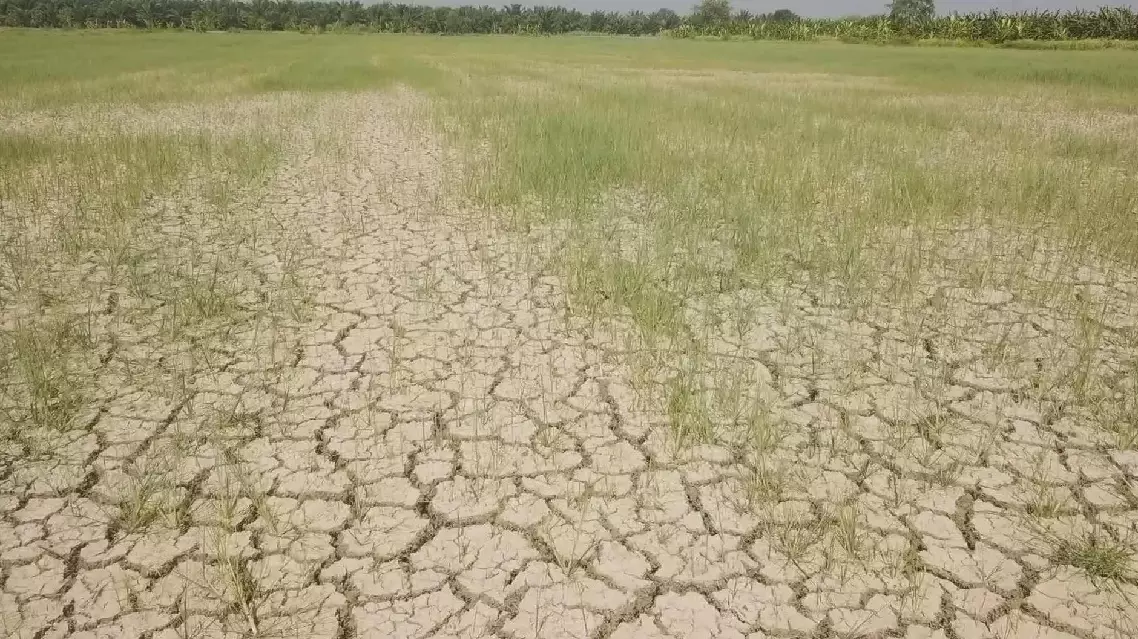
El Nino threatens Thailand's rice harvests, food security
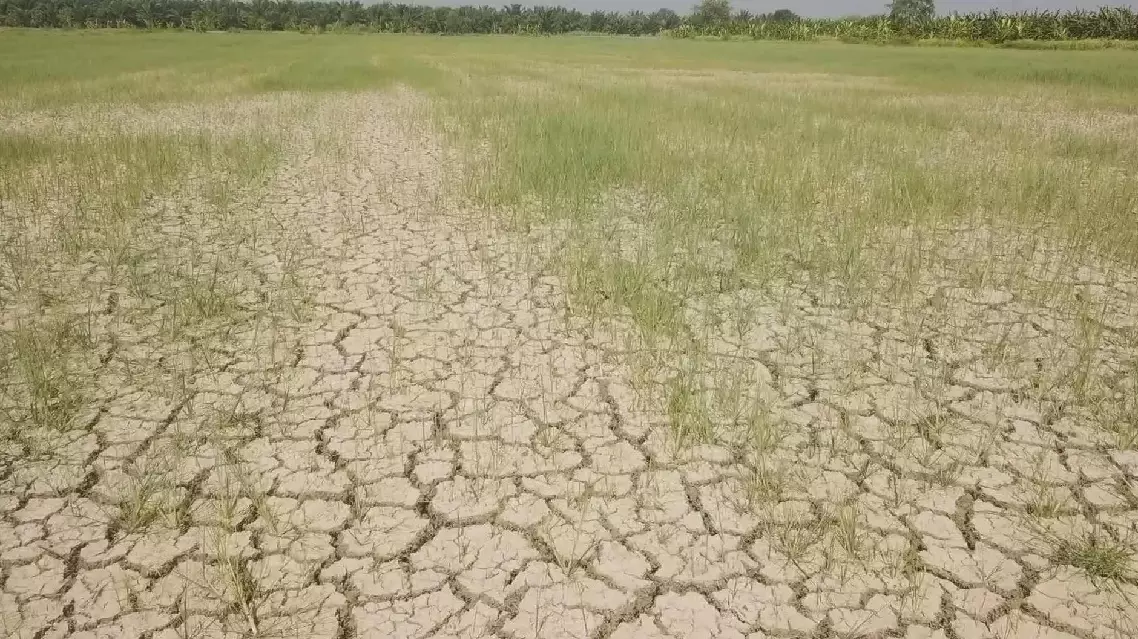
El Nino threatens Thailand's rice harvests, food security