Lingnan University has always actively supported the holistic development of local athletes. This year, the University has admitted seven elite athletes, a record intake, through the Student-Athlete Learning Support and Admission Scheme (SALSA Scheme). They include four cyclists, Ma Yik-sin, Ma Yik-fei, Kwok Chun-yan, and Siu Ka-chun; triathlete Lam Lok-shi; tenpin bowler Amen Yuen Cheuk-hin; and high jumper Hui Chi-man. All seven will enrol in undergraduate programmes for the 2026/27 academic year: five of them will pursue the Bachelor of Social Sciences (Honours) in Sports Coaching and Event Management programme, while Lam will study Psychology, and Hui will study Philosophy.
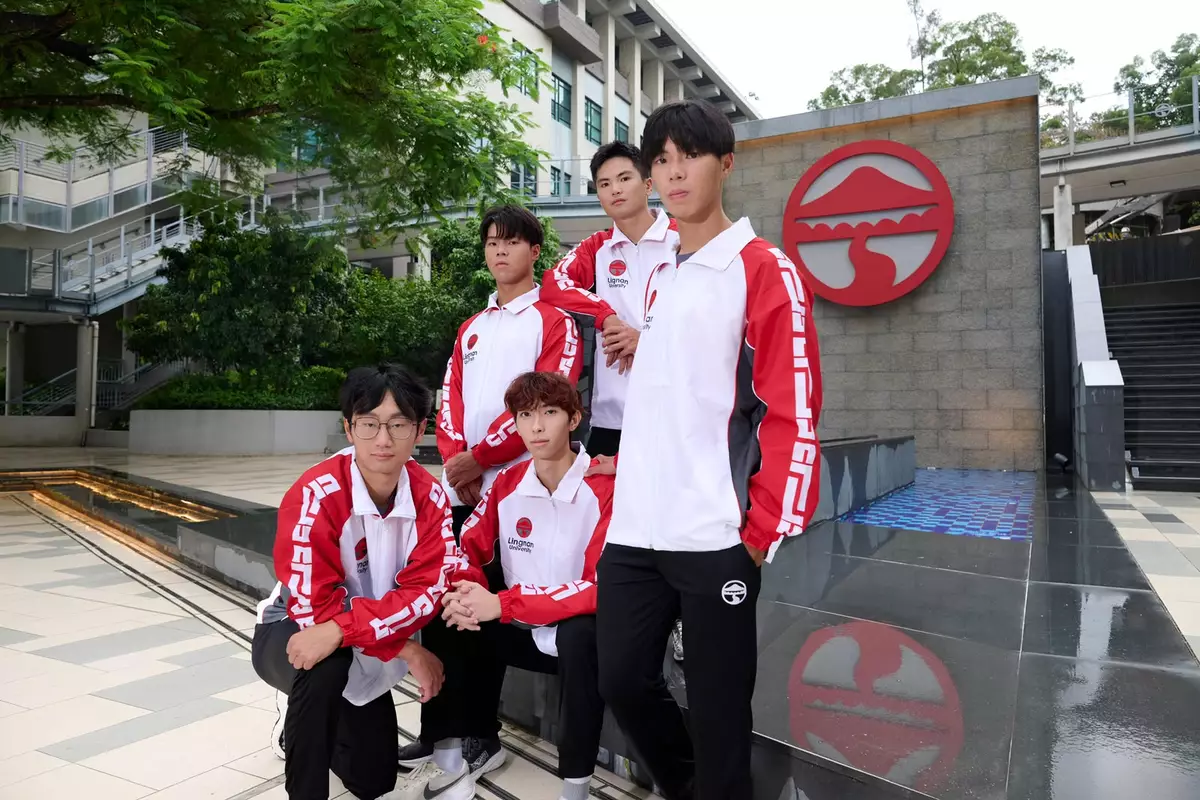
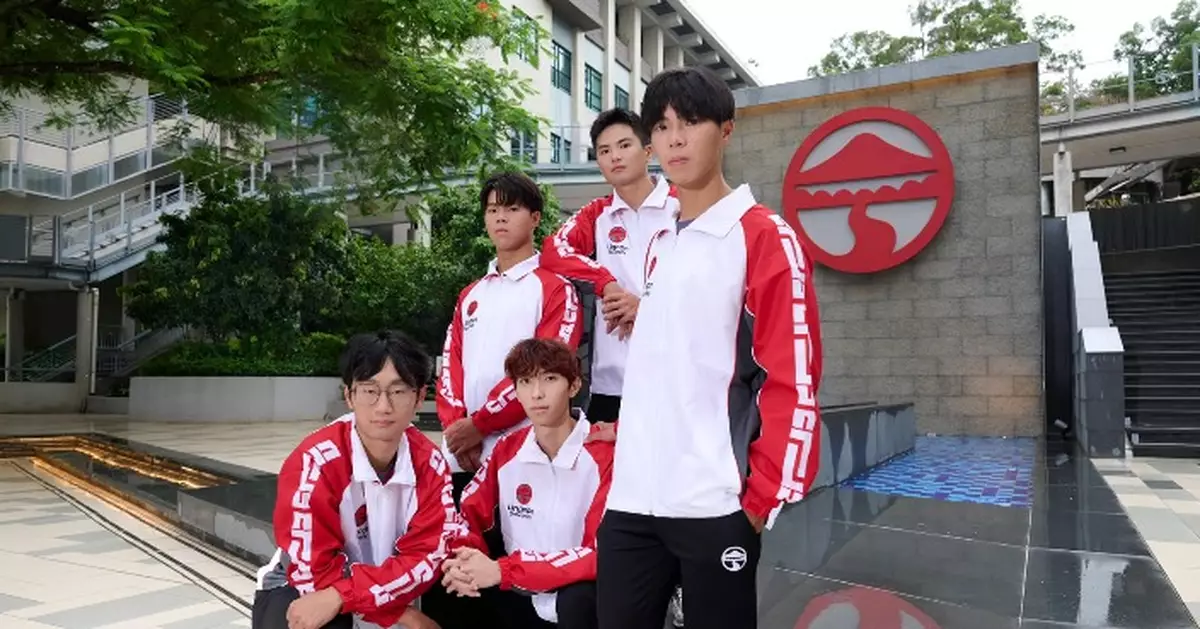
Five of the seven elite student-athletes enrolled for the 2026/27 academic year. Front row from left: Siu Ka-chun, Hui Chi-man, Ma Yik-sin; back row from left: Ma Yik-fei, Kwok Chun-yan. Photo source: Lingnan University
Prof Raymond Chan Hon-fu, Vice-President (Academics) cum Provost and Lam Man Tsan Chair Professor of Scientific Computing, welcomed the seven elite athletes to the Lingnan family, emphasising that the University will provide comprehensive learning support to help them cultivate diverse interests outside sport, so that they can balance their development in both academic and athletic areas.
Click to Gallery
Five of the seven elite student-athletes enrolled for the 2026/27 academic year. Front row from left: Siu Ka-chun, Hui Chi-man, Ma Yik-sin; back row from left: Ma Yik-fei, Kwok Chun-yan. Photo source: Lingnan University
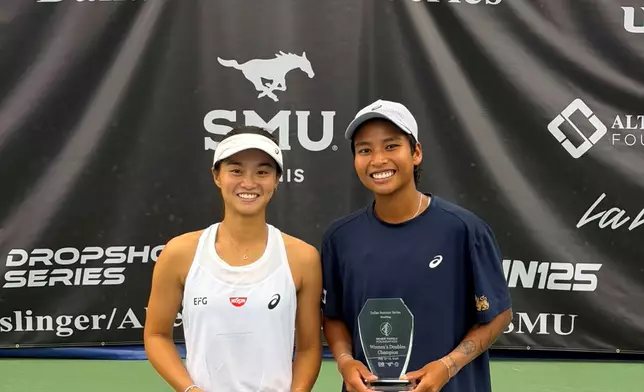
Star tennis athlete Cody Wong (left), who enrolled at Lingnan University in the 2023/24 academic year, partners with a Thai teammate to win the doubles title at the W35 Dallas, TX tournament of the ITF Women's World Tennis Tour in mid-July. Photo source: Lingnan University
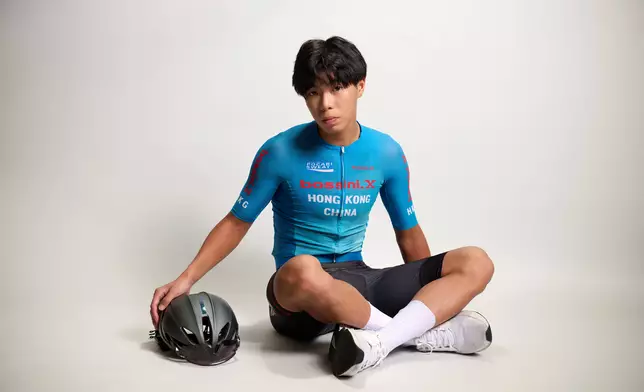
Cyclist Ma Yik-sin, Photo source: Lingnan University
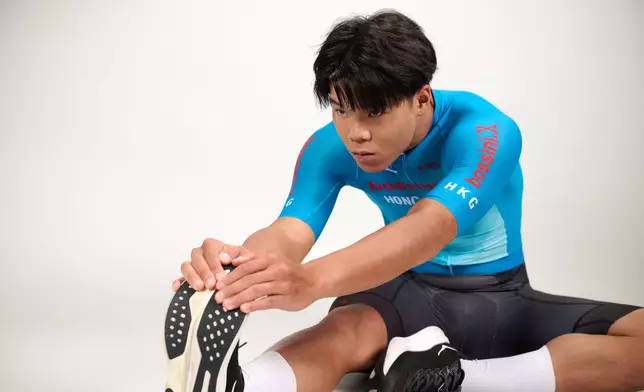
Cyclist Ma Yik-fei, Photo source: Lingnan University
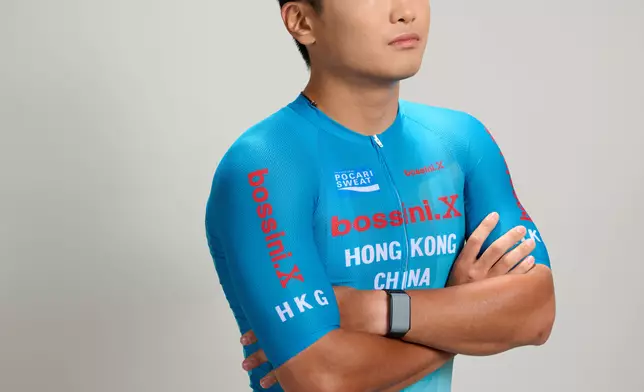
Cyclist Kwok Chun-yan, Photo source: Lingnan University
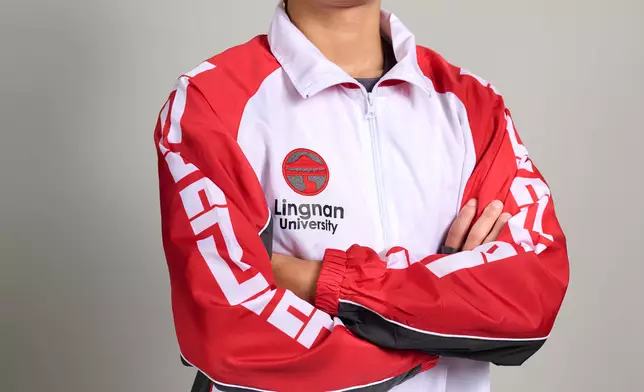
Cyclist Siu Ka-chun, Photo source: Lingnan University
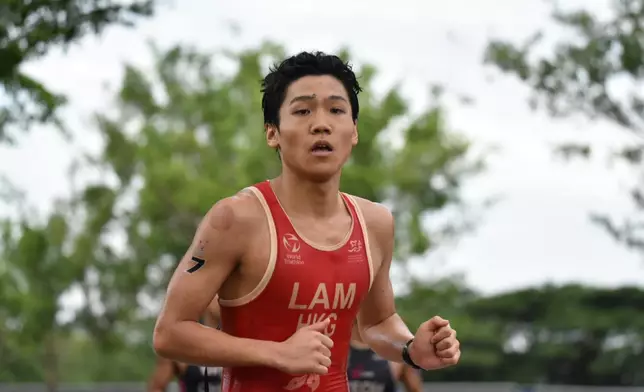
Triathlete Lam Lok-shi, Photo source: Lingnan University
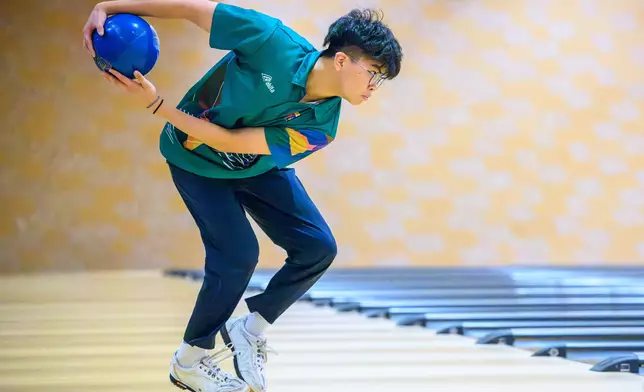
Tenpin bowler Amen Yuen Cheuk-hin, Photo source: Lingnan University
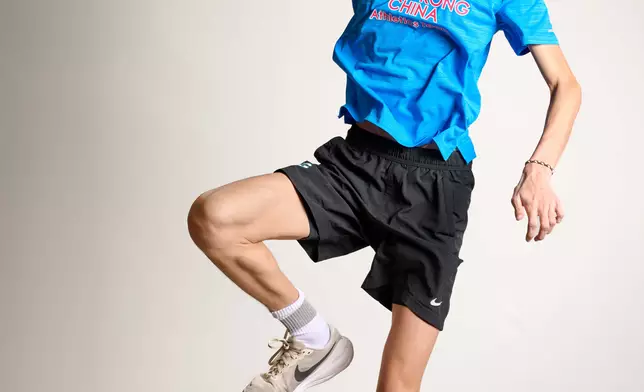
High jumper Hui Chi-man, Photo source: Lingnan University
He said, “Lingnan University is determined to attract outstanding talents from diverse backgrounds in order to foster a mutually enriching learning environment, and elite athletes are vital partners in driving knowledge innovation. The firsthand experience they gain from advanced training and international competitions provides a valuable empirical foundation for our teaching and research. Through interdisciplinary collaboration, Lingnan aims to integrate athletes’ practical experiences in training, competition, and psychological adjustment with academic research, addressing industry needs and sparking innovation in sports coaching, sports psychology, and mega-event management, ultimately contributing to the Hong Kong SAR’s development as a centre for major sports events.”
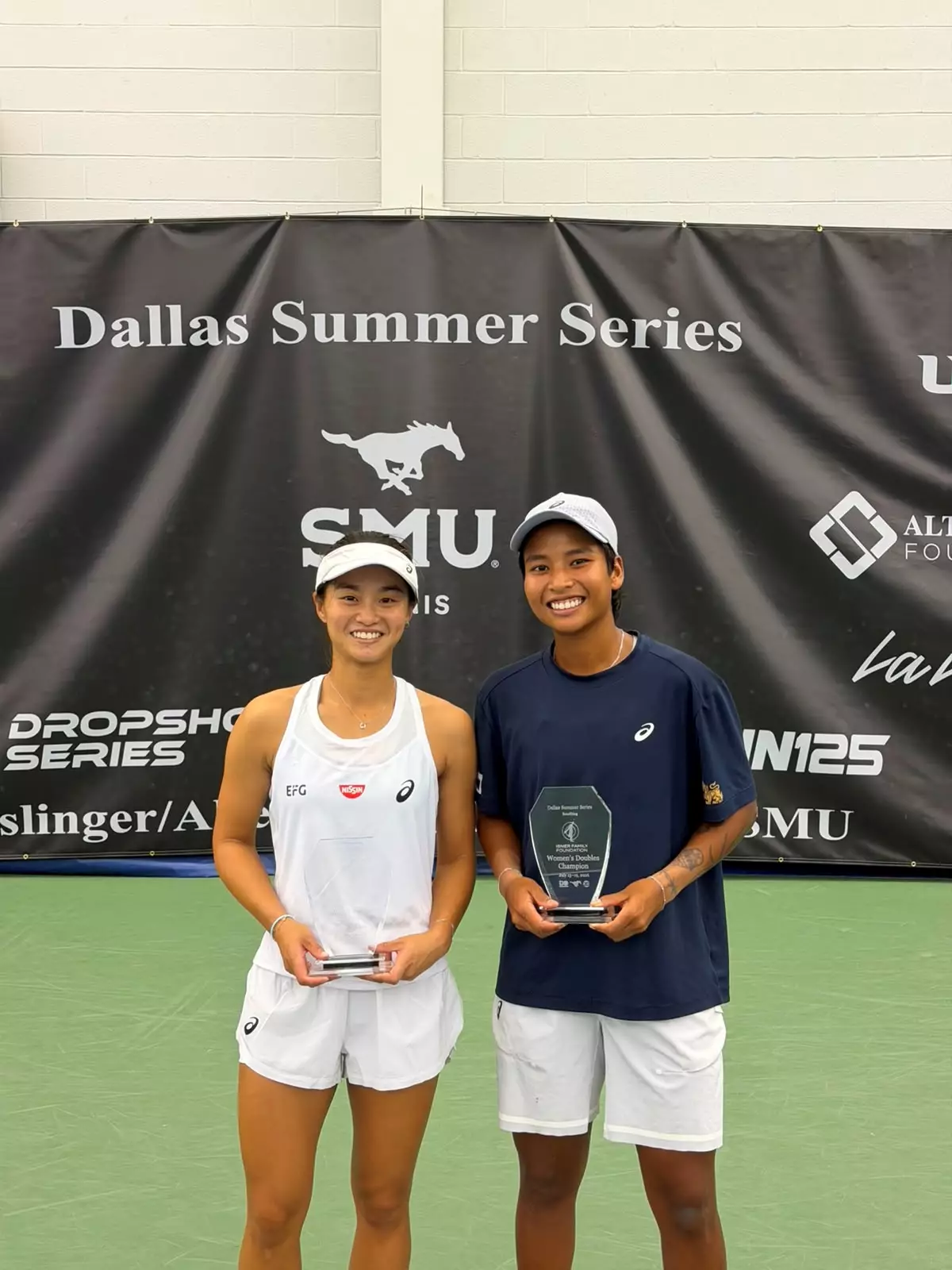
Star tennis athlete Cody Wong (left), who enrolled at Lingnan University in the 2023/24 academic year, partners with a Thai teammate to win the doubles title at the W35 Dallas, TX tournament of the ITF Women's World Tennis Tour in mid-July. Photo source: Lingnan University
Prof Chan also noted that Lingnan University’s elite athletes have achieved consistently outstanding results in major international competitions. Two cyclists who enrolled at Lingnan last year, Phoebe Tung and Yeung Cho-yiu, represented Team Hong Kong, China at the Korea Track Cup 2026 in Yangyang, winning silver and bronze medals respectively in the Women’s Elite Keirin. Meanwhile, star tennis athlete Cody Wong, who enrolled at Lingnan in the 2023/24 academic year, partnered with a Thai teammate to win the doubles title at the W35 Dallas, TX tournament of the ITF Women's World Tennis Tour in mid-July. Additionally, top table tennis athlete Yuen Wing-ki, who enrolled at Lingnan in the same cohort, won a bronze medal for the Hong Kong SAR in the Women’s Table Tennis Doubles (Class TT5) at the 12th National Games for Persons with Disabilities and the 9th National Special Olympic Games.
Profiles of the seven elite student-athletes
Cyclist Ma Yik-sin: Inspired by two-time Olympic bronze medallist Lee Wai-sze, Ma Yik-sin, elder brother of the Hong Kong Junior Team twin duo, won the Gold Medal in the Men’s Junior Madison at the 2025 National Track Cycling Championships & National Youth Track Cycling Championships alongside his twin Ma Yik-fei. He will enrol in Year 3 of the Bachelor of Social Sciences (Honours) in Sports Coaching and Event Management programme.
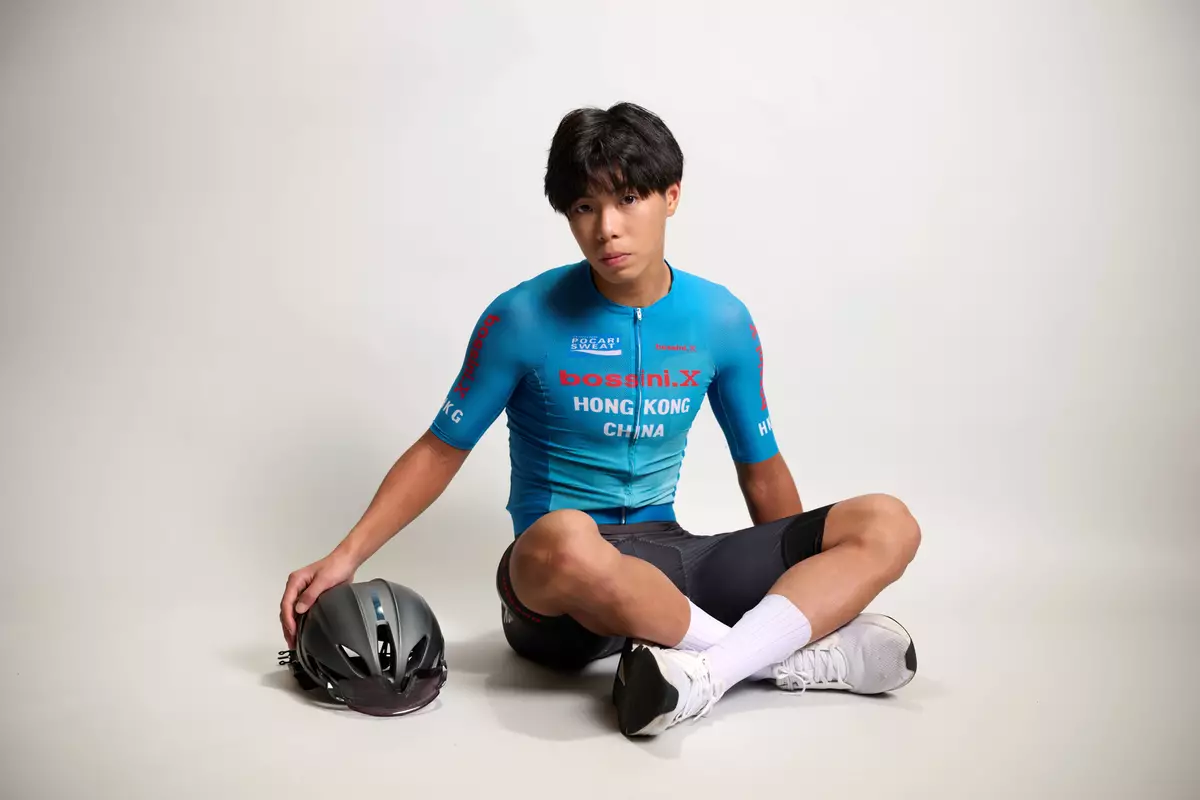
Cyclist Ma Yik-sin, Photo source: Lingnan University
Cyclist Ma Yik-fei: Younger twin brother Ma Yik-fei was also inspired by Lee Wai-sze, and brought home a silver medal in the Men’s Junior Scratch, a silver medal in the Youth Elimination Race, and a bronze medal in the Men’s Junior Team Pursuit from the 2025 Asian Track Championships in Malaysia. He will enrol in Year 3 of the Bachelor of Social Sciences (Honours) in Sports Coaching and Event Management programme.
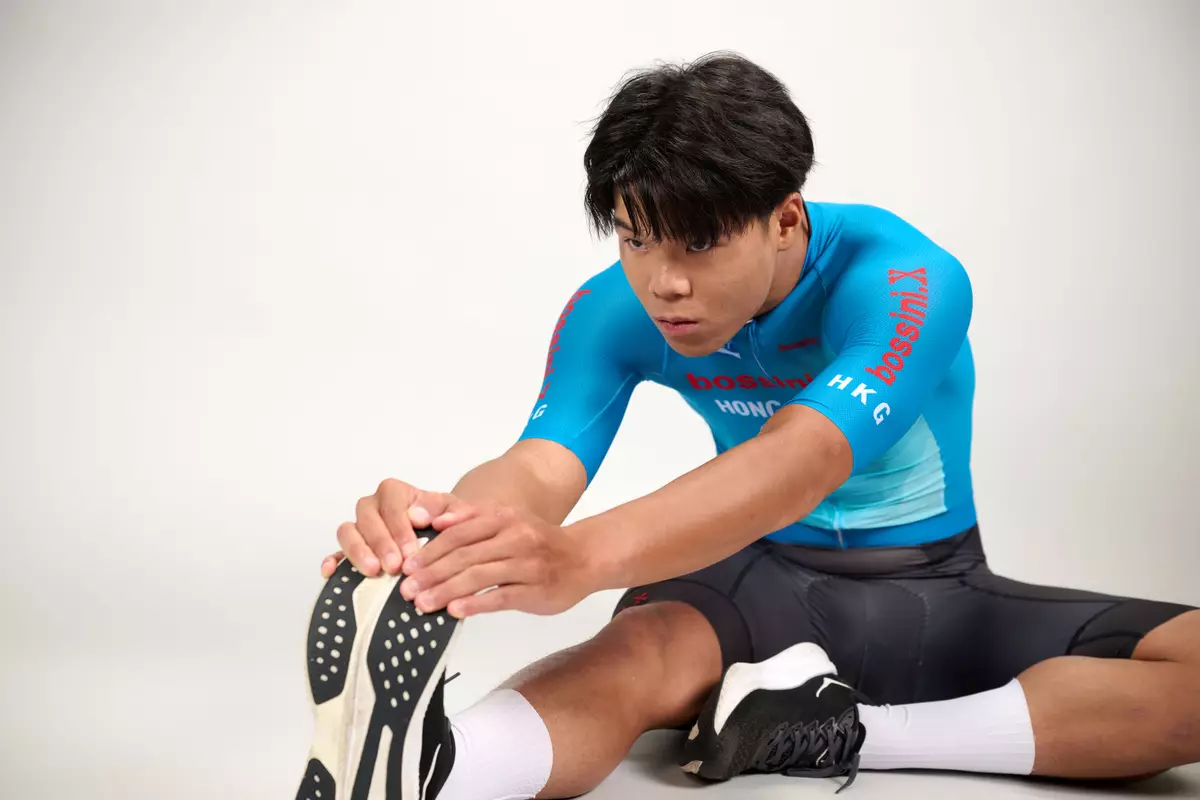
Cyclist Ma Yik-fei, Photo source: Lingnan University
Cyclist Kwok Chun-yan: A road cyclist whose team won the Team Classification Title at the 2025 Yellow River Estuary (Dongying) Road Cycling Race and the Men’s U23 Championship at the 2025 Hong Kong Road Cycling Championships, Kwok will enrol in Year 3 of the Bachelor of Social Sciences (Honours) in Sports Coaching and Event Management programme.
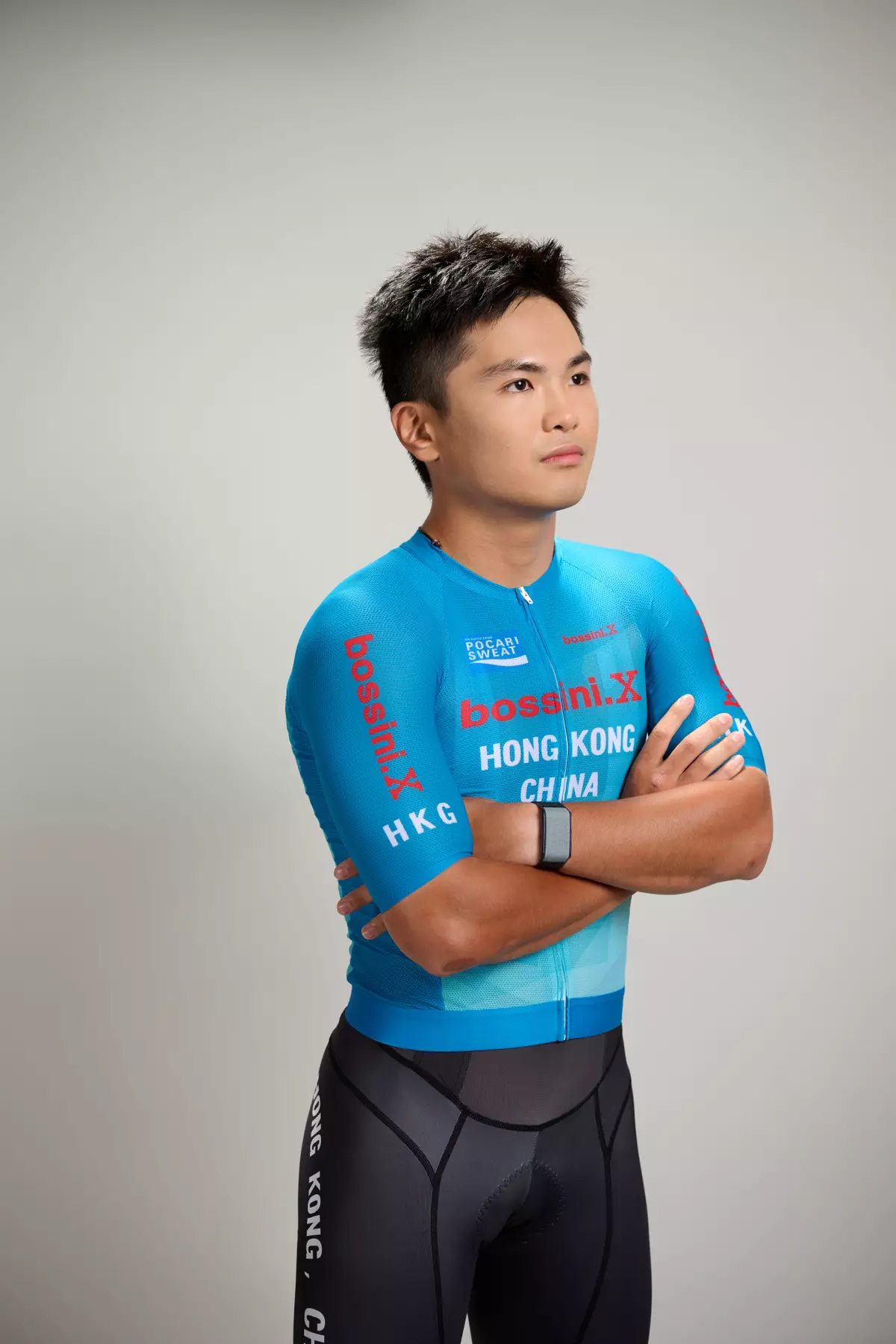
Cyclist Kwok Chun-yan, Photo source: Lingnan University
Cyclist Siu Ka-chun: Siu won a Bronze Medal in the Men's Junior Keirin (International Division) at the 2023 Hong Kong International Track Cup, and came 8th in the Men’s Junior Group A Time Trial at the 2023 China National U Series Junior Road Championship. He will enrol in Year 3 of the Bachelor of Social Sciences (Honours) in Sports Coaching and Event Management programme.
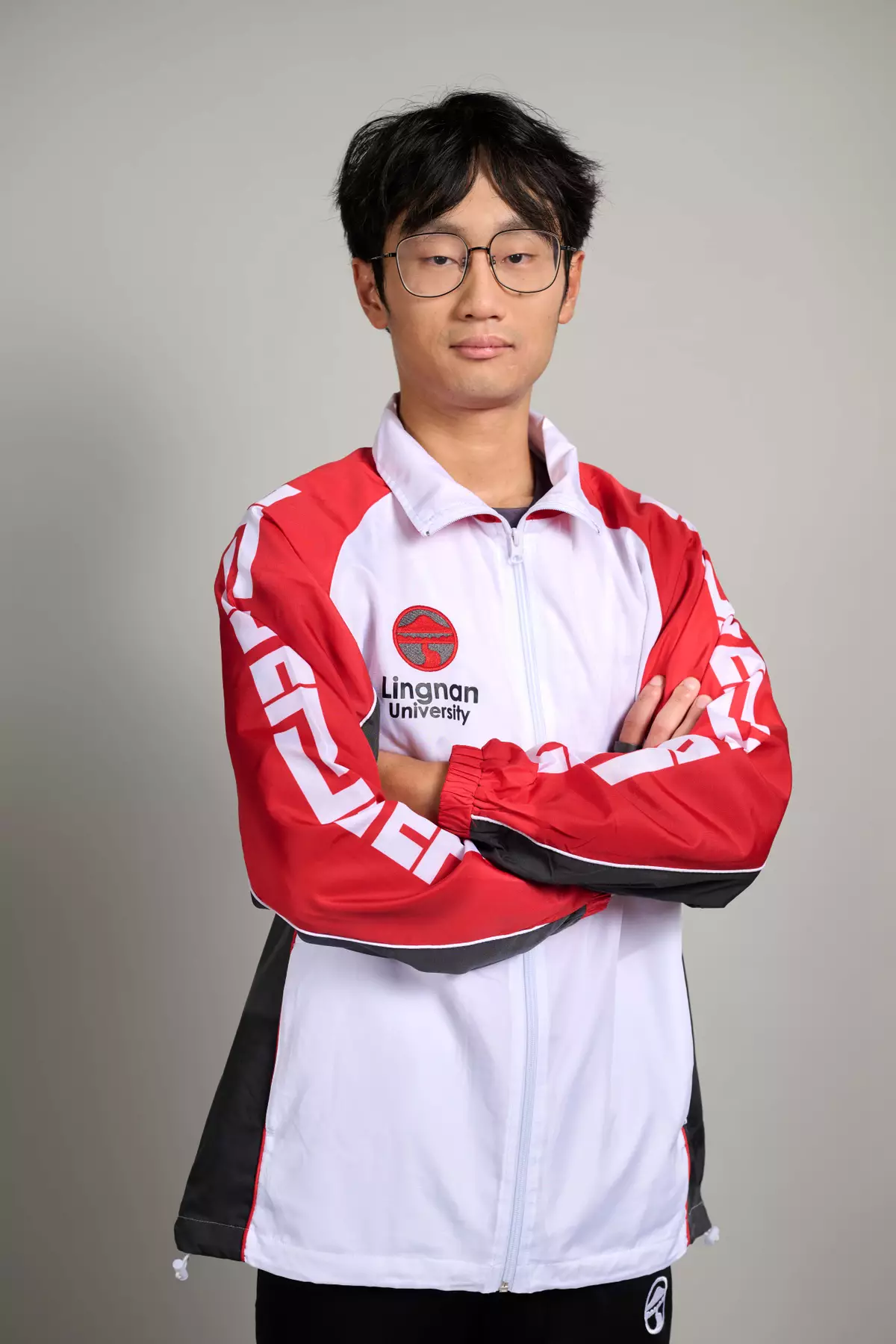
Cyclist Siu Ka-chun, Photo source: Lingnan University
Triathlete Lam Lok-shi: Joined the Hong Kong Team for training aged 14, and was named an Outstanding Junior Athlete for the fourth quarter of 2022. He won the Gold Medal in the Men’s U15 category at the 2023 Asia Triathlon Youth Championships, and was the 2nd Runner-up in the Male Elite Junior category at the 2026 Asia Triathlon Junior Cup Putrajaya. He will enrol in Year 1 of the Bachelor of Social Sciences (Honours) in Psychology programme.
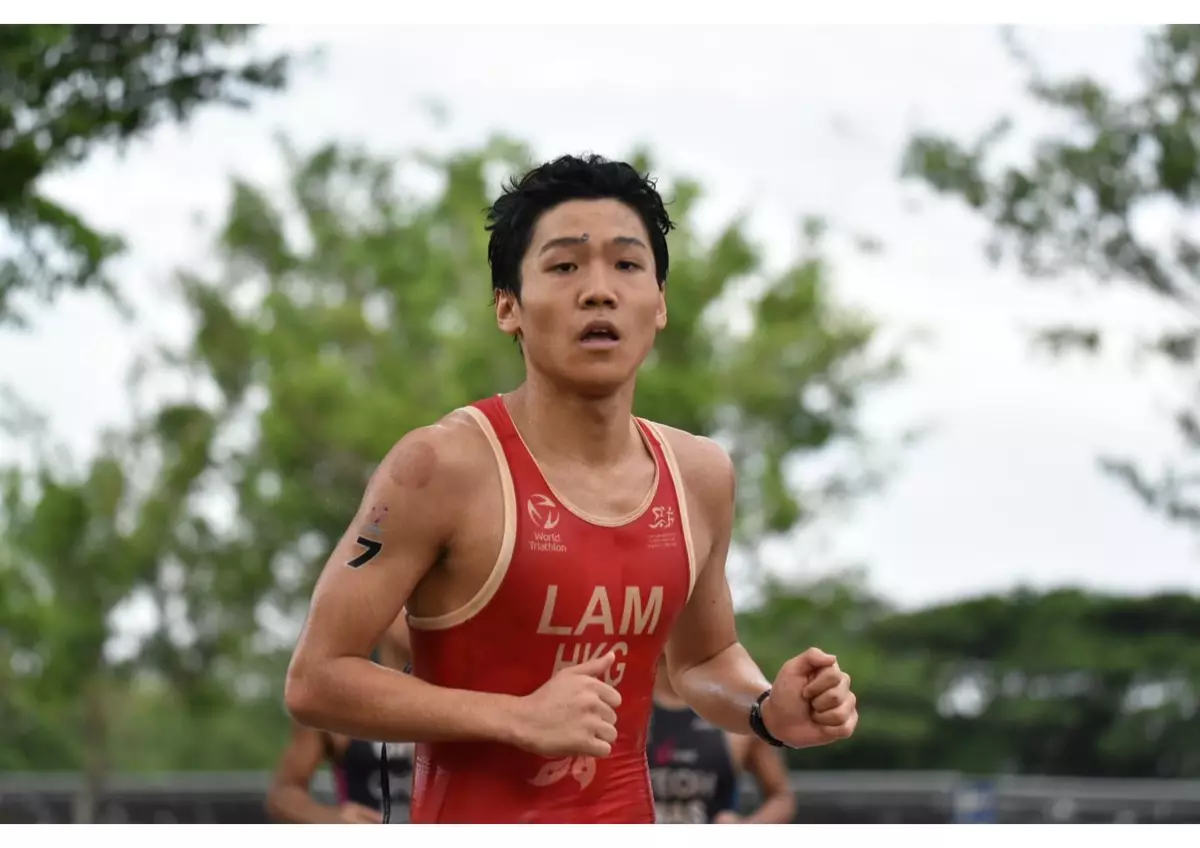
Triathlete Lam Lok-shi, Photo source: Lingnan University
Tenpin bowler Amen Yuen Cheuk-hin: Yuen represented the Hong Kong SAR at the 21st and 22nd Asian Junior Tenpin Bowling Championships in 2022 and 2023, where he and his teammates won the Champion and 2nd Runner-up titles in the Boys' Team of four. He was also the 1st Runner-up in the U22 Division at the U22 Hong Kong Storm Cup 2025. He will enrol in Year 3 of the Bachelor of Social Sciences (Honours) in Sports Coaching and Event Management programme.
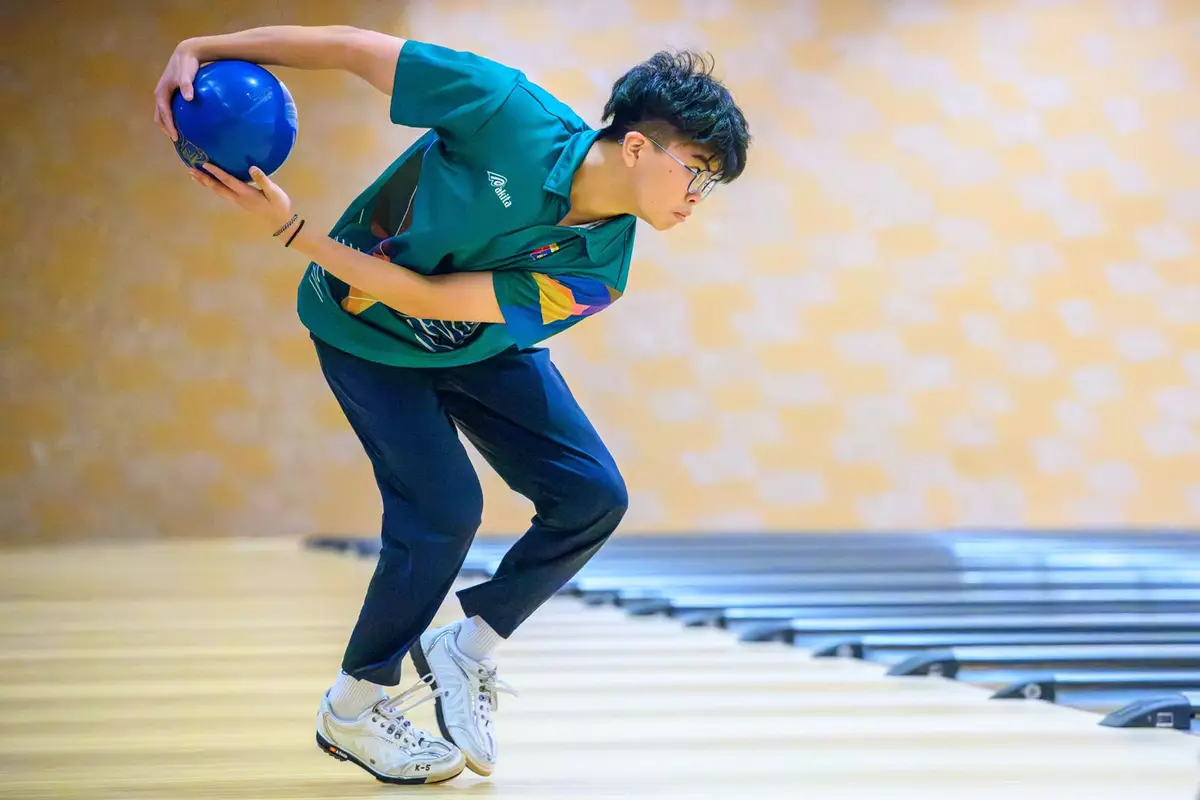
Tenpin bowler Amen Yuen Cheuk-hin, Photo source: Lingnan University
High jumper Hui Chi-man: Active in track and field, Hui competed in the 2025 All China Youth (U18) Athletics Championships, coming 14th in the Men’s U18 High Jump. He will enrol in Year 1 of the Bachelor of Arts (Honours) in Philosophy programme.
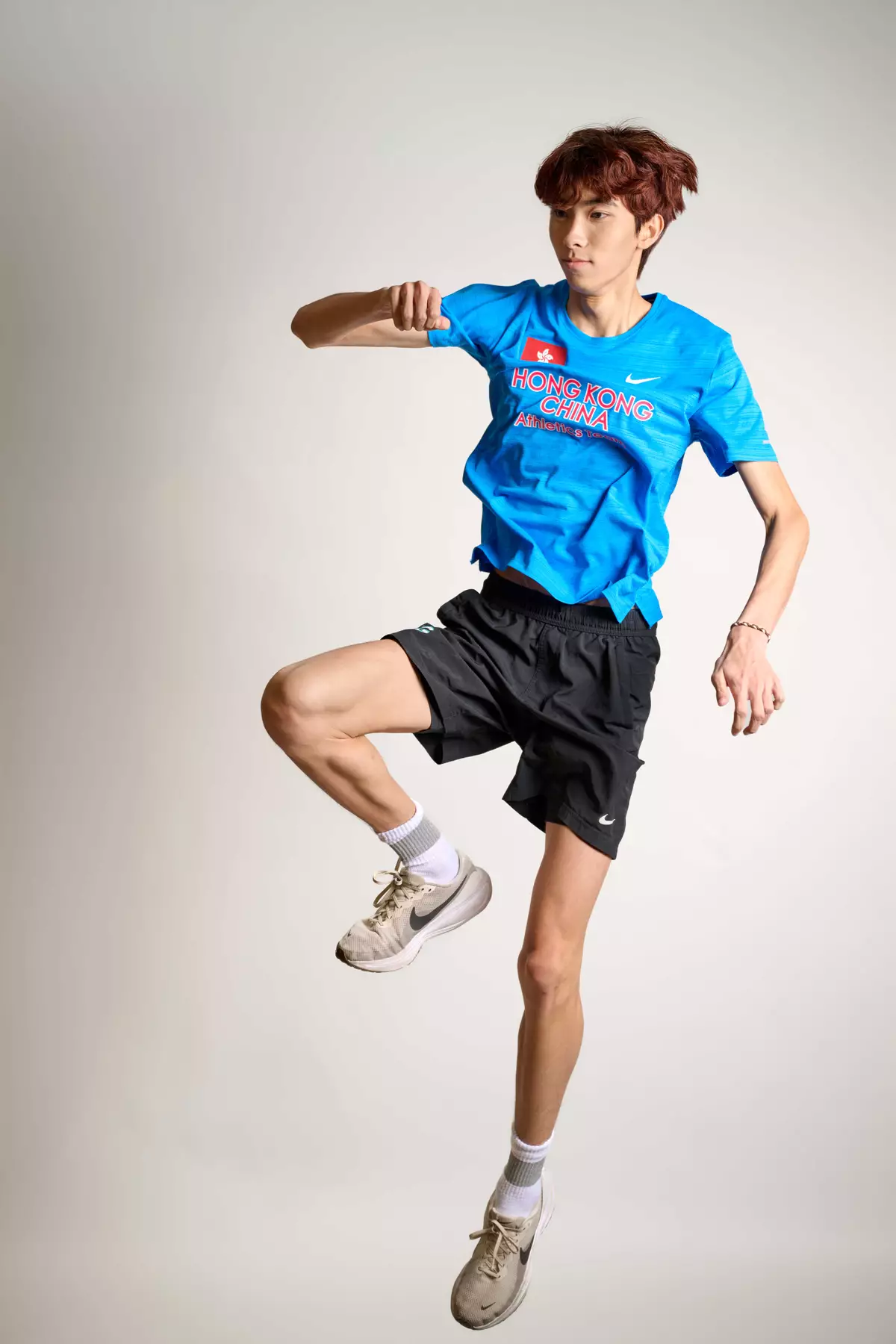
High jumper Hui Chi-man, Photo source: Lingnan University
Each elite athlete admitted through Lingnan’s SALSA Scheme will receive an allowance of up to HK$400,000 to cover tuition fees, learning and living expenses, accommodation costs, and expenses for the Chinese Mainland or overseas exchanges. They will also benefit from physiotherapy, medical care, and additional insurance coverage to ensure their well-being.
Furthermore, to accommodate the student-athletes’ training and competition schedules, designated staff from the Office of Student Affairs will provide one-stop dedicated support from admission to graduation. This includes priority course registration and flexible learning and examination arrangements, as well as career planning advice to help them explore diverse professional pathways beyond sports.