Skip to Content Facebook Feature Image

Lingnan University Admits a Record Number of Seven Elite Athletes for the New Academic Year Through the Student‑Athlete Learning Support and Admission Scheme

HK

Lingnan University Admits a Record Number of Seven Elite Athletes for the New Academic Year Through the Student‑Athlete Learning Support and Admission Scheme
HK

HK

Lingnan University Admits a Record Number of Seven Elite Athletes for the New Academic Year Through the Student‑Athlete Learning Support and Admission Scheme

2026-08-11 13:15 Last Updated At:13:15

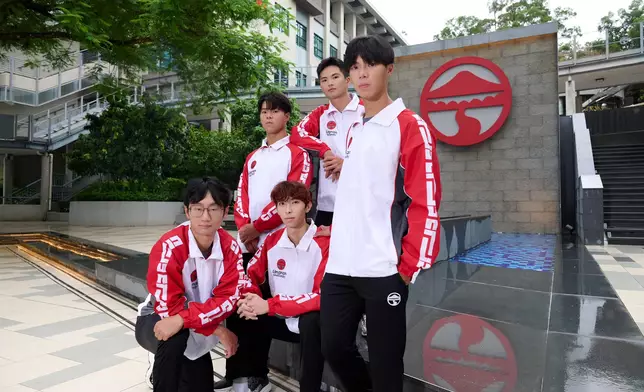
Lingnan University has always actively supported the holistic development of local athletes. This year, the University has admitted seven elite athletes, a record intake, through the Student-Athlete Learning Support and Admission Scheme (SALSA Scheme). They include four cyclists, Ma Yik-sin, Ma Yik-fei, Kwok Chun-yan, and Siu Ka-chun; triathlete Lam Lok-shi; tenpin bowler Amen Yuen Cheuk-hin; and high jumper Hui Chi-man. All seven will enrol in undergraduate programmes for the 2026/27 academic year: five of them will pursue the Bachelor of Social Sciences (Honours) in Sports Coaching and Event Management programme, while Lam will study Psychology, and Hui will study Philosophy.
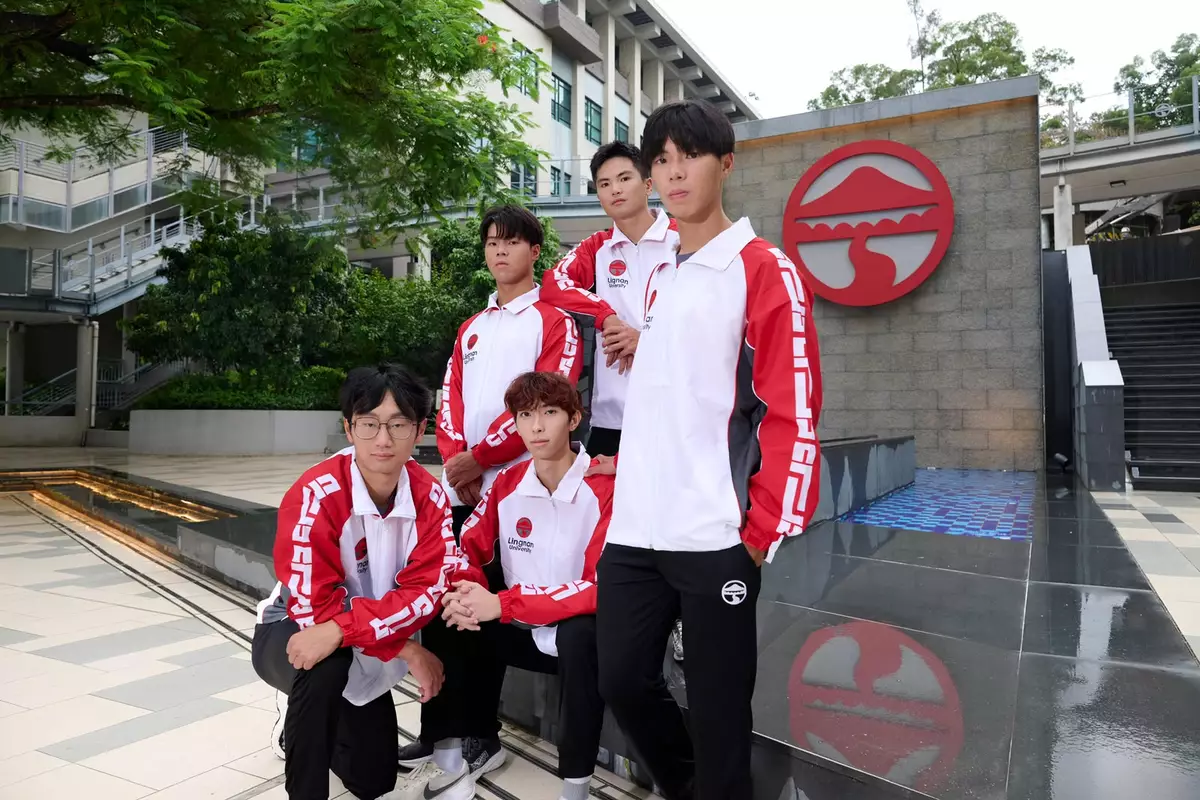
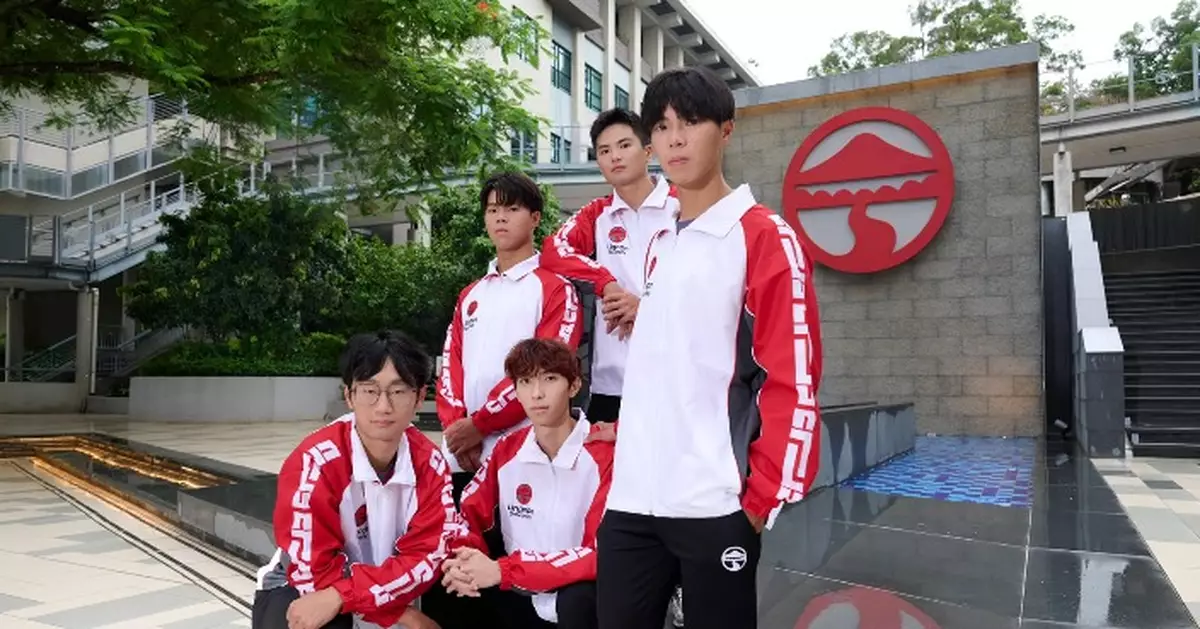
Five of the seven elite student-athletes enrolled for the 2026/27 academic year. Front row from left: Siu Ka-chun, Hui Chi-man, Ma Yik-sin; back row from left: Ma Yik-fei, Kwok Chun-yan. Photo source: Lingnan University
Five of the seven elite student-athletes enrolled for the 2026/27 academic year. Front row from left: Siu Ka-chun, Hui Chi-man, Ma Yik-sin; back row from left: Ma Yik-fei, Kwok Chun-yan. Photo source: Lingnan University

Prof Raymond Chan Hon-fu, Vice-President (Academics) cum Provost and Lam Man Tsan Chair Professor of Scientific Computing, welcomed the seven elite athletes to the Lingnan family, emphasising that the University will provide comprehensive learning support to help them cultivate diverse interests outside sport, so that they can balance their development in both academic and athletic areas.

More Images
Five of the seven elite student-athletes enrolled for the 2026/27 academic year. Front row from left: Siu Ka-chun, Hui Chi-man, Ma Yik-sin; back row from left: Ma Yik-fei, Kwok Chun-yan. Photo source: Lingnan University

Five of the seven elite student-athletes enrolled for the 2026/27 academic year. Front row from left: Siu Ka-chun, Hui Chi-man, Ma Yik-sin; back row from left: Ma Yik-fei, Kwok Chun-yan. Photo source: Lingnan University

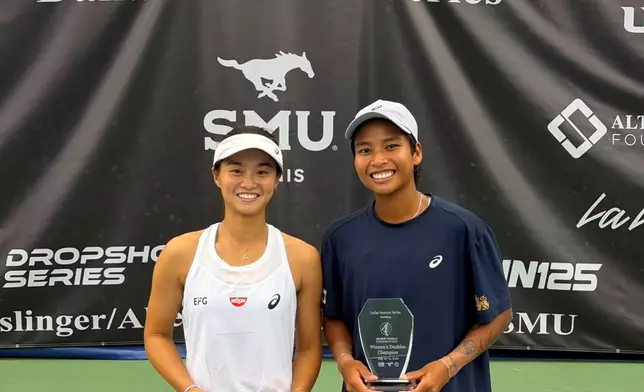
Star tennis athlete Cody Wong (left), who enrolled at Lingnan University in the 2023/24 academic year, partners with a Thai teammate to win the doubles title at the W35 Dallas, TX tournament of the ITF Women's World Tennis Tour in mid-July. Photo source: Lingnan University
Star tennis athlete Cody Wong (left), who enrolled at Lingnan University in the 2023/24 academic year, partners with a Thai teammate to win the doubles title at the W35 Dallas, TX tournament of the ITF Women's World Tennis Tour in mid-July. Photo source: Lingnan University

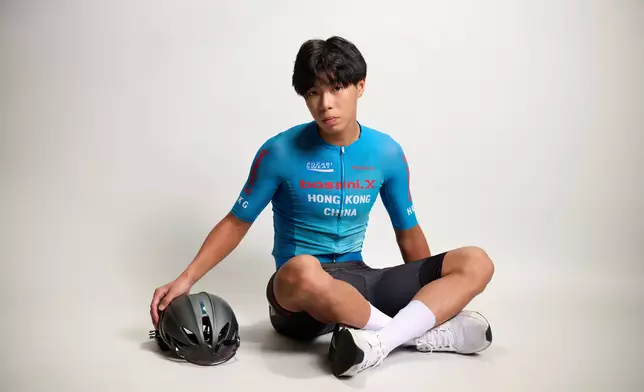
Cyclist Ma Yik-sin, Photo source: Lingnan University
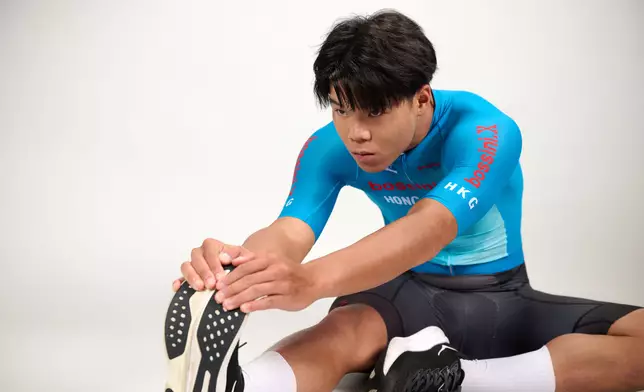
Cyclist Ma Yik-sin, Photo source: Lingnan University

Cyclist Ma Yik-fei, Photo source: Lingnan University
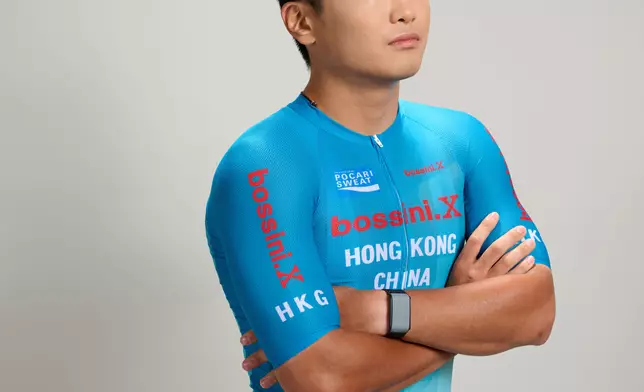
Cyclist Ma Yik-fei, Photo source: Lingnan University

Cyclist Kwok Chun-yan, Photo source: Lingnan University
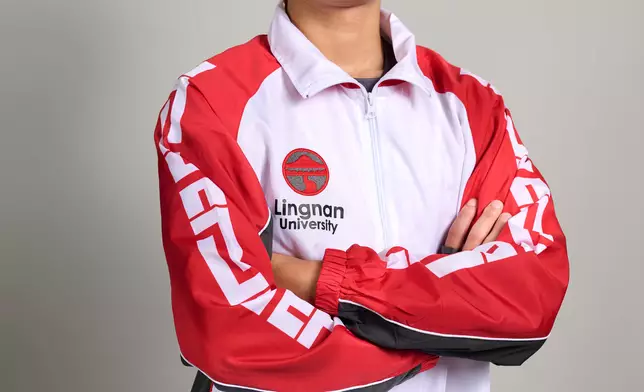
Cyclist Kwok Chun-yan, Photo source: Lingnan University

Cyclist Siu Ka-chun, Photo source: Lingnan University
Cyclist Siu Ka-chun, Photo source: Lingnan University

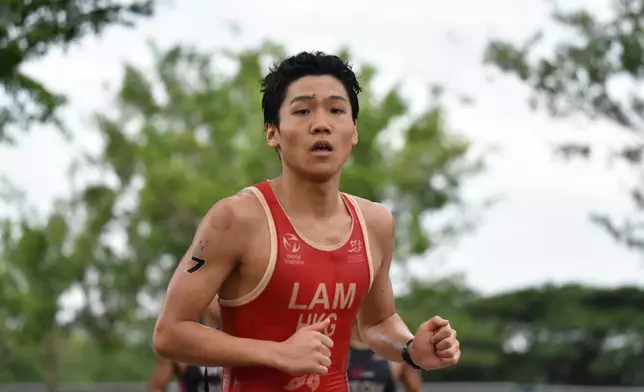
Triathlete Lam Lok-shi, Photo source: Lingnan University
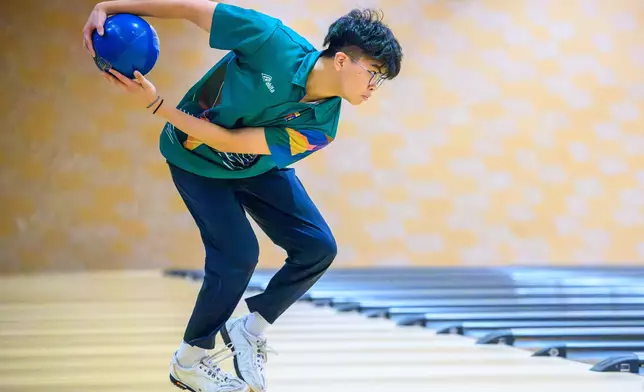
Triathlete Lam Lok-shi, Photo source: Lingnan University

Tenpin bowler Amen Yuen Cheuk-hin, Photo source: Lingnan University
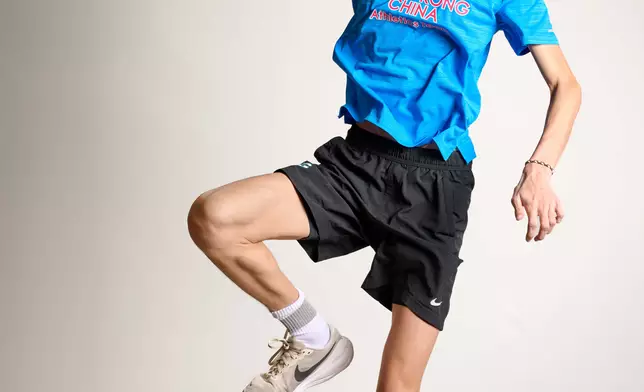
Tenpin bowler Amen Yuen Cheuk-hin, Photo source: Lingnan University

High jumper Hui Chi-man, Photo source: Lingnan University

High jumper Hui Chi-man, Photo source: Lingnan University

He said, “Lingnan University is determined to attract outstanding talents from diverse backgrounds in order to foster a mutually enriching learning environment, and elite athletes are vital partners in driving knowledge innovation. The firsthand experience they gain from advanced training and international competitions provides a valuable empirical foundation for our teaching and research. Through interdisciplinary collaboration, Lingnan aims to integrate athletes’ practical experiences in training, competition, and psychological adjustment with academic research, addressing industry needs and sparking innovation in sports coaching, sports psychology, and mega-event management, ultimately contributing to the Hong Kong SAR’s development as a centre for major sports events.”
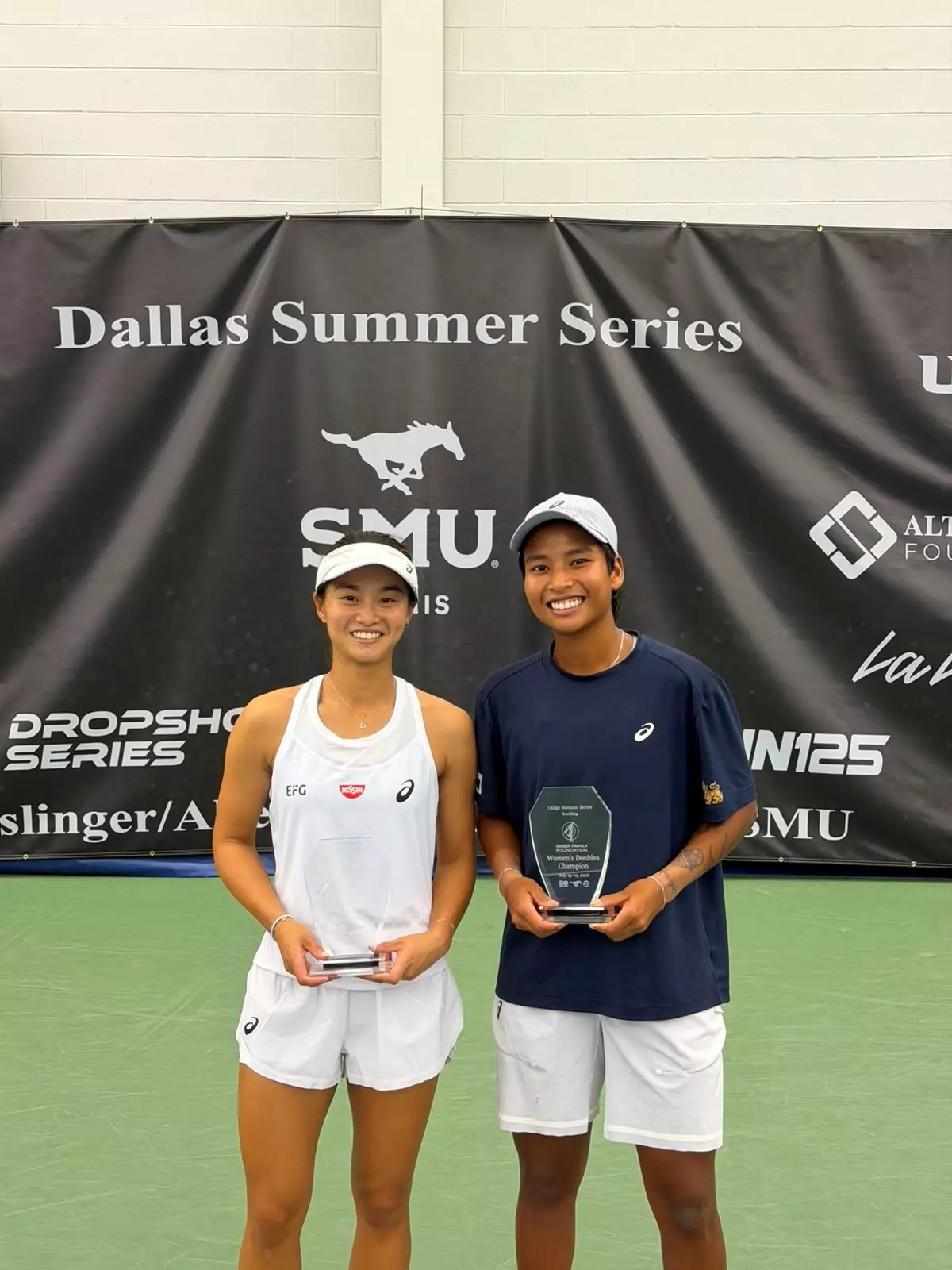
Star tennis athlete Cody Wong (left), who enrolled at Lingnan University in the 2023/24 academic year, partners with a Thai teammate to win the doubles title at the W35 Dallas, TX tournament of the ITF Women's World Tennis Tour in mid-July. Photo source: Lingnan University

Star tennis athlete Cody Wong (left), who enrolled at Lingnan University in the 2023/24 academic year, partners with a Thai teammate to win the doubles title at the W35 Dallas, TX tournament of the ITF Women's World Tennis Tour in mid-July. Photo source: Lingnan University

Prof Chan also noted that Lingnan University’s elite athletes have achieved consistently outstanding results in major international competitions. Two cyclists who enrolled at Lingnan last year, Phoebe Tung and Yeung Cho-yiu, represented Team Hong Kong, China at the Korea Track Cup 2026 in Yangyang, winning silver and bronze medals respectively in the Women’s Elite Keirin. Meanwhile, star tennis athlete Cody Wong, who enrolled at Lingnan in the 2023/24 academic year, partnered with a Thai teammate to win the doubles title at the W35 Dallas, TX tournament of the ITF Women's World Tennis Tour in mid-July. Additionally, top table tennis athlete Yuen Wing-ki, who enrolled at Lingnan in the same cohort, won a bronze medal for the Hong Kong SAR in the Women’s Table Tennis Doubles (Class TT5) at the 12th National Games for Persons with Disabilities and the 9th National Special Olympic Games.

Profiles of the seven elite student-athletes

Cyclist Ma Yik-sin: Inspired by two-time Olympic bronze medallist Lee Wai-sze, Ma Yik-sin, elder brother of the Hong Kong Junior Team twin duo, won the Gold Medal in the Men’s Junior Madison at the 2025 National Track Cycling Championships & National Youth Track Cycling Championships alongside his twin Ma Yik-fei. He will enrol in Year 3 of the Bachelor of Social Sciences (Honours) in Sports Coaching and Event Management programme.
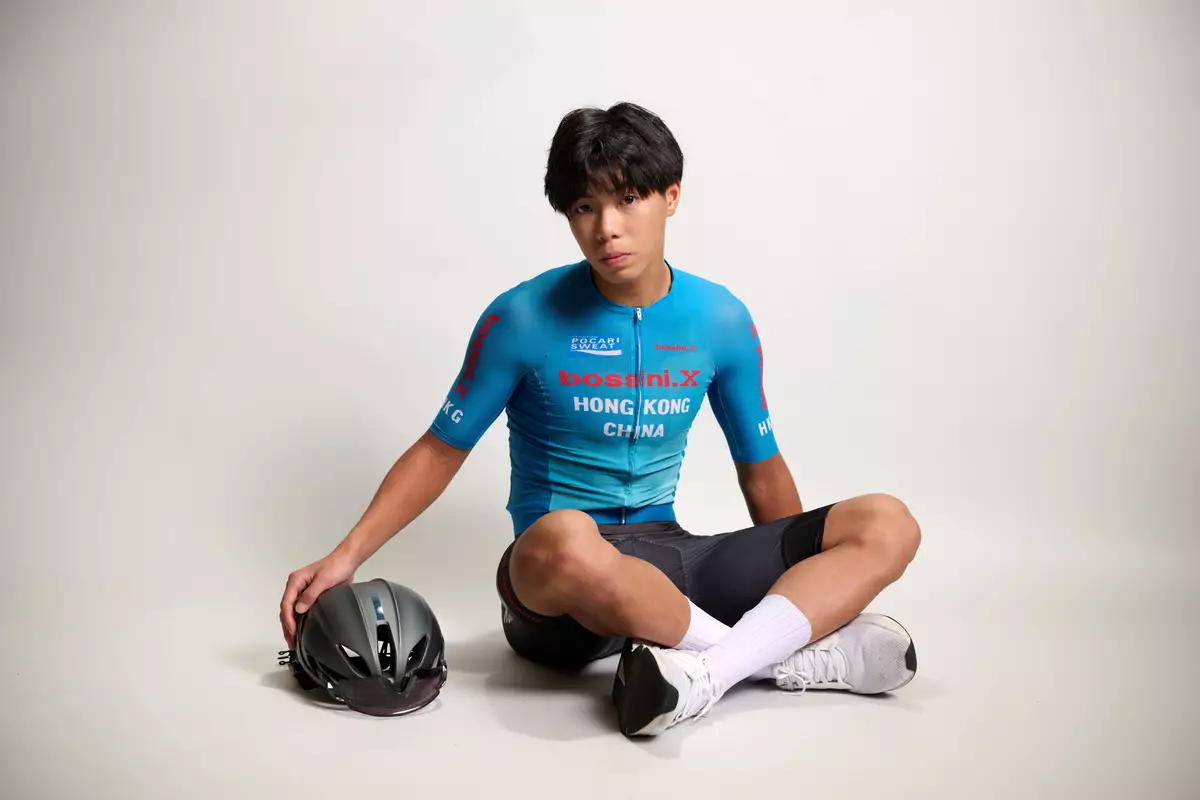
Cyclist Ma Yik-sin, Photo source: Lingnan University

Cyclist Ma Yik-sin, Photo source: Lingnan University

Cyclist Ma Yik-fei: Younger twin brother Ma Yik-fei was also inspired by Lee Wai-sze, and brought home a silver medal in the Men’s Junior Scratch, a silver medal in the Youth Elimination Race, and a bronze medal in the Men’s Junior Team Pursuit from the 2025 Asian Track Championships in Malaysia. He will enrol in Year 3 of the Bachelor of Social Sciences (Honours) in Sports Coaching and Event Management programme.
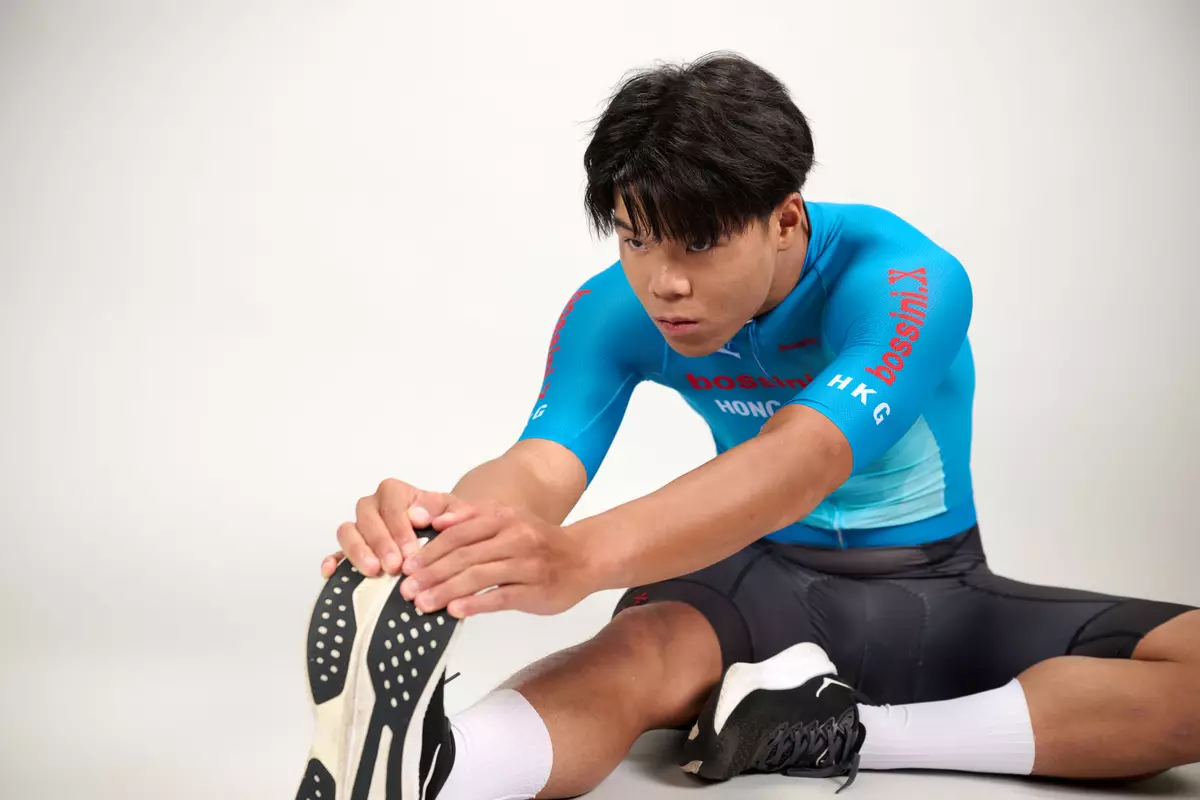
Cyclist Ma Yik-fei, Photo source: Lingnan University

Cyclist Ma Yik-fei, Photo source: Lingnan University

Cyclist Kwok Chun-yan: A road cyclist whose team won the Team Classification Title at the 2025 Yellow River Estuary (Dongying) Road Cycling Race and the Men’s U23 Championship at the 2025 Hong Kong Road Cycling Championships, Kwok will enrol in Year 3 of the Bachelor of Social Sciences (Honours) in Sports Coaching and Event Management programme.
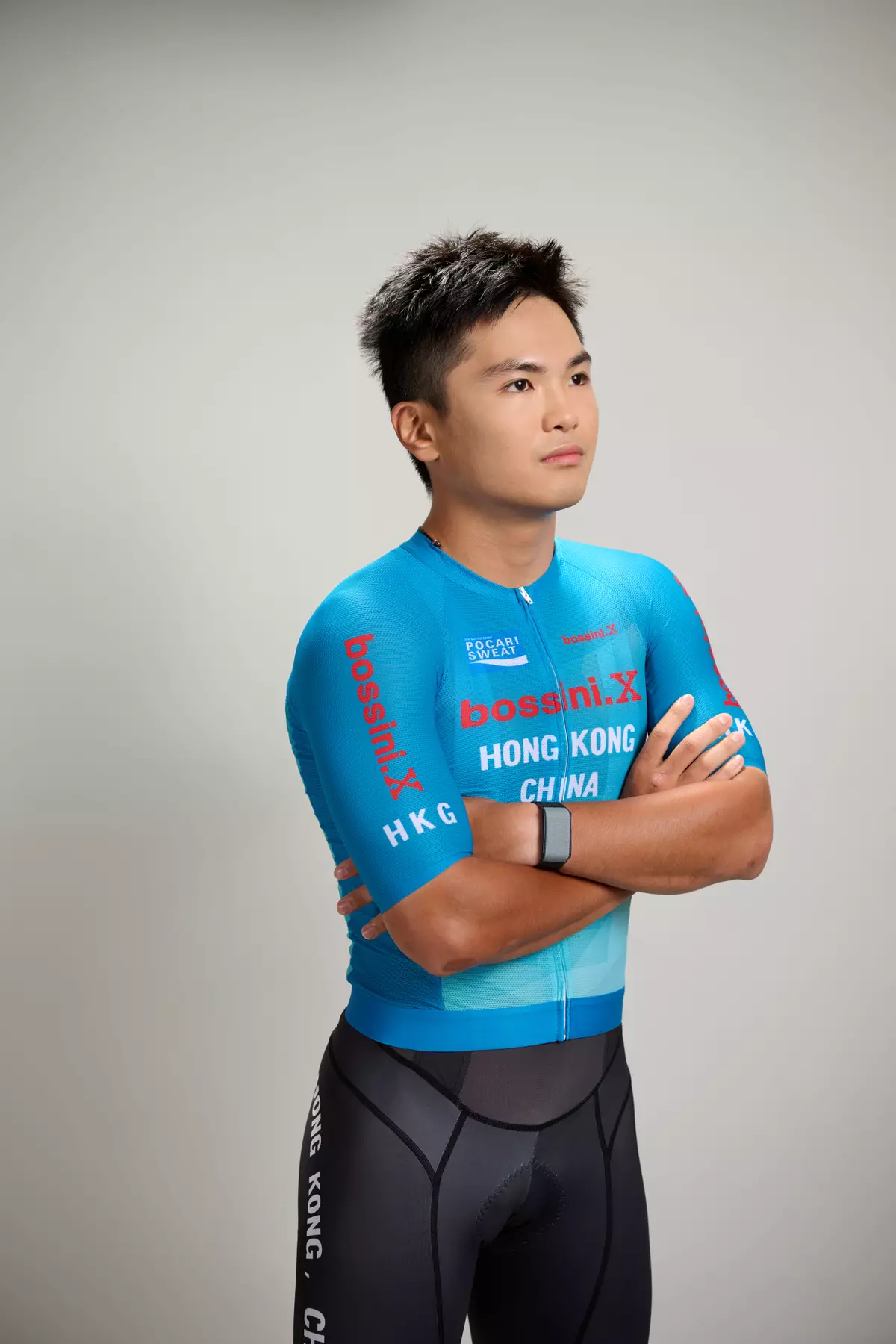
Cyclist Kwok Chun-yan, Photo source: Lingnan University

Cyclist Kwok Chun-yan, Photo source: Lingnan University

Cyclist Siu Ka-chun: Siu won a Bronze Medal in the Men's Junior Keirin (International Division) at the 2023 Hong Kong International Track Cup, and came 8th in the Men’s Junior Group A Time Trial at the 2023 China National U Series Junior Road Championship. He will enrol in Year 3 of the Bachelor of Social Sciences (Honours) in Sports Coaching and Event Management programme.
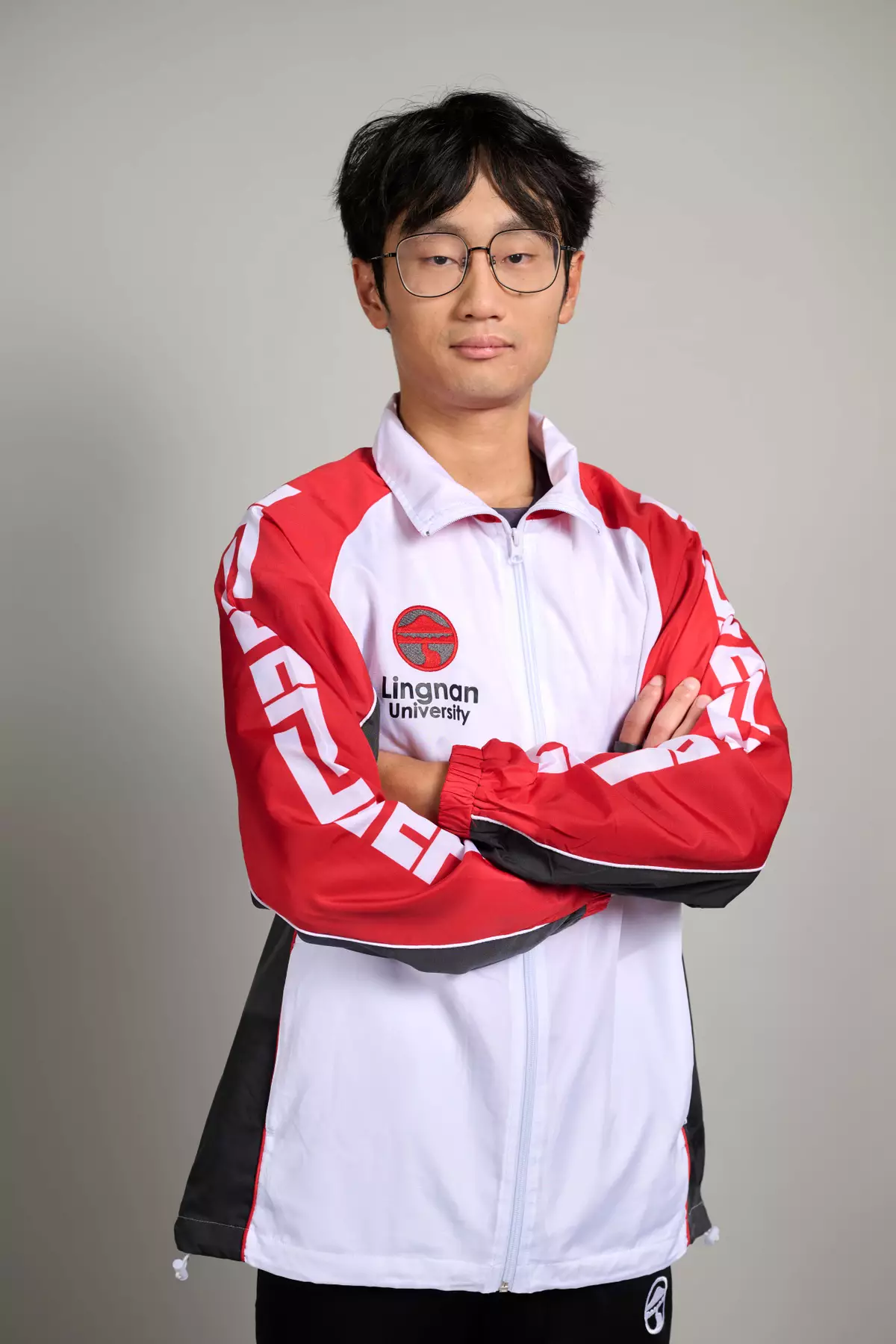
Cyclist Siu Ka-chun, Photo source: Lingnan University

Cyclist Siu Ka-chun, Photo source: Lingnan University

Triathlete Lam Lok-shi: Joined the Hong Kong Team for training aged 14, and was named an Outstanding Junior Athlete for the fourth quarter of 2022. He won the Gold Medal in the Men’s U15 category at the 2023 Asia Triathlon Youth Championships, and was the 2nd Runner-up in the Male Elite Junior category at the 2026 Asia Triathlon Junior Cup Putrajaya. He will enrol in Year 1 of the Bachelor of Social Sciences (Honours) in Psychology programme.
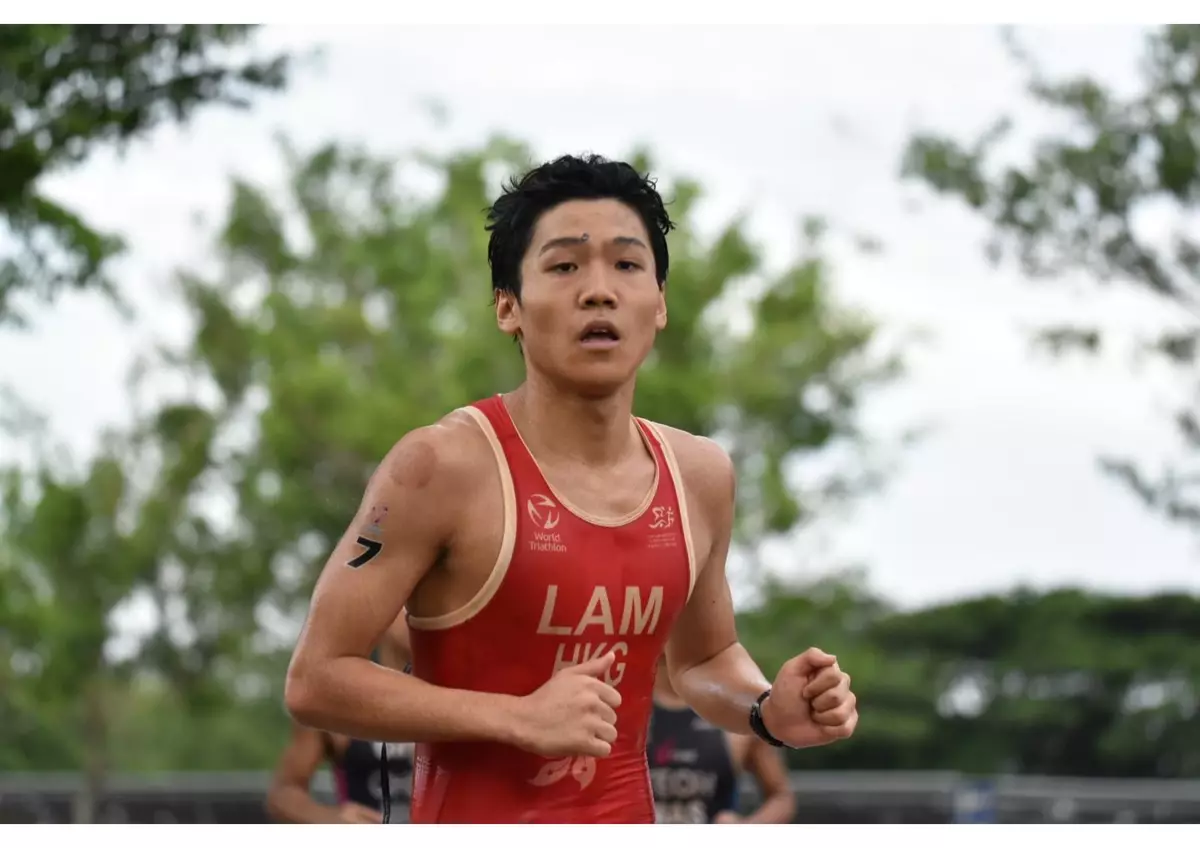
Triathlete Lam Lok-shi, Photo source: Lingnan University

Triathlete Lam Lok-shi, Photo source: Lingnan University

Tenpin bowler Amen Yuen Cheuk-hin: Yuen represented the Hong Kong SAR at the 21st and 22nd Asian Junior Tenpin Bowling Championships in 2022 and 2023, where he and his teammates won the Champion and 2nd Runner-up titles in the Boys' Team of four. He was also the 1st Runner-up in the U22 Division at the U22 Hong Kong Storm Cup 2025. He will enrol in Year 3 of the Bachelor of Social Sciences (Honours) in Sports Coaching and Event Management programme.
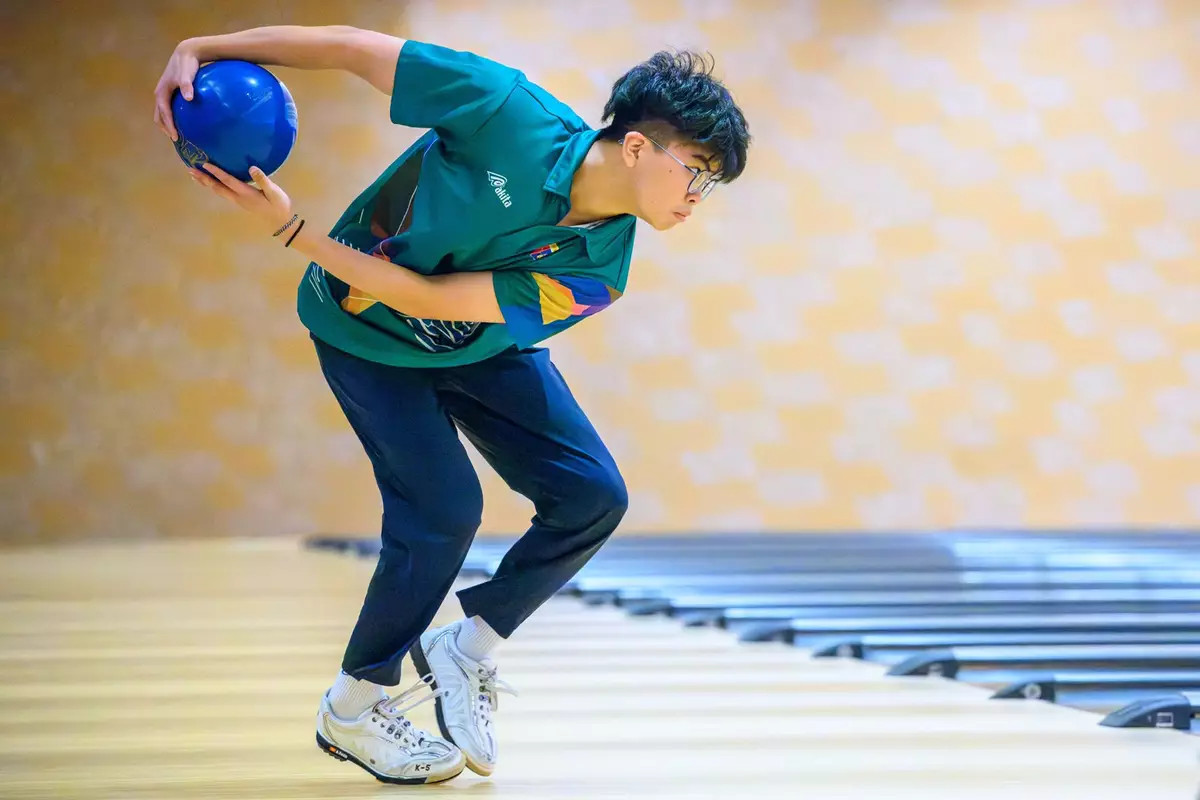
Tenpin bowler Amen Yuen Cheuk-hin, Photo source: Lingnan University

Tenpin bowler Amen Yuen Cheuk-hin, Photo source: Lingnan University

High jumper Hui Chi-man: Active in track and field, Hui competed in the 2025 All China Youth (U18) Athletics Championships, coming 14th in the Men’s U18 High Jump. He will enrol in Year 1 of the Bachelor of Arts (Honours) in Philosophy programme.
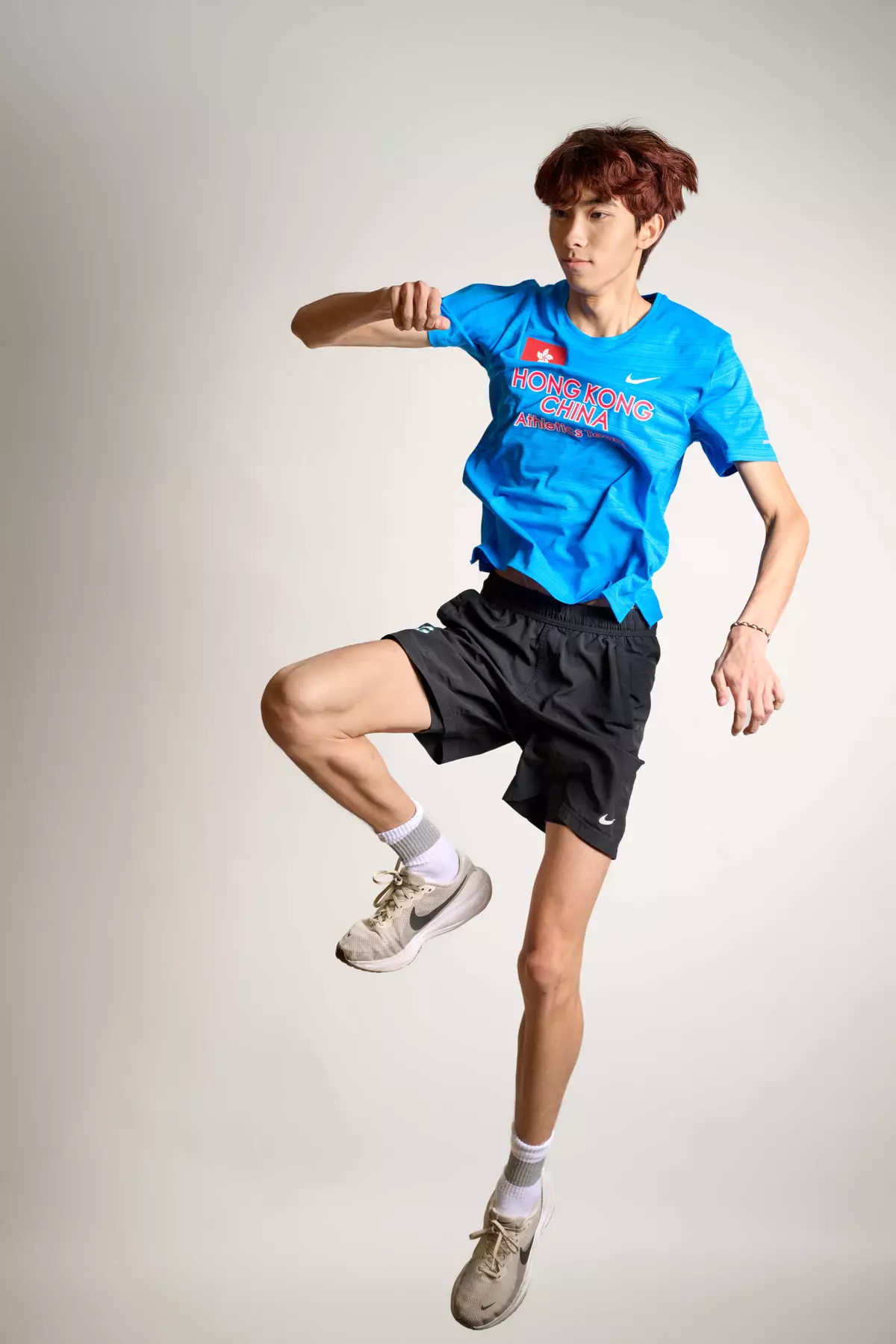
High jumper Hui Chi-man, Photo source: Lingnan University

High jumper Hui Chi-man, Photo source: Lingnan University

Each elite athlete admitted through Lingnan’s SALSA Scheme will receive an allowance of up to HK$400,000 to cover tuition fees, learning and living expenses, accommodation costs, and expenses for the Chinese Mainland or overseas exchanges. They will also benefit from physiotherapy, medical care, and additional insurance coverage to ensure their well-being.

Furthermore, to accommodate the student-athletes’ training and competition schedules, designated staff from the Office of Student Affairs will provide one-stop dedicated support from admission to graduation. This includes priority course registration and flexible learning and examination arrangements, as well as career planning advice to help them explore diverse professional pathways beyond sports.


As artificial intelligence (AI) is gradually being integrated into various industries, human-AI collaboration has become a subject of significant concern. A joint study conducted by the Department of Psychology at Lingnan University found that while AI helps maintain employee performance during surges in workload, allowing it to autonomously decide when to take over and relinquish control may make it difficult for users to regain situational awareness, thereby increasing mental fatigue and even leading to human-machine conflict. Academics point out that enhancing the transparency of intelligent systems to help users understand AI decision-making logic, while ensuring humans retain control over task allocation, is essential for maintaining long-term performance and sound judgement. These findings have been published in the renowned interdisciplinary academic journal, International Journal of Human-Computer Interaction.

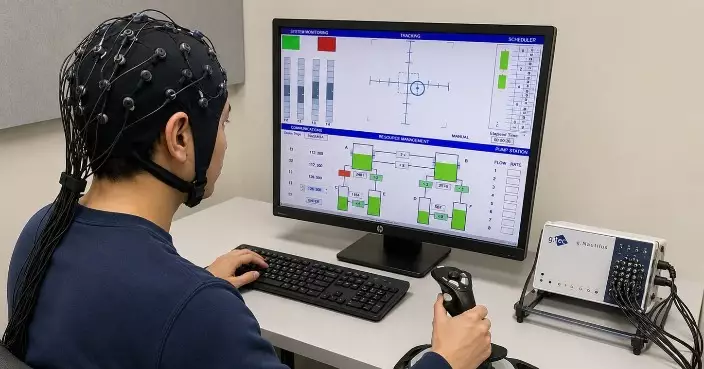
Lingnan research team uses the aviation industry as their research background, employing flight simulators to test different modes of human-machine collaboration. The team utilises the multi-attribute task battery (MATB), developed by NASA, to mimic work scenarios where operators have to multitask, and analyses how the distribution of decision-making and control authority between humans and intelligent systems affects safety, work efficiency, and user experience. Photo source: Lingnan University

Lingnan research team uses the aviation industry as their research background, employing flight simulators to test different modes of human-machine collaboration. The team utilises the multi-attribute task battery (MATB), developed by NASA, to mimic work scenarios where operators have to multitask, and analyses how the distribution of decision-making and control authority between humans and intelligent systems affects safety, work efficiency, and user experience. Photo source: Lingnan University

Led by Prof Jie (Jay) Xu, Director of the Lingnan University Cognitive Science Research Centre and Associate Professor of the Department of Psychology, the research team used the aviation industry for their research background, employing flight simulators to test different modes of human-machine collaboration. The team used the multi-attribute task battery (MATB), developed by NASA, to mimic work scenarios where operators have to multitask, and analysed how the distribution of decision-making and control authority between humans and intelligent systems affects safety, work efficiency, and user experience.

The research team recruited 92 university students to participate in two rounds of practical testing, during which they were required to perform three tasks simultaneously within the simulation platform: tracking involving joystick manipulation, system monitoring, and resource management.

The first round of the experiment was designed to determine participants' baseline performance. When the workload surged, their performance in the tracking task, which requires continuous control and focus, dropped significantly, with accuracy falling from 76 per cent to 55 per cent. Meanwhile, other tasks, including system monitoring and resource management, remained largely unaffected. The team noted that these results suggest that, under high-pressure work conditions, employees allocate greater priority to discrete response-based tasks than to continuous monitoring tasks, leading to a noticeable decline in tracking performance.

In the second round, the team compared the impact of two different authority allocation strategies on work efficiency. The first was the human-led authority allocation (HLAA), where the operator decides when to delegate tasks to the intelligent system and when to retake control. The second was the shared authority allocation (ShAA), where the intelligent system automatically detects workload changes and proactively takes over or returns certain tasks.

The results showed that when the workload suddenly peaked or emergencies occurred, the ShAA helped alleviate human pressure, particularly by assisting with the tracking task, thereby preventing operators from being overwhelmed by the surge in workload and maintaining stable performance.

However, when the workload decreased, the HLAA resulted in superior performance. The team pointed out that when an intelligent system takes over autonomously, the operator may become detached from the actual operation, and when the system subsequently returns control, they may not be able to regain situational awareness immediately, leading to a temporary decline in performance. Allowing humans to decide for themselves when to hand over or reclaim control helps maintain control over the work situation and reduces unnecessary human-machine authority conflict.

The study also found that in long-duration work scenarios, participants using the ShAA experienced higher levels of fatigue in the latter stages of the experiment. Their fatigue scores were considerably higher than those in the human-dominant group, indicating that a higher degree of automation does not necessarily equate to a lower mental workload.

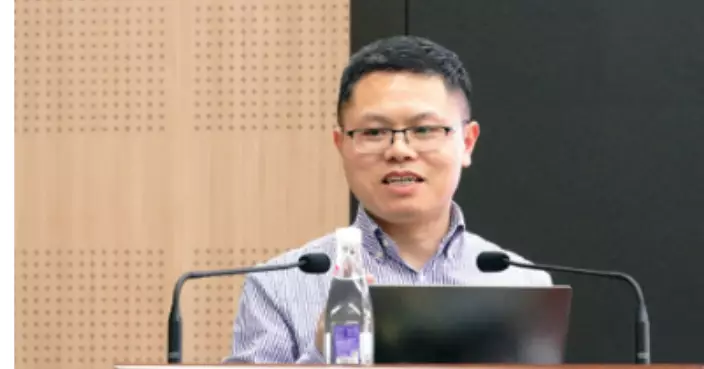
Prof Jay Xu Jie, Director of the Lingnan University Cognitive Science Research Centre and Associate Professor of the Department of Psychology, Photo source: Lingnan University

Prof Jay Xu Jie, Director of the Lingnan University Cognitive Science Research Centre and Associate Professor of the Department of Psychology, Photo source: Lingnan University

Prof Jie (Jay) Xu pointed out that while the intention of introducing intelligent systems is to assist humans in efficiently processing vast amounts of data and handling complex tasks, this study reveals that it is a misconception to assume that higher levels of automation will always make work easier, more efficient, or lead to better performance. This is especially true when AI determines when to take over, as operators must continuously monitor system operations, understand its decision-making logic, and anticipate its next moves. These additional cognitive demands may increase mental effort. Furthermore, the root cause of human-machine conflict may not be related to AI capability.

Prof Xu stated, "If an intelligent system fails to explain the rationale behind authority transfer to the user clearly, it is easy to create a cognitive gap between the human and the machine, which impairs collaboration. Future intelligent system design should place greater emphasis on transparency and human-machine communication mechanisms. This would allow users to understand system status and decision-making reasons, and adjust the authority allocation mechanism flexibly, based on the work context. This balance between automation efficiency and human authority is key to reducing human-machine conflict."

He also noted that these findings provide vital reference value for various industries, including in future flight deck design, remote operations, intelligent transportation, and human-machine collaboration scenarios involving high-risk decision-making.

Co-authors of the paper are Dr Ge Xianliang and Prof Song Xiaolei from Shaanxi Normal University; Dr Xu Hanlin, Dr Zhang Ke, and Dr Hao Ni from Zhejiang University.
 
For the full research paper, please visit: https://www.tandfonline.com/doi/full/10.1080/10447318.2026.2647133#abstract

Recommended Articles