DH responds to enquiries regarding Hong Kong Childhood Immunisation Programme
In response to media enquiries regarding the Hong Kong Childhood Immunisation Programme (HKCIP), the Centre for Health Protection (CHP) of the Department of Health (DH) today (August 11) emphasised that all public health policies and medical recommendations must be based on scientific evidence. Vaccination schedules should not be altered arbitrarily without reliable scientific data or medical research supporting such changes, in order to avoid posing significant and irreversible public health risks to children. Since delaying vaccinations reduces protection against relevant infectious diseases, the CHP reminds parents to arrange for their children to receive vaccinations in accordance with the HKCIP to ensure comprehensive and timely protection.
The Centre for Health Protection, Photo source: reference image
Hong Kong has implemented the HKCIP since the 1960s, providing immunisation services to children through the DH's Maternal and Child Health Centres (MCHCs) and School Immunisation Teams. Currently, based on the recommendations of the Scientific Committee on Vaccine Preventable Diseases (SCVPD) under the CHP, infants from birth to students of Primary Six should receive multiple vaccines and booster doses under the HKCIP to prevent tuberculosis, poliomyelitis, hepatitis B, diphtheria, pertussis, tetanus, pneumococcal infection, chickenpox, measles, mumps and rubella (also known as "German Measles"). Besides, the HKCIP provides the human papillomavirus vaccinations to eligible Primary schoolgirls to prevent cervical cancer. In addition to immunising children, the Government also provides vaccination services to high-risk groups against seasonal influenza, pneumococcal infection and COVID-19 infection.
"The Government has consistently promoted childhood vaccinations on all fronts. The SCVPD under the CHP makes recommendations on the HKCIP from a public health perspective. Thanks to the trust and support of parents, schools and the healthcare professionals towards the HKCIP over the years, immunisation coverage has remained extremely high, successfully keeping the incidence of related childhood infectious diseases in Hong Kong at extremely low levels. With the help of vaccines, smallpox was eradicated globally in 1980, and poliomyelitis was eliminated in Hong Kong in 2000. Measles and rubella were successful eliminated in Hong Kong in 2016 and 2021 respectively," the Controller of the CHP, Dr Edwin Tsui, said.

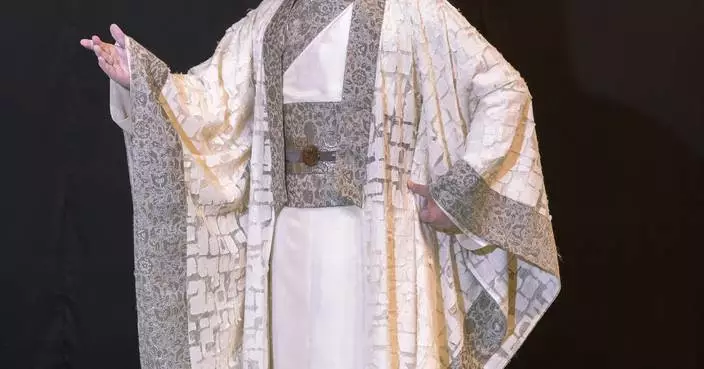
The Controller of the CHP, Dr Edwin Tsui, Photo source: HKSAR Government Press Releases
Combined Measles, Mumps and Rubella (MMR) vaccine
------------------------------------------------------------------------
Under the HKCIP, children receive the combined MMR vaccine at 12 months, followed by the Measles, Mumps, Rubella and Varicella (MMRV) vaccine at 18 months. All of the currently used vaccines are combination vaccines. Extensive international and local scientific data confirm that both types of combination vaccines are safe and effective, providing sufficient protection against the infectious diseases they cover. In addition, combination vaccines have the advantage of reducing the number of injections children need to receive and significantly lowering the risk of missed doses. These combination vaccines are currently widely used around the world. Since 1990, Hong Kong has provided the combined MMR vaccine to all one-year-old children and introduced a two-dose MMR vaccination schedule in 1996, resulting in a significant decline in the number of related disease cases. According to immunisation coverage rates among primary school students and regular territory-wide immunisation coverage surveys conducted by the DH, the MMR and MMRV vaccination coverage has remained well above 95 per cent, while the local seroprevalence rates of measles antibodies reflect that the vast majority of the public in Hong Kong are immune to measles.
Measles remains endemic in many parts of the world. Over the past two years, a substantial upward trend has been observed in the number of measles cases in multiple regions, with large-scale outbreaks persisting due to the relatively low vaccination rate. This has led to a resurgence of community transmission in some countries that had previously eliminated measles, serving as a wake-up call that we must continue to maintain high overall vaccination rates to ensure herd immunity. Overseas cases mainly affected people who were unvaccinated or had unknown vaccination status, underscoring the importance of keeping up a high vaccination rate and herd immunity. As Hong Kong's vaccination coverage has consistently remained at a high level, the number of imported cases recorded in the city over the past two years has not risen significantly as a result, and the city has successfully maintained its measles-eliminated status to date.
Hepatitis B vaccine
----------------------
According to the World Health Organization's recommendations, receiving the hepatitis B vaccine at birth and completing the three-dose series as scheduled are crucial measures for preventing infection and reducing the public health burden of hepatitis B.
Hong Kong's current hepatitis B vaccination coverage rate among pre-school children stands at 99 per cent. According to the Population Health Survey 2020-22, prevalence of hepatitis B among those born after the introduction of the universal childhood hepatitis B immunisation programme in 1988 has dropped to below one per cent, reflecting Hong Kong's successful progress towards realising the goal of "hepatitis B-free generation". The provision of hepatitis B vaccination to newborns has been instrumental in this achievement.
COVID-19 and seasonal influenza vaccines
------------------------------------------------
Scientific evidence shows that vaccination is one of the most effective means to prevent severe cases of seasonal influenza and COVID-19 as well as their complications. The vaccines can significantly reduce the risks of in-patient admission and mortality. Therefore, the CHP urged members of the public, particularly high-risk groups such as the elderly, children, and adults with underlying illnesses or immunosuppression, to receive vaccination timely to protect their personal health and reduce the risk of serious complications and death from infection.
Parents of preschool children who have not yet received the age-appropriate vaccines are urged to make an appointment at their registered MCHCs as soon as possible, or consult their family doctors to arrange vaccination. New immigrants to Hong Kong or those recently arrived in Hong Kong, as well as their children, who are unsure of their immunisation status or have not completed their vaccination series, are advised to complete any missing doses before arrival to prevent infectious diseases such as measles, chickenpox, and hepatitis B.
The DH will continue to work with the SCVPD to monitor the situation regarding various vaccine-preventable diseases and scientific developments regarding new vaccines. Experts will be consulted as needed to review and update the vaccines recommendations in a timely manner.
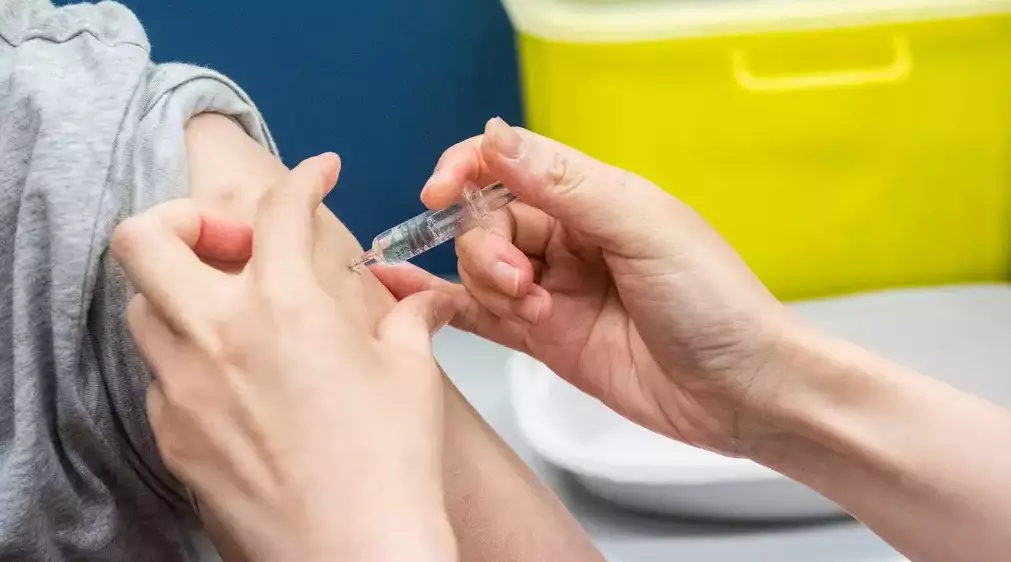
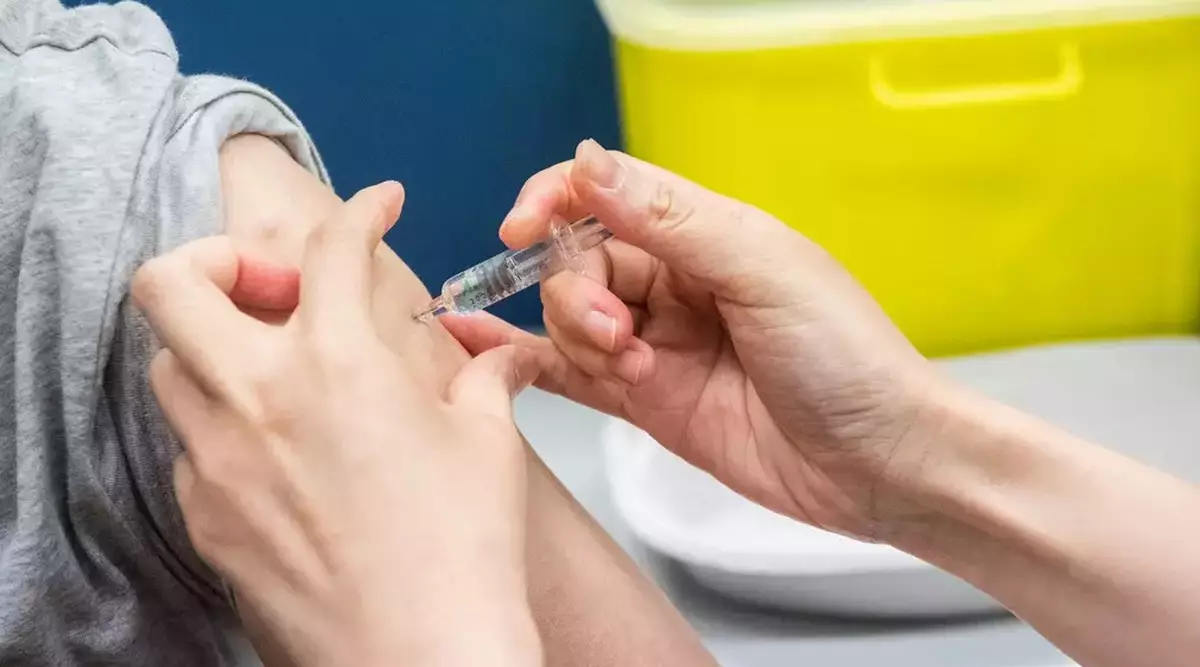
Vaccine injection, Photo source: reference image
Speech by SCED at "Hong Kong: Your Strategic Springboard to Chinese Mainland and Malaysia" business seminar and networking lunch in Kuala Lumpur
Following is the speech by the Secretary for Commerce and Economic Development, Mr Algernon Yau, at the "Hong Kong: Your Strategic Springboard to Chinese Mainland and Malaysia" business seminar and networking lunch in Kuala Lumpur today (August 12):
YB Sim (Deputy Minister of Investment, Trade and Industry, Mr Sim Tze Tzin), Mr Shamsul (Chief Executive Officer of the Malaysian Investment Development Authority, Mr Sikh Shamsul Ibrahim Sikh Abdul Majid), distinguished guests, ladies and gentlemen,
Good morning. It is a great pleasure to join you all here in Kuala Lumpur for this important event.
First, let me extend my warmest welcome to our friends from Malaysia, the Chinese Mainland and Hong Kong. We are honoured to have with us today so many esteemed business leaders, investors, professionals and pioneers from various fields. Your presence here speaks volumes about the shared ambition and the deep economic ties that bind these three economies.
I have always loved visiting Malaysia, both for business and for leisure. This is my second visit in 2026 and fourth visit to the country during this term of Government, reflecting the significance of this market and how much I value the connections I have built here.
Hong Kong and Malaysia have enjoyed close business ties for decades, with Malaysia being Hong Kong's eighth-largest trading partner. With our strong ties, both of our economies are growing rapidly. In the first quarter this year, Hong Kong's economy recorded its most substantial quarterly expansion in this decade, with GDP (Gross Domestic Product) surging 5.9 per cent year-on-year as driven by the strong export performance. Malaysia has also turned in an impressive first-quarter result, expanding 5.4 per cent and exceeding market expectations for the second quarter in a row. Also, bilateral trade between our economies amounted to US$21.5 billion in the first 10 months of last year.
These figures clearly demonstrate that our bilateral relations possess genuine dynamism and mutualism. It is therefore imperative that we continue to explore and develop new avenues for economic growth, which is the very purpose of our presence here.
Hong Kong has always been serving as a "super connector" and a "super value-adder" connecting the East and the West, and bringing together both capital and opportunities. With this strategic role, coupled with the many strengths of Hong Kong, Hong Kong is prepared to serve as the ideal springboard linking the Chinese Mainland and Malaysia.
For Chinese Mainland companies looking to go global, Hong Kong is your ideal launch pad, as we offer a unique combination of advantages that no other city can replicate: the practice of the common law system, the free flow of capital, a simple and low tax regime, world-class professional services, a quality pool of international talent, and sophisticated business networks for trade and investment. And these are some advantages on top of our international reputation as the freest economy and one of the most competitive cities in the world.
As such, Hong Kong is in the best position to assist Chinese Mainland enterprises to expand overseas businesses.
To turn this vision into reality, I am leading the GoGlobal Task Force (Task Force on Supporting Mainland Enterprises in Going Global) which was set up last October, providing a one-stop platform and tailored support services for Chinese Mainland enterprises to expand into overseas markets, including Malaysia. The GoGlobal Task Force provides Chinese Mainland enterprises with Hong Kong's world-class professional services including legal, accounting, testing and certifications. We assist them to set up the necessary corporate functions like regional headquarters and corporate treasury centres, raising funds for overseas expansion, and building strong reputation in the international market, thereby getting them ready for international business development. With our broad business networks, we also curate introductions to established Malaysian industry players, trade associations, and government agencies, to accelerate the trust-building process essential for successful partnerships and encourage knowledge exchanges between the two places.
In addition, the GoGlobal Task Force organises various outbound missions to enable Chinese Mainland enterprises planning to visit target overseas markets to gain a better understanding of the local market situation. The Kuala Lumpur mission this time round is one of them.
This time I am bringing a delegation of representatives from Hong Kong and Chinese Mainland enterprises spanning across sectors such as finance, professional services, healthcare, automobile and innovation and technology. They are here to meet with and establish collaboration and partnerships with the Malaysian business community, thereby enhancing mutual benefits and opportunities.
The go global initiative will create vast opportunities for Malaysian businesses and industries to join hands with Chinese Mainland counterparts wishing to establish a presence in Malaysia. For instance, Malaysian business and professional service providers will benefit from the new demand for services from incoming Chinese Mainland enterprises. Enterprises from both countries can form joint ventures and partnerships to jointly expand businesses in Malaysia and across the ASEAN (Association of Southeast Asian Nations) region, or reciprocally venture into the Chinese Mainland market. The key is that, we see new opportunities arising from collaboration and investment from Chinese Mainland companies, and this collaboration will translate into stronger bonding and mutual benefits that will be a win-win outcome for both countries.
Additionally, Hong Kong will always serve as the premium gateway for Malaysian companies to enter the vast Chinese Mainland market. Hong Kong has established deep connections with the Chinese Mainland, particularly through the Mainland and Hong Kong Closer Economic Partnership Arrangement (CEPA). CEPA is nationality-neutral and does not impose any restrictions on the source of investments. A foreign company may also establish itself in Hong Kong, optimise its business with Hong Kong's comprehensive professional services, and gain convenient access to the Chinese Mainland market.
Besides, we are proactively driving the 30 000-hectare Northern Metropolis development, which will serve as a strategic location to foster the growth of strategic industries and economic opportunities. We also introduce preferential policy packages covering concessionary land premium, land grant and tax incentive to attract strategic industries and enterprises to establish a presence in Hong Kong.
I sincerely encourage you all to leverage the new opportunities in Hong Kong. Our newly-established Hong Kong Economic and Trade Office in Kuala Lumpur (Kuala Lumpur ETO) will provide you with all the necessary advice and support.
Ladies and gentlemen, Hong Kong is fully committed to facilitating two-way investment flows between our two economies. With the opening of the Kuala Lumpur ETO, and with events like this one today, we are building the bridges that will connect businesses and opportunities, and elevate the partnership and mutual prosperity of Malaysia and Hong Kong to a new level.
I wish you a productive seminar, a fruitful networking lunch, and many long-lasting partnerships to come.
Thank you.

Source: AI-found images