ISLAMABAD (AP) — Mountaineers, diplomats and members of civil society gathered in Pakistan’s capital Tuesday evening for a candlelight vigil honoring 10 climbers killed in an avalanche on Broad Peak, as rescuers described an arduous mission to bring their fellow climbers down from one of the world’s highest mountains.
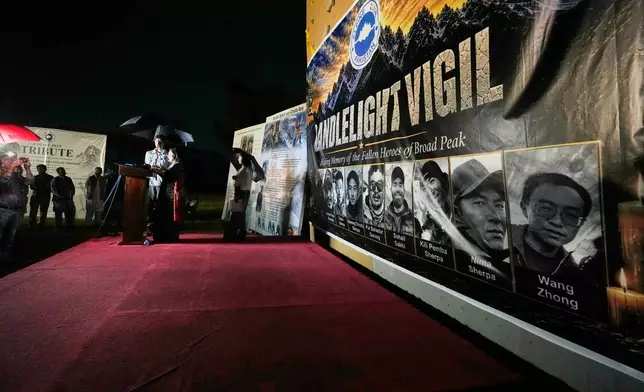
Rain fell as mourners lit candles and prayed for the dead, shielding the flickering flames from the downpour as they gathered on the open lawns of a sports complex in Islamabad to remember the climbers who never returned from the mountain.
Click to Gallery
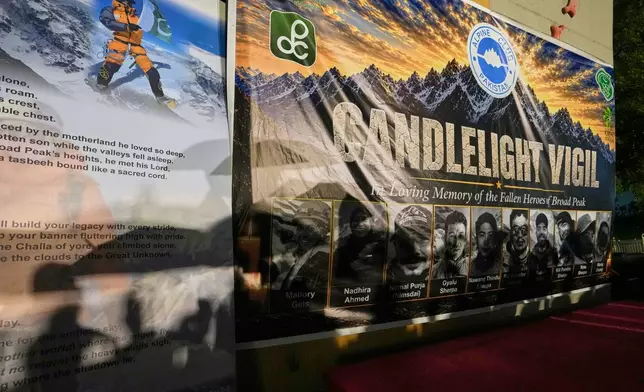
Participant's shadows visible over an poster with the pictures of 10 climbers who lost their lives on Broad Peak during a candlelight vigil in their memory, in Islamabad, Pakistan, Tuesday, Aug. 11, 2026. (AP Photo/Anjum Naveed)
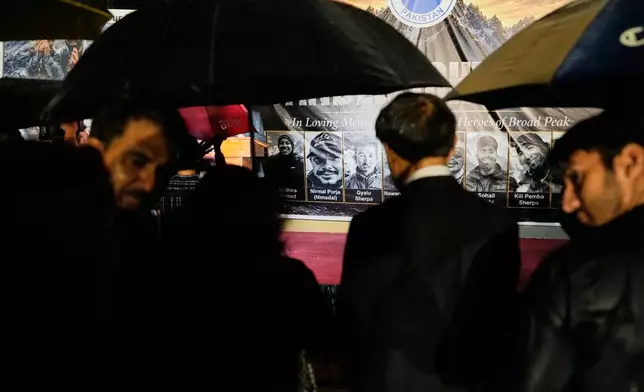
People attend a candlelight vigil in memory of 10 climbers who lost their lives on Broad Peak, in Islamabad, Pakistan, Tuesday, Aug. 11, 2026. (AP Photo/Anjum Naveed)
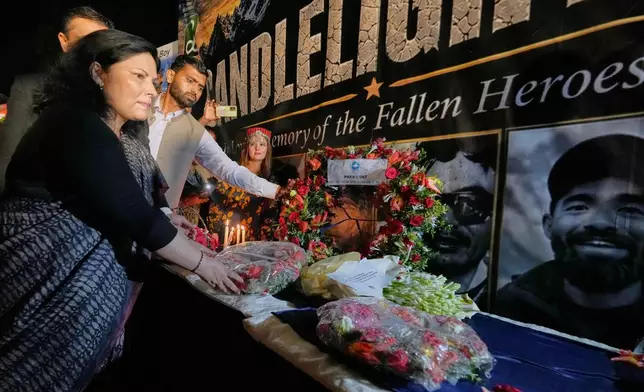
Nepalese Ambassador to Pakistan Rita Dhital, left, and others place flowers next to pictures of climbers who lost their lives on Broad Peak, during a candlelight vigil in their memory, in Islamabad, Pakistan, Tuesday, Aug. 11, 2026. (AP Photo/Anjum Naveed)
Nepalese Ambassador to Pakistan Rita Dhital, center, delivers her speech during a candlelight vigil in memory of 10 climbers who lost their lives on Broad Peak, in Islamabad, Pakistan, Tuesday, Aug. 11, 2026. (AP Photo/Anjum Naveed)
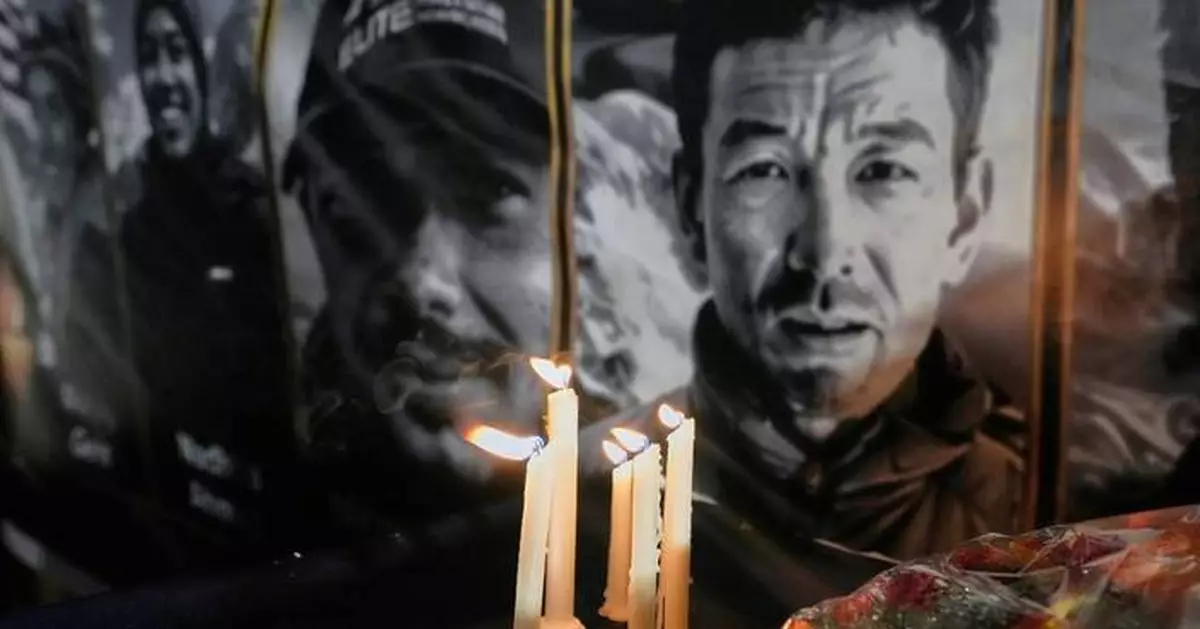
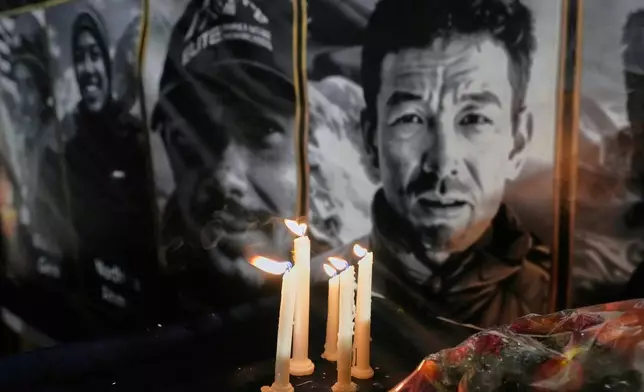
Candles burn next to pictures of climbers who lost their lives on Broad Peak during a candlelight vigil in their memory, in Islamabad, Pakistan, Tuesday, Aug. 11, 2026. (AP Photo/Anjum Naveed)
The vigil came days after search teams ended an operation that recovered the remains of eight climbers. Two bodies have not yet been recovered.
Among the dead was renowned British-Nepali mountaineer Nirmal Purja. Nepal lost six climbers in the July 30 disaster, when a massive avalanche struck an international expedition.
Nepal’s ambassador to Pakistan, Rita Dhital, joined the vigil and paid tribute to the climbers as candles were lit in their memory. She recalled meeting Purja at her Islamabad home before the expedition and said he would often tell her, “Giving up is not in my blood.”
She thanked Pakistani climbers and rescuers who went onto the mountain in dangerous weather to search for the missing climbers and recover their bodies. Dhital particularly praised renowned Pakistani mountaineer Sirbaz Khan, who led the recovery team, as well as the Alpine Club of Pakistan, the military and government officials involved in the operation.
The bodies of all six Nepalese climbers have been returned to their families, she said.
Khan told The Associated Press that he and his team had set out hoping they would find the missing climbers alive. “I had hoped that I would hug them after finding them alive,” he said. Instead, the rescuers found climbers buried beneath the avalanche. Khan said the team used shovels to dig through the snow and pull out the bodies one by one.
Seeing fellow mountaineers dead on the mountain was difficult, he said, but the rescuers composed themselves and began the equally difficult task of bringing the bodies down, using ropes and makeshift stretchers. Khan said he remained deeply saddened by the deaths but took some solace in knowing that families who had waited desperately for news were able to receive the remains of their loved ones.
Irfan Arshad Khan, president of the Alpine Club of Pakistan and no relation to the rescuer, said the remains of seven climbers, including all six from Nepal, had been repatriated. He said bad weather repeatedly prevented helicopters from reaching the accident site, forcing rescuers to continue much of the search and recovery operation on foot. Eight bodies were eventually brought to a location from where they could be airlifted, he said.
“We have gathered here today to commemorate the passing of our great comrades,” Khan told those attending the vigil. He said the days following the avalanche tested not only the endurance of those searching the mountain but also the courage of rescuers who continued on foot when helicopters could not reach them.
The international expedition included climbers from Nepal, Oman, Pakistan, China, Britain and the United States.
Broad Peak, which rises 8,051 meters (26,414 feet) above sea level in the Karakoram range, is the world’s 12th-highest mountain and lies near K2, the world’s second-highest peak.
Mountaineering accidents are common in northern Pakistan, home to some of the world’s highest mountains.
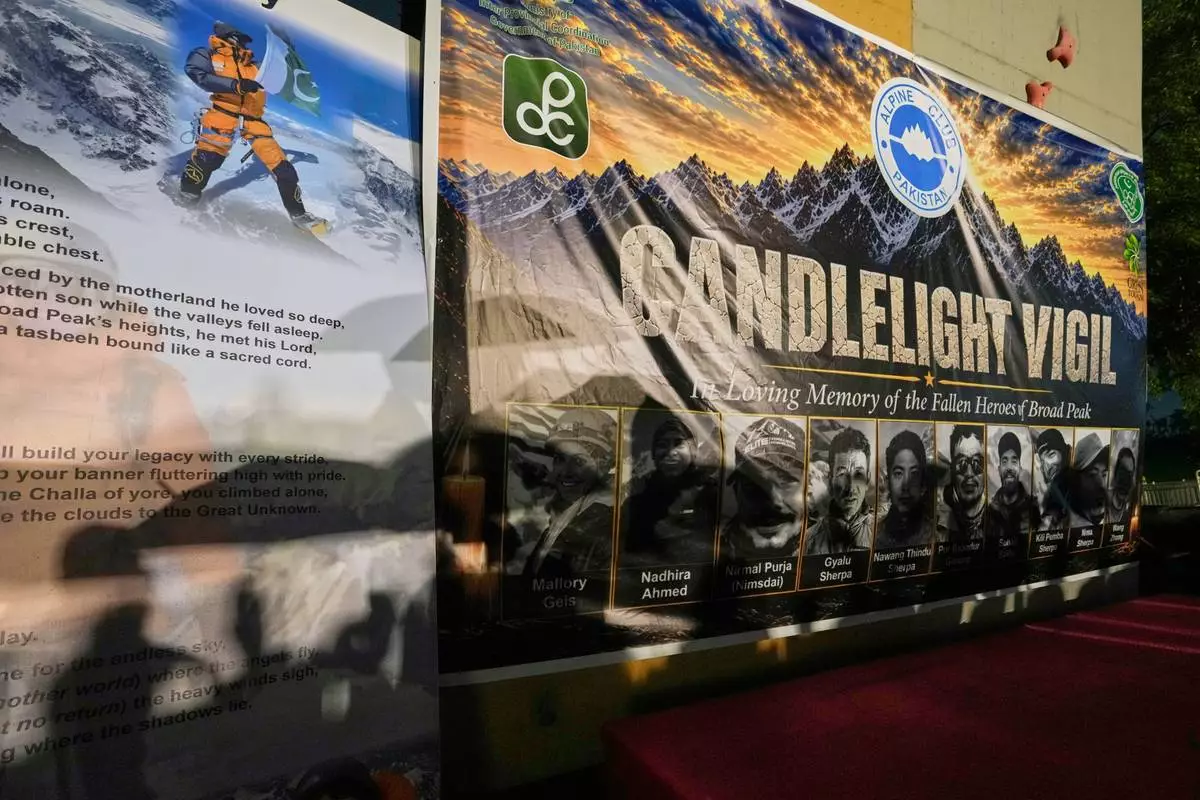
Participant's shadows visible over an poster with the pictures of 10 climbers who lost their lives on Broad Peak during a candlelight vigil in their memory, in Islamabad, Pakistan, Tuesday, Aug. 11, 2026. (AP Photo/Anjum Naveed)
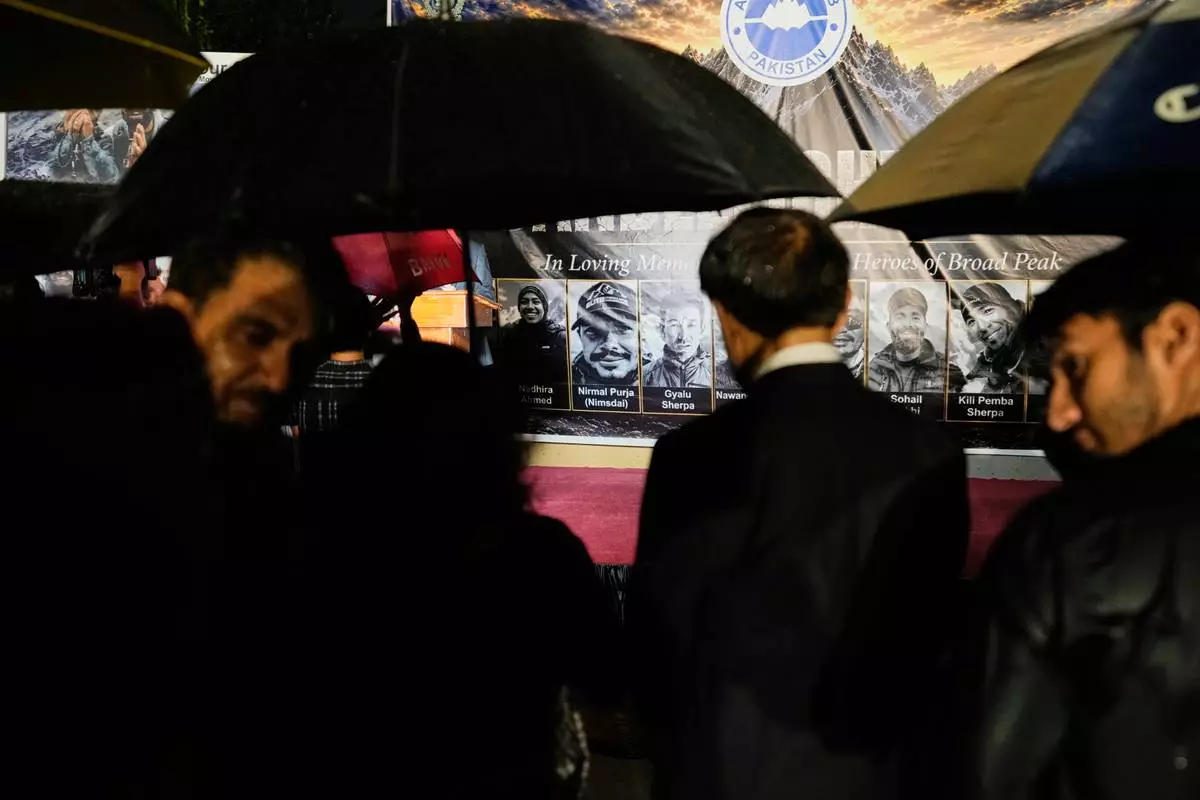
People attend a candlelight vigil in memory of 10 climbers who lost their lives on Broad Peak, in Islamabad, Pakistan, Tuesday, Aug. 11, 2026. (AP Photo/Anjum Naveed)
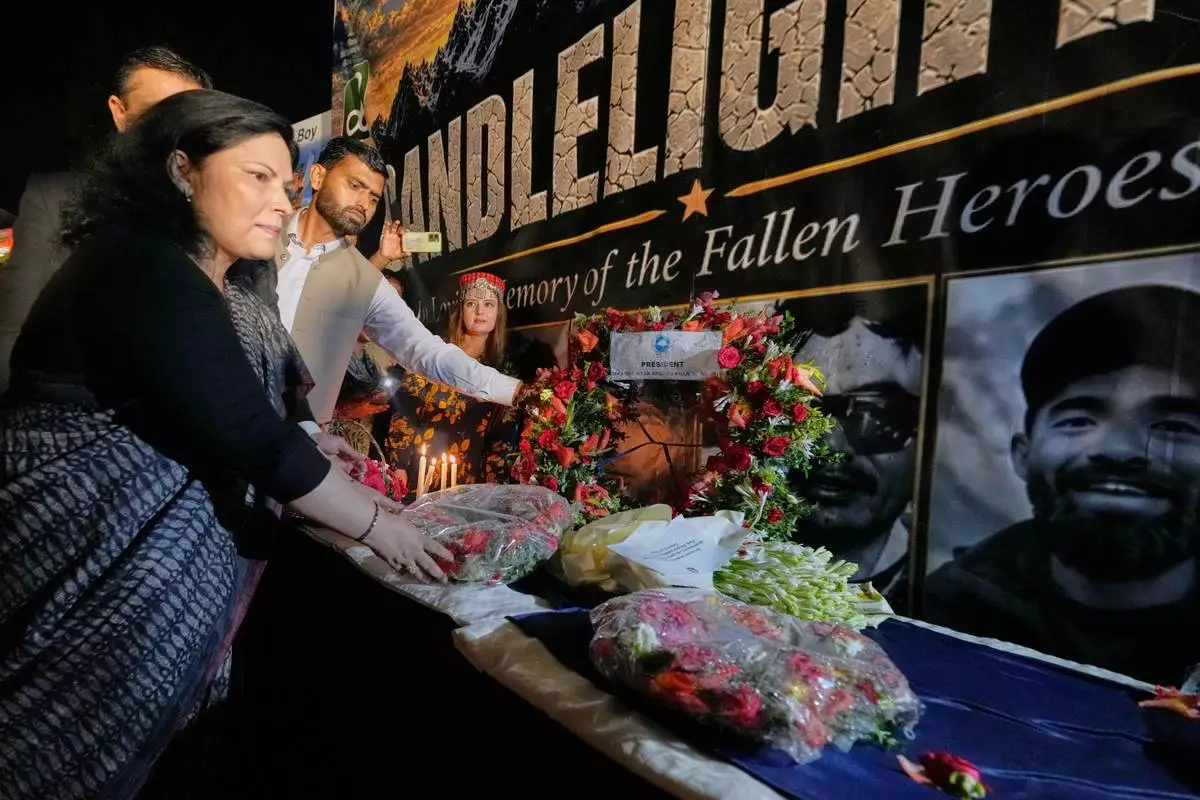
Nepalese Ambassador to Pakistan Rita Dhital, left, and others place flowers next to pictures of climbers who lost their lives on Broad Peak, during a candlelight vigil in their memory, in Islamabad, Pakistan, Tuesday, Aug. 11, 2026. (AP Photo/Anjum Naveed)
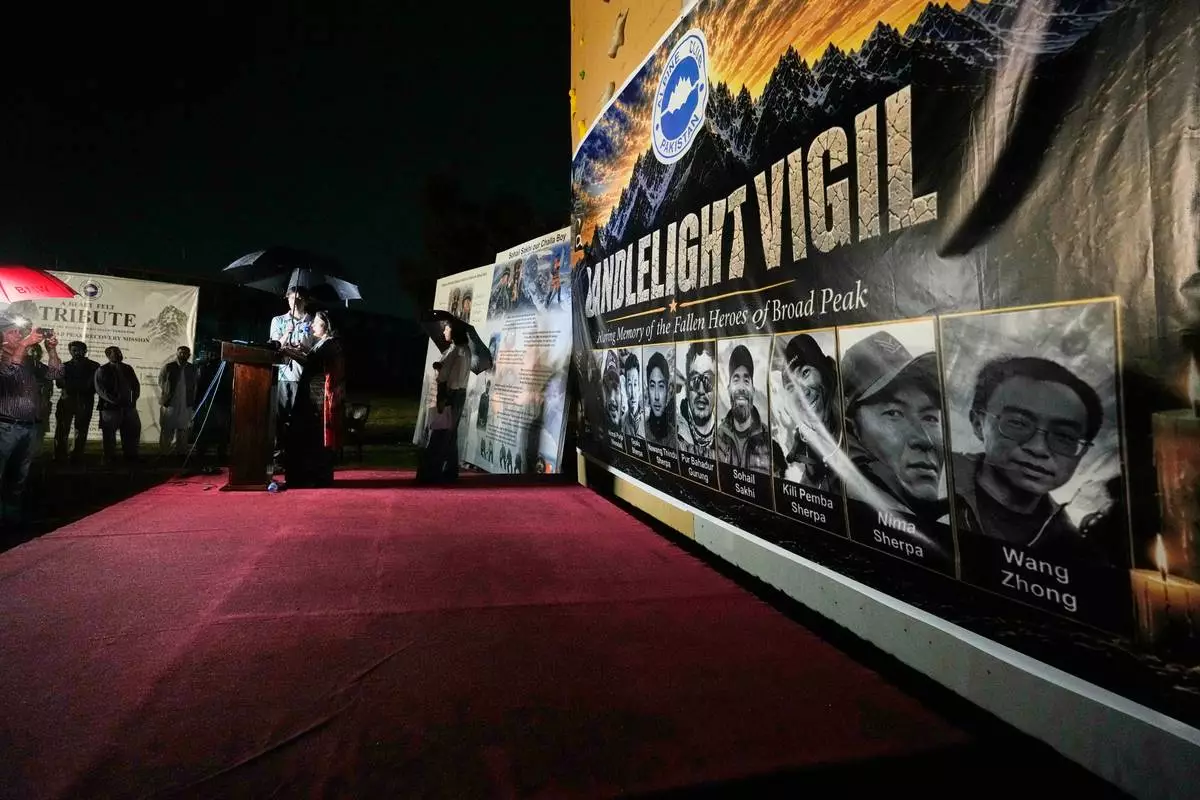
Nepalese Ambassador to Pakistan Rita Dhital, center, delivers her speech during a candlelight vigil in memory of 10 climbers who lost their lives on Broad Peak, in Islamabad, Pakistan, Tuesday, Aug. 11, 2026. (AP Photo/Anjum Naveed)
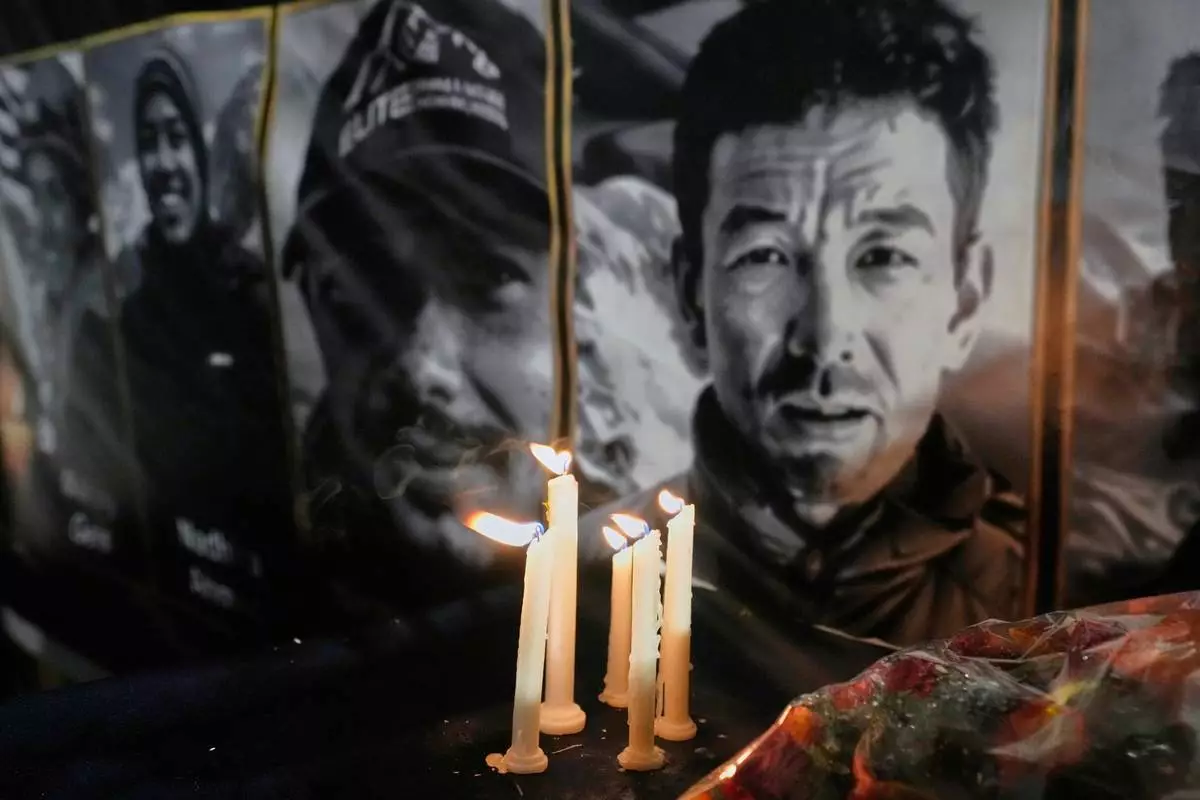
Candles burn next to pictures of climbers who lost their lives on Broad Peak during a candlelight vigil in their memory, in Islamabad, Pakistan, Tuesday, Aug. 11, 2026. (AP Photo/Anjum Naveed)
MADISON, Wis. (AP) — The Wisconsin police officer who shot and killed a 38-year-old Black man in Madison in July acted reasonably and will not face criminal charges, a prosecutor announced Thursday, drawing immediate condemnation from the victim’s family members and community advocates.
The shooting of Corey Ruiz, which was captured on video, sparked racial justice protests and calls for police reform. City leaders braced for more protests in the hours after the decision not to charge the officer, who is white.
The victim’s brother, Adam Ruiz, told reporters the prosecutor had “mistreated” his family.
“We’re destroyed,” he said. “We won’t accept this.”
Dane County District Attorney Ismael Ozanne said Ruiz resisted officers, produced a knife and was unaffected by multiple Taser rounds immediately before officer Kiel Baitinger-Peterson shot and killed him on July 22. Under those circumstances, it was “reasonable for the officer to use deadly force,” and there was no “potential criminal court liability,” the district attorney concluded.
Ozanne said he reached his decision after reviewing police reports, diagrams, surveillance videos, police squad car videos and citizen videos. Madison police officers do not wear body cameras.
Civil rights attorney Ben Crump, who represents the Ruiz family, said there was nothing in the videos that justified the shooting.
“In the video you see they tackle him, they tase him, they kick him and then the police officer executes him,” Crump said at a news conference, surrounded by Ruiz's family. “The video is the objective unbiased witness here.”
Crump said it is one of the worst cases of excessive force that he has worked on.
“When you are shooting a man who is on the ground, three (times). It hits him in his chest and the kill shot hits him in his head,” he said.
Crump said the medical examiner told the Ruiz family he would have survived had the third shot not been fired and hit him in the head.
Ozanne said his decision was a correct interpretation of the law.
“A person does not have to like and/or agree with the law, however I am sworn to apply the law to the facts at hand,” the prosecutor said. “The law applies equally to members of law enforcement and to those who are not.”
A couple of dozen people had gathered by 4 p.m. at the site of the shooting, which was marked by several bouquets of flowers on a busy Madison intersection. A candlelight vigil was planned for later Thursday night.
Baitinger-Peterson did not immediately reply to an email seeking comment.
He was one of four officers who responded to calls about someone checking out parked cars and an alleged burglary attempt on the day of the shooting, police said. They surrounded Ruiz, who was on a bicycle, in the middle of an intersection, tussling with him.
In police dash-camera video released by the Wisconsin Department of Justice Thursday, officers repeatedly yell, “He’s got a knife! He’s got a knife!” The weapon is clearly visible in Ruiz’s right hand, the blade pointed downward, as a fourth officer arrives and deploys a Taser. Ruiz stumbles and falls onto his right side before Baitinger-Peterson fires three shots at close range.
Baitinger-Peterson told investigators during an interview days after the shooting that he got on his knees and grabbed Ruiz’s right arm before realizing Ruiz was holding a knife, according to records released Thursday. He said he was struggling to control the arm and feared that Ruiz would stab the officers. He said he fired a third time because Ruiz’s facial expression and body did not change after the first two shots, leading him to believe they had not struck him.
Documents show Baitinger-Peterson had minor injuries to both hands.
Jim Palmer, executive director of the police union, the Wisconsin Professional Police Association, said the district attorney's decision was “supported by the evidence and consistent with the legal standards governing the use of force by law enforcement officers.”
It was the third time since 2012 that Madison police had shot and killed someone in the same neighborhood.
Baitinger-Peterson, who has more than a decade of experience in law enforcement, and the other three officers who interacted with Ruiz that day have been on paid administrative leave since the shooting. Madison Police Chief John Patterson said police will now conduct an internal review of the shooting. All of the officers involved will remain on administrative leave, he said.
Wisconsin Gov.-elect David Crowley called for any protests to remain peaceful, though he said in a video statement that Ruiz's killing was “deeply troubling.”
Noting he was the state's first Black governor-elect, he said such incidents were part of a longer history.
“The decision not to file charges does not end the conversation or resolve the questions this tragedy has raised,” he said.
Associated Press journalists Claudia Lauer in Philadelphia, Sudhin Thanawala in Atlanta and Gene Johnson in Seattle contributed to this report.
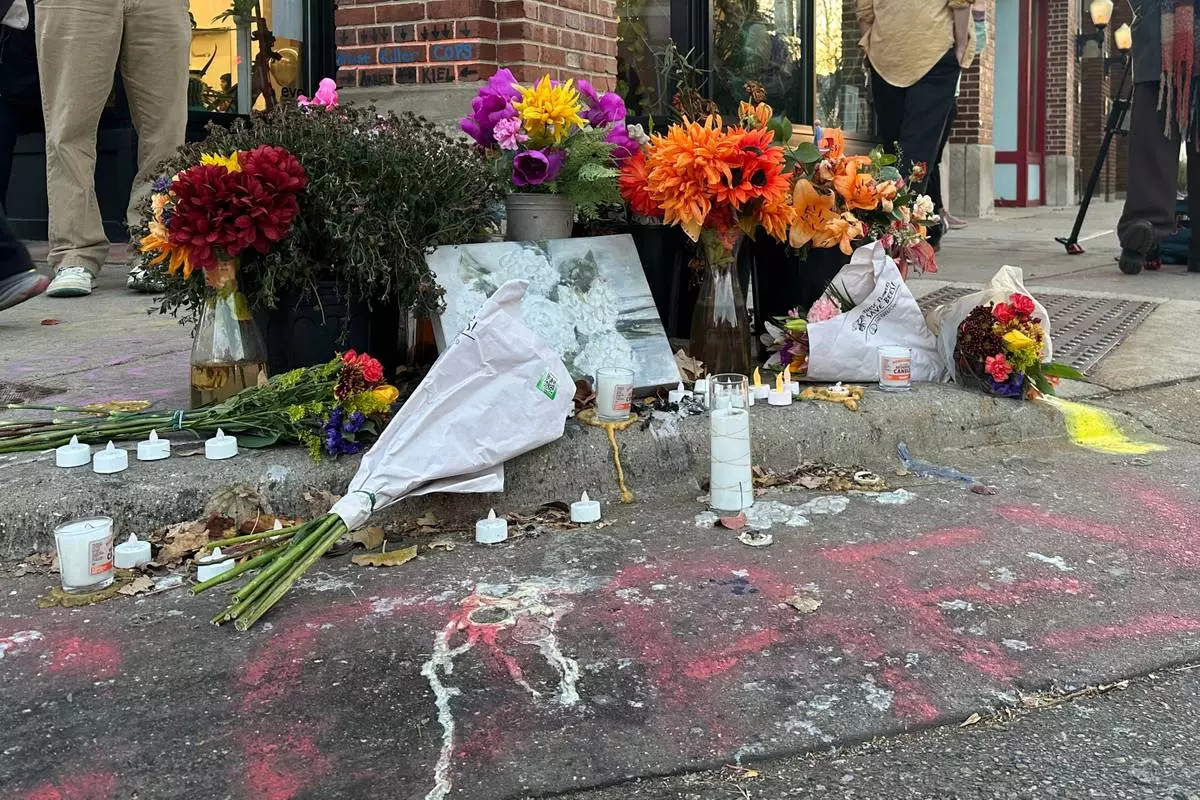
Flowers mark the spot near where Corey Ruiz was shot and killed by a Madison police officer after a prosecutor declined to file criminal charges on Thursday, Nov. 19, 2026, in Madison, Wis. (AP Photo/Scott Bauer) Photo taken with a mobile phone.
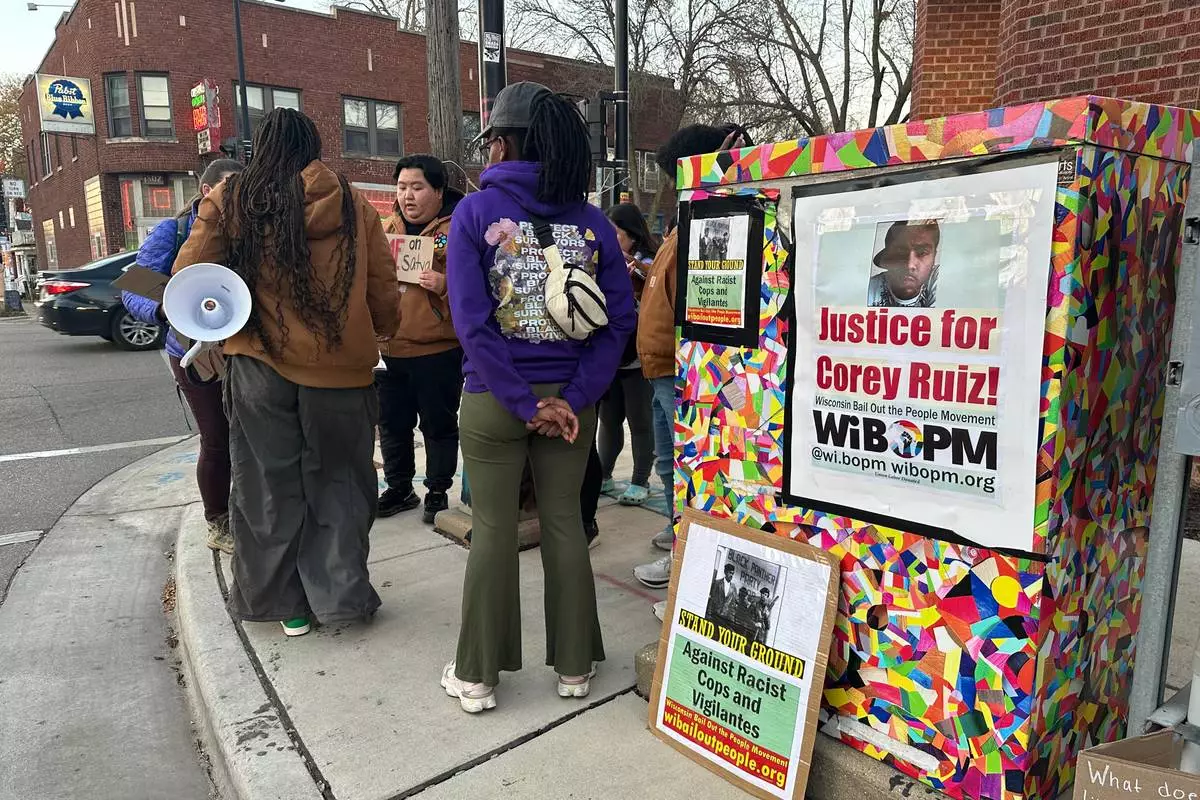
People congregate near the intersection where Corey Ruiz was shot and killed by a Madison police officer after a prosecutor declined to file charges on Thursday, Nov. 19, 2026, in Madison, Wis. (AP Photo/Scott Bauer) Photo taken with a mobile phone.
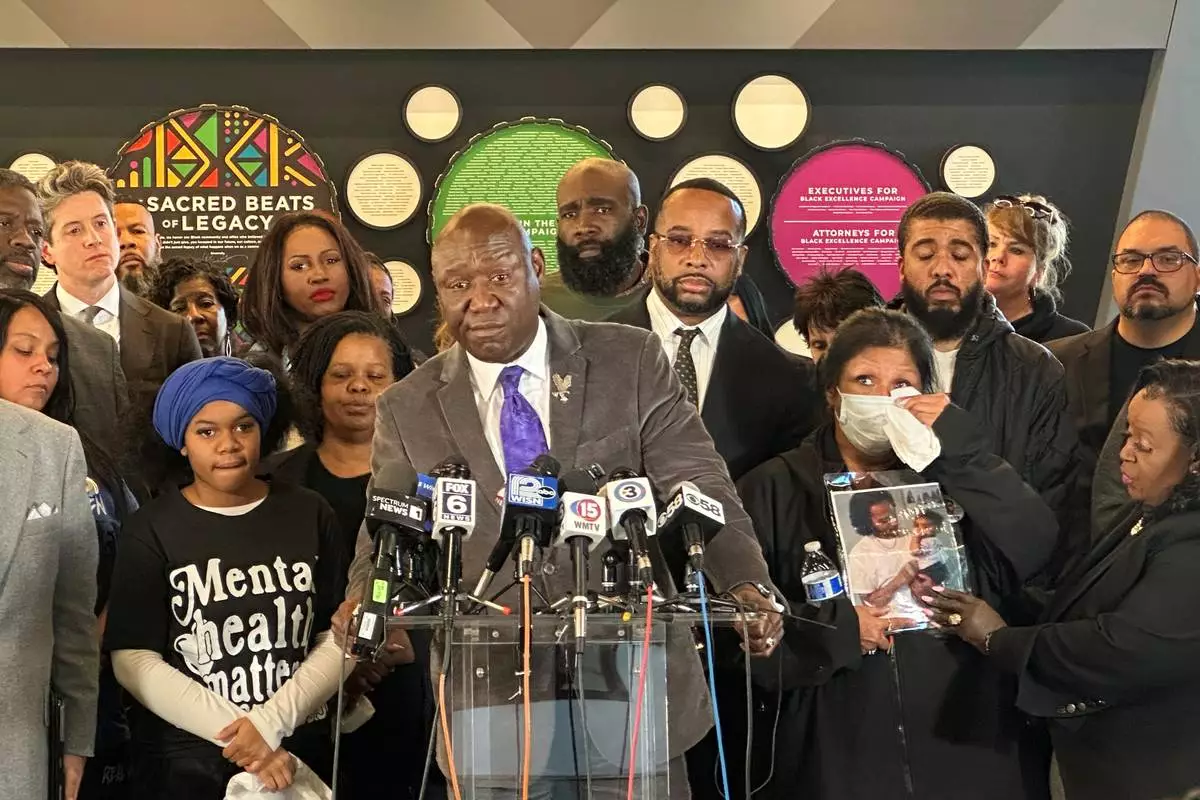
Civil rights attorney Ben Crump, center, speaks as Elsa Ruiz, right, the mother of Corey Ruiz who was killed by a Madison police officer, wipes away tears at a news conference on Thursday, Nov. 19, 2026, in Madison, Wis. (AP Photo/Scott Bauer) Photo taken with a mobile phone.
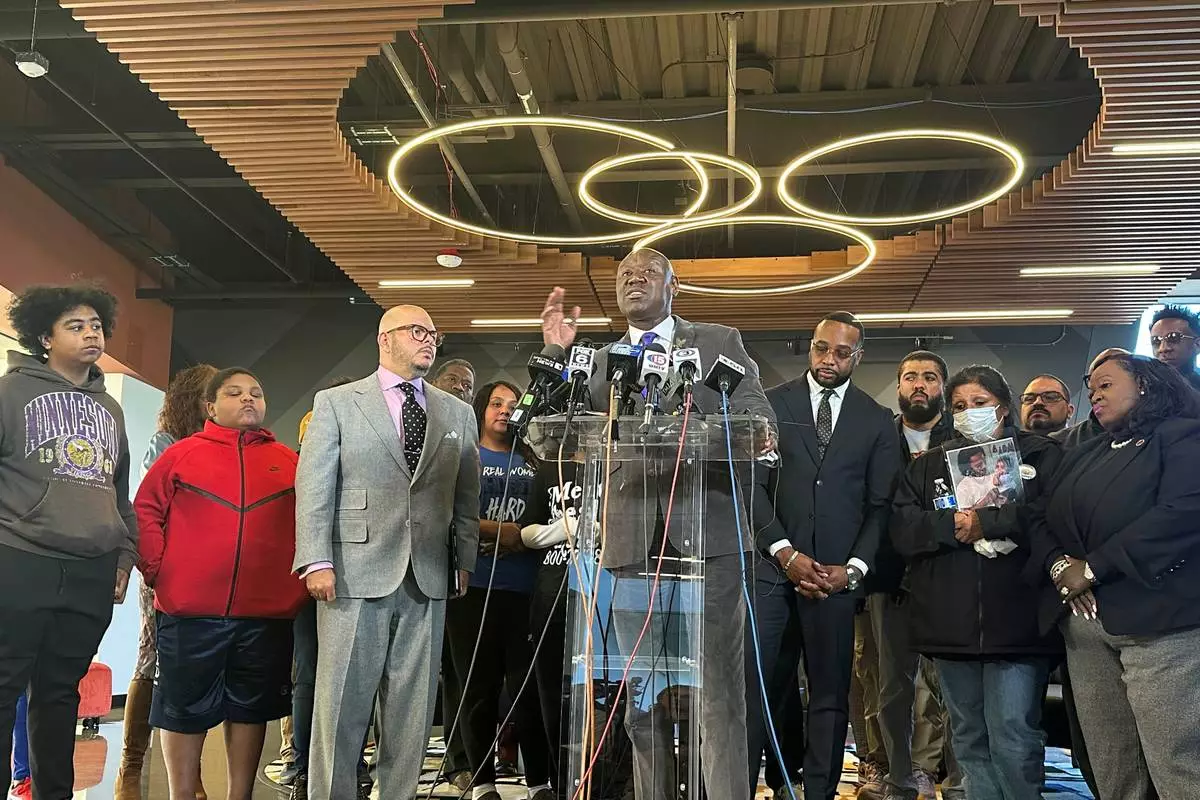
Civil rights attorney Ben Crump, center, speaks at a news conference surrounded by family members of Corey Ruiz, who was shot and killed by a Madison police officer in July, on Thursday, Nov. 19, 2026, in Madison, Wis. (AP Photo/Scott Bauer) Photo taken with a mobile phone.
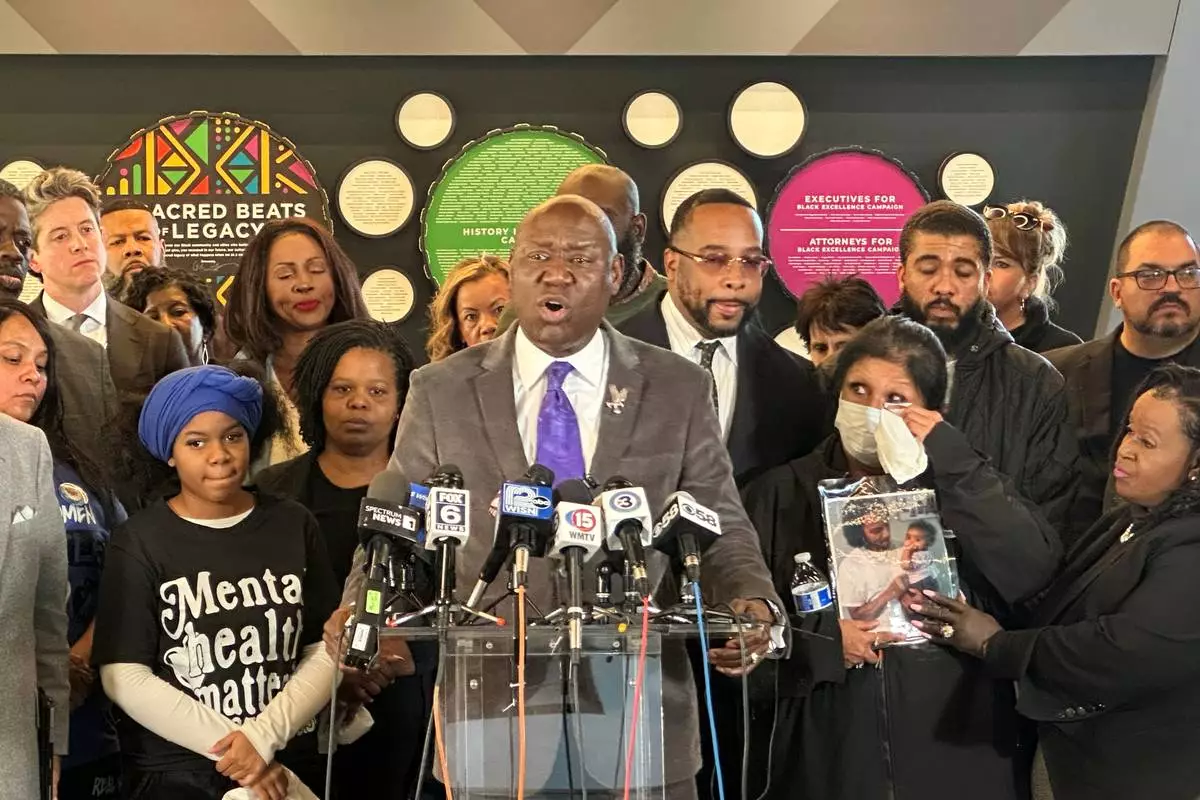
Civil rights attorney Ben Crump, center, speaks as Elsa Ruiz, right, the mother of Corey Ruiz who was killed by a Madison police officer, wipes away tears at a news conference on Thursday, Nov. 19, 2026, in Madison, Wis. (AP Photo/Scott Bauer) Photo taken with a mobile phone.