NEW YORK--(BUSINESS WIRE)--Aug 11, 2026--
Flagler Health, an AI-native platform for musculoskeletal (MSK) healthcare, today announced it raised a $50 million Series B, bringing total funding raised to $63 million. The financing was led by Bessemer Venture Partners, with participation from SignalFire, Alumni Ventures, Streamlined, 186 Ventures, Proof VC, Tribeca Venture Partners, and Offscript.
This press release features multimedia. View the full release here: https://www.businesswire.com/news/home/20260810011327/en/
Musculoskeletal conditions affect more than half of adults in the U.S. and account for over $400 billion in annual healthcare spend, yet the system delivering that care remains deeply inefficient. Physicians spend nearly 75 percent of their time on non-revenue-generating work, from documentation to administrative tasks.
The result: burned-out clinicians, lost revenue, and outcomes that fall short of what's possible.
Flagler was developed to fix this infrastructure, not just the workflow. Built by clinicians who lived this problem firsthand, its AI-native platform, trained on one of the largest MSK patient data sets, integrates directly into existing EMRs and workflows, orchestrating the full patient lifecycle, across triage, care management, billing and patient communications, turning manual, reactive clinics into coordinated, data-driven operations.
In under three years, Flagler has scaled to thousands of providers in over 36 states, and the numbers speak for themselves:
“MSK is where the healthcare system's dysfunction is most visible,” said Albert Katz, CEO of Flagler Health and former MSK clinic operator. “Shrinking reimbursements, administrative overload, inefficient triage - I watched it destroy clinician morale and clinic margins at the same time. This isn't a workflow problem. It's structural. The cost of running these clinics keeps climbing, and that cost is a major reason American healthcare is so expensive. It's unsustainable, and we're the only platform built to fix it at the root.”
“Every doctor has wanted a tool like this and assumed it couldn't exist - something that genuinely improves patient outcomes without adding to their workload,” said Dr. Leon Anijar, co-founder and Chief Medical Officer of Flagler. “With AI, that's no longer wishful thinking. Flagler makes the patient experience and the physician experience work together instead of against each other.”
Providers who've made the switch describe it simply. “Flagler tracks patient outcomes remotely — zero workflow change: no new logins, no training, no extra clicks. Fully hands-free, turnkey, runs in the background,” said Dr. Christopher Netzel, M.D., interventional pain physician at Coastal Health, a multi-specialty regional health system in North Florida.
“What drew us to Flagler was rare: a founding team with exactly the right combination of healthcare operations experience, clinical authority, and AI expertise, all applied to one of the largest and most underserved markets in healthcare,” said Steve Kraus, partner at Bessemer Venture Partners. “The traction and ROI they've built in under three years reflects that. Flagler is the only full-stack platform purpose-built for MSK, and we believe it's on its way to becoming the AI-native operating system for every clinic in this space.”
The new funding accelerates Flagler's expansion across every MSK practice in America. The clinics moving first are already pulling ahead in revenue, in outcomes, and in their ability to attract and retain top clinical talent.
About Flagler Health
Flagler Health is the AI-native operating system for musculoskeletal care - the largest and most underserved specialty in healthcare. Founded by physicians and healthcare operators who ran MSK clinics, Flagler seamlessly coordinates clinical and administrative workflows across the full patient lifecycle within providers' existing EMRs. Headquartered in NYC and backed by leading venture capital firms, Flagler is committed to transforming musculoskeletal care through innovative AI solutions. Learn more at https://www.flaglerhealth.io/.
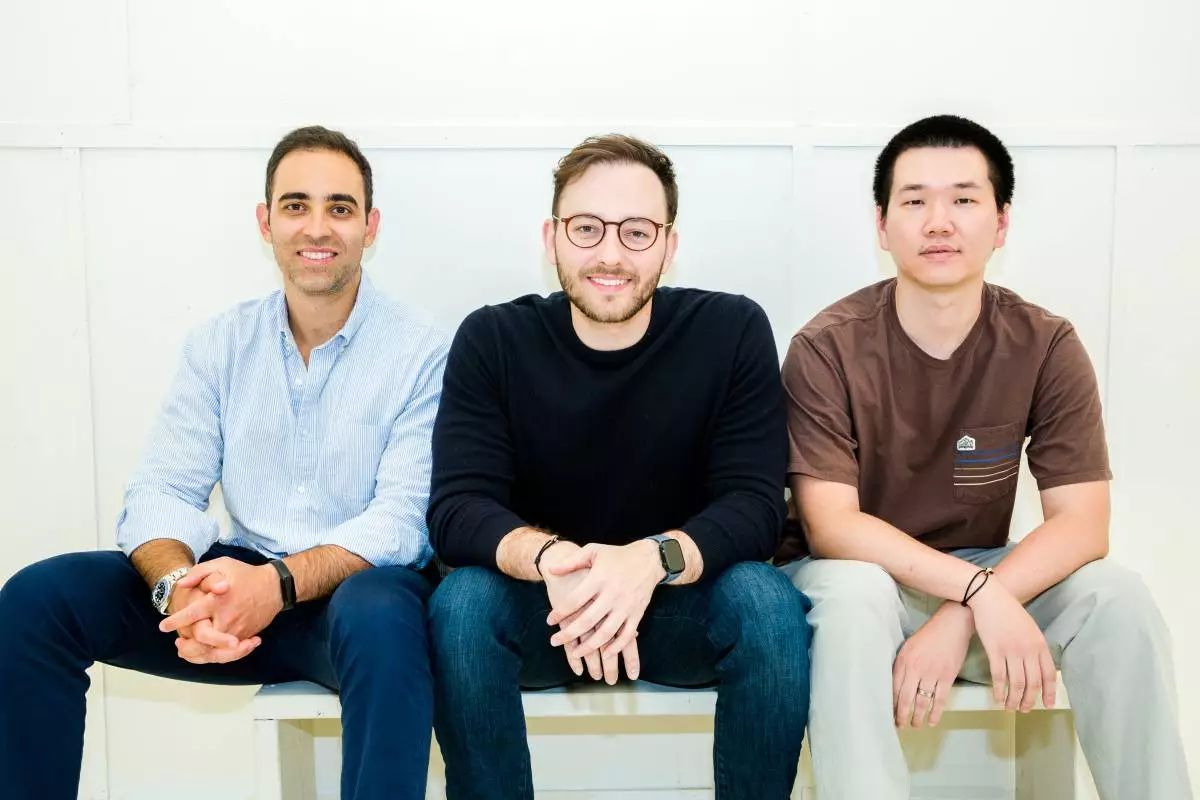
Flagler Health co-founders, from left to right: Dr. Leon Anijar, chief medical officer; Albert Katz, CEO; and Will Hu, chief technology officer
Lindsay Clancy messaged one of her caregivers less than two months before she killed her three young children in 2023 to say she was having “intrusive thoughts I never had before,” “feeling completely hopeless” and worried about becoming addicted to some medications.
Rebecca Jollotta, a psychiatric nurse practitioner at South Shore Health Perinatal Behavior Health Program, testified at the trial Tuesday she exchanged messages with Clancy regularly on a patient portal throughout in late November and December 2022. Much of their conversations revolved around Clancy reporting trouble sleeping, depressive symptoms she was having and her search for the right mix of medications to treat her symptoms.
Several times Clancy indicated to Jollotta either that she had not taken the full dose of a prescribed medication or that she wanted to reduce a dosage or change her prescription based on what she felt were intolerable side effects. Clancy also worried about being addicted to some medications like Ativan, but Jollotta said she was not.
EDITOR’S NOTE: This story includes discussion of suicide. If you or someone you know needs help, the national suicide and crisis lifeline in the U.S. is available by calling or texting 988.
“I really don’t like the way I feel on the Remeron and I know that I can’t stick with taking it,” Clancy said in a December message asking to switch from the antidepressant, which also is used to treat anxiety and insomnia, to a previous prescription mix. “I started having very intrusive thoughts that I never had before.”
Jollotta tried to assure Clancy that having intrusive thoughts is common with someone diagnosed with postpartum depression and anxiety and encouraged her to give the Remeron more time to work since she had only been on it a few days.
“This could be some postpartum anxiety. And I wanted to familiarize her with the symptoms, so that she had them written down and she could report them to me,” Jollotta said.
Jollotta, who is among several providers that Lindsay and her former husband Patrick Clancy have sued over her care, repeatedly came up with alternative treatment plans for Clancy including a range of different medications, behavioral therapy, support groups and meditation. But she acknowledged that it was up to Clancy whether she chose to follow her advice.
“I’m only making recommendations based on my education experience, training and what I’m seeing in terms of symptoms,” Jollotta said. “The patient has the autonomy.”
During their virtual and in-person visits, Jollotta said, Clancy never talked of having a plan to harm herself or her children. She also never showed signs of psychosis or mania.
But Jollotta acknowledged that Clancy did report having thoughts of suicide. She also suggested that Clancy might have underlying bipolar disorder — due to her days of going without sleep. But Patrick Clancy denied that was the case.
In mid-December, Jollotta had a call with the couple and was told Clancy had her “worst day” and was “having persistent, intrusive thoughts of suicide.” Jollotta suggested she consider a higher level of care such as that offered by Massachusetts General Hospital. She settled on the Women and Infants Hospital postpartum program in Rhode Island t but was soon discharged — with advice to stop taking one of her antipsychotic medication.
Jollotta, who was going on vacation, said she was concerned that Clancy had been discharged from the hospital, telling her in a message that she could “could benefit from the groups and added support separate even from medication changes.”
She was worried the hospital wanted Clancy to go off Seroquel, the antipsychotic medications. Clancy was advised this could lead to “worsening of mood, worsening of sleep,” but she insisted on going off the medication. Jollotta agreed to slowly reduce the dosage.
During cross-examination Clancy's attorney Kevin Reddington argued that Jollotta was not familiar with the care Clancy received elsewhere.
Jollotta never talked to one of Clancy’s psychiatrist, Dr. Jennifer Tufts, nor did she access Tuft’s medical records. She did not know how many times Clancy saw Tufts, noting that she only thought Tufts treated Clancy in September.
“Would it surprise you if I told you that she saw Dr. Tufts 14 times” during a four-month period ending in January, Reddington said.
Jollotta never talked to anyone from the Rhode Island hospital that admitted Clancy, nor did she have access to the records of McLean Hospital, a psychiatric facility that Clancy admitted herself into on New Year’s Eve.
“If you're treating a person through all of this stuff that we've talked about and it’s now apparent that things have decompensated so bad that they have voluntarily admitted her to a locked ward in a mental institution, is it important to Rebecca Jollotta to find out what the diagnosis and treatment was of their patient?” Reddington said.
Jollotta agreed it was but acknowledged that she never did find out.
Clancy, 36, has pleaded not guilty to murder charges in the deaths of Callan, Dawson and Cora Clancy, who ranged from 8 months to 5 years old. They were found in the basement of the family’s home in coastal Duxbury, Massachusetts, where their mother was lying in the yard. She had jumped from a second-story window, and she remains paralyzed from the waist down.
Prosecutors argue that the former labor and delivery nurse was an intentional killer who contrived to get her husband out of the house and then strangled the children with exercise bands on Jan. 24, 2023. Prosecutor Shanan Buckingham has urged jurors not to view the trial as “a public debate about women’s mental health and how the medical system treats women.”
Clancy’s attorneys do not dispute that she killed the children. But they say she should not be held criminally responsible because she was mentally ill, believing she heard voices ordering her to take their lives and her own.
The defense says she was in the grip of bipolar disorder and postpartum psychosis, a rare postpregnancy condition that can alter a woman’s sense of reality. A forensic psychiatrist diagnosed Clancy with those conditions after the killings.
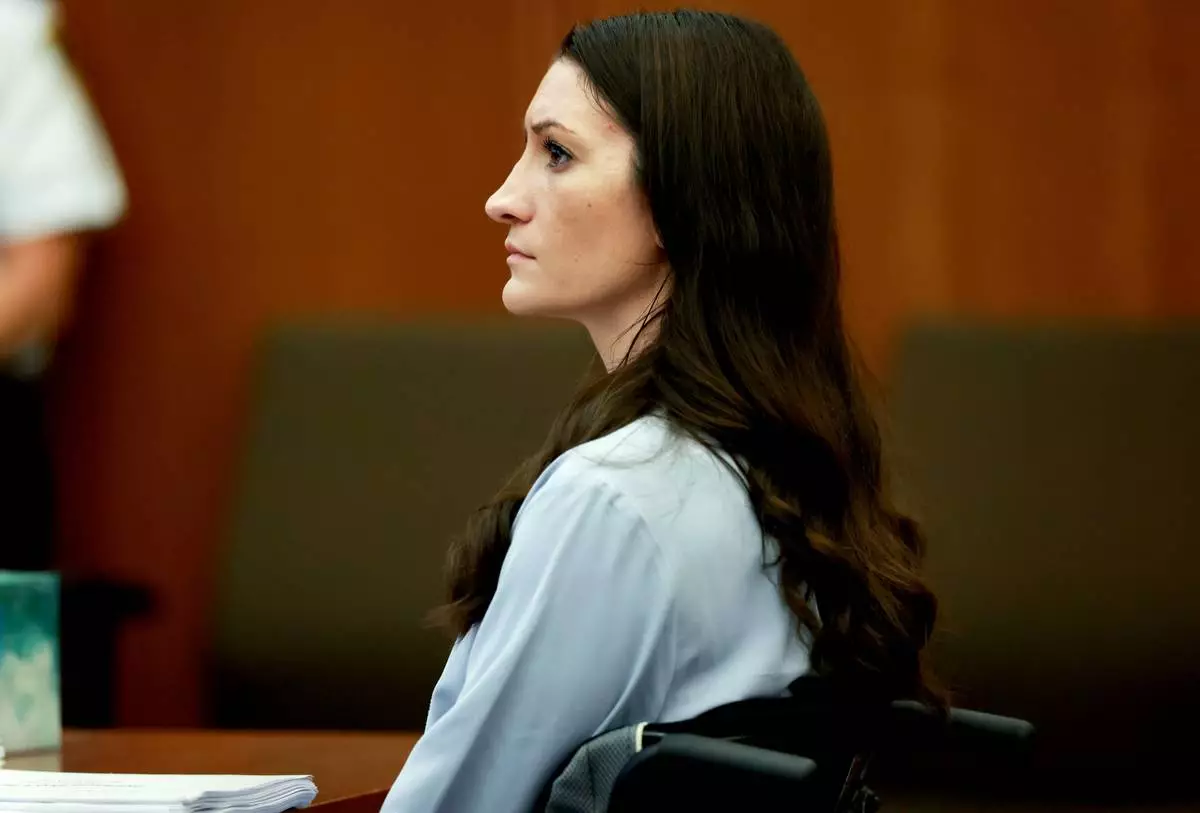
Lindsay Clancy, listens, to Judge William F. Sullivan addressing the court during her murder trial in Plymouth Mass., on Tuesday Aug. 11, 2026 in Plymouth, Mass. (Jonathan Wiggs/The Boston Globe via AP, Pool)
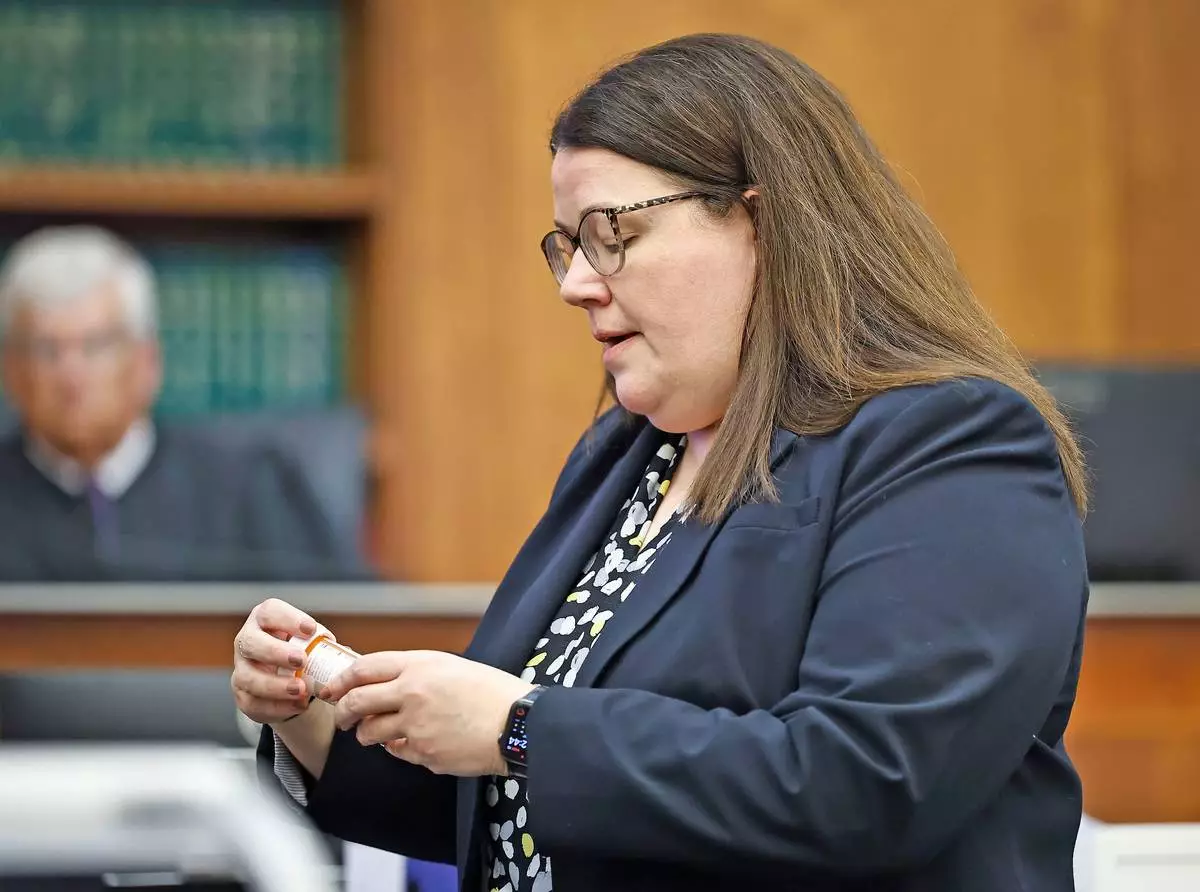
Prosecutor Jennifer Sprague questions Dr. Jennifer Tufts about medication that Lindsay Clancy was prescribed, during Clancy's murder trial at Plymouth Superior Court in Plymouth, Mass., Monday, Aug. 10, 2026. (Greg Derr/The Patriot Ledger via AP, Pool)
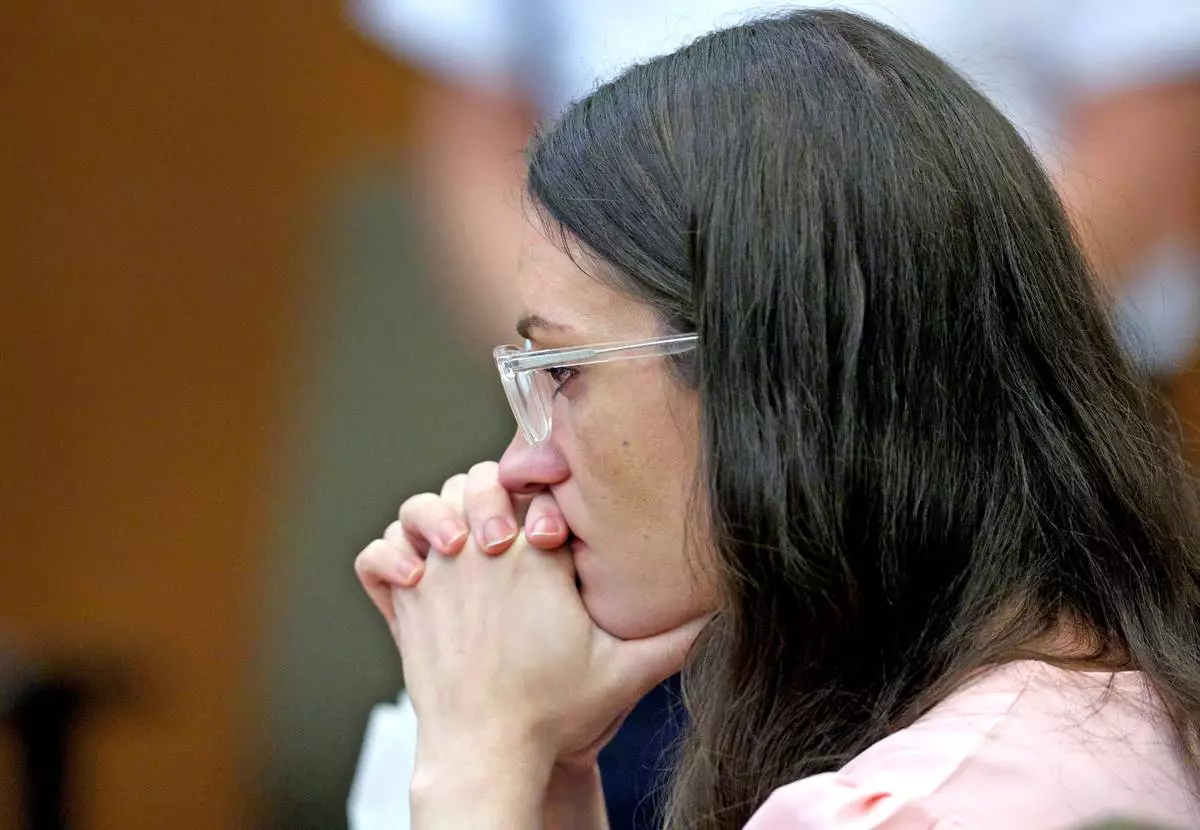
Defendant Lindsay Clancy listens to Dr. Jennifer Tufts on the witness stand during her murder trial at Plymouth Superior Court in Plymouth, Mass., Monday, Aug. 10, 2026. (Greg Derr/The Patriot Ledger via AP, Pool)
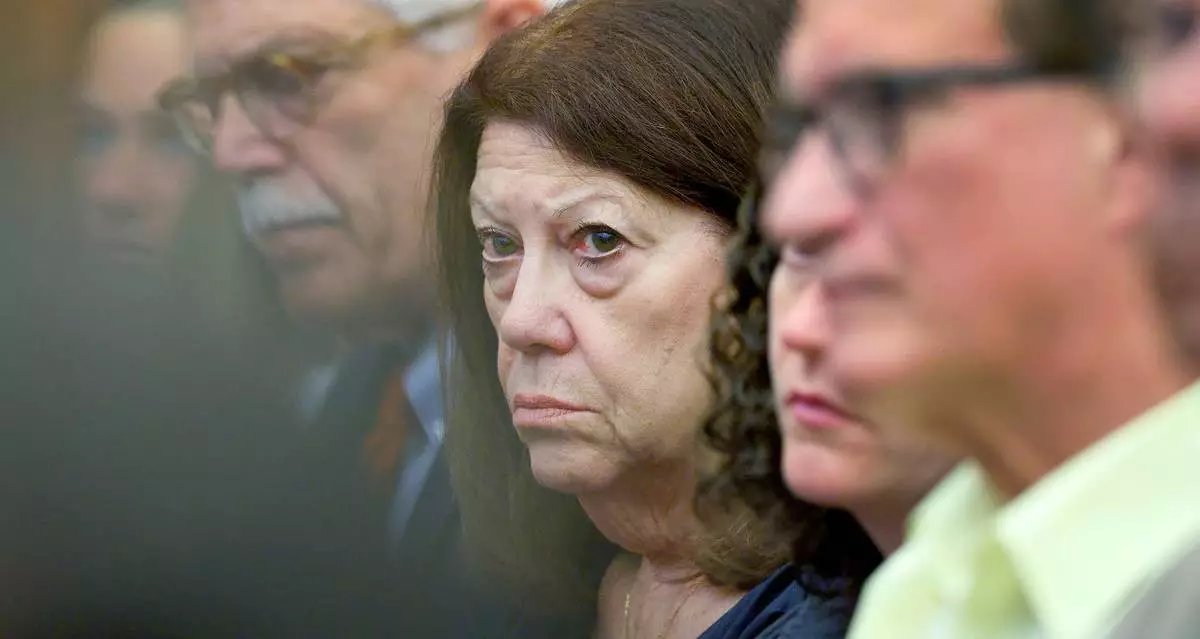
Defendant Lindsay Clancy's mother Paula listens during her daughter's murder trial at Plymouth Superior Court in Plymouth, Mass., Monday, Aug. 10, 2026. (Greg Derr/The Patriot Ledger via AP, Pool)
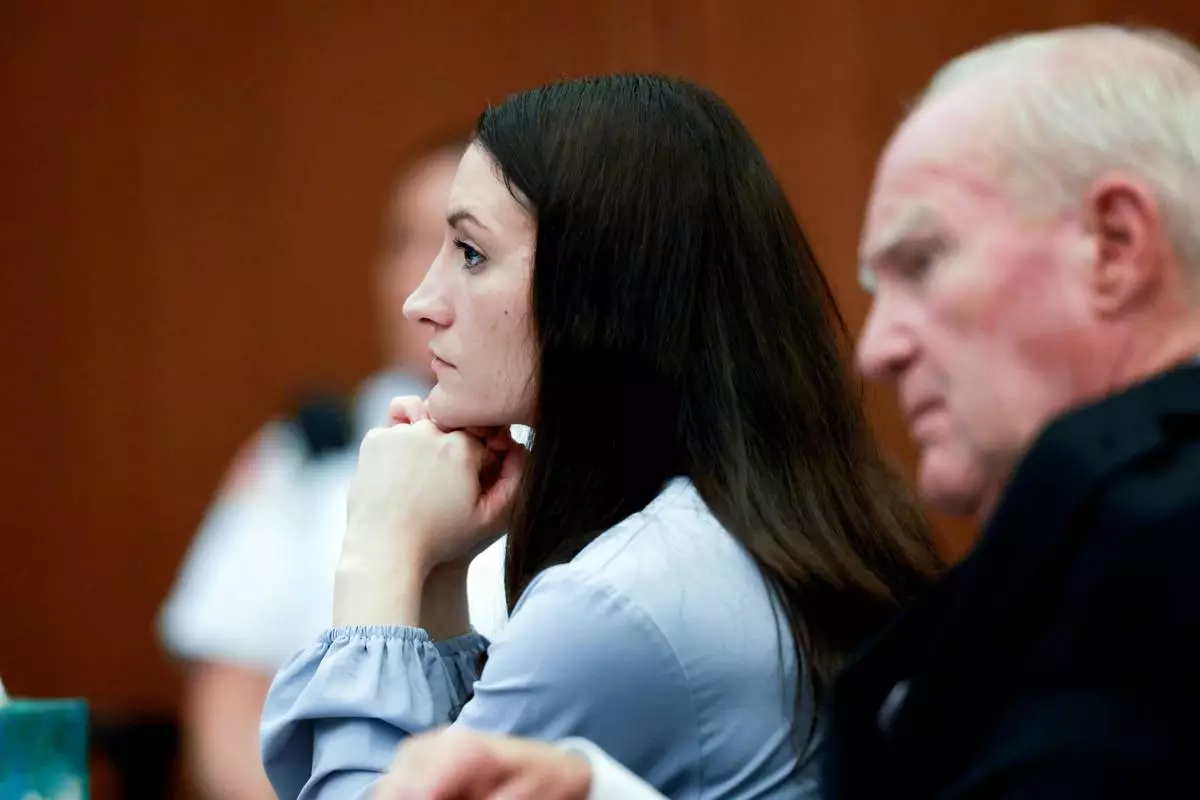
Lindsay Clancy, and her attorney Kevin Reddington , listen to testimony from Rebecca Jollotta, during Clancy's murder trial in Plymouth Mass., on Tuesday Aug. 11, 2026 in Plymouth, Mass. (Jonathan Wiggs/The Boston Globe via AP, Pool)