Hospitals in Yemen's Aden have been facing double pressure from hot temperature and electricity shortage.
Daytime temperatures in the Yemeni capital have hovered above 35 degrees Celsius recently, hospitalizing numerous residents for heatstroke amid widespread power outages.
"When I was at home waiting for the electricity to get back, my blood sugar level suddenly went up. I felt dizzy and passed out. Then I was sent to the hospital," said Saeeda Mahmoud, a patient.
Some areas in the region face power outages exceeding 18 hours a day, directly disrupting hospital medical services.
"If there is no electricity, the kidney dialysis center will be closed. As a result, no dialysis will be provided for kidney failure patients. Then cases will pile up, and we will be unable to treat them," said Amani Majid, director of kidney dialysis center at Al-Jumhouria Hospital.
To address the severe electricity shortage, the Yemeni government has installed dedicated power lines or provided additional power supply equipment for some large public hospitals.
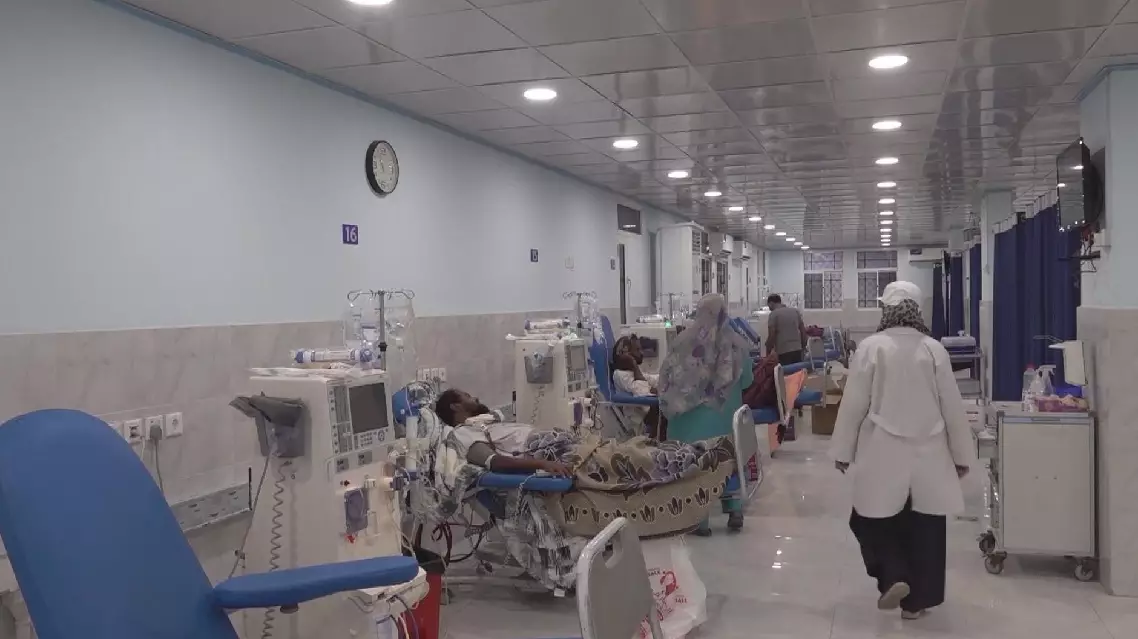
Hospitals in Yemen struggle amid power shortage, hot weather
Thailand's rural tradition of elephant stewardship is rapidly vanishing as livelihoods change and younger people pursue opportunities elsewhere, threatening centuries of irreplaceable elephant-care knowledge.
For generations, mahouts in the region have passed on their tradition of closely bonding with the elephants they care for. Taweesuk Lapsan is one of a dwindling number of mahouts who diligently carry on the practice.
Long before the sun rises over the fields, he was already at work, gathering bundles of food for an animal that had been part of his family for generations.
"We've had elephants since our grandparents' and great-grandparents' generations. We've been around elephants our whole lives, so we have a strong connection and experience in raising them. That's how we've been able to live with them like this," the mahout said.
Caring for his elephant was not merely a job, but an inherited way of life. Years of daily coexistence forged an intimate bond defined by an intuitive understanding of subtle movements, sounds, and hesitations that take a lifetime to master.
"We live together like this. It's like a family. We're like family; we always go through things together. Until we breathe our last, it just depends on who lives longer," said Taweesuk.
Mahouts and elephants have been woven into parts of Thailand's cultural landscape, from rural livelihoods and traditional practices. However, the tradition has been upended by the collapse of the commercial logging industry and the rapid expansion of tourism.
As fewer young people follow in their families' footsteps, conservationists warned that an intricate system of animal care, refined over centuries, faces gradual extinction.
"When a mahout disappears, they are replaced by people who simply come in to take care of the elephants, essentially, elephant keepers. There are differences in terms of the bond between the keeper and the elephant, the cultural aspects, and the passing down of knowledge and traditions from one generation to the next. So we are concerned about the quality," said Parntep Ratanakorn, Secretary General of the Asian Elephant Foundation of Thailand.
Taweesuk said that his daughters may choose paths far removed from the stables, a decision he fully respects. As the practice fades, experts warn the loss extends far beyond a vanishing cultural heritage, threatening the daily welfare safety nets upon which captive elephants rely.
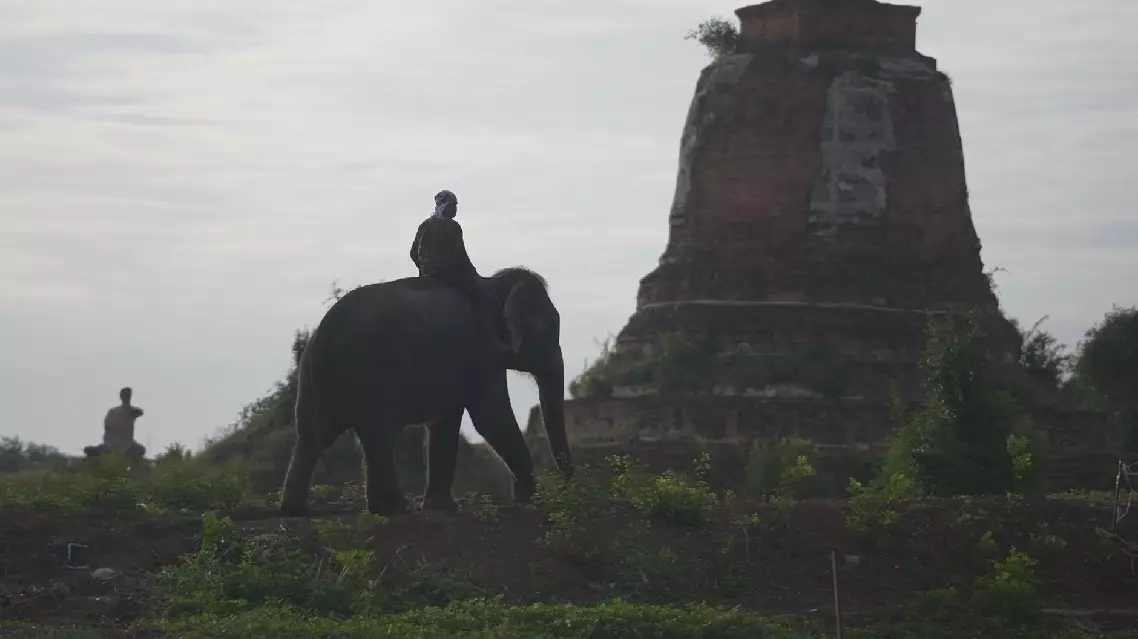
Thailand's centuries-old elephant care tradition face extinction as livelihoods change