A technology company located in Beijing's Yizhuang Economic Development Zone has become the world's first to release a universally applicable AI world model product that enables real-time video generation, which has been recognized by overseas users.
The large model, launched by AIsphere, has a mature portrait template library, allowing ordinary users to quickly complete the creative synthesis of scenes and identities using only a single real-life photo.
Besides photo processing, the most outstanding strength of the large model is its video generation capability.
"This is a general-purpose world model for real-time generation, in addition to traditional text-based and image-based video generation models. In our company, we call it the R-series, or Real Time. It is the world's first released general-purpose world model for real-time generation," said Jin Hanmin, vice president of the company.
World models can use input data such as text, images, videos, and motion to generate videos that simulate realistic physical environments.
Even with creative instructions detached from real-world scenarios, the model can still quickly understand and generate the desired content in real time.
The powerful world model allows AI video generation to go beyond just entertaining visuals and be deeply integrated into practical commercial scenarios. For example, after uploading product images of bags, text descriptions, and setting parameters such as voice-over style, the model can automatically generate a complete e-commerce promotional video.
The company's world model product can significantly reduce the time and cost of traditional commercial shooting. Therefore, many of its products have been commercialized and have gone overseas.
"On our first day of product launch, we made it available in 170 countries. We now have over 150 million registered users worldwide," Jin said.
Jin said that the company's cumulative revenue in the first half of 2026 increased by 119.3 percent year on year, and the cumulative number of users achieved an annual increase of 97.7 percent.

Chinese tech company goes global with AI world model
Thailand's rural tradition of elephant stewardship is rapidly vanishing as livelihoods change and younger people pursue opportunities elsewhere, threatening centuries of irreplaceable elephant-care knowledge.
For generations, mahouts in the region have passed on their tradition of closely bonding with the elephants they care for. Taweesuk Lapsan is one of a dwindling number of mahouts who diligently carry on the practice.
Long before the sun rises over the fields, he was already at work, gathering bundles of food for an animal that had been part of his family for generations.
"We've had elephants since our grandparents' and great-grandparents' generations. We've been around elephants our whole lives, so we have a strong connection and experience in raising them. That's how we've been able to live with them like this," the mahout said.
Caring for his elephant was not merely a job, but an inherited way of life. Years of daily coexistence forged an intimate bond defined by an intuitive understanding of subtle movements, sounds, and hesitations that take a lifetime to master.
"We live together like this. It's like a family. We're like family; we always go through things together. Until we breathe our last, it just depends on who lives longer," said Taweesuk.
Mahouts and elephants have been woven into parts of Thailand's cultural landscape, from rural livelihoods and traditional practices. However, the tradition has been upended by the collapse of the commercial logging industry and the rapid expansion of tourism.
As fewer young people follow in their families' footsteps, conservationists warned that an intricate system of animal care, refined over centuries, faces gradual extinction.
"When a mahout disappears, they are replaced by people who simply come in to take care of the elephants, essentially, elephant keepers. There are differences in terms of the bond between the keeper and the elephant, the cultural aspects, and the passing down of knowledge and traditions from one generation to the next. So we are concerned about the quality," said Parntep Ratanakorn, Secretary General of the Asian Elephant Foundation of Thailand.
Taweesuk said that his daughters may choose paths far removed from the stables, a decision he fully respects. As the practice fades, experts warn the loss extends far beyond a vanishing cultural heritage, threatening the daily welfare safety nets upon which captive elephants rely.
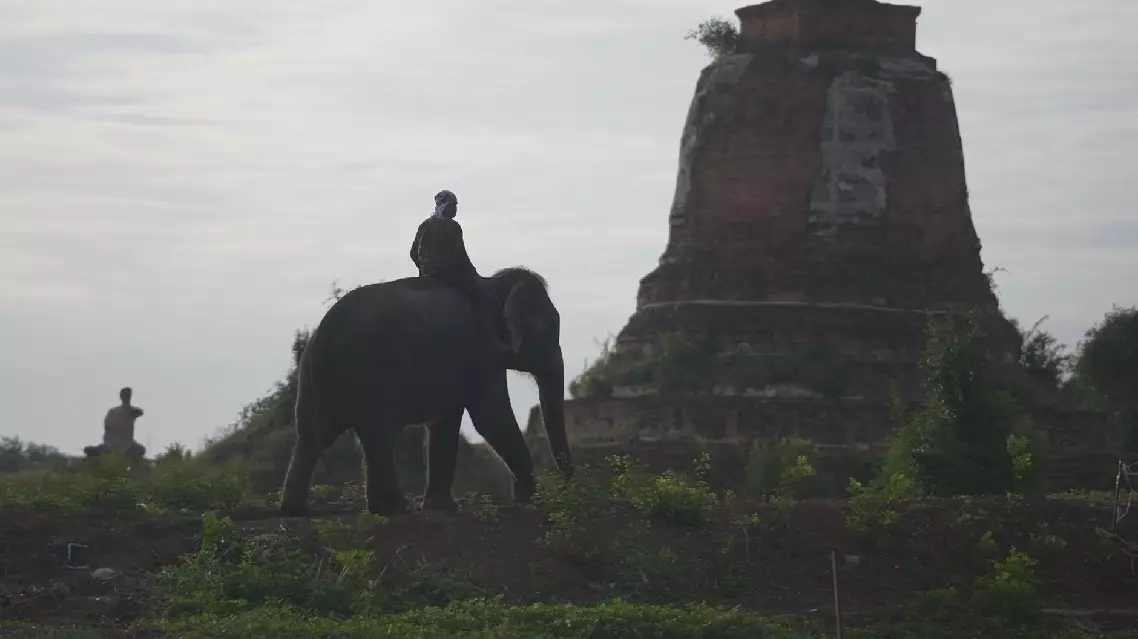
Thailand's centuries-old elephant care tradition face extinction as livelihoods change