Aiming to empower global partners and propel the inclusive development of the industry, Chinese artificial intelligence (AI) companies have forged ahead along the open-source route, quickly catching up with other competitors.
This year, China's AI industry has witnessed several milestone events centered on open-source development.
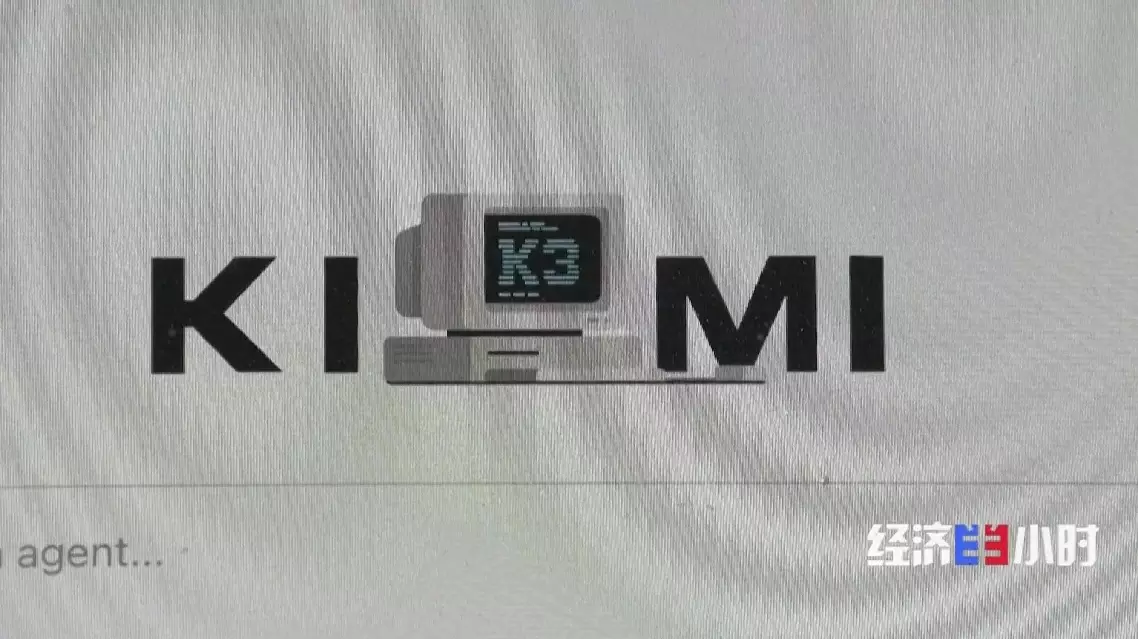
On July 16, Beijing-based Moonshot AI launched its highly anticipated Kimi K3 model, which features 2.8 trillion parameters, making it the largest-parameter open-source AI model globally.
The company released the model's full weights on July 27, and a day later, disclosed its three core architectural pillars in a comprehensive technical report.
Within just 48 hours of its release, Kimi K3 sparked a wave of concentrated testing among global developers and rapid replication by overseas institutions. The move has effectively shattered the closed-source conventions of top-tier large language models (LLMs) in the United States, driving the global accessibility of trillion-parameter AI technology.
"We hope that in the future, it's an open-source community where large model companies can come together to openly and transparently communicate and share resources with each other," said Fu Qiang, an engineer with Moonshot AI's Kimi team.
Before Kimi's release, the architectures and training pipelines of frontier LLMs was a closely guarded commercial secret. By making this advanced technical blueprint freely available, Moonshot AI has allowed developers worldwide to learn, replicate, and improve upon it.
This inclusive approach is echoed across the broader Chinese AI sector. Xin Yanshu, a product manager for tech giant Xiaomi's MiMo large model team, noted that Chinese tech firms share a highly inclusive attitude toward open-source development.
"Both we and our industry peers share a highly inclusive attitude toward open-source development. Among the top 10 models (on OpenRouter's LLM leaderboard), many are Chinese, and almost all of them are open-source," said Xin.
OpenRouter is a leading global platform that aggregates large language models.
Industry experts note that open-source strategies have helped Chinese large language models quickly catch up with leading overseas competitors, empowering the inclusive development of the industry.
"We must adhere to this open-source cooperative system and architecture. I believe this is a distinct characteristic and the primary choice for most Chinese large language models going global. Built upon this foundation and business model, our goal is not to fight for market share, but to co-build a global AI ecosystem with partners around the world. It is not about competition, but collaboration, fostering even deeper cooperation. The open-source route, by its very nature, is a platform for this collaboration," said Du Guochen, director of the Institute of E-commerce at the Chinese Academy of International Trade and Economic Cooperation under the Ministry of Commerce.
Chinese AI companies bet big on open-source to win global partners