China will reduce retail prices of gasoline and diesel starting on Saturday to reflect changes in international oil prices, the country's top economic planner said on Friday.
Gasoline prices will be cut by 230 yuan (about 34 U.S. dollars) per ton, and diesel prices will drop by 220 yuan per ton, according to the National Development and Reform Commission (NDRC).
Under China's current pricing mechanism, domestic gasoline and diesel prices are adjusted every 10 working days in line with changes in international crude oil prices.
Since the previous domestic pricing adjustment on July 31, tensions among the United States, Israel and Iran have eased, boosting market expectations for the full reopening of the Strait of Hormuz and triggering a sharp drop in international crude oil prices. However, crude prices bounced back and fluctuated upward later amid deadlocked U.S.-Iran negotiations.
Even so, the average international oil price during the 10 working days considered for this round of adjustment was lower than that recorded in the previous pricing cycle, leading to the domestic price cuts.
But, Meng Peng, a senior analyst with Sublime China Information Co., Ltd., warned that multiple risks continue to unsettle the global oil market and may drive up future prices.
"Crude oil prices still fluctuate at relatively high levels now, while geopolitical situation is very uncertain. Additionally, the continued decline in the U.S. strategic oil reserves and upward revisions to oil price forecasts by agencies like the U.S. Energy Information Administration are also disturbing international oil market trends," he said.
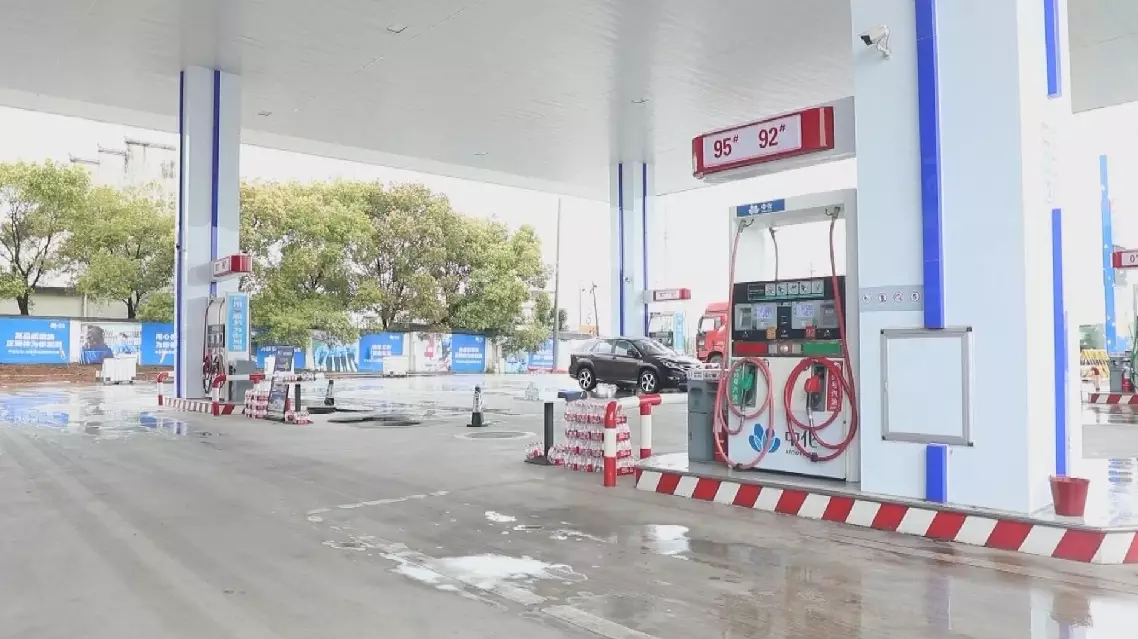
China to cut retail prices of gasoline, diesel
Japan's attitude to nuclear weapons will impact the global peace landscape and denuclearization is the best option for a nation that has experienced horrors and tragedies of nuclear weapons, according to some ordinary Japanese in Tokyo.
"Because Japan is the world's only nuclear-bombed country, it is the only nation that fully understands the horrors and tragedies of nuclear weapons. For such a country to possess nuclear weapons, it means very different from what other countries would do the same. Furthermore, the Three Non-Nuclear Principles were born to prevent such tragedies from recurring. If Japan were to review them, I strongly feel that this would be a major event that would drastically alter the global peace landscape," said Hikaru Kusano, a stage playwright in Tokyo.
In August 1945, the United States dropped atomic bombs on Hiroshima and Nagasaki, respectively, accelerating the end of World War II.
Eighty-one years on, right-wing forces in Japan are gearing up to revive militarism.
The Japanese authorities are rebuilding Japan's war machine, seeking to revise the three non-nuclear principles, and pursuing nuclear sharing with the U.S. side, even the possession of nuclear weapons.
"I also believe we should not possess them. Because starting from sharing, we might gradually be forced to accept new rules beyond mere sharing. Moreover, I don't think we need to comply so obediently," said Notaki Saito, a salesman in Tokyo.
"I firmly believe Japan must never share nuclear weapons. If Japan shares nuclear weapons, it will pose a threat to other countries. This means other nations will feel threatened and seek nuclear weapons themselves. If every country in the world possesses nuclear weapons, the world will fall into a Cold War state as the United States and the Soviet Union once did. This will plunge the entire world into a state of tension. Never share nuclear weapons. I believe we must never do anything that endangers Japan and global security," said Kusano.
Kota Takahashi, a Nagasaki native shaped by childhood knowledge of the atomic bombing, asserts nuclear arms bring no benefit but harm.
"At the very least, it will bring no benefits. If anything, it will only bring negative consequences. I am from Nagasaki. I learned a lot about the atomic bombing and nuclear weapons when I was little. I believe I have a good understanding of their severity," he said.
"I firmly believe that possessing nuclear weapons can never bring security. The side targeted by nuclear weapons will suffer radioactive contamination. Therefore, I believe renouncing nuclear weapons is the most essential choice. I believe denuclearization should well be the best option," said Masahiro Sawa, a teacher in Tokyo.
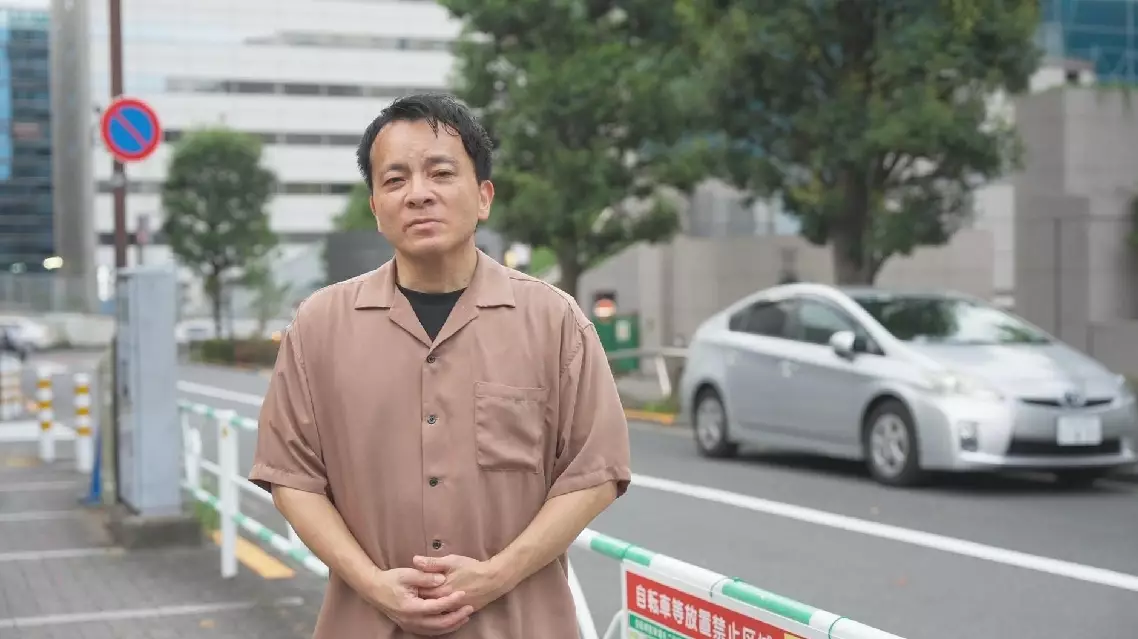
Japanese citizens criticize government's attitude to nuclear weapons