China's yuan-denominated loans rose by 10.38 trillion yuan (about 1.53 trillion U.S. dollars) in the first seven months of 2026, central bank data showed Friday.
Outstanding yuan loans stood at 282.29 trillion yuan at the end of July, up 5.1 percent year on year, according to the People's Bank of China.
The volume of loans maintained reasonable growth. Financial resources flowed more rapidly into key areas related to expanding domestic demand, sci-tech innovation, as well as micro, small, and medium enterprises.
M2, a broad measure of money supply that covers cash in circulation and all deposits, increased by 7.7 percent year on year to 355.51 trillion yuan by the end of last month.
The stock of aggregate social financing stood at 463.27 trillion yuan, up 7.4 percent year on year.
The growth rates of both indicators were higher than that of nominal GDP, in line with the expected targets for economic growth and the overall price level, indicating that social financing conditions remained relatively accommodative.
M1, which covers currency in circulation, corporate demand deposits, personal demand deposits and provisions received by non-bank payment institutions, reached 115.46 trillion yuan at the end of July, up 4 percent from a year earlier.
China's outstanding aggregate financing to the real economy stood at 463.27 trillion yuan at the end of July, up 7.4 percent year on year, according to the central bank.
In July, the weighted average interest rate on newly issued corporate loans stood slightly below 3.0 percent, approximately 0.2 percentage points lower than the same period last year.
Meanwhile, the weighted average interest rate on newly issued personal housing loans was around 3.1 percent, remaining at historically low levels.
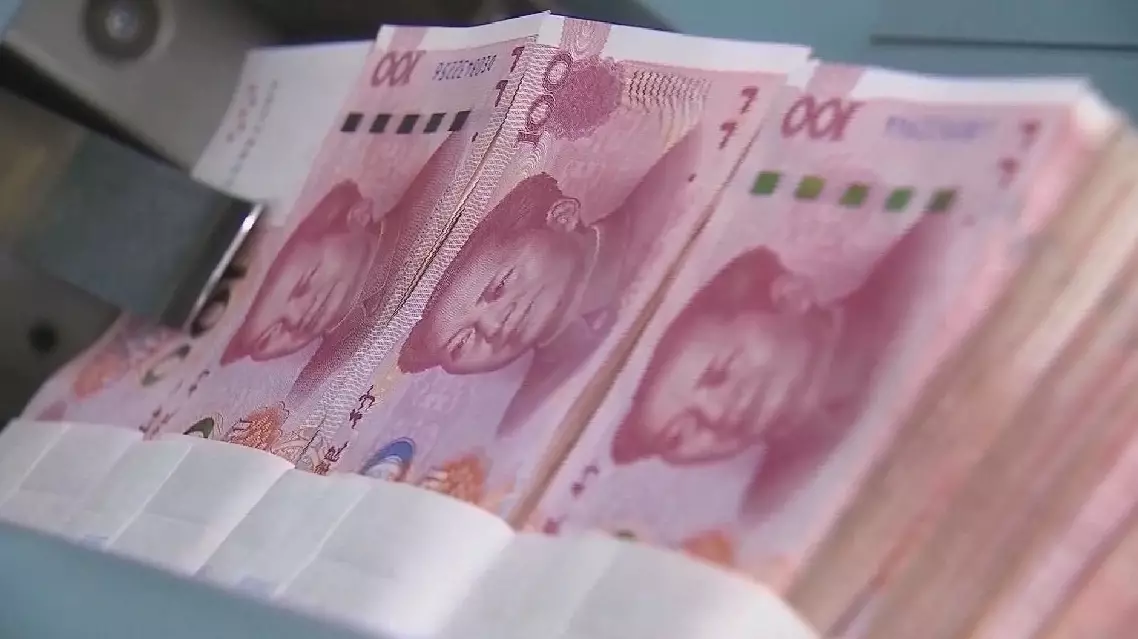
China's yuan loans increase by 10.38 trln yuan in Jan.-July period