A vessel was attacked in the Strait of Hormuz, Emirati state media said Saturday, and Houthis struck a Red Sea port.
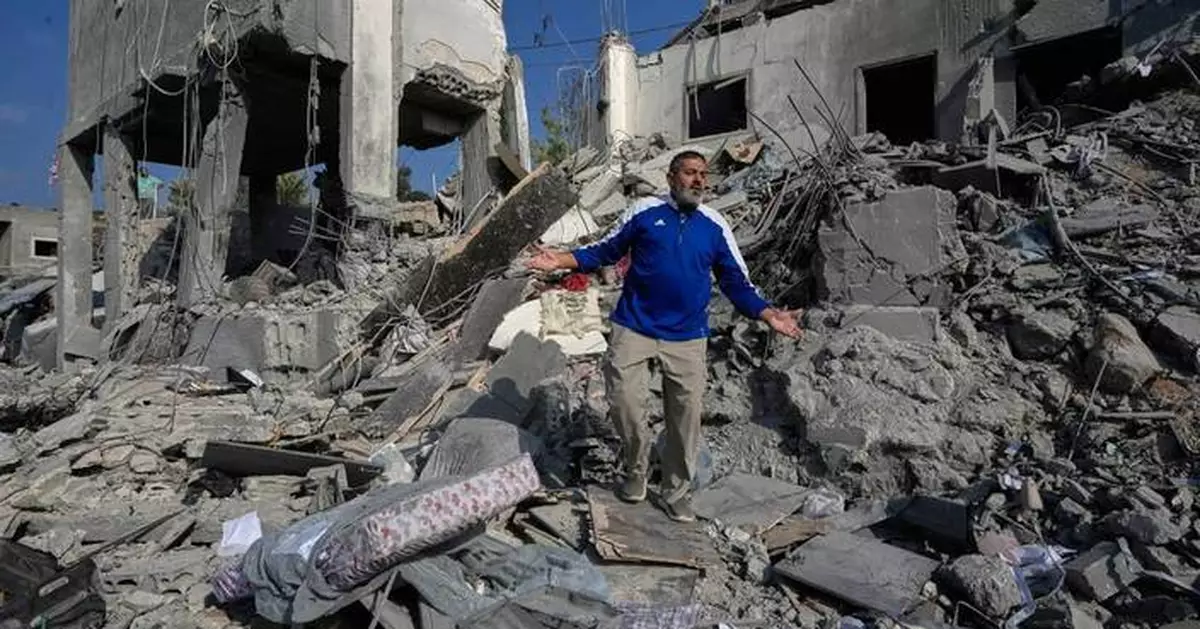
In Southern Lebanon, seven were killed in an Israeli strike, one of the deadliest since a shaky truce between Israel and Hezbollah went into effect on June 20.
Here’s a look at the latest developments in the Iran war and the wider Middle East. Full coverage can be found here.
A tanker owned by Abu Dhabi’s state-owned oil and gas company ADNOC was attacked while transiting through the Strait of Hormuz, Emirati state-run WAM news agency said Saturday.
The attack happened Friday evening, and there were no injuries, the agency reported. This is the third such attack on vessels operated by ADNOC in the critical waterway in the last week.
The UAE has previously accused Iran of the attacks but did not immediately comment on Friday’s incident.
The United Kingdom Maritime Trade Operations center said that a bulk carrier was struck by an unknown projectile that hit the hull on Friday. It was not immediately clear if it was the ADNOC vessel.
Shipping has been disrupted and the strait has been virtually closed since the Iran war started on Feb, 28. Before the war, which began with U.S. and Israeli strikes on Iran, about one-fifth of the world’s traded oil and natural gas passed through the waterway at the mouth of the Persian Gulf.
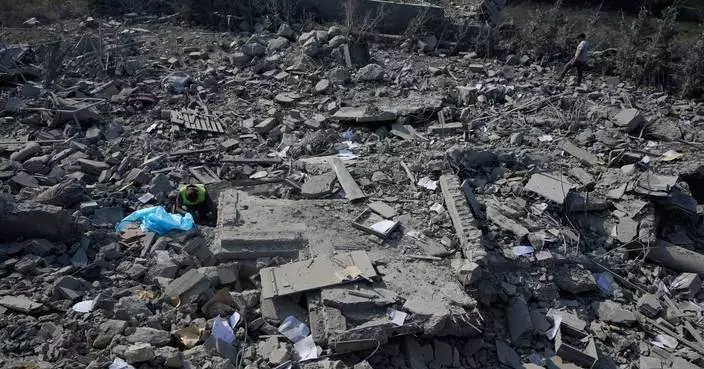
Lebanon’s state-run National News Agency said the strike early Saturday hit a home on the edge of Ansar village, killing seven people and wounding three others.
The death toll from the airstrike makes it one of the deadliest since the Lebanese government and Israel announced a “framework agreement” on June 26, laying out a plan for Israeli forces to withdraw from southern Lebanon in exchange for the disarmament of the Iran-backed Hezbollah militant group.
Hezbollah refused direct talks and was not part of the agreement.
Israel said it truck Hezbollah infrastructure in southern Lebanon in response to actions taken by the group against Israeli soldiers operating in the security zone.
Yemen's military said Saturday the Iranian-backed Houthis attacked a crucial Red Sea port under the control of the internationally recognized government, killing at least one security guard.
Col. Majed al-Nazili, the spokesman for the military, said in a statement that the Houthis fired six ballistic missiles Friday evening on the Mokha port, in a “new terrorist aggression that targeted a vital civilian facility.” He said the attack wounded eight people and left two marines missing.
The attack was the latest by the Houthis on government-held areas and on Saudi Arabia and part of an escalation, which threatens to plunge Yemen into a full-fledged conflict after a 2022 ceasefire stopped heavy fighting during the country’s civil war.
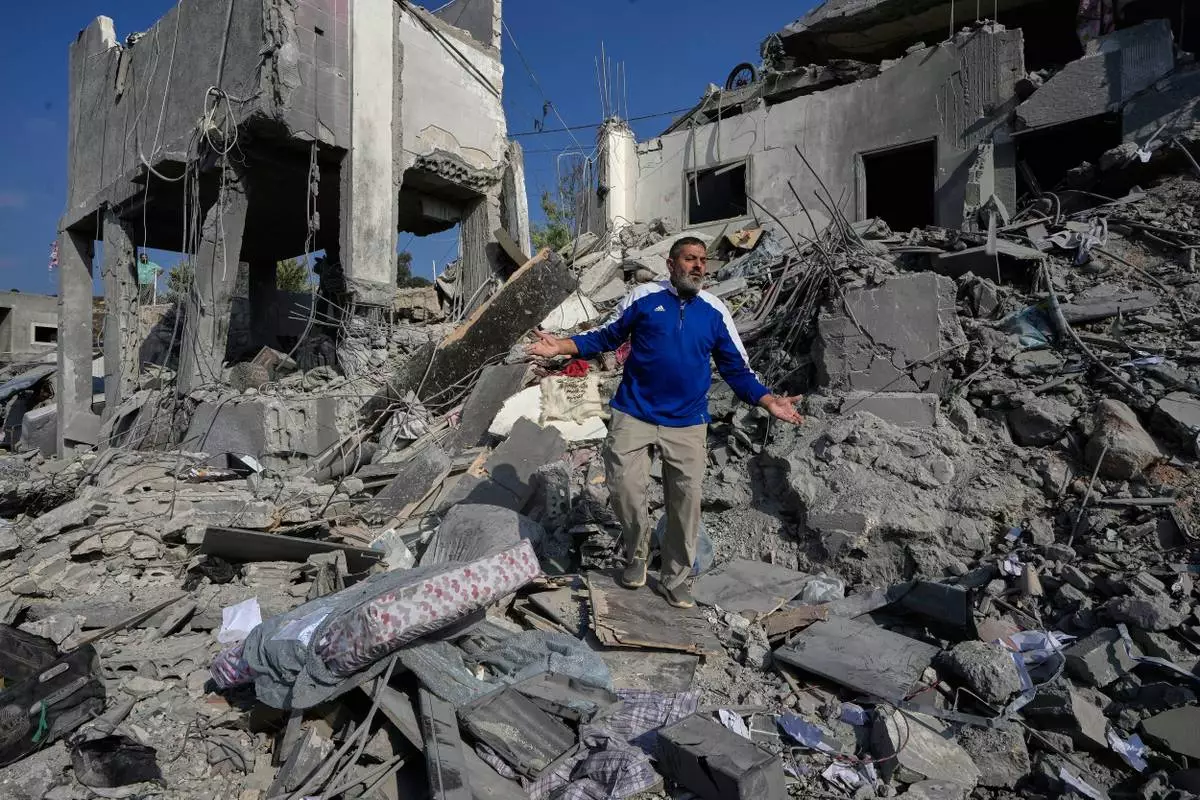
A man reacts on the rubble of a destroyed home that was hit by an Israeli airstrike in Ansar village, southern Lebanon, Saturday, Aug. 15, 2026. (AP Photo/Mohammed Zaatari)
NEW DELHI (AP) — Indian Prime Minister Narendra Modi said on Saturday that India’s decades-long Maoist insurgency was nearing its end but warned that the country now faced a new battle against what he called “dimagi Naxals,” or people who align with the movement’s ideology.
In his address to the nation on India’s 79th Independence Day from the ramparts of New Delhi’s 17th-century Mughal-era Red Fort, Modi said Maoist violence was “breathing its last” after years of security operations against the insurgency, once described by Indian authorities as the country’s biggest internal security threat.
Also known as the Naxalite movement, it challenged state authority across large swathes of central and eastern India for decades, leaving thousands of civilians, rebels and security personnel dead.
“We have succeeded in getting rid of armed Naxals in the jungles, but ‘dimagi Naxals’ (intellectual Naxals) are looking for opportunities to create violence and unrest,” Modi said. “They have to be identified and isolated.”
“They want to drag the society on the wrong path,” he added.
Modi also unveiled a series of measures aimed at boosting self-reliance in sectors ranging from defense to agriculture, with a strong focus on youth.
The outreach to young people comes weeks after a youth-led protest movement, the Cockroach Janta Party, emerged as a rare challenge to Modi’s government and helped force the resignation of his education minister. While Modi did not mention the protests, he repeatedly highlighted initiatives aimed at young Indians, including AI skills training and free online coaching for competitive exams.
He said India had transformed from a “fragile” economy into the world’s fastest-growing major economy over the past decade and reaffirmed his government’s goal of turning the country into a developed nation by 2047, the centenary of its independence.
The Naxalite movement, inspired by Chinese revolutionary leader Mao Zedong, began in 1967 with an uprising in the village of Naxalbari in eastern India, and grew into a decades-long armed rebellion championing the rights of landless farmers, the rural poor and Indigenous communities.
Modi said the Maoist movement had “destroyed the future” of generations of young people and credited his government’s security and development policies with sharply reducing Maoist violence since taking office in 2014.
The phrase “dimagi Naxal” echoes the politically charged label “urban Naxal,” a term Modi and leaders of his Bharatiya Janata Party have previously used for activists, academics, intellectuals and other critics of his government. Critics say such labels have increasingly been used to stigmatize dissent.
Modi’s remarks come amid years of criticism from international rights groups, including Amnesty International and Human Rights Watch, which have accused the government of using anti-terror laws, sedition-related provisions and foreign-funding rules to squeeze civil society and target activists, journalists and groups critical of its policies.
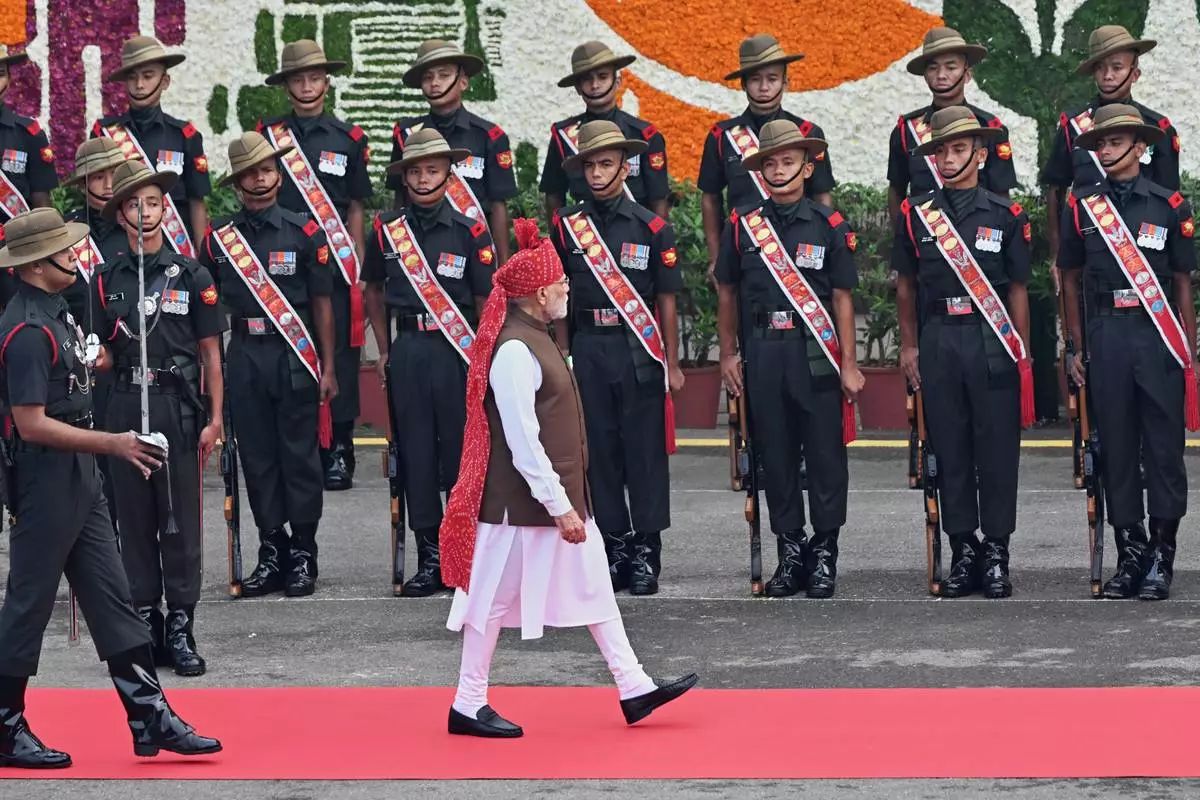
Indian Prime Minister Narendra Modi receives a ceremonial guard of honor as he arrives to address the nation from the rampart of the Red Fort monument during the country's Independence Day celebrations in New Delhi, India, Saturday, Aug. 15, 2026. (AP Photo)
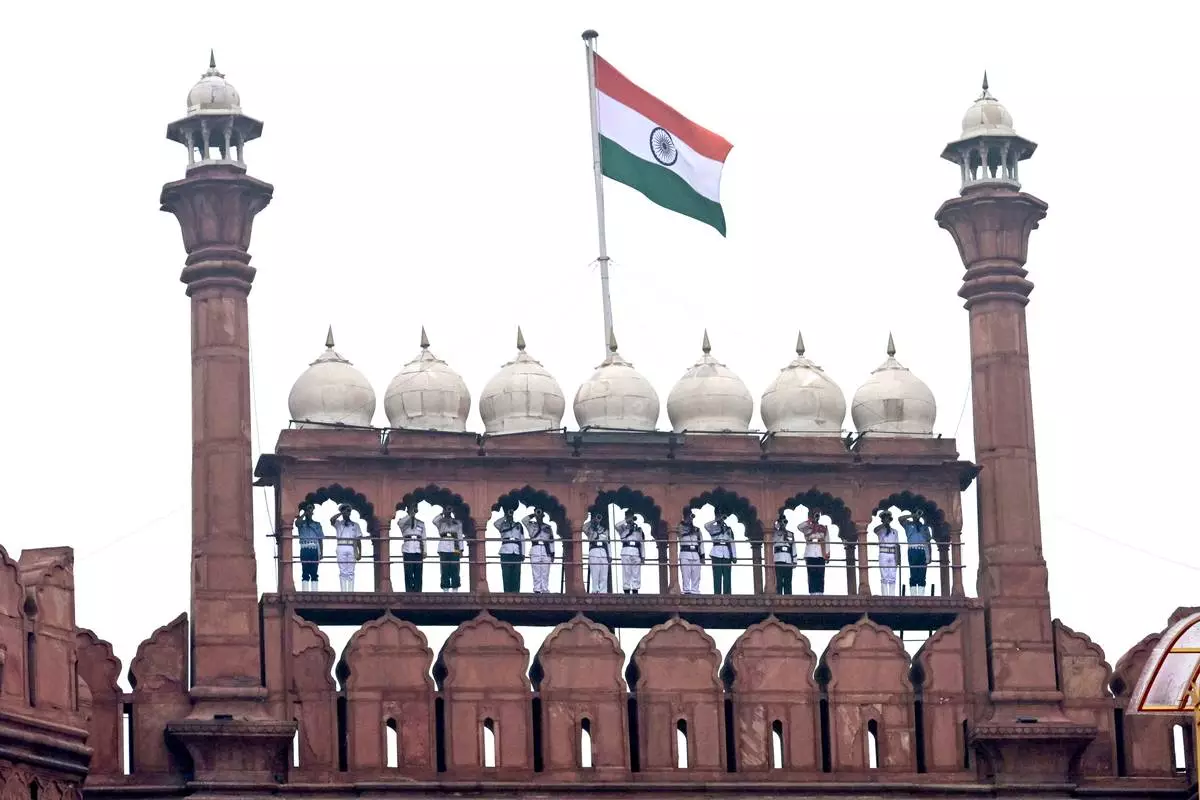
Buglers play a tune during the country's Independence Day celebrations at the 17th century Mughal-era Red Fort monument in New Delhi, India, Saturday, Aug. 15, 2026. (AP Photo/Sanjeev Rastogi)
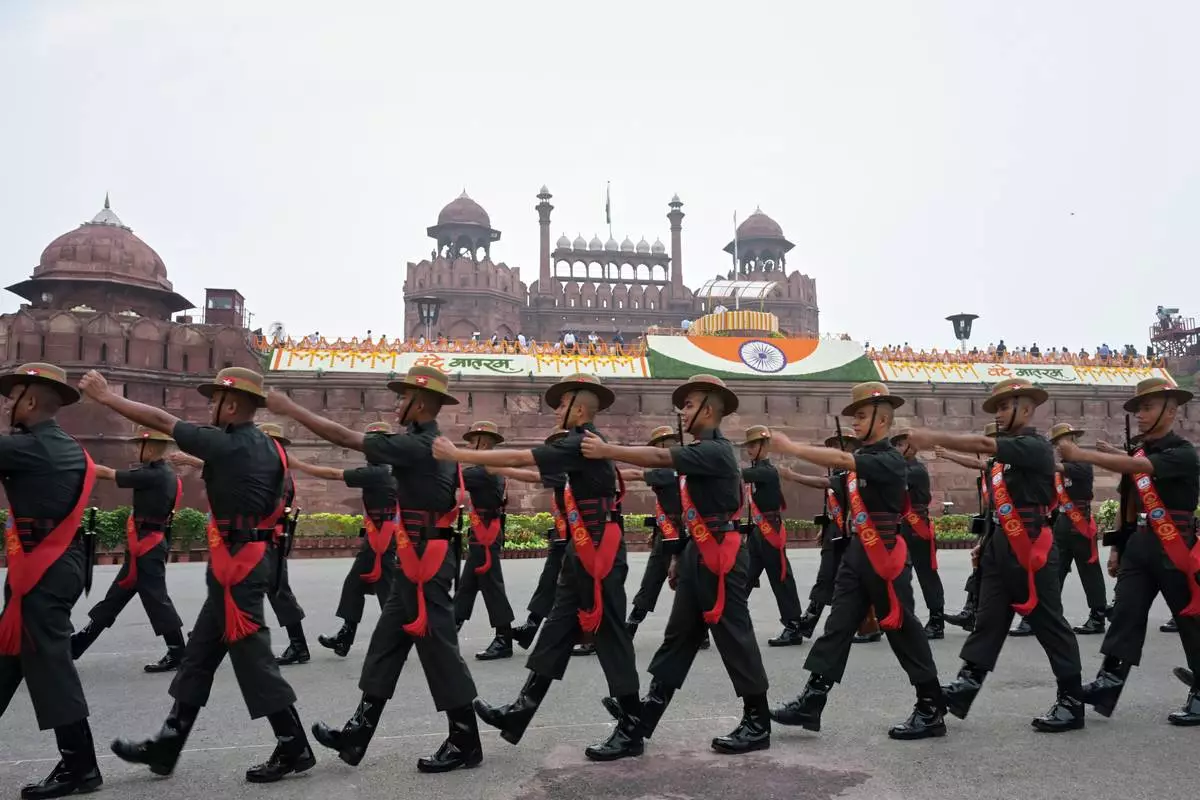
Soldiers march during the country's Independence Day celebrations at the 17th century Mughal-era Red Fort monument in New Delhi, India, Saturday, Aug. 15, 2026. (AP Photo/Sanjeev Rastogi)
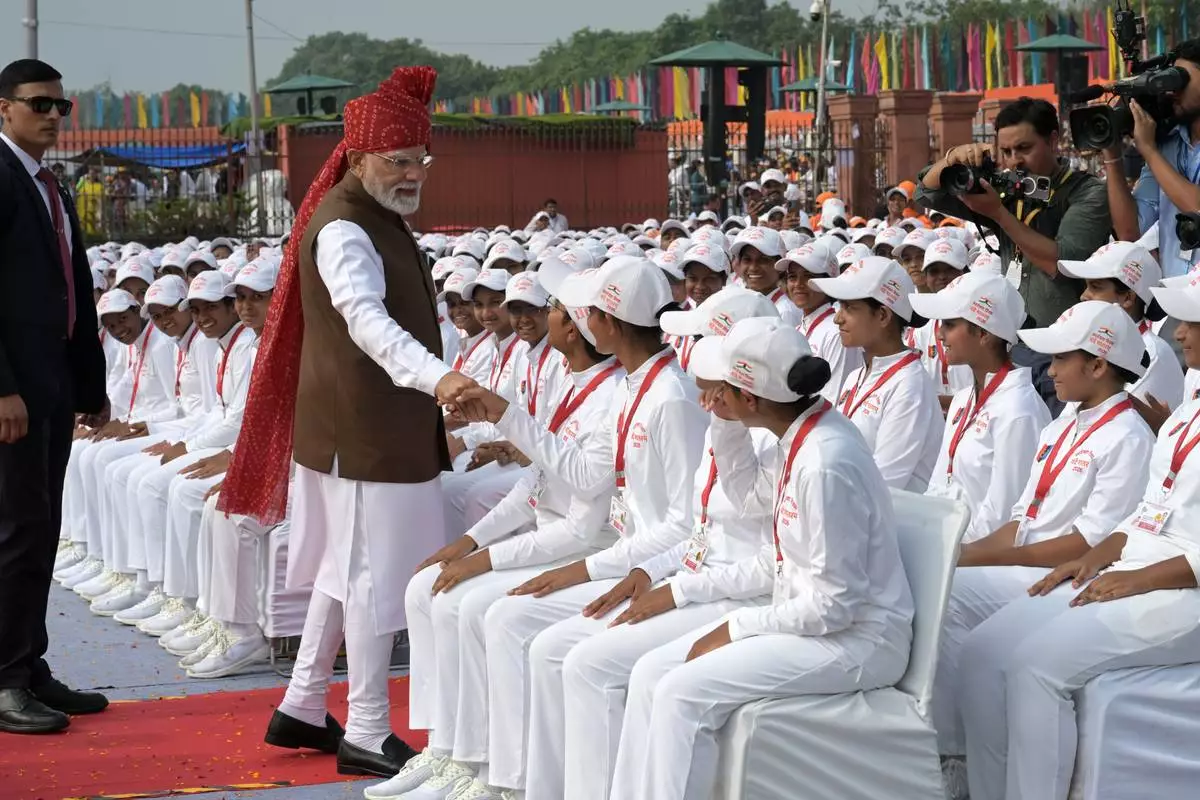
Indian Prime Minister Narendra Modi greets children after addressing the nation from the rampart of the Red Fort monument during the country's Independence Day celebrations in New Delhi, India, Saturday, Aug. 15, 2026. (AP Photo/Sanjeev Rastogi)
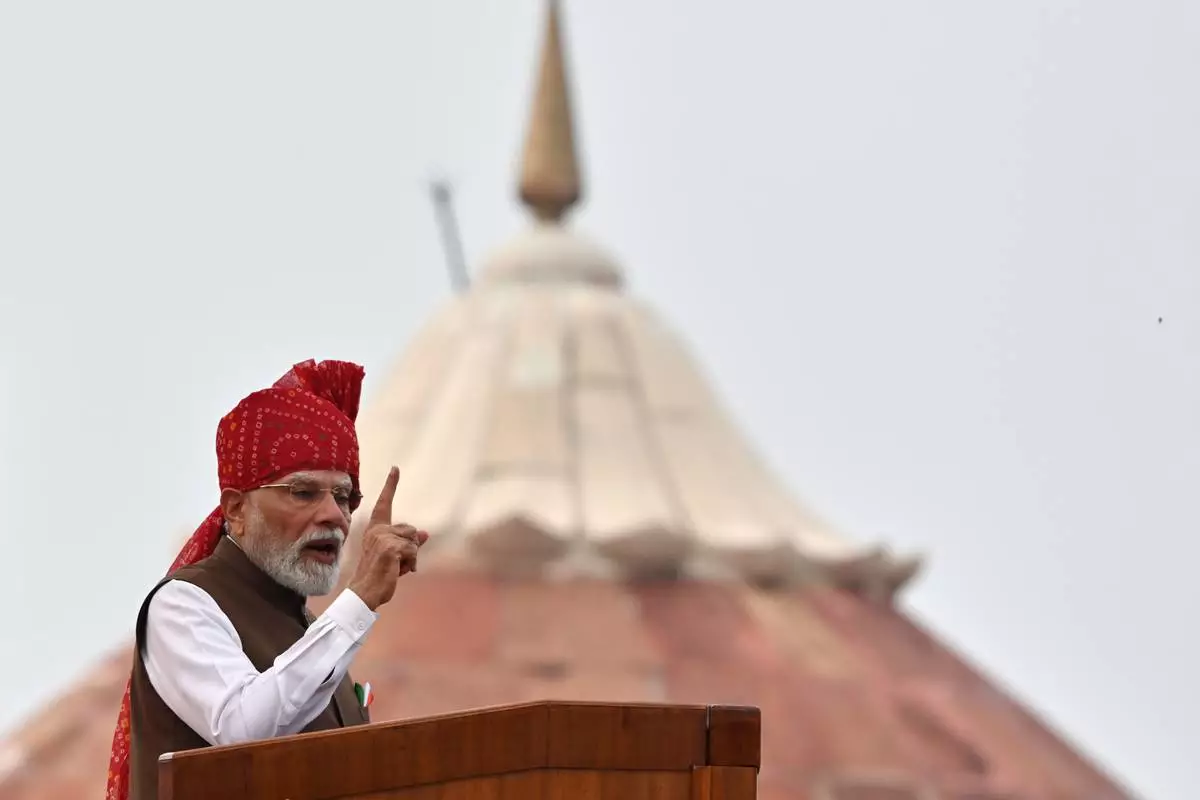
Indian Prime Minister Narendra Modi addresses the nation from the rampart of the 17th century Mughal-era Red Fort monument during the country's Independence Day celebrations in New Delhi, India, Saturday, Aug. 15, 2026. (AP Photo)