Marking the 81st anniversary of Japan's unconditional surrender at the end of World War II, a Myanmar media official said Tokyo has never properly faced its wartime crimes on the "Death Railway" and warned that distorting history would undermine regional peace and cooperation.
In 1942, the Japanese military pursued a brutal campaign to build a railway connecting Thailand and Myanmar, a strategic move to secure supply lines and tighten its grip on Southeast Asia.
More than 60,000 allied prisoners of war and hundreds of thousands of local laborers were forced into the project.
The inhuman conditions claimed the lives of more than 100,000 people, earning the railway its notorious name — the "Death Railway."
Japan has never offered an apology to Myanmar or other nations for the atrocities committed during the construction of the "Death Railway," said U Khin Maung Zaw, vice chairman of the Myanmar Press Council, in an interview with China Central Television.
"Take for example the Thanbyuzayat railway — the so‑called 'Death Railway.' Many Burmese were forced to work on it and lost their lives. But Japan has never really acknowledged that part of history, offered any apology, honored the victims, or promised such tragedy won't happen again. And it's not just Myanmar. The same goes for the Philippines, Indonesia, Malaysia, and other nations," he said.
He urged Japan to confront its wartime past and take a sincere path toward peace.
"These atrocities are historical facts. Hundreds of thousands were killed, and the scale is truly staggering. This is a reality that cannot be erased. If they simply deny or distort this part of history, it will undermine regional cooperation, peace and stability. Such an approach is extremely dangerous," he said.
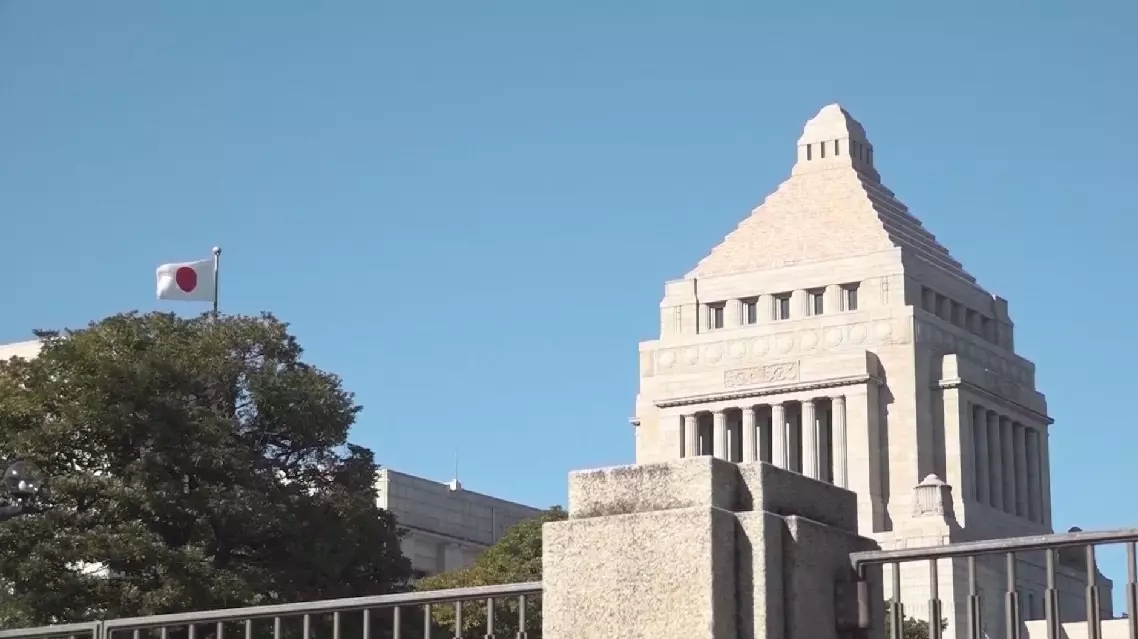
Myanmar media official urges Japan to face wartime atrocities on "Death Railway"