Russian President Vladimir Putin's visit to Iturup, a Far Eastern Kuril island known in Japan as Etorofu, was a signal to the United States and NATO that the status quo in the Far East is not open to negotiation, a Russian scholar said.
Russia and Japan have a longstanding territorial dispute over Iturup and three other Russian-controlled islands off the coast of Japan's northern Hokkaido prefecture. The four islands are known as the Southern Kuril Islands in Russia and as the Northern Territories in Japan.
Iturup is one of the Southern Kuril Islands, which have long been a source of friction in Russia-Japan relations.
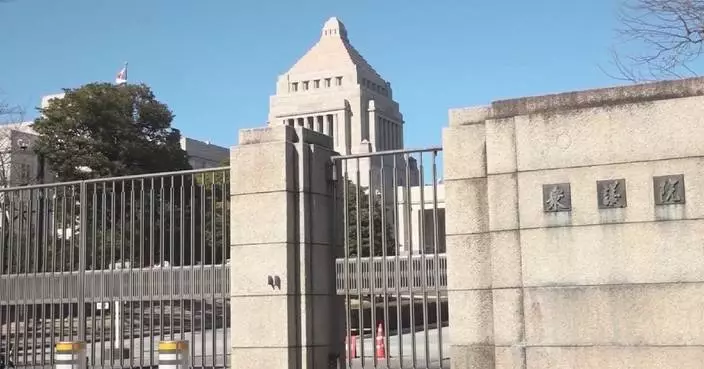
Putin made his first personal visit to Iturup on Thursday. The trip drew criticism from Japanese Prime Minister Sanae Takaichi, who said it "offends the feelings of the Japanese people".
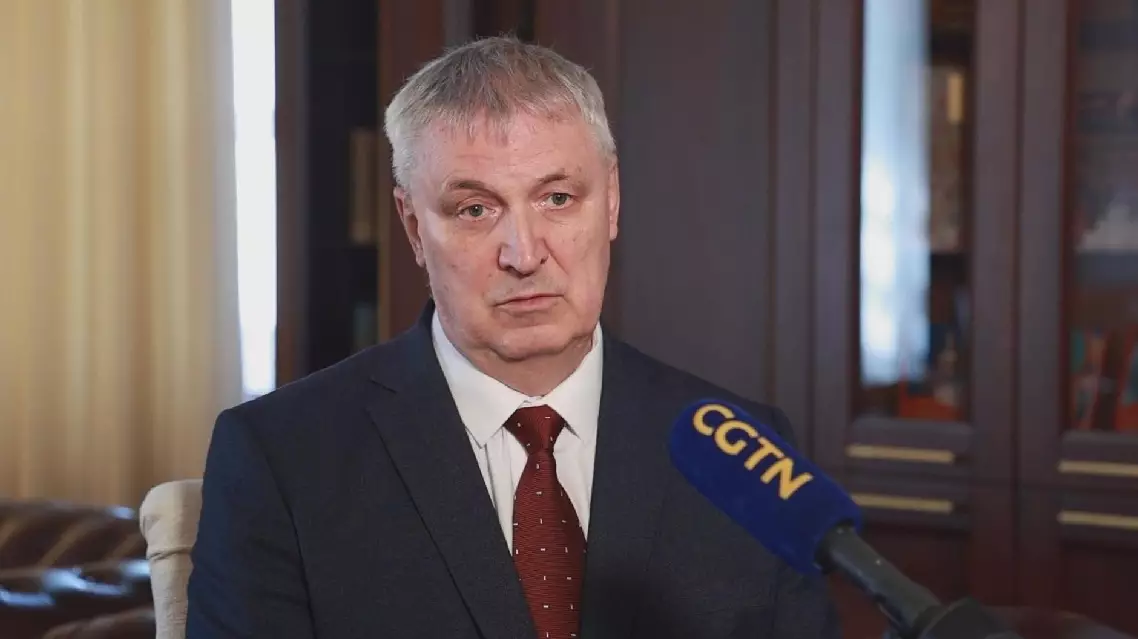
Andrei Fesyun, deputy director for research at the Institute of Asian and African Studies of Moscow State University, said the timing of the visit was linked to Putin's inspection of naval exercises.
"The timing was indeed good, I mean. This came during an inspection of naval exercises in the Sea of Okhotsk and the Sea of Japan. Everything there is quite close together. At times like this, the commander-in-chief is usually based in Yuzhno-Sakhalinsk, and Iturup is not far away. Of course, this was not a signal to Japan. It was a signal first and foremost to the United States and NATO. The existing arrangements in the Far East are not subject to change. They will not be up for negotiation and will be defended by every possible means. That is essentially what the Russian president wanted to convey," Fesyun said.
Fesyun described Russian-Japanese relations as complicated, saying Japan appeared unwilling to improve political ties even as it continued to purchase Russian energy resources.
"Russian-Japanese relations are a very complicated matter because, by and large, everything depends on Japan. Japan does not appear interested in improving political relations, although it continues to buy Russian resources -- mainly gas, oil and coal. It does not appear ready to give them up," Fesyun said.
Putin's Far East visit sends message to US, NATO: Russian expert