Forecasts of a potentially record‑strength Super El Nino stretching from mid‑2026 into early next year are threatening Brazil's cocoa harvests.
Farmers in Bahia, the country's key growing state, are bracing for severe drought after a previous El Nino devastated plantations.
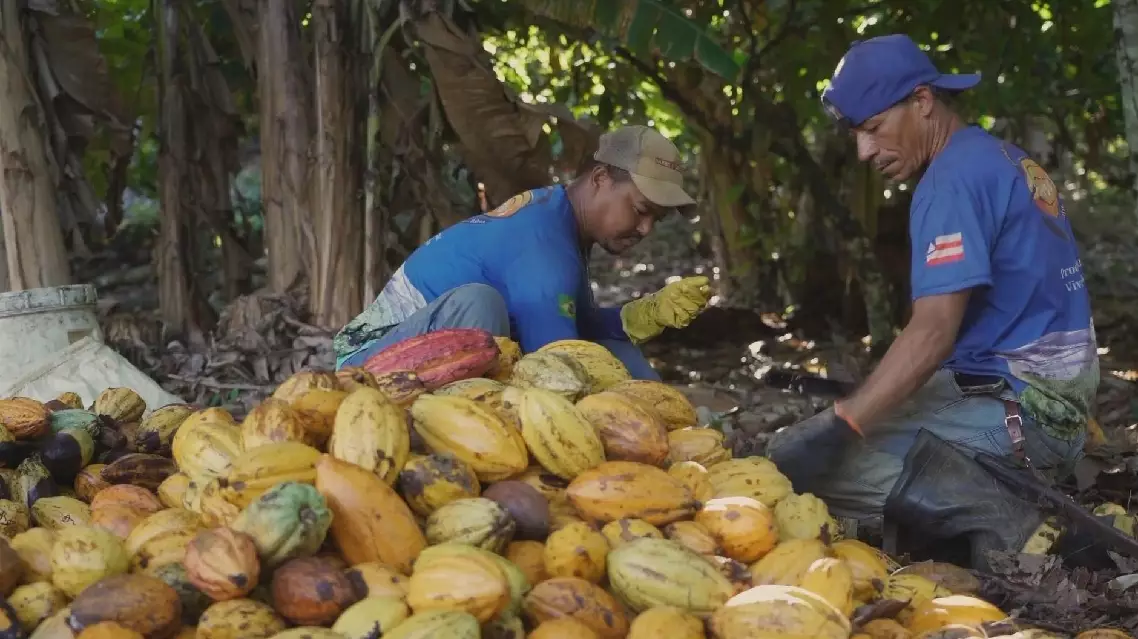
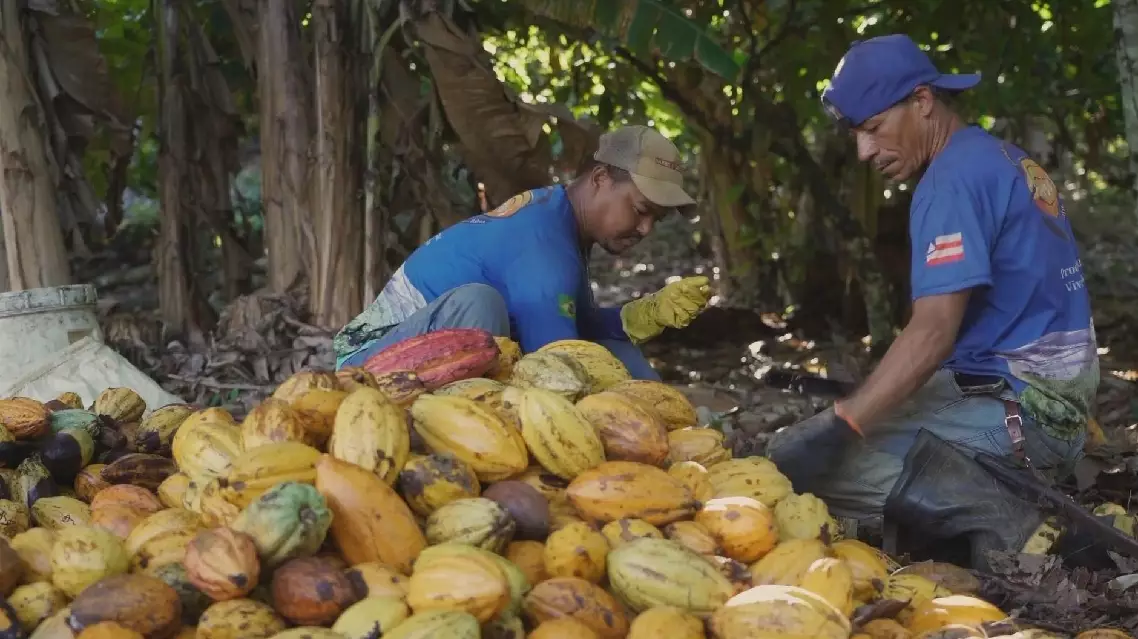
In Bahia's coastal city Ilheus, where cocoa has been cultivated for roughly 200 years, the crop grows in the shade of the remaining Atlantic Forest. The plant requires steady rain and is highly sensitive to drought.
Antonio Lavigne, a sixth-generation farmer, has introduced new varieties more tolerant to witches' broom, a fungus that arrived in the late 1980s, dried out infected plants and decimated plantations through the 1990s. Production in Bahia fell by more than 60 percent in just over a decade.
"What the region is going through today is really an adaptation — learning to live alongside the disease. We haven't managed to fully get back on our feet, but we've understood how to coexist with the problem, and little by little we're starting to bring in the solutions built up over this time," Lavigne said.
While farmers never fully beat the fungus, a strong El Nino in 2015 brought severe drought that destroyed plantations. Now they are bracing again.
"The fruit of the cocoa plant has a long production cycle, it takes six months. So anything that interferes during that period has a big effect on the harvest we end up with," Lavigne said.
At the Cocoa Innovation Center, new varieties have been developed to help farmers cope with witches' broom. But the center's director says little can be done now to shield current plantations from a severe El Nino. Where researchers have found success is adapting the plant to drier areas.
"We are moving cocoa cultivation to dry areas, specifically to adapt these plants to dry seasons or to different weather conditions. So now we have a program, a breeding program, 100 percent dedicated to drought tolerance," said Cristiano Dias, the center's director.
The beans still need sun to dry before processing, but the growing plants require a precise balance of heat, shade and moisture. Any drastic shift puts the entire harvest at risk.
Most of Brazil's cocoa is consumed domestically, but producers are pushing to expand exports. El Nino stands in the way, and the impact in the groves ripples through global markets and the livelihoods of the farmers who grow the crop.
Brazil's cocoa crop faces bitter outlook as super El Nino intensifies
Brazil's cocoa crop faces bitter outlook as super El Nino intensifies