Russia said on Saturday that its forces had taken control of a settlement in the Zaporozhye region, while Ukraine, on the same day, launched long-range strikes on a Russian aerospace center and a military airfield.
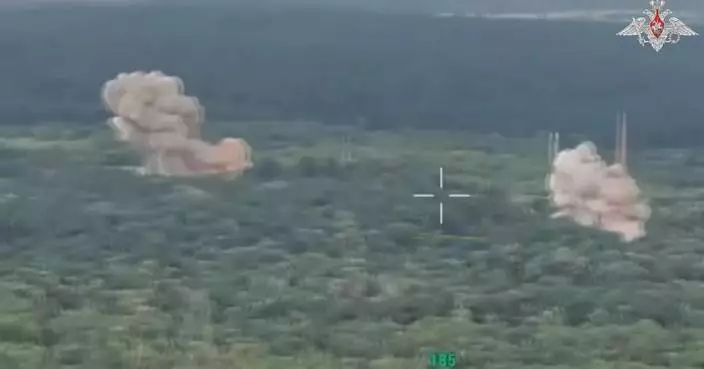
The Russian Defense Ministry said in its daily report that its forces had taken control of a settlement in the Zaporozhye region. Over the past 24 hours, Russian forces targeted Ukrainian logistics centers, fuel and energy facilities, transport infrastructure, and assembly workshops for long-range drones and uncrewed surface vessels, the ministry said.
The report added that Russian forces also struck 147 temporary deployment sites for Ukrainian troops and foreign mercenaries across various areas.
Meanwhile, Russian forces are continuing to strike Ukrainian port infrastructure and vessels serving the Ukrainian Armed Forces, the ministry said.
The General Staff of the Armed Forces of Ukraine reported on the same day that 233 combat engagements took place across the front lines over the past 24 hours, with Ukrainian forces repelling Russian attacks in multiple directions.
It also said that the Ukrainian forces struck Russian command posts, troop concentration areas, artillery systems, and drone control points.
In addition, Ukrainian forces attacked the Progress Rocket and Space Center in Russia's Samara Oblast, as well as a military airfield in Nizhny Novgorod Oblast, according to the report.
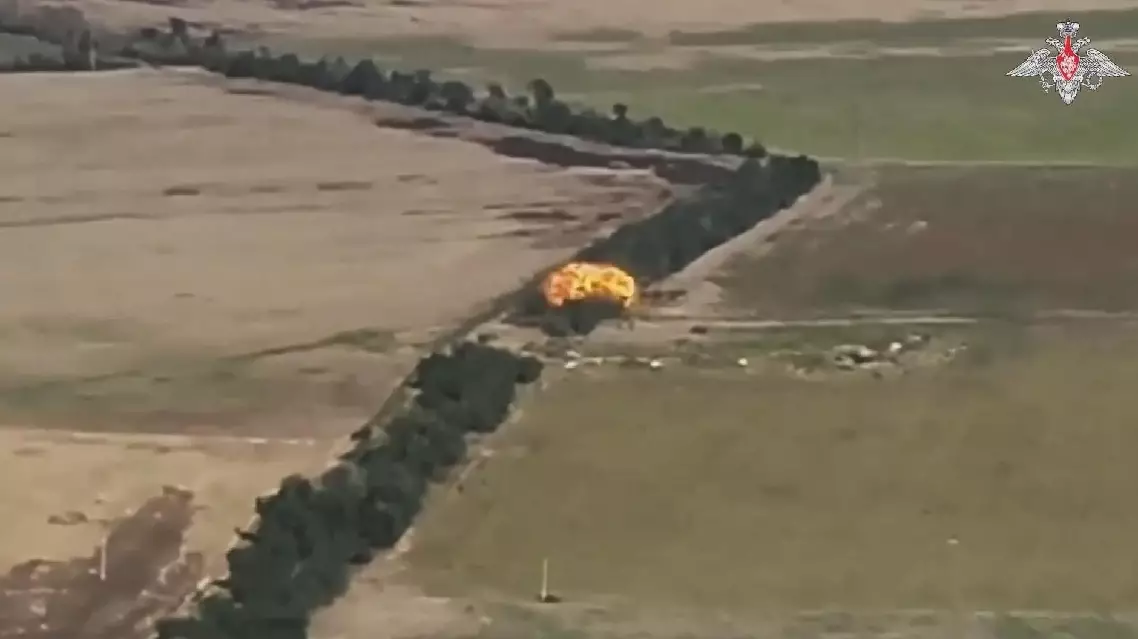
Russia claims control of new settlement, Ukraine reports hitting Russian military targets
The U.S. National Highway Traffic Safety Administration (NHTSA) has opened an investigation into Tesla's certification that its new Cybercab meets all applicable Federal Motor Vehicle Safety Standards (FMVSS).
The probe, formally designated as an Audit Query, was opened on Sept. 3 and covers an estimated 1,000 Cybercab vehicles, according to an NHTSA investigation document made public on Friday. It will examine the process and technical data Tesla relied upon when certifying the Cybercab, as well as related issues. Tesla began commercial deployment of a small number of Cybercab vehicles in Austin, Texas, on Thursday and notified the agency that it had certified the vehicles as compliant with all applicable FMVSS. Tesla also told the NHTSA that it plans to gradually expand commercial deployment of the Cybercab to include additional vehicles and locations.
The vehicles lack permanently attached conventional manual controls, such as a brake pedal, gas pedal, steering wheel and mirrors, according to the NHTSA.
The agency said the inquiry will examine, among other issues, the extent to which Tesla's certification depended on determinations that certain FMVSS are inapplicable to the Cybercab.
In the United States, the NHTSA establishes vehicle performance requirements, while automakers must certify that their vehicles meet applicable standards before entering the U.S. market, subject to agency oversight to confirm compliance. The NHTSA said it conducts investigations when certified vehicles appear not to adhere to those requirements.
U.S. regulator opens probe into Tesla Cybercab self-certification