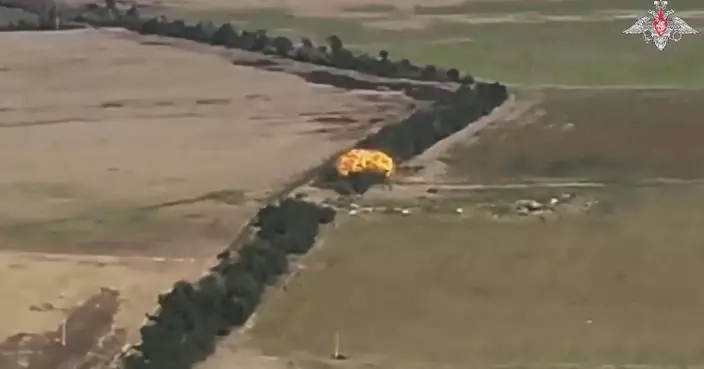
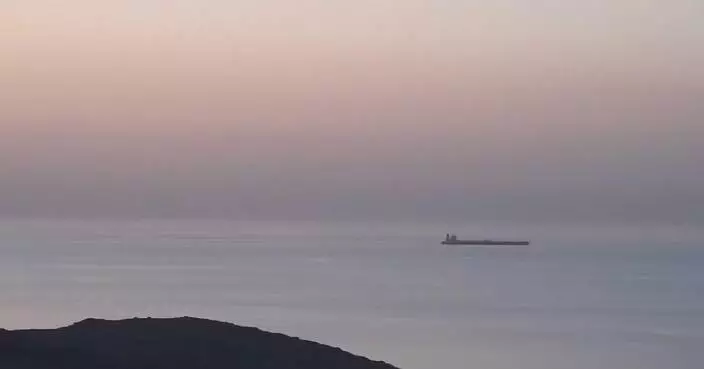
Iran's foreign ministry spokesman on Saturday accused the United States and Israel of being directly responsible for the current turmoil in the Strait of Hormuz, labeling it the fallout of their "illegal actions."
Esmaeil Baghaei said that the vital waterway had been fully open before the U.S. and Israel launched the "illegal military operations" against Iran. He blamed the two countries for exploiting the strait and adjacent areas to orchestrate attacks on Iran, thereby triggering the present instability.
As a littoral state, Baghaei emphasized, Iran has both the right and the duty to take all necessary measures to protect its national interests and security.
He also condemned the U.S. maritime blockade against Iran as an act of aggression, noting that it violates the memorandum of understanding previously reached between the two sides.
Despite the U.S. obstruction, Baghaei added, negotiations between Iran and Oman are moving forward constructively. The two countries have already struck a deal on a navigation scheme for shipping lanes through the strait.
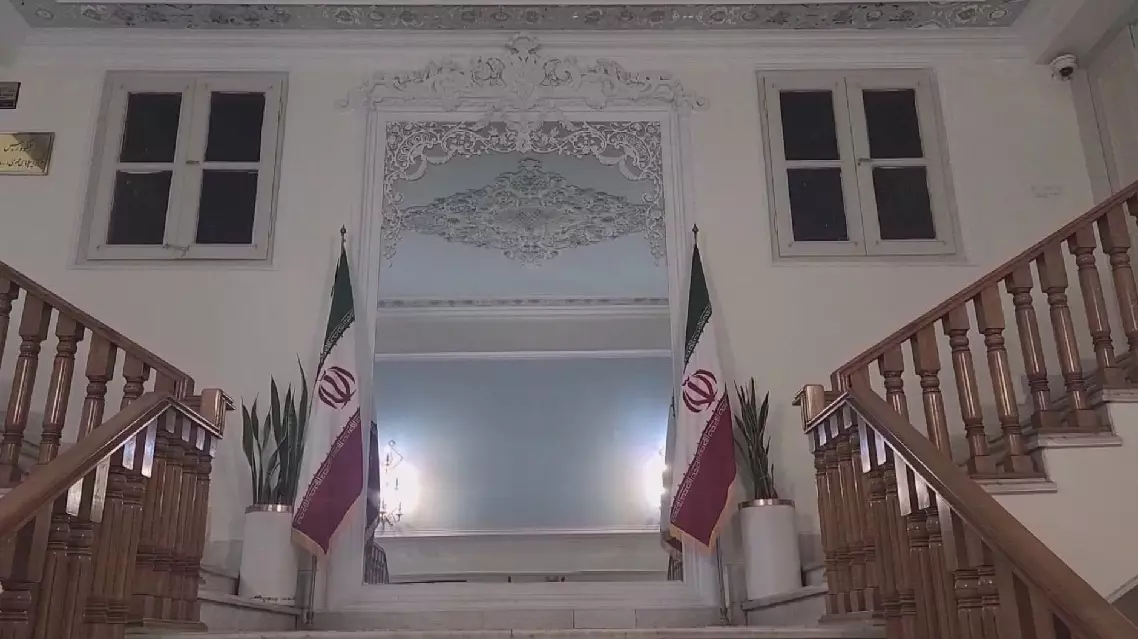
Iran blames US, Israel for Hormuz Strait instability
China's Shenzhou-23 astronauts have spent more than 80 days aboard the Tiangong Space Station, where they have advanced a broad slate of scientific experiments and operational training drills over the past week as the mission progresses steadily.
Last week, the three astronauts, namely Zhu Yangzhu, Zhang Zhiyuan, and Lai Ka-ying, carried out multiple parallel space science experiments and tests, according to the China Manned Space Agency (CMSA).
The crew completed in-orbit electroencephalogram (EEG) tests and behavioral experiments for the microgravity intuitive physics project, examining how prolonged spaceflight affects astronauts' brain functional networks and their ability to form intuitive physical representations.
They also collected and processed blood samples for research programs including bone metabolism interactive regulation and space integrative omics, supporting studies on the changing patterns of the human skeletal, nervous and other physiological systems during long-duration spaceflight.
In addition, kinematic characteristic experiments were conducted to provide support for ergonomic design and evaluation.
In the field of psychological and behavioral research, the trio finished an emergency decision-making capability assessment and an in-orbit emotional state test, part of ongoing work to track changes in crew performance and mental status throughout long-term on-orbit missions.
Alongside scientific endeavors, the astronauts pushed ahead with scheduled in-orbit training and emergency drills to reinforce their operational skills and response readiness.
Footage from the orbital complex shows the crew honing their skills on the on-orbit teleoperation rendezvous and docking training system, practicing manual docking, teleoperated docking and manual evacuation maneuvers by operating translation and attitude control handles.
They also completed in-orbit medical rescue training to familiarize themselves with rescue procedures and force application characteristics in a microgravity environment.
Furthermore, the crew carried out the second full-system pressure emergency drill, further consolidating their emergency handling capabilities and improving space-ground coordination efficiency.
China launched the Shenzhou-23 crewed spaceship on May 24. The mission includes a one-year in-orbit study designed to gather data for future long-duration human space missions.
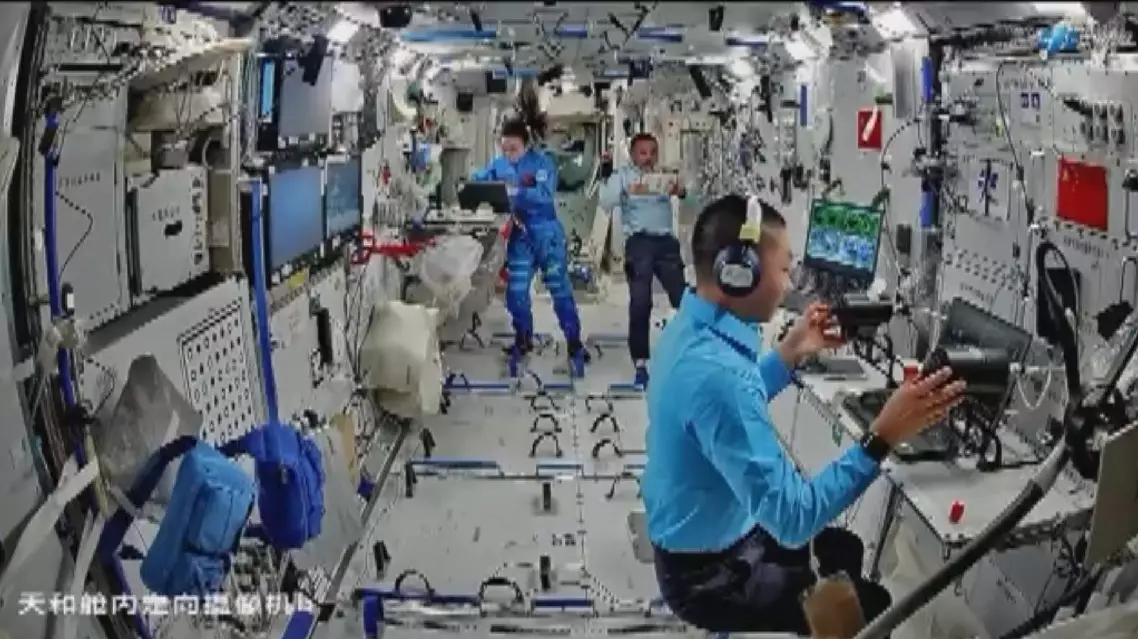
China's Shenzhou-23 crew advance space science experiments, in-orbit training