The Israeli military said on Sunday that a latest airstrike launched by Israeli forces killed a senior commander in Hezbollah's Badr regional division in southern Lebanon.
Lebanese media reported that at least four people were killed in the attack carried by Israeli forces a day earlier.
In a statement, the Israeli military said that Abu Hassan Alaa was killed late on Saturday in the strike on Deir al-Zahrani. It described the attack as "a response" to an earlier Hezbollah drone strike targeting Israeli troops in southern Lebanon that wounded three soldiers.
Lebanon's state-run National News Agency said Israeli warplanes struck a two-story building, killing at least four people and wounding five.
Also on Saturday, seven people were killed in heavy Israeli airstrikes on the southern village of Ansar, one of the deadliest Israeli attacks since a ceasefire was reached in 2024.
Israeli attacks have killed at least 4,300 people in Lebanon since the latest round of fighting began on March 2.
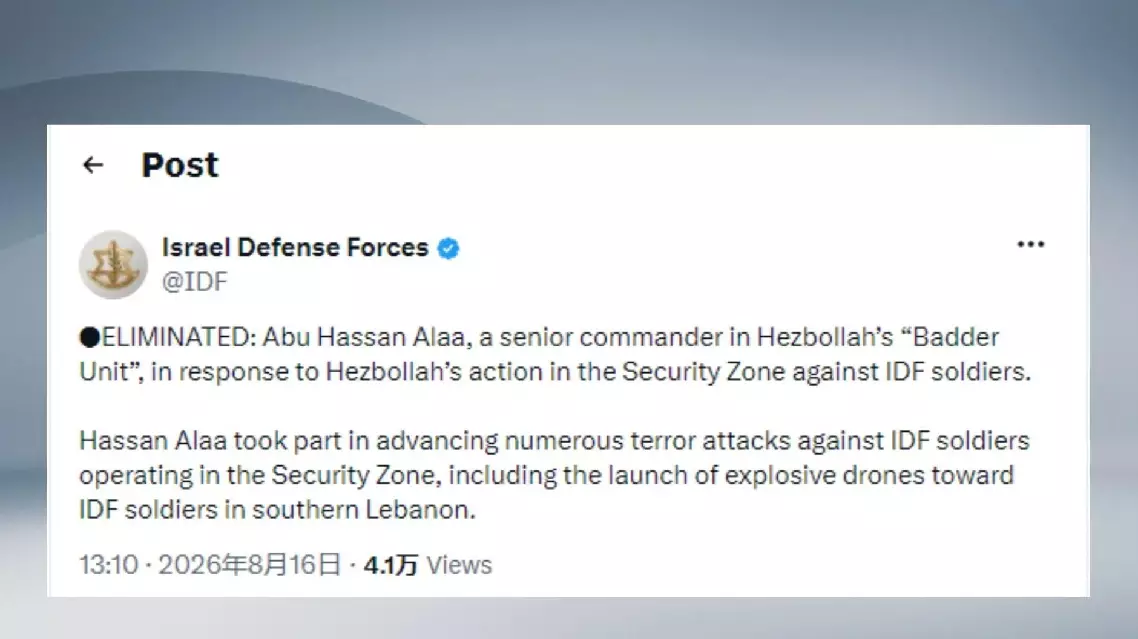
Israeli military says strike kills senior Hezbollah commander in southern Lebanon
China has completed this year's issuance of ultra-long special treasury bonds, bringing the total to 1.3 trillion yuan (about 193 billion U.S. dollars), after the Ministry of Finance issued such bonds to raise an additional 20 billion yuan on Friday.
The issuance is in line with this year's government work report, which proposed raising 1.3 trillion yuan through the bonds to support projects for implementing major national strategies and building security capacity in key areas, as well as large-scale equipment upgrades and consumer goods trade-in programs.
Of the total, 800 billion yuan was allocated to projects for implementing major national strategies and building security capacity in key areas.
Meanwhile, 250 billion yuan was used to support consumer goods trade-in programs, and 200 billion yuan to support large-scale equipment upgrades.
Furthermore, 50 billion yuan was earmarked for the establishment of a special fiscal-financial coordination fund to boost domestic demand.
Ultra-long special treasury bonds are an important component of China's current fiscal policy toolkit. Since 2024, China has issued such bonds for three consecutive years, reflecting the continued targeted efforts of a more proactive fiscal policy, according to analysts.
The bond issuance has injected momentum into consumption by boosting consumer goods trade-in programs. Driven by the trade-in programs, retail sales of communication equipment, high energy-efficiency home appliances, and wearable smart devices have maintained rapid growth.
In the first eight months of this year, trade-in programs covered 208 million transactions, involving the sales of 5.35 million vehicles, more than 91 million home appliances, and 108 million digital and smart products, official data showed.
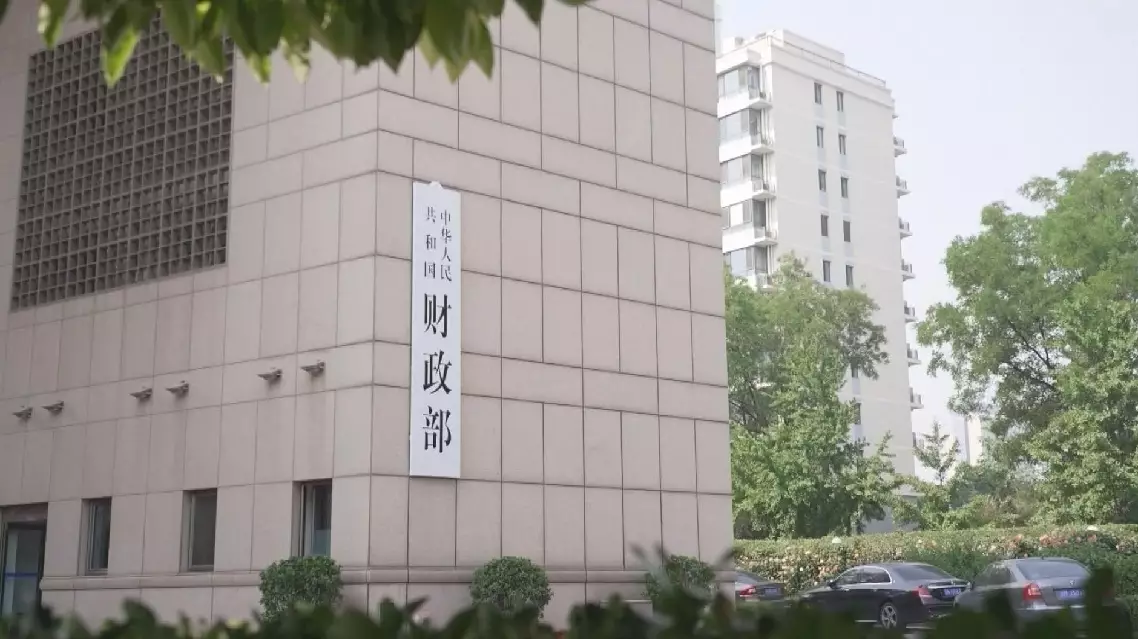
China raises 1.3 trillion yuan via ultra-long special treasury bonds issuance in 2026