The centuries-old Tunisian town of Sidi Bou Said is seeing a surge of global visitors after being newly-inscribed on UNESCO's World Heritage List, raising hopes that the influx will bring a welcome boost for the local economy and give renewed attention to preservation of the historic site.
Perched on a cliff overlooking the Mediterranean Sea and the ancient ruins of Carthage, Sidi Bou Said is known for its picturesque blue-and-white architecture, cobblestone alleys, and sweeping panoramic views.
The town was officially added the coveted UNESCO list late in July, marking the culmination of more than a century of efforts to protect the iconic site.
While the recognition is expected to raise its international profile, residents say it also brings heavier responsibility.
"Today, Sidi Bou Said has gained global recognition, 111 years after Tunisia first moved to protect its heritage. That status also brings greater responsibility, because the village is no longer only a Tunisian landmark; it is now part of the world's shared heritage. Preserving it for future generations is a source of pride for Tunisia, Africa and the Arab world," Said Hachem Lameri, a local heritage specialist.
For vendors and craftsmen, the UNESCO listing offers economic promise. Many hope the increased international exposure will translate into higher tourism revenue, fresh opportunities, and better profits.
Sidi Bou Said has long attracted foreign visitors drawn by its unique architecture, Mediterranean views, and even its appearances in popular culture and cinema.
One visitor said she had inspired to come by the 1968 French-language historical adventure film 'Angelique and the Sultan.'
"It is the first time I am in Tunisia, but I like this place. I decided to visit this place because of my love for 'Angelique and the Sultan'. It was filmed in this village. I like it, it's pretty nice," said Adriana, a European tourist.
With new investment and increased global attention following the listing, experts say the town's future growth will depend on a clear roadmap to develop local industry and continued efforts to preserve its unique cultural identity.
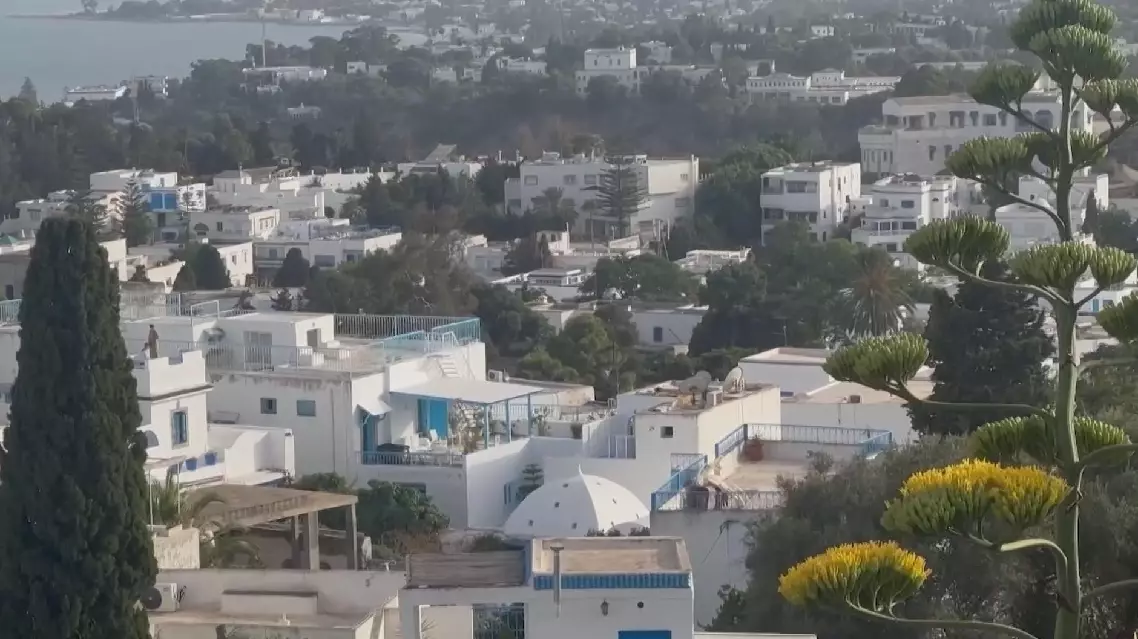
Historic Tunisian town sees surge in tourism after UNESCO listing
Hungary's wine industry is now confronting a critical threat to its harvest as the country has been gripped by prolonged periods of extreme weather, including scorching temperatures and persistent droughts since the start of summer.
The intense heat and extended dry spell have seen water levels of the Danube River -- the lifeblood of the Hungarian agriculture sector -- repeatedly fall to historic lows, placing widespread pressure on the farming industry and spelling bad news for winemakers. Experts anticipate this year's grape yield could fall by around 30 percent compared to previous years.
In the traditional wine-producing region of Balatonfured in western Hungary, companies are feeling the impacts first-hand. The ongoing drought has severely degraded soil moisture, leaving the vines water-stressed and limiting grape development.
"As the soil dries out, the vines become increasingly dependent on rainfall. Without timely rain, the tiny grapes can't grow to the right size, and in extreme heat with little rain, the vines may prioritize survival over reproduction, sacrificing fruit development," said Attila Jasdi, the owner of the Wine Cellar Ltd Jasdi Csopak, a firm which was established back in the mid-19th century.
Echoing these concerns, agricultural economist David Hollosi also stressed that such conditions threaten both the quality and quantity of the harvest.
"The current situation has brought multiple challenges to the grape-growing industry. The impact of heat waves can damage grape quality, affecting not only yield but also altering the internal composition of the fruit. The harvested grapes often fail to reach their previous quality," he said.
Locally, farmers and vintners face a shrinking window for optimal picking, as ripening occurs much earlier than usual.
"Two years ago, during the harvest season, we encountered a similar situation. The moisture content of the grapes was decreasing almost daily, which meant that as the harvest progressed, the berries were shrinking, leading to a lower yield and poorer quality of wine," said Jasdi.
"(When I was a child) the harvest usually took place in mid-to-late October or early November. However, due to climate change and rising temperatures, the harvest season has started much earlier. Winemakers often begin harvesting as late as the end of Wine Week in late August," said Istvan Boka, the mayor of Balatonfured.
Beyond the drought, insiders also warn the industry faces alarming threats from pests and diseases.
"The wine industry is currently facing significant challenges. We are confronting three particularly thorny issues: climate change, changing wine consumption habits, and a grape disease known as golden vine caused by phytoplasma, for which there is currently no effective treatment. Therefore, local producers face enormous challenges. Some problems have solutions, others are difficult to solve. But viticulture and winemaking have never stopped, and we remain committed to addressing all these challenges," said Peter Csiszar, wine district curator for the Csopak and environs region within the Balatonfured-Csopak wine district.
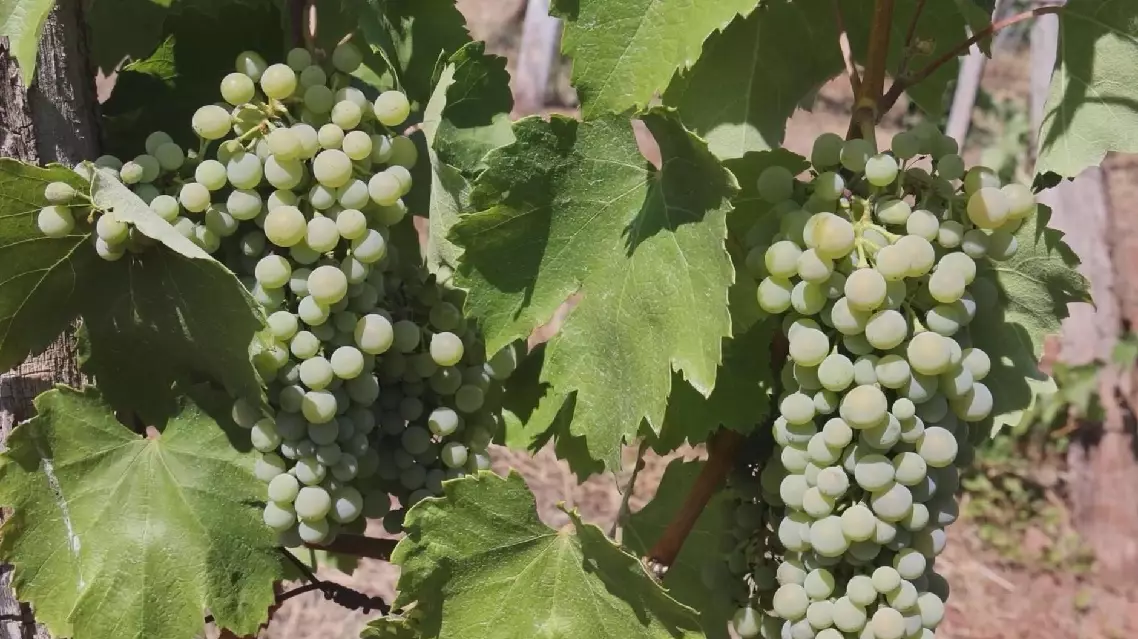
Hungary's wine industry under threat amid record heatwave