Hungary's wine industry is now confronting a critical threat to its harvest as the country has been gripped by prolonged periods of extreme weather, including scorching temperatures and persistent droughts since the start of summer.
The intense heat and extended dry spell have seen water levels of the Danube River -- the lifeblood of the Hungarian agriculture sector -- repeatedly fall to historic lows, placing widespread pressure on the farming industry and spelling bad news for winemakers. Experts anticipate this year's grape yield could fall by around 30 percent compared to previous years.
In the traditional wine-producing region of Balatonfured in western Hungary, companies are feeling the impacts first-hand. The ongoing drought has severely degraded soil moisture, leaving the vines water-stressed and limiting grape development.
"As the soil dries out, the vines become increasingly dependent on rainfall. Without timely rain, the tiny grapes can't grow to the right size, and in extreme heat with little rain, the vines may prioritize survival over reproduction, sacrificing fruit development," said Attila Jasdi, the owner of the Wine Cellar Ltd Jasdi Csopak, a firm which was established back in the mid-19th century.
Echoing these concerns, agricultural economist David Hollosi also stressed that such conditions threaten both the quality and quantity of the harvest.
"The current situation has brought multiple challenges to the grape-growing industry. The impact of heat waves can damage grape quality, affecting not only yield but also altering the internal composition of the fruit. The harvested grapes often fail to reach their previous quality," he said.
Locally, farmers and vintners face a shrinking window for optimal picking, as ripening occurs much earlier than usual.
"Two years ago, during the harvest season, we encountered a similar situation. The moisture content of the grapes was decreasing almost daily, which meant that as the harvest progressed, the berries were shrinking, leading to a lower yield and poorer quality of wine," said Jasdi.
"(When I was a child) the harvest usually took place in mid-to-late October or early November. However, due to climate change and rising temperatures, the harvest season has started much earlier. Winemakers often begin harvesting as late as the end of Wine Week in late August," said Istvan Boka, the mayor of Balatonfured.
Beyond the drought, insiders also warn the industry faces alarming threats from pests and diseases.
"The wine industry is currently facing significant challenges. We are confronting three particularly thorny issues: climate change, changing wine consumption habits, and a grape disease known as golden vine caused by phytoplasma, for which there is currently no effective treatment. Therefore, local producers face enormous challenges. Some problems have solutions, others are difficult to solve. But viticulture and winemaking have never stopped, and we remain committed to addressing all these challenges," said Peter Csiszar, wine district curator for the Csopak and environs region within the Balatonfured-Csopak wine district.
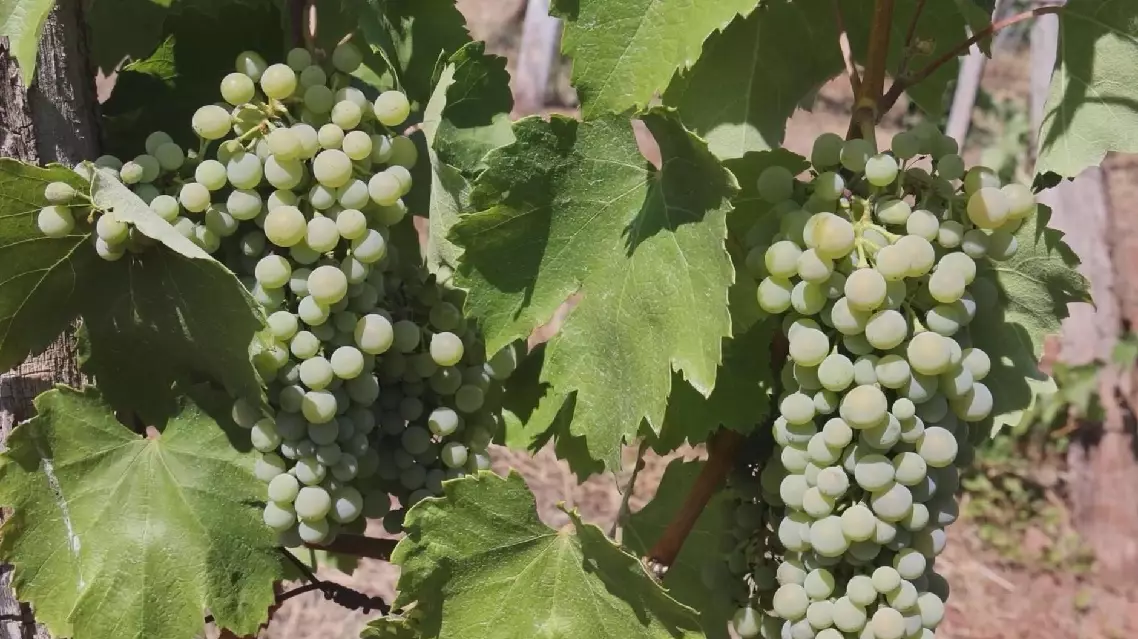
Hungary's wine industry under threat amid record heatwave
An ongoing Ebola outbreak in Ituri Province of the Democratic Republic of the Congo (DRC) is increasingly blocking access to routine health services, with medical workers warning that the fear of infection is driving expectant mothers away from clinics and putting both women and newborns at greater risk.
The DRC has recorded 4,945 confirmed cases, including 2,325 deaths, since the current outbreak began earlier this year, putting the case fatality rate at 47 percent, according to a situation report released Sunday by the country's health authorities.
The latest death toll has now surpassed that of the 2018-2020 Ebola outbreak in eastern DRC, making the current epidemic the deadliest Ebola outbreak ever recorded in the country.
Fears over the spread of the disease means many are choosing to stay away from medical facilities. At the Elikya Hospital in the provincial capital Bunia, some staff say prenatal attendance has fallen despite efforts to reassure pregnant women and encourage them to continue regular checkups.
Midwife Leonie Banana said missed appointments can prevent early detection of problems that can often be managed if caught in time.
"When women miss appointments, it becomes difficult to know in time if the fetus has a problem. We can sometimes detect these complications before they become serious. But when women stay home for fear of infection, we see more complications, including stillbirths and premature births," she said.
The anxiety is palpable among those who do seek care. Janviette Ishara, a new mother who delivered during the outbreak, described the emotional strain of being treated near an Ebola treatment center, and said the surrounding environment and memories of Ebola-related deaths heightened her fear.
"It was really stressful because I was in a clinic near the Ebola treatment center. Even when the nurses and midwives came to see us, it sometimes traumatized me. We had also witnessed many Ebola-related deaths. I thought to myself, 'Lord, I don't want to risk catching this disease,'" said Ishara.
The United Nations Population Fund (UNFPA) said the indirect impact of the outbreak is showing up in maternal mortality figures. According to UNFPA, maternal deaths rose from 3.1 to 5.8 per week between May 25 and July 19 this year. National data also indicated that deaths occurring outside healthcare facilities nearly doubled, a trend that health experts often associate with delayed care and untreated complications.
To limit the risk of infection, healthcare teams continue to strive for continuity of care, while enhancing Ebola safety protocols.
"Several healthcare facilities were closed for a period of time. We too were closed for 21 days. Healthcare staff were quarantined to ensure that no one showed any signs of the disease and thus prevent any potential contamination of patients. Then, we disinfected the entire facility before reopening it to patients. I would like to reassure women that the hospital is now safe. It is better to come here for treatment than to manage complications at home," said Yazid Yacim, medical director of the Elikya Hospital.
Despite these attempted reassurances, a sense of anxiety persists, complicating treatment for both pregnant women and other patients including children. Health workers hope that their efforts will help to restore trust, so all patients can continue accessing the care they need without fear of contracting Ebola.
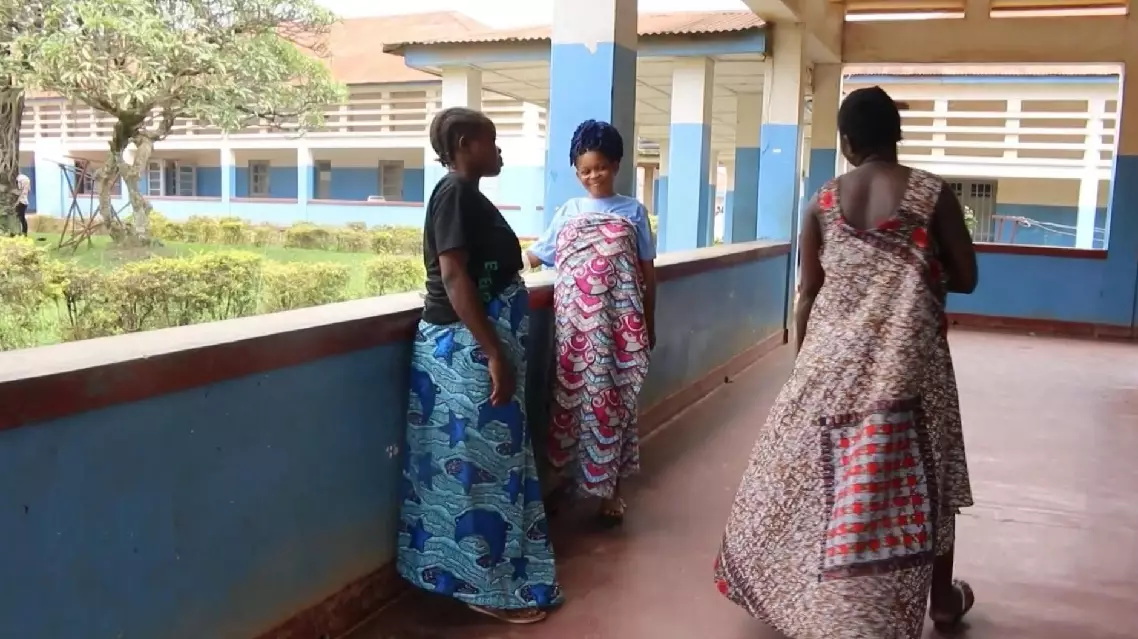
Ebola fears keep pregnant women away from medical centers in DRC