A senior official of the Communist Party of China (CPC) has called on Daoist communities around the world to contribute to promoting world peace and development, and building a community with a shared future for humanity.
Wang Huning, a member of the Standing Committee of the Political Bureau of the CPC Central Committee and chairman of the National Committee of the Chinese People's Political Consultative Conference, made the call in a congratulatory letter to the sixth International Daoism Forum, which opened on Thursday in Hangzhou, east China's Zhejiang Province.
In the letter, Wang said the Chinese government has consistently supported the Chinese Daoist community in conducting international dialogue and exchanges on the basis of independence, equality, friendship and mutual respect.
The International Daoism Forum and the World Federation of Daoism have emerged as important platforms for dialogue and exchange among Daoist communities worldwide, helping to share Daoist wisdom, promote equal dialogue and foster broad consensus, Wang added.
Addressing the opening ceremony, Li Ganjie, a member of the Political Bureau of the CPC Central Committee and head of the United Front Work Department of the CPC Central Committee, said Daoist culture holds profound and unique value for the world.
Around 500 participants from 46 countries and regions, including representatives of Daoist communities, experts and scholars, are attending the event.
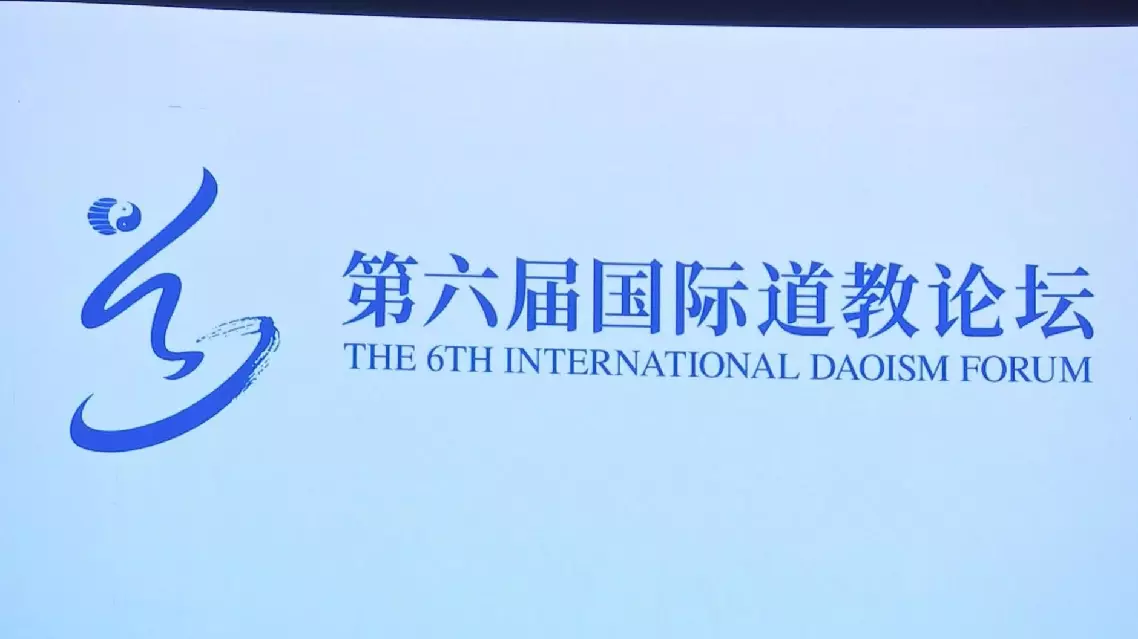
Senior CPC official urges Daoist communities to help build community with shared future for humanity
China's imports of agricultural products in 2025 rose by more than 60 percent compared with 2017, the year before the China International Import Expo (CIIE) was launched.
At the ninth CIIE which opened in Shanghai on Thursday, guests said that the expo greatly facilitated the entry of overseas agricultural products into the Chinese market.
China is the world's second largest import market for agricultural produce, and also the largest importer of crabs.
In 2025, the country imported more than 130,000 tons of crabs, nearly 90 percent of them live.
"The reason why live crabs can be supplied to China year-round is that China has opened up market access to most crab species from major crab-producing countries. Currently, live crabs from over 20 countries and regions can be exported to China. Among them, mud crabs have the most sources, including 17 countries and regions such as Vietnam, Myanmar and Bangladesh," said Cao Derong, president of the China Chamber of Commerce of Import and Export of Foodstuffs, Native Produce and Animal By-Products (CFNA).
China's massive consumer demands also helped change the lives of local farmers.
"In the Shyamnagar area along the coast of Bangladesh, more local female residents have found employment as the mud-crab-farming industry expanded. They mainly work as 'inspectors', checking the water quality and environment of crab boxes every three hours. In this area alone, about 10,000 people work on crab farms," said Cao.
"Under the framework of the World Trade Organization, China's average bound tariff rate on agricultural imports is about 15 percent, far below the averages of developed and developing countries, which are around 35 percent and 55 percent, respectively. China is providing full-coverage zero-tariff treatment to all African countries with diplomatic ties, and to all least developed countries with diplomatic relations. This is an important contribution to the economic development of the Global South and developing countries around the world," said Tu Xinquan, dean of the China Institute for WTO Studies, University of International Business and Economics.
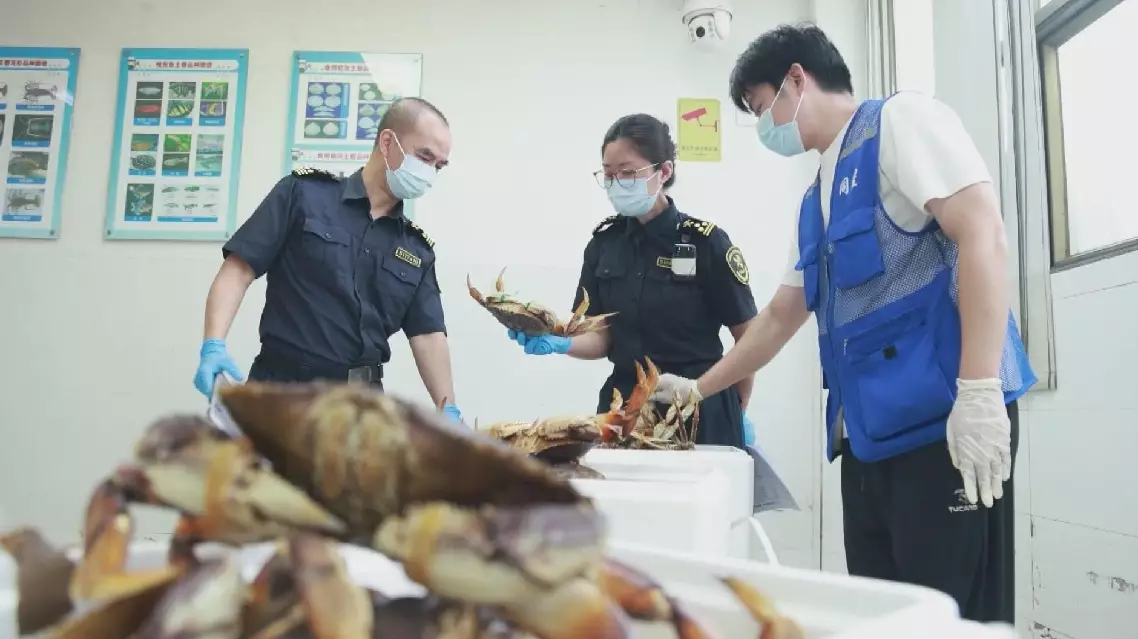
China's agricultural imports increase over 60 percent after CIIE launch