The 22nd round of ocean discharge of nuclear-contaminated wastewater from Japan's crippled Fukushima Daiichi Nuclear Power Plant was completed on Monday afternoon, discharging 7,888 tons of such wastewater, said the plant's operator, Tokyo Electric Power Company Holdings (TEPCO).
The newly discharged wastewater contained approximately 1.3 trillion becquerels of radioactive tritium, TEPCO said.
The latest release, also the fourth round in fiscal 2026, began on July 30.
Despite concerns and opposition from the international community, Japan unilaterally launched the discharge of nuclear-contaminated water from the Fukushima Daiichi plant into the ocean in August 2023. As of the completion of the 22nd round, the cumulative volume released has reached about 173,000 tons.
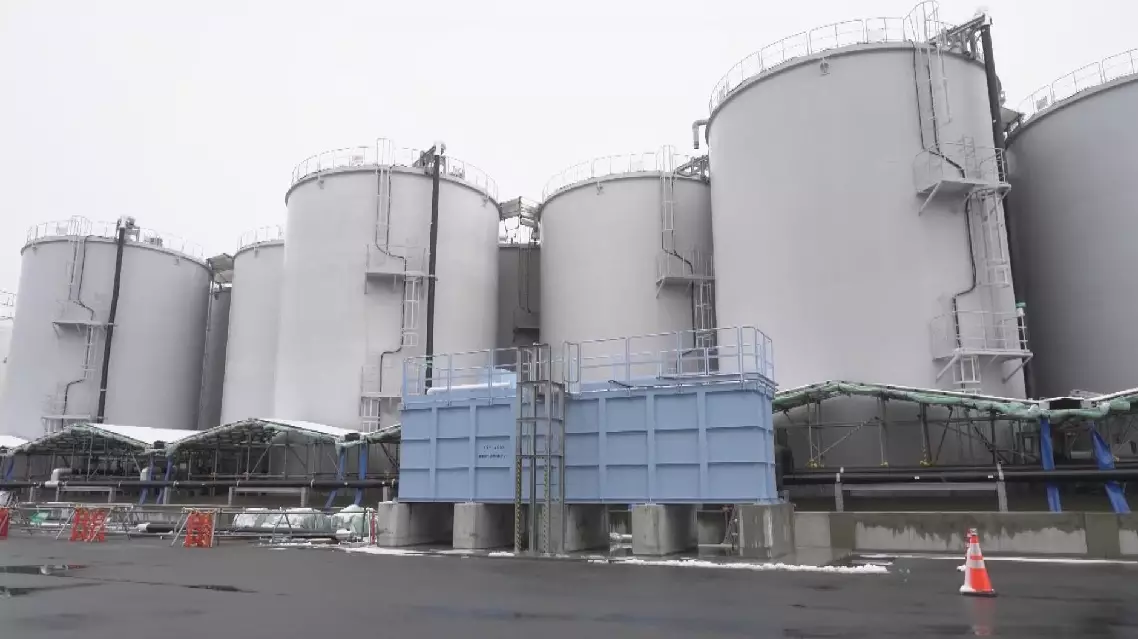
Japan releases nearly 8,000 tons of nuclear-tainted wastewater in latest ocean discharge
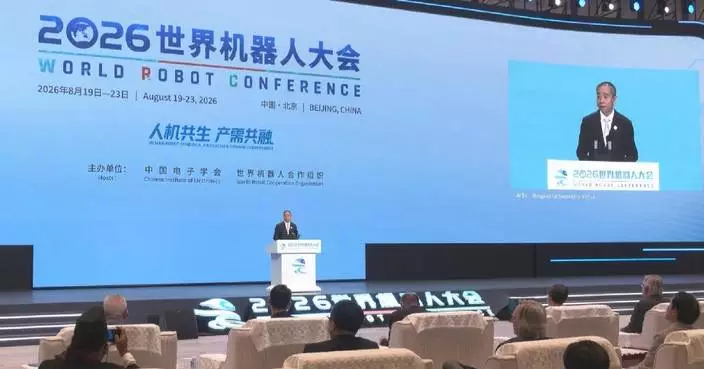
The 2026 World Robot Conference opened in Beijing E-Town on Wednesday, bringing more than 3,000 exhibits, with one tenth of them premiered.
Running for five days, the event has drawn over 300 exhibitors, up 69 percent from last year, and more than 60 activities are on agenda.
"We have built a 600-square-meter immersive zone with several hundred products on display. We designed scenarios like a cyber training camp, a real-life industrial park, and a future-life house to show innovative applications of robots. Visitors can even remotely operate the robots on their own and experience the latest robotic technologies," said Fang Pei, procurement and sales head at JD Embodied Intelligent Robotics.
Apart from the larger scale, the exhibition at this year's conference shifts more from individual robot skills to scenarios of their working applications.
At the booth of a Humanoid Robot Innovation Center, the robot Tiangong, once a "marathon runner" in previous robot marathon competitions, performs various jobs. Controlled through large models, Tiangong can carry goods, conduct quality inspections, and do other work.
In a household scenario, Tiangong can execute orders of users like finding sausage and putting in into a designated container.
"The general trend shows that the industry is now shifting the focus from robot bodies, its motion and manufacturing to its intelligence and ability to working in the real world," said Xiong Youjun, general manager of the Beijing Humanoid Robot Innovation Center.
The expansion of the exhibition scale aligns with the sector's rapid growth as a whole. According to the Ministry of Industry and Information Technology, China's industrial and service robot output rose 28 percent and 11.9 percent year on year in the first half of 2026, respectively. Chinese-developed quadruped robots now account for nearly 70 percent of global sales, with more than 400 domestically-built humanoid robot models, over half of the world's total.
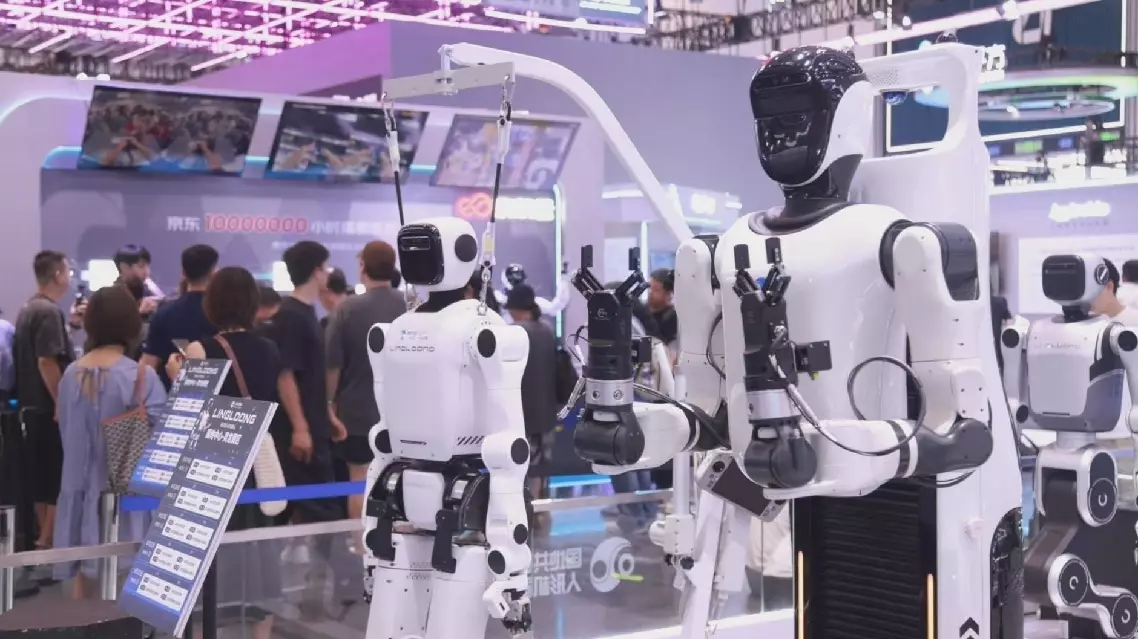
World Robot Conference features real-life applications