NEW YORK (AP) — Flight attendants and pilots are at the highest risk of dying from radiation-related cancers — even more than people who work with radioactive materials, according to a new study.
Cosmic radiation comes from space. Only a small amount reaches the Earth's surface, but exposure is greater for people flying at high altitudes.
There’s been limited evidence from small studies suggesting that the exposure translates to higher cancer death rates among people who fly often — particularly pilots and flight attendants. The new study “brings important new evidence to bear on this question,” two Australian radiation experts who weren't involved in the research wrote in an accompanying commentary.
The latest study, published Monday by JAMA Internal Medicine, used national data from more than 12 million death certificates that included information about occupations. The authors looked at death rates from cancers that are tied to radiation exposures, including leukemia, lymphoma, multiple myeloma, and cancers of the skin, breast, thyroid, prostate and central nervous system.
Among more than 500 occupations, flight attendants had the highest percentage of deaths from radiation-related cancers, and pilots were second, the researchers found. For those two occupations, the odds of dying were unusually high for each type of radiation-related cancer.
Neither group showed higher-than-normal death rates from cancers that aren't tied to radiation exposure, noted the commentary writers, Catherine Olsen and Ken Karipidis. That fact “supports the hypothesis that occupational radiation exposure, rather than lifestyle or socioeconomic factors, underlies the observed excess,” they wrote.
The researchers found that flight attendants had about 50% higher odds of dying from a radiation-related cancer than the general working population, and pilots had about 36% higher odds.
In terms of absolute risk, about 6.9% of flight attendant deaths were from these cancers — roughly 1 in 14. Among pilots, it was 6.7%. For the general working population, it was 5%, said the study's first author, Dr. Vishal Patel of Harvard Medical School.
The authors acknowledged some limitations in their study. They do not know how much exposure each flight attendant and pilot got in the air or from other sources. It's also possible occupations were misclassified on some death certificates.
They also could not account for another possible contributor specific to the professions: Cancer risk can be worsened by frequent disruption of the body’s internal clock, which can be affected by jet lag, crossing time zones and irregular work schedules.
The Federal Aviation Administration has acknowledged that aircrews are exposed to ionizing radiation, but the government does not set federal dose limits or require monitoring, the authors noted.
“You can't manage an exposure you've decided not to measure,” Patel said in an email.
Sara Nelson, who leads a union representing 55,000 flight attendants, said the report reinforces that radiation exposure needs to be taken seriously, as the union has suggested for years.
“The risk is known, but crew are not educated or informed. And, no one is taking responsibility,” said Nelson, president of the Association of Flight Attendants-CWA.
Annual skin examinations may be warranted for all people working on high-altitude flights, and women in those jobs may want to get mammograms earlier or more frequently, Olsen and Karipidis wrote. Doctors who care for pilots and flight attendants also should have a “heightened index of suspicion” for cancer when evaluating these patients, they said.
The Associated Press Health and Science Department receives support from the Howard Hughes Medical Institute’s Department of Science Education and the Robert Wood Johnson Foundation. The AP is solely responsible for all content.
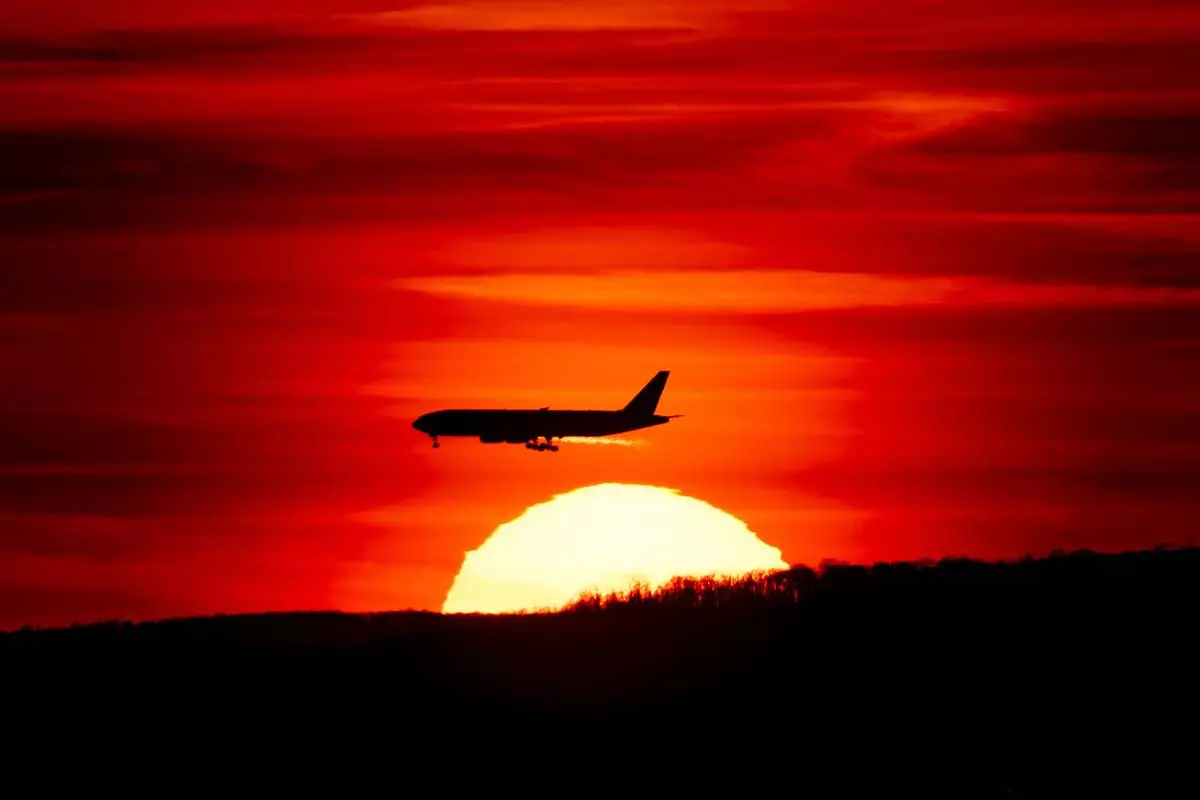
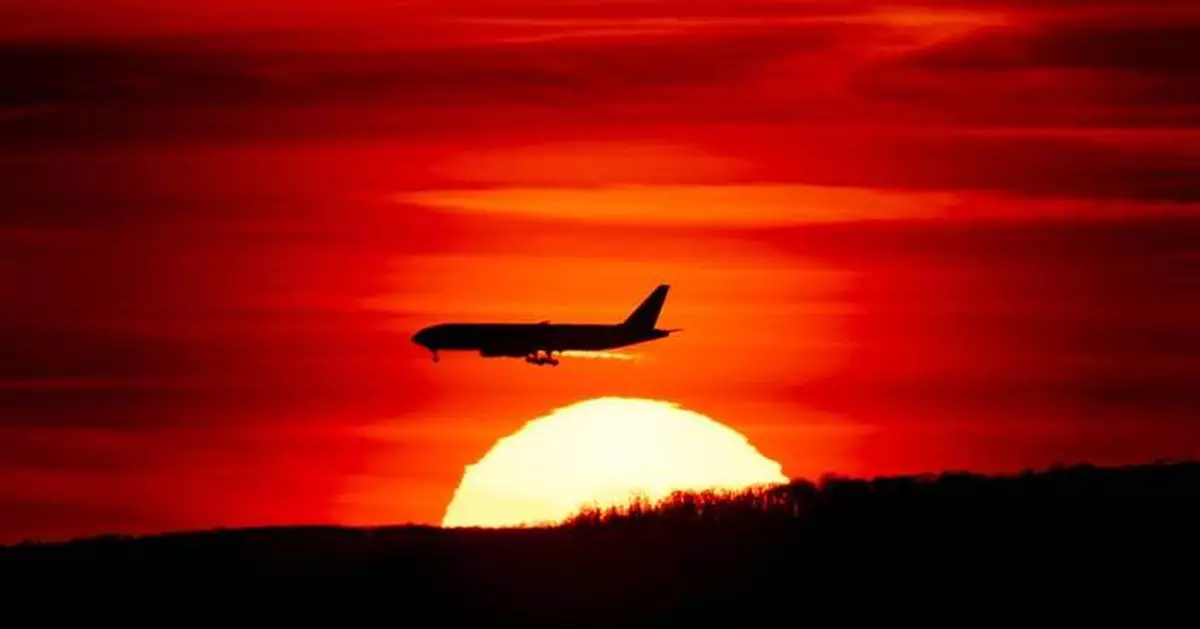
FILE - A passenger jet on approach to Newark Liberty International Airport flies over the setting sun in Newark, N.J., March 27, 2019. (AP Photo/J. David Ake, File)
LAS VEGAS (AP) — Some members of Tupac Shakur's family stepped out of the courtroom Tuesday before prosecutors showed photos from his autopsy at the Las Vegas trial of Duane “Keffe D” Davis, who is charged with orchestrating the 1996 drive-by shooting that killed the rap giant.
Others remained in the courtroom to face the grim facts of what happened to his body.
Dr. Lisa Gavin, a forensic pathologist and medical examiner for Clark County, Nevada, was among the early witnesses on the second day of testimony. Jurors were shown a photo of a green body bag at the beginning of her questioning, followed by a grisly photo of his body. Some relatives who remained in the courtroom looked away. One woman got up to leave once the photos were shown.
Shakur’s cousin Zayd Akinyela said he wanted to stay in court to learn more.
“I feel like the details, especially for people that are close to him, honestly for me helps, helps the grief process. I think we’ve been waiting 30 years to grieve properly,” Akinyela told The Associated Press outside the courtroom. “A lot of people don’t get to grieve until they understand what happened to their loved one and how it happened. He added, “That’s why I wanted to stay and just see for my own personal closure.”
Akinyela said he hadn't known how many times his cousin was shot. Gavin described three bullets, one of which traveled through Shakur's chest, including through a lung. That caused his lung to collapse and bleed, and doctors ultimately removed the damaged lung in an effort to save his life, she said.
Additional bullets damaged his intestines and other parts of his body, she said.
Jurors looked intently at the photos of Shakur’s body, which was bloated and had multiple chest wounds. The nearly full courtroom was quiet. One photo showed his tattoos and the chest tubes that were still in his body from the six days he spent in the hospital before dying.
The images were not shown in the video feed from the trial.
Gavin was not at Shakur’s autopsy but was called as an expert witness because the examiner from 30 years ago has since died.
As Gavin explained the photos, Davis sat still, looking at the screen in front of him. He occasionally whispered in his attorney’s ear.
Family members who had stepped out returned for the testimony of subsequent witnesses.
Akinyela said the photos made him feel “Very angry, very angry, to say the least, very sad.”
But he said, “I’m very spiritual, so just seeing the body doesn’t affect me the same way as it might some people. I do believe that his spirit is still around and still lives on through his family and through his legacy.”
Prosecutors allege Shakur was killed to avenge Shakur’s entourage attacking Davis’ nephew Orlando “Baby Lane” Anderson a few hours earlier at the MGM Grand after a Mike Tyson fight.
On Tuesday, jurors were shown the casino's surveillance video of the clash. The camera, which panned back and forth in the MGM Grand, showed a group of people beating and kicking someone on the ground.
The video showed Shakur and his entourage moving quickly through the crowded building in the minutes after. At times, the other men had to jog to keep up with the rapper.
The surveillance footage then showed security and police arriving at the scene and talking to Anderson, who was wearing a number 13 Dan Marino Miami Dolphins jersey.
A few hours later, Shakur, riding in a black BMW with hip-hop mogul Marion “Suge” Knight, was gunned down by shots fired from a white Cadillac that had Davis, Anderson and two other men inside. Davis is not charged with pulling the trigger.
Davis, 63, could get life in prison if he's convicted of murder with a deadly weapon with the intent to promote, further or assist a criminal gang. He has pleaded not guilty. His lawyer in the defense opening called the prosecution's narrative “fiction.”
Lawyer Michael Sanft told jurors Davis wasn't previously charged, despite implicating himself in interviews and his memoir, because law enforcement knew that he was “full of crap.”
Shakur remains a cultural icon and is considered one of the most influential and versatile rappers of all time. He died as his popularity was peaking at age 25, and his legend has only grown in the years since.
His rap rival, the Notorious B.I.G., was killed six months later in a shooting that has always been paired with Shakur's in the public memory.
That shooting has already been discussed at this trial and likely will be again. A former Los Angeles police detective testified that Davis was briefly a suspect in the shooting of the rapper born Christopher Wallace, but was ruled out. The court day began Tuesday with a recording of Davis talking to detectives about the Wallace shooting.
Associated Press Writer Rebecca Boone contributed from Boise, Idaho.
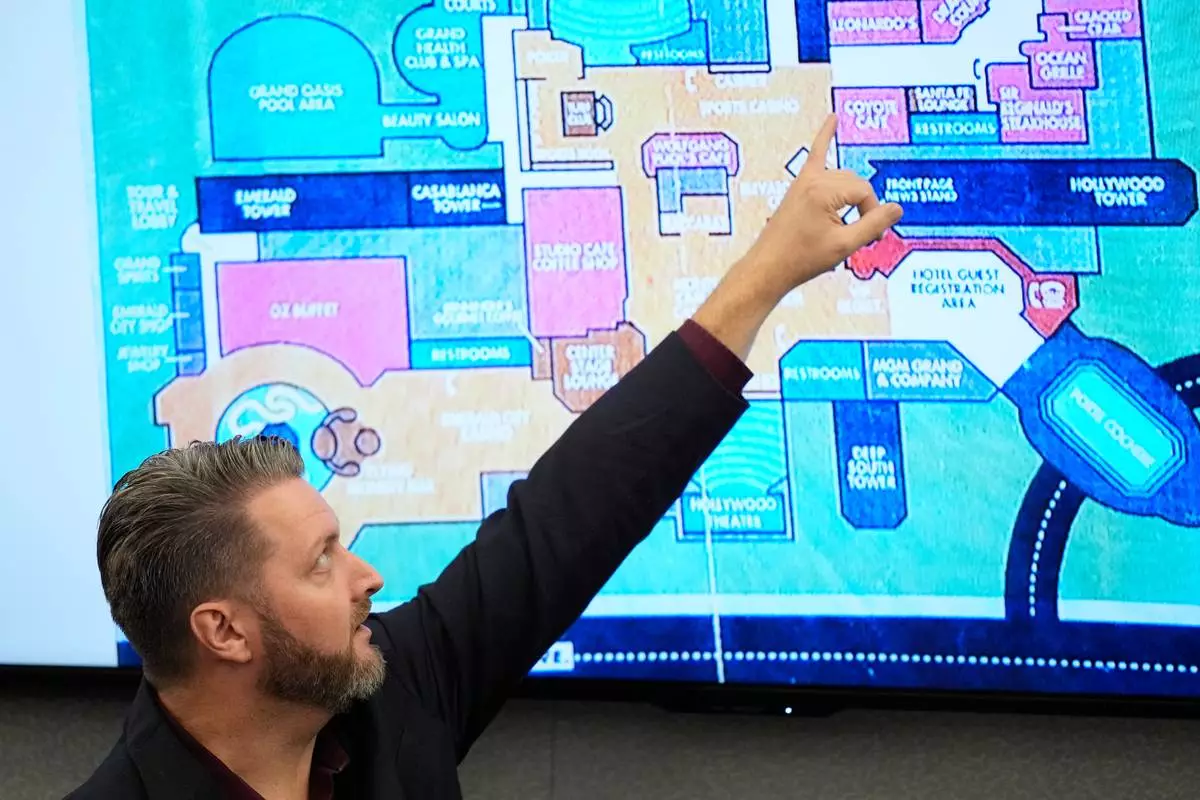
Michael Ingram, investigator for MGM Resorts, points to a map of the MGM Grand casino as he testifies during the murder trial of Duane "Keffe D" Davis related to the 1996 killing of rapper Tupac Shakur, at Clark County District Court Regional Justice Center in Las Vegas, on Tuesday, Aug. 18, 2026. (AP Photo/John Locher, Pool)
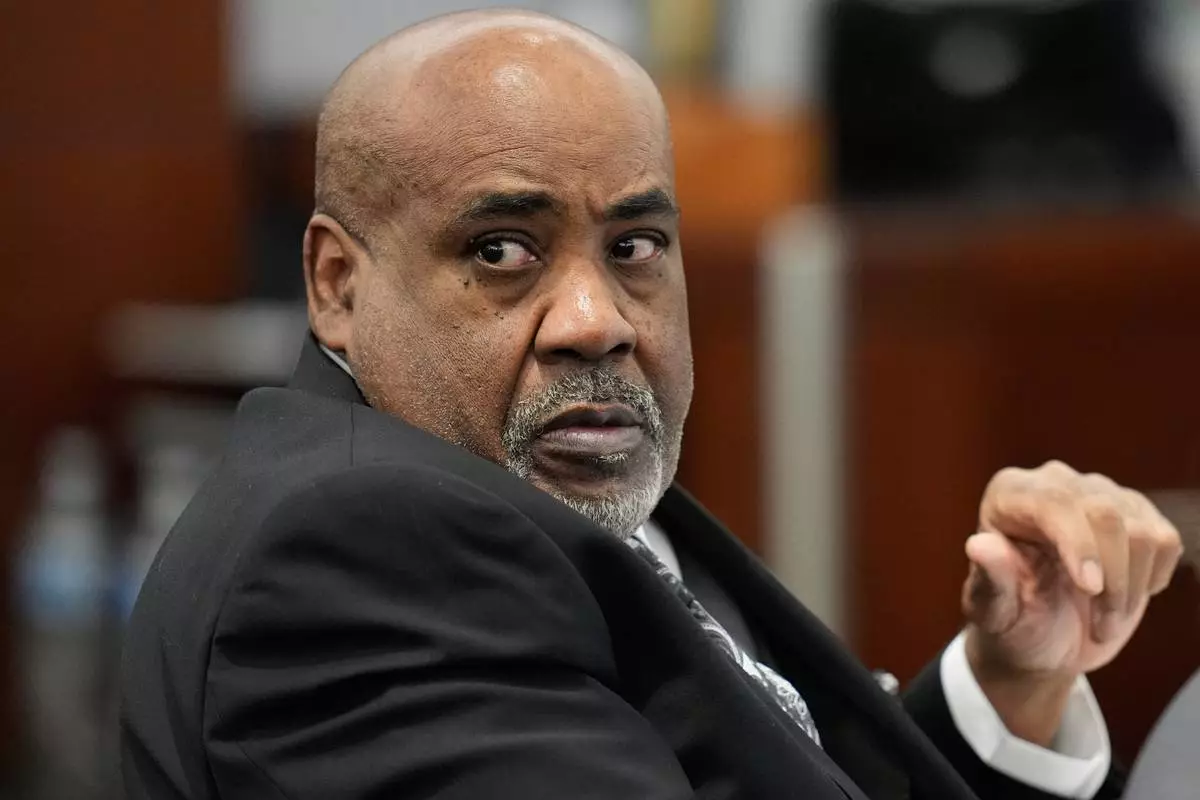
Duane "Keffe D" Davis in court for his murder trial related to the 1996 killing of rapper Tupac Shakur, at Clark County District Court Regional Justice Center in Las Vegas, on Tuesday, Aug. 18, 2026. (AP Photo/John Locher, Pool)
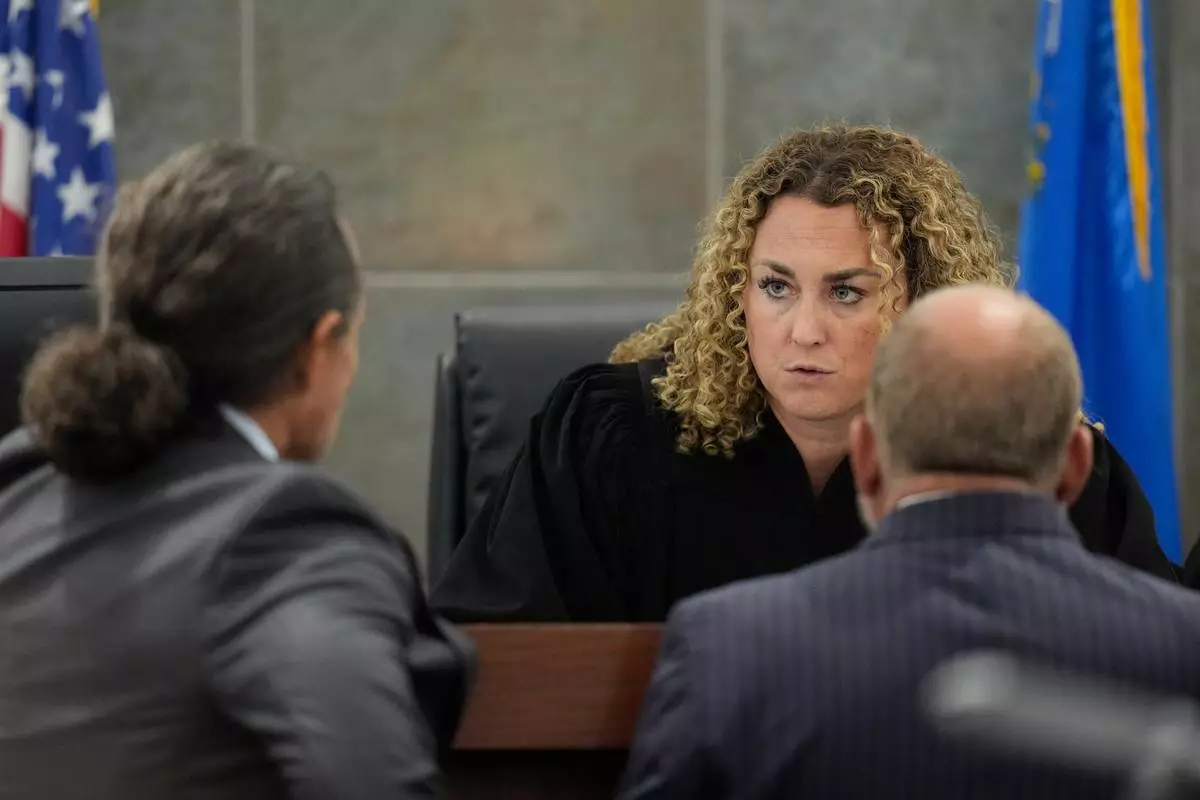
Clark District Court Judge Carli Kierny, center, speaks with defense attorney Michael Sanft, left, and Chief Deputy District Attorney Marc DiGiacomo during the murder trial of Duane "Keffe D" Davis related to the 1996 killing of rapper Tupac Shakur, at Clark County District Court Regional Justice Center in Las Vegas, on Tuesday, Aug. 18, 2026. (AP Photo/John Locher, Pool)
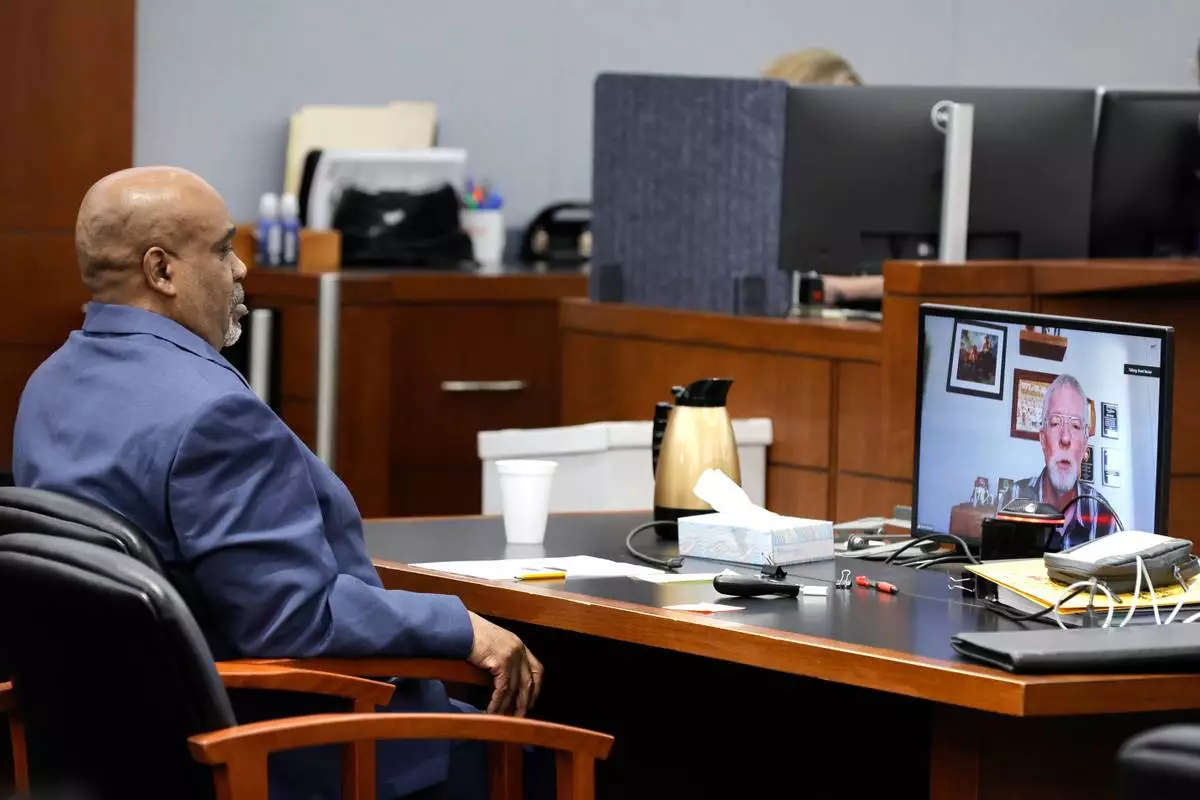
Duane Davis listens as Brent Becker, a retired Las Vegas Metro Police Department homicide detective, testifies by video feed during his murder trial, related to the 1996 killing of rapper Tupac Shakur, at Clark County District Court Regional Justice Center, Monday, Aug. 17, 2026, in Las Vegas. (Steve Marcus/Pool Photo via AP)
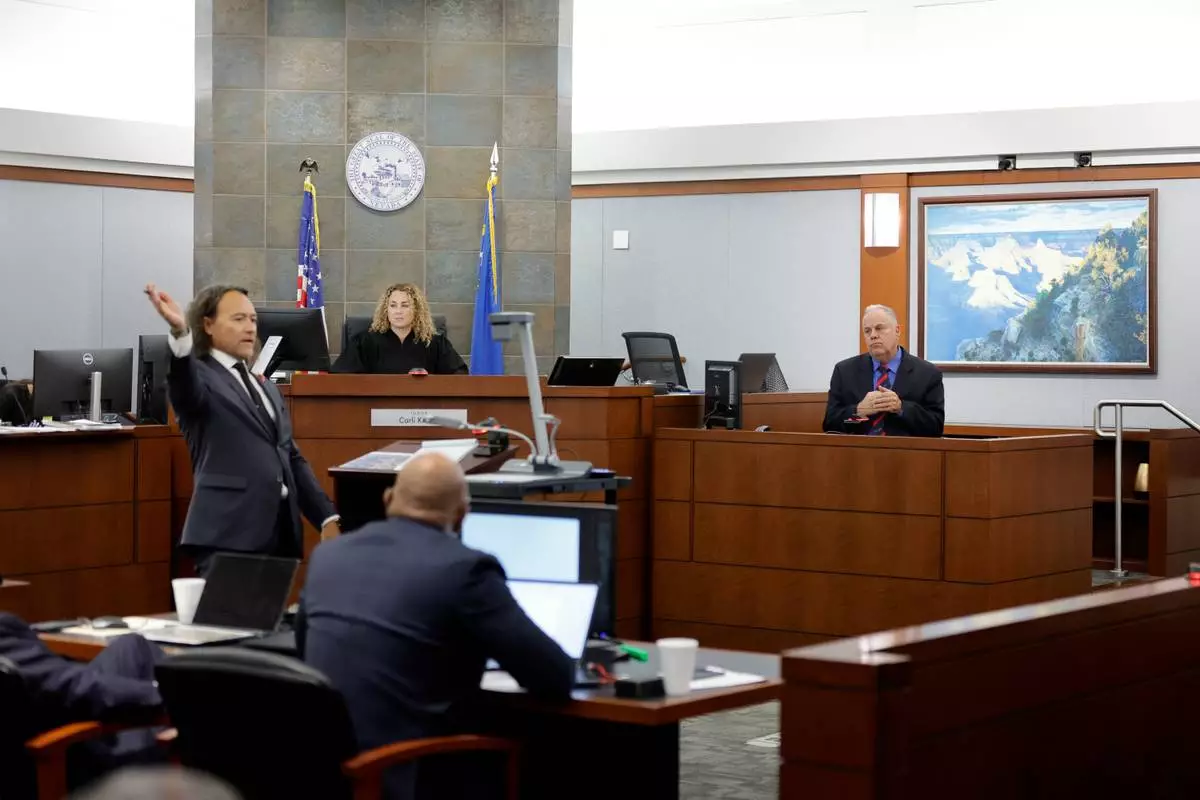
Michael Sanft, attorney for Duane Davis, left, asks a question to Garry Dale, a former Las Vegas Metro Police Department officer, during the Duane Davis murder trial, related to the 1996 killing of rapper Tupac Shakur, at Clark County District Court Regional Justice Center in Las Vegas,, Monday, Aug. 17, 2026. (Steve Marcus/Pool Photo via AP)
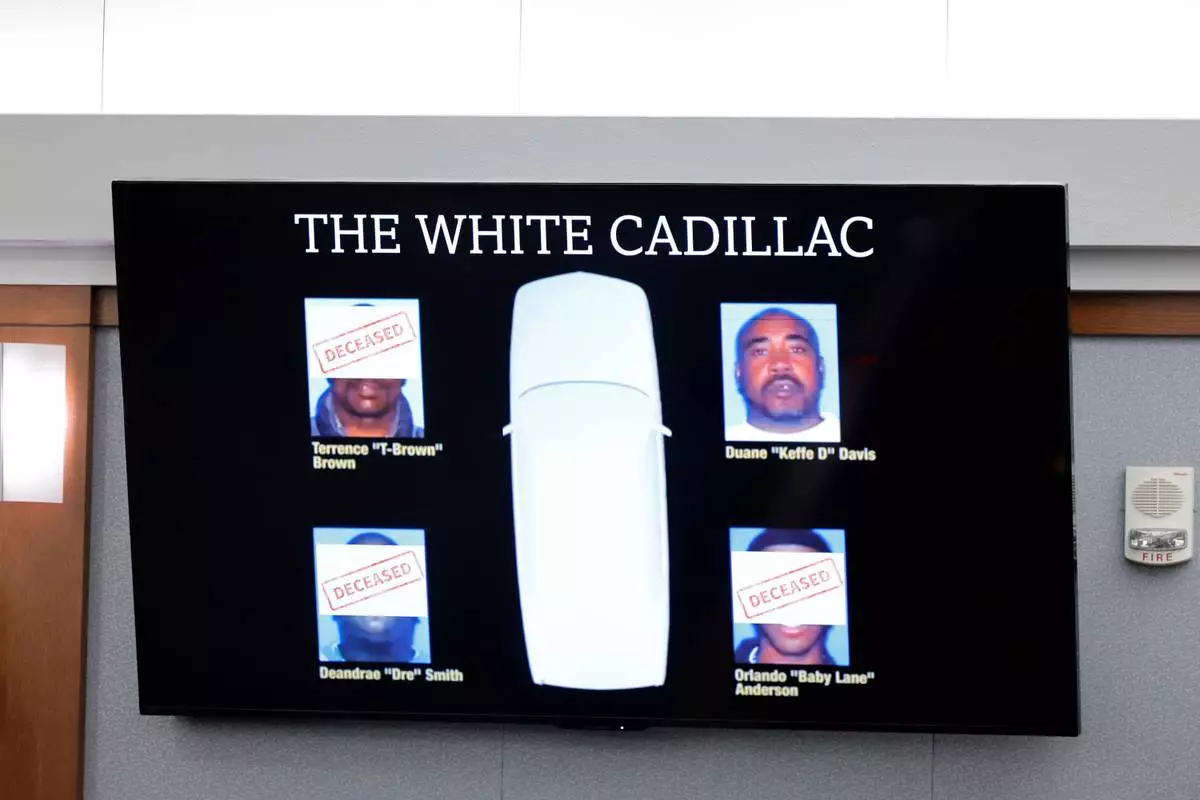
An illustration is displayed during the Duane Davis murder trial, related to the 1996 killing of rapper Tupac Shakur, at Clark County District Court Regional Justice Center in Las Vegas, Monday, Aug. 17, 2026. (Steve Marcus/Pool Photo via AP)
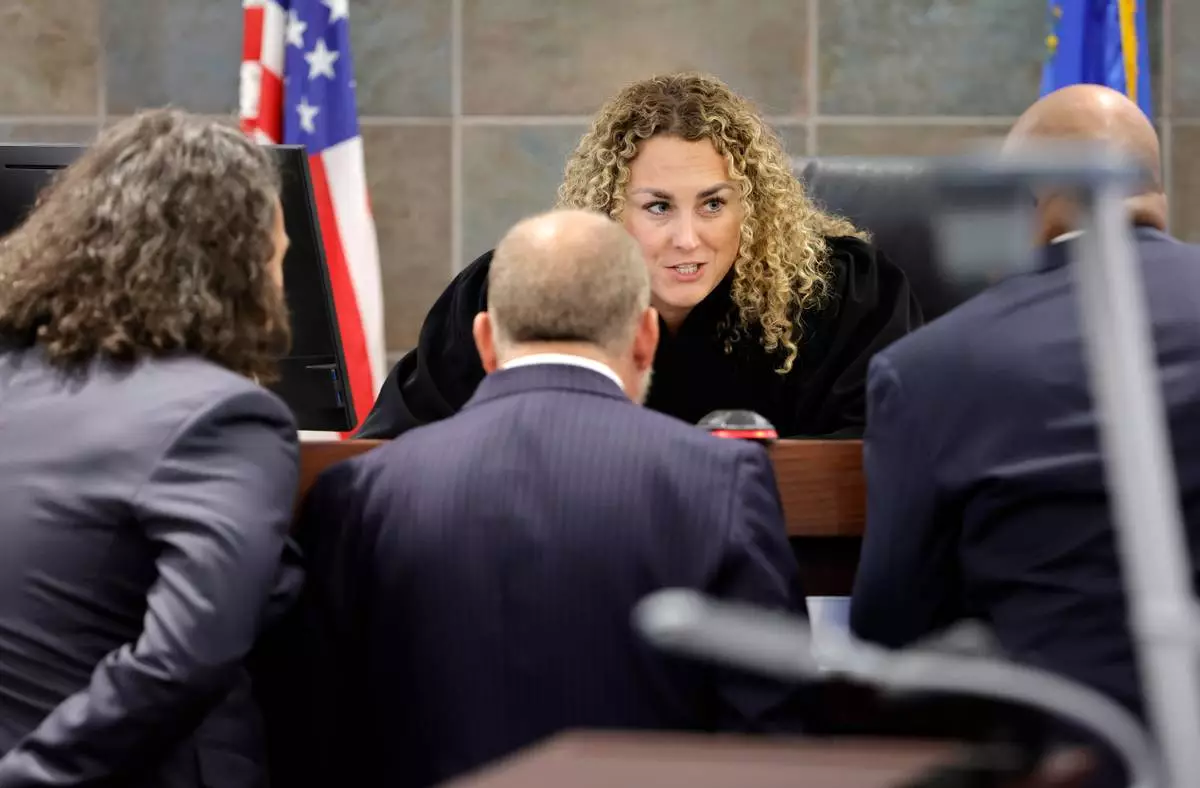
District Court Judge Carli Kierny confers with Michael Sanft, attorney for Duane Davis, left, and Chief Deputy District Attorneys Marc DiGiacomo, center, and Binu Palal, during the Duane Davis murder trial, related to the 1996 killing of rapper Tupac Shakur, at Clark County District Court Regional Justice Center in Las Vegas, Monday, Aug. 17, 2026. (Steve Marcus/Pool Photo via AP)
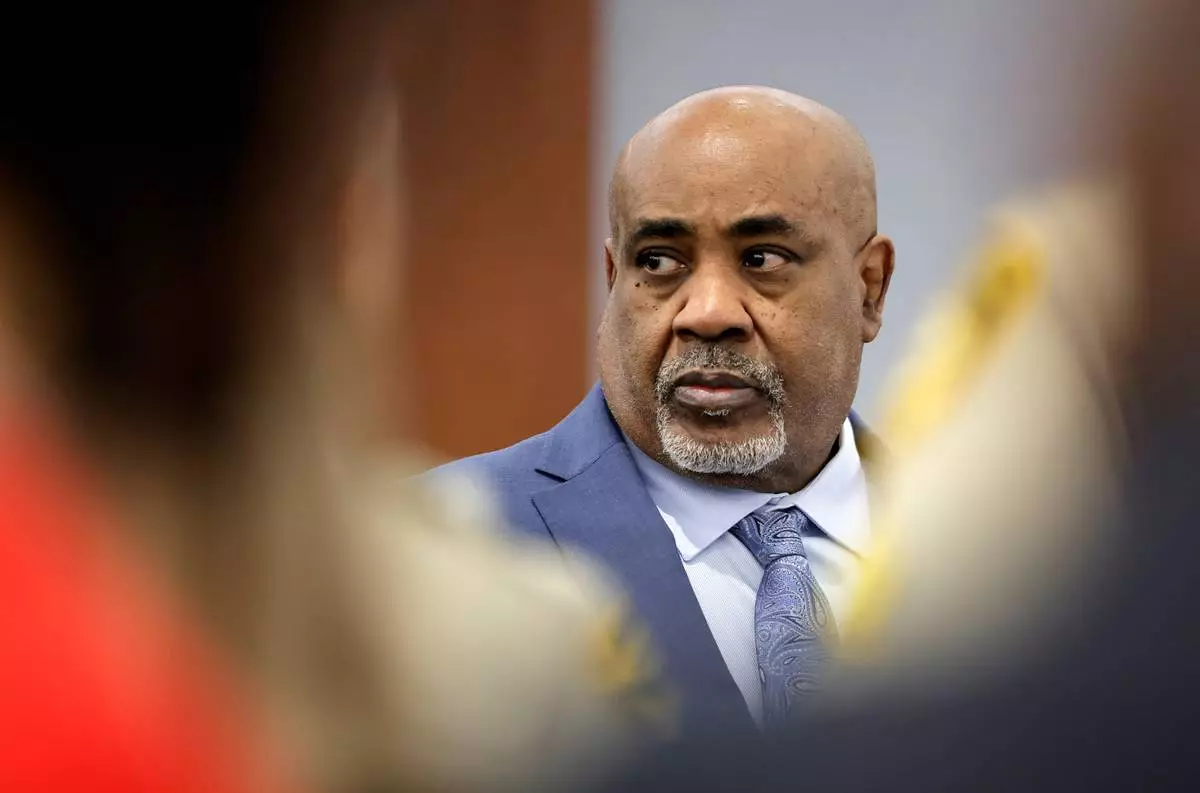
Duane Davis appears in court during his murder trial, related to the 1996 killing of rapper Tupac Shakur, at Clark County District Court Regional Justice Center in Las Vegas, Monday, Aug. 17, 2026. (Steve Marcus/Pool Photo via AP)