Skip to Content Facebook Feature Image

FEHD Enhances Food Safety Inspections for School Lunch Box Suppliers Ahead of New School Year

HK

FEHD Enhances Food Safety Inspections for School Lunch Box Suppliers Ahead of New School Year
HK

HK

FEHD Enhances Food Safety Inspections for School Lunch Box Suppliers Ahead of New School Year

2026-08-19 18:50 Last Updated At:08-20 00:06

FEHD strives to ensure food safety of school lunch boxes

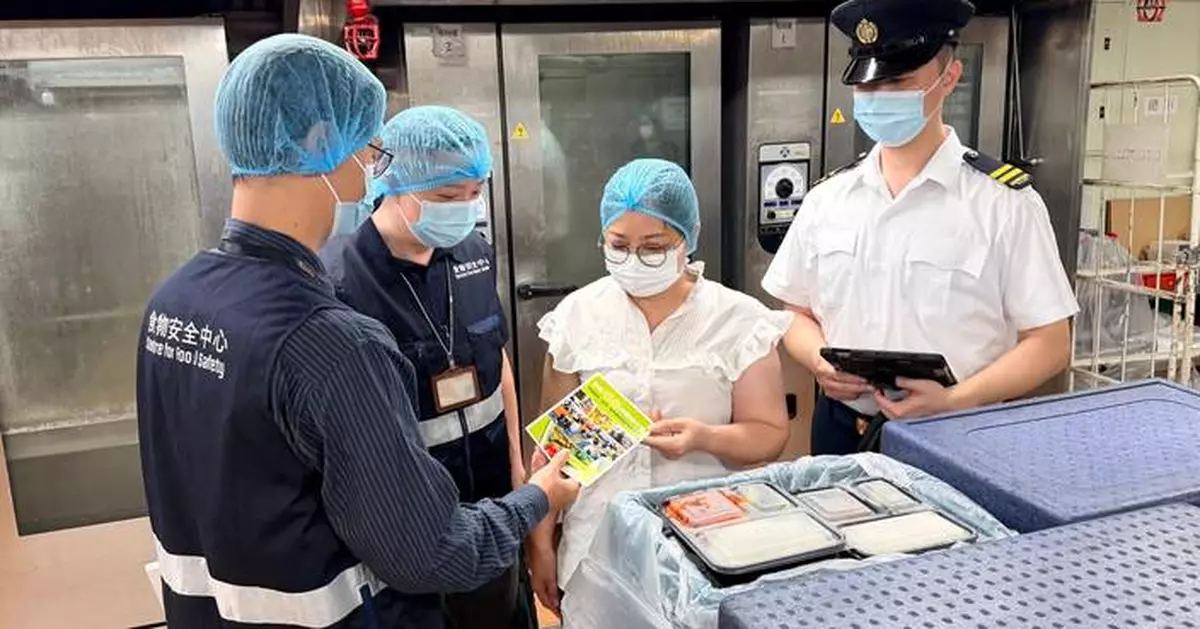
To prepare for the new school year, and to enhance food safety and hygiene awareness among licensed food factories supplying school lunch boxes, the Centre for Food Safety (CFS) and the Environmental Hygiene Branch of the Food and Environmental Hygiene Department (FEHD) launched a series of operations to inspect licensed food factories supplying school lunch boxes in various districts of Hong Kong with a view to ensuring food safety.

A spokesman for the FEHD said today (August 19), "The FEHD has enhanced inspections of food factories supplying school lunch boxes to ensure that the licensing conditions in respect of food handling and processing are observed by the operators, and that hygienic standards stipulated in the laws are met. Food samples are continuously collected for testing. Meanwhile, FEHD staff will also provide health education to operators and staff of food factories, distributing food safety pamphlets to remind them of the proper way of handling school lunch boxes."

The CFS hosted an online trade meeting on July 9 to remind lunch box suppliers to adhere to good hygiene practices and establish a food safety plan based on the Hazard Analysis and Critical Control Points system. Suppliers may refer to the relevant guidelines for more safety information on lunch box production. Furthermore, to ensure food safety on campuses, the CFS arranged an online seminar for schools on July 29, highlighting food safety hazards such as choking and food allergies, and advising schools to choose lunch box suppliers that hold a valid Food Factory Licence issued by the FEHD and are endorsed to provide lunch boxes. Before placing orders, schools should visit the premises to ensure that food handlers observe food safety and hygiene practices.

The CFS has published "A Practical Guide for Ensuring Food Safety in Schools and Childcare Facilities", to which schools and childcare facilities can refer when choosing lunchbox suppliers and ensuring food safety on campus. For further details, please visit the "Safe Food at School" thematic webpage.

The Centre for Food Safety of the Food and Environmental Hygiene Department hosted an online trade meeting on July 9 to remind school lunch box suppliers to adhere to good hygiene practices and establish a food safety plan based on the Hazard Analysis and Critical Control Points system. Source: HKSAR Government Press Releases
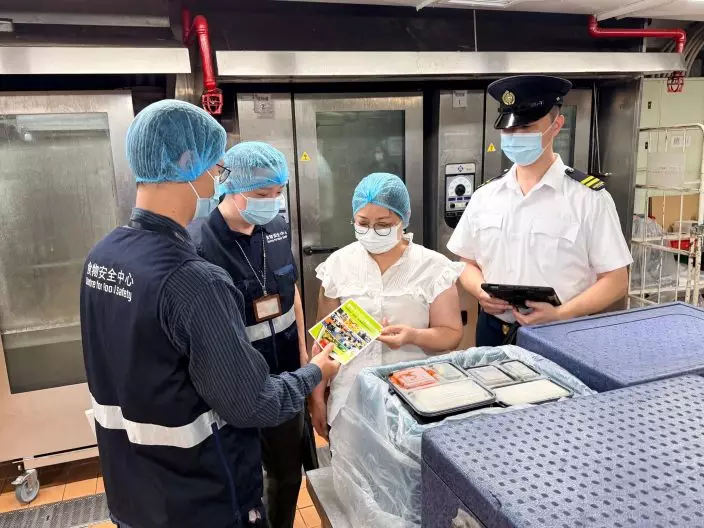
The Centre for Food Safety of the Food and Environmental Hygiene Department hosted an online trade meeting on July 9 to remind school lunch box suppliers to adhere to good hygiene practices and establish a food safety plan based on the Hazard Analysis and Critical Control Points system. Source: HKSAR Government Press Releases

To prepare for the new school year, and to enhance food safety and hygiene awareness among licensed food factories supplying school lunch boxes, the Centre for Food Safety and the Environmental Hygiene Branch of the Food and Environmental Hygiene Department has launched a series of operations and stepped up inspections of licensed food factories supplying school lunch boxes in various districts of Hong Kong, with a view to ensuring food safety. Source: HKSAR Government Press Releases

To prepare for the new school year, and to enhance food safety and hygiene awareness among licensed food factories supplying school lunch boxes, the Centre for Food Safety and the Environmental Hygiene Branch of the Food and Environmental Hygiene Department has launched a series of operations and stepped up inspections of licensed food factories supplying school lunch boxes in various districts of Hong Kong, with a view to ensuring food safety. Source: HKSAR Government Press Releases

FEHD steps up inspections at food premises to raise trade's awareness of good hygiene

A spokesman for the Food and Environmental Hygiene Department (FEHD) said today (November 17) that the Centre for Food Safety and the Environmental Hygiene Branch of the FEHD have launched "Operation Jade" to step up joint inspections of food premises, with a view to promoting the trade's awareness of good hygiene and compliance with food safety standards, thereby protecting food safety and public health.

The spokesman said, "During the operation from November 16 to 27, the FEHD will step up inspections of licensed food premises, paying particular attention to the storage and handling of food to ensure compliance with food safety standards and relevant legislation."

The inspections cover key aspects of food storage and handling, including checking whether food storage temperatures meet requirements and whether raw and cooked foods are separately stored and handled, as well as reminding food handlers to wash their hands thoroughly before and after handling food to maintain personal hygiene and reduce the risk of food contamination. In addition, FEHD officers will distribute educational materials on food safety and hygiene to the premises and collect food samples for testing. In the event of any breaches of food safety or hygiene requirements, the department will take stringent follow-up action.

The FEHD urges the trade to properly manage food safety and hygiene, and to follow Good Hygiene Practices when preparing food, including:

  • Wash hands thoroughly before and after handling food, and keep hands and utensils clean. Handwashing facilities should be equipped with an adequate supply of liquid soap;
  • Store and handle raw and cooked foods separately to prevent cross-contamination;
  • Cook food thoroughly until the core temperature reaches at least 75 degrees Celsius, and keep the cooked food above 60 degrees C if not consumed immediately;
  • Pre-cooked food subjected to cold storage should be cooled from 60 degrees C to 20 degrees C within two hours, and from 20 degrees C to 4 degrees C inside a chiller within the next four hours;
  • Food handlers should report to their supervisor immediately and refrain from working if they feel sick;
  • When handling vomitus, wear gloves and apply 1:49 diluted household bleach (by adding one part of bleach containing 5.25 per cent sodium hypochlorite to 49 parts of water) to clean and disinfect contaminated areas or items thoroughly. Wash hands thoroughly afterwards; and
  • Provide food handlers with regular training on food safety, environmental and personal hygiene.

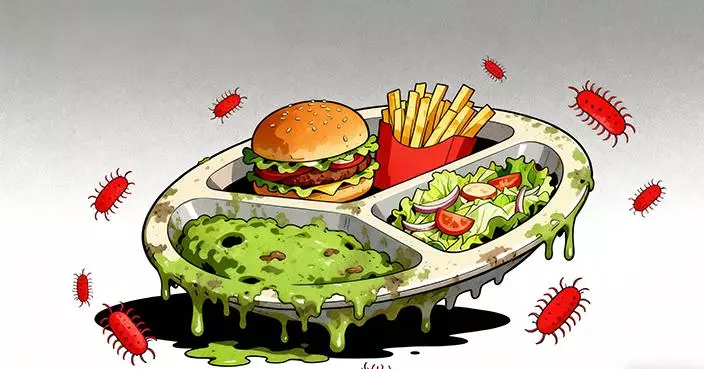
Source: AI-found images

Source: AI-found images

Recommended Articles