High rents have long been a major barrier for young entrepreneurs in Hong Kong looking to open a physical store. Since 2024, the Housing Authority has been running the “Well Being · Start‑Up” pilot programme, offering rent-free periods and staged rental concessions to help aspiring business owners set up shop in shopping malls and turn their ideas into reality.
Bella Lee, founder of startup fragrance brand x.Gyroscope, and Lee Tsz Wah, founder of clothing label Wasabi, are among those who have benefited. With their rent burden eased, both were able to expand from online stores to physical outlets. After gaining a foothold, they now plan to open long-standing shops and even branches.
Click to Gallery
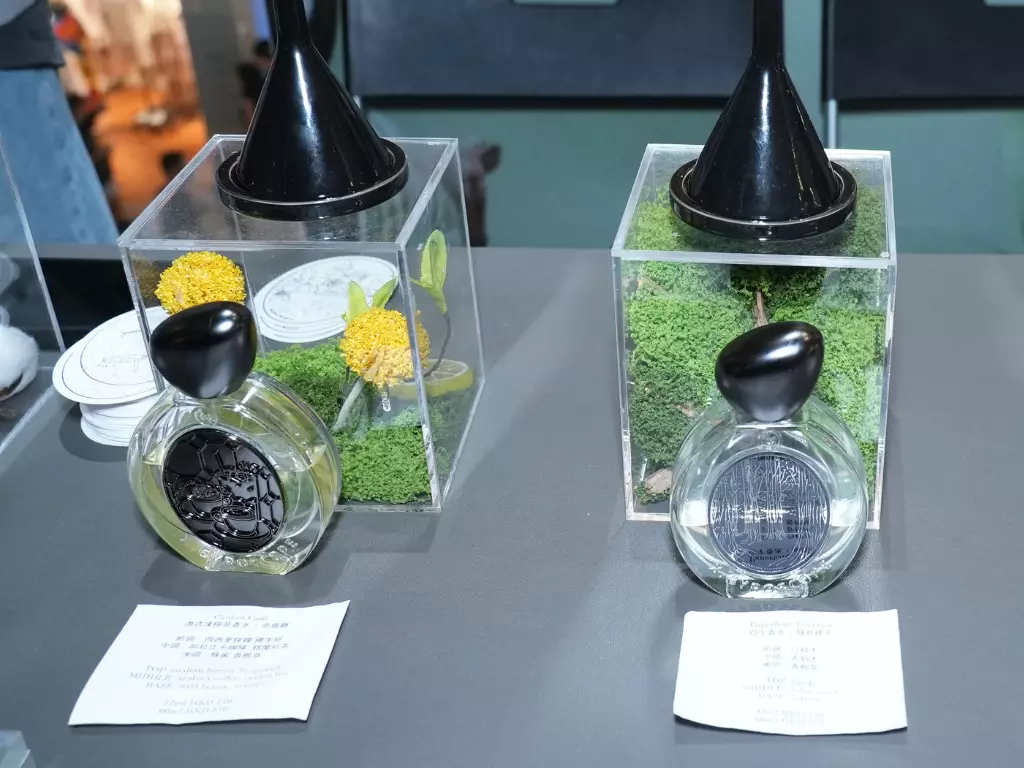
Among Bella's perfume products, the Hong‑Kong‑style iced lemon tea scent (left) is currently the best‑seller. Photo by Bastille Post
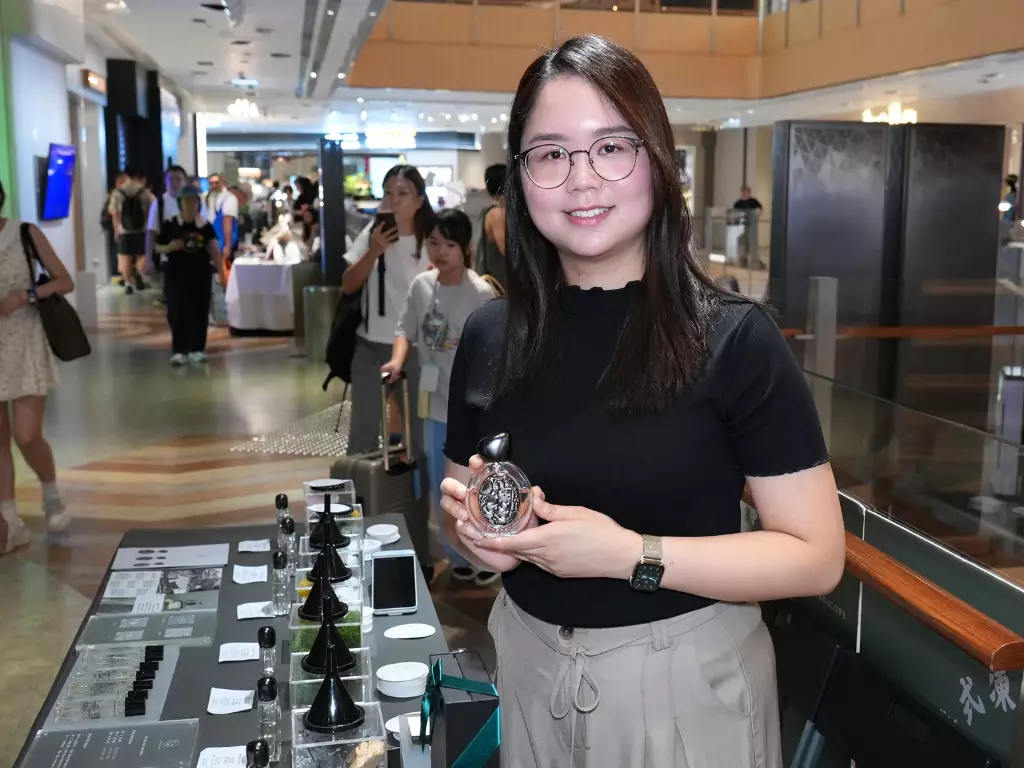
Bella Lee, Photo by Bastille Post
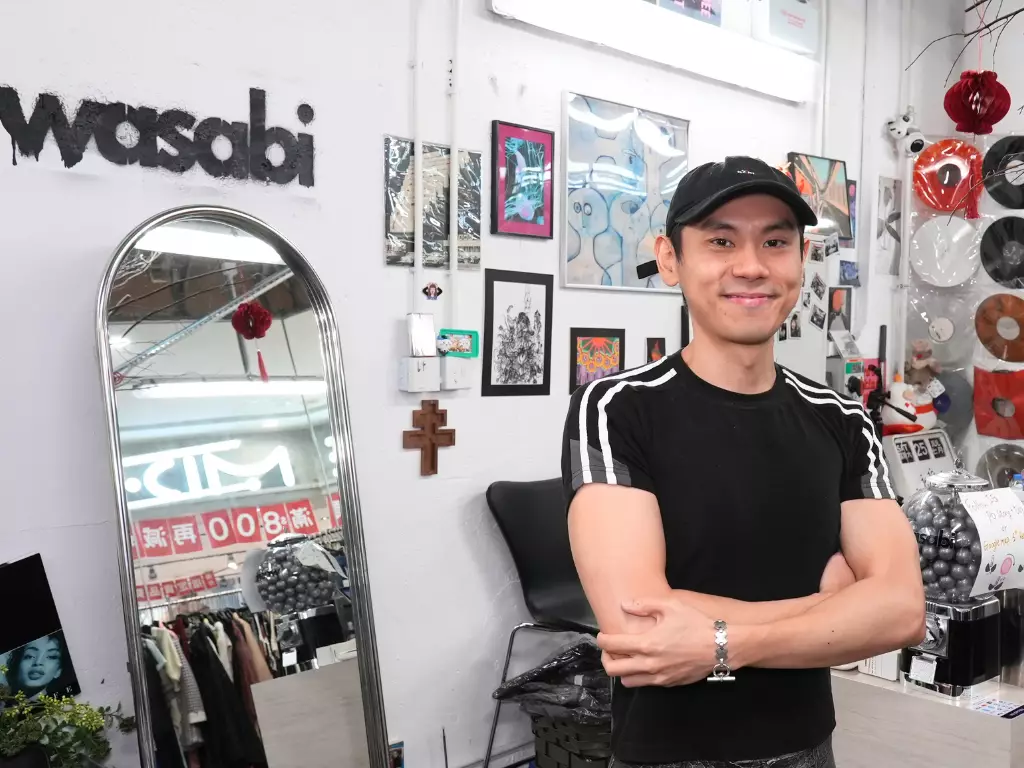
Lee Tsz Wah, Photo by Bastille Post
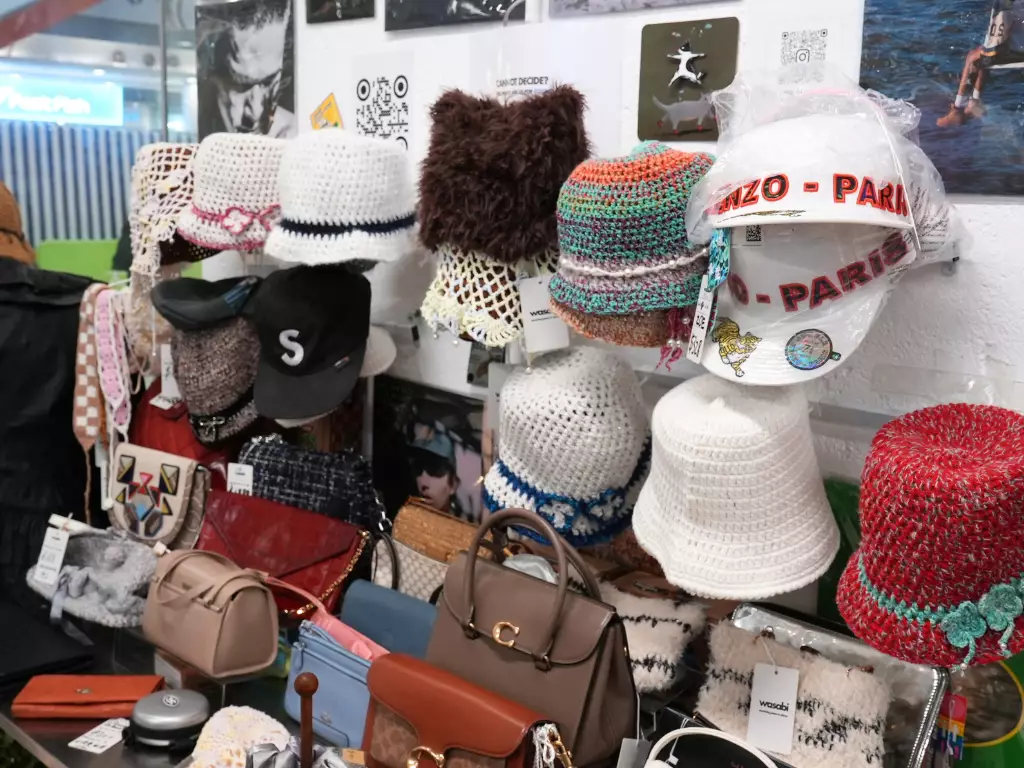
The self-designed hats sold in Tsz Wah's shop, Photo by Bastille Post
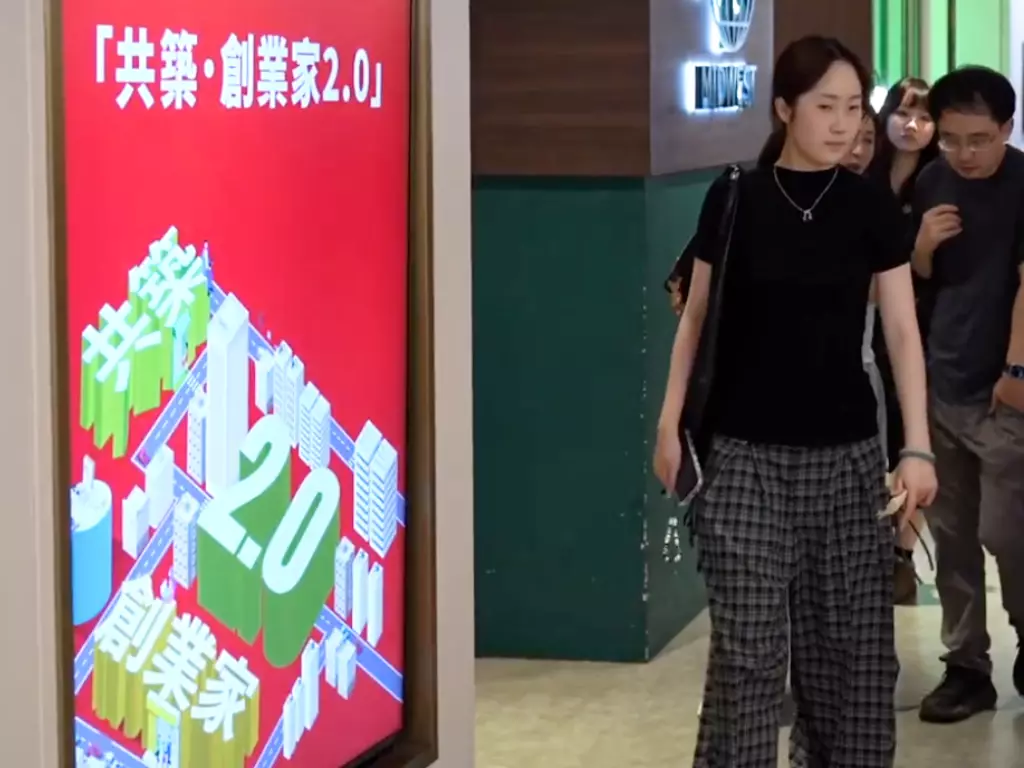
The “Well Being · Start‑Up 2.0” programme, Photo by Bastille Post
In an interview with Bastille Post, they had a message for fellow young entrepreneurs: “If you want to do it, just do it. Seize the opportunity, stay true to your original vision, and impress the programme reviewers with your brand’s unique concept and the value it can bring to the community."
The Housing Authority launched the “Well-Being · Start-Up” Pilot Programme in 2024, providing rent-free shops to help young people realise their entrepreneurial dreams. Given the positive response to the pilot phase, it was upgraded to the “Well-Being · Start-Up 2.0” Programme. This expanded programme introduced a three-year staged rental at discounted market rents to help start-up teams gradually transition to market-rate rentals.
Among Bella's perfume products, the Hong‑Kong‑style iced lemon tea scent (left) is currently the best‑seller. Photo by Bastille Post
x.Gyroscope, a fragrance brand founded in 2016 and named after a nautical navigation instrument, was created by Bella Lee. “I hope to tell different stories through fragrance,” she said. “Having been born in Hong Kong, I want to use scent to introduce different places and cultures of the city.”
Bella revealed that x.Gyroscope started with just about HK$1,000, selling at markets and online. She admitted that while she had always dreamed of having a physical store to interact with customers face‑to‑face, Hong Kong’s high rents, especially in high‑traffic areas like Tsim Sha Tsui, made it nearly impossible for a start‑up brand to afford.
“The challenges were greater than I imagined,” Bella confessed. “Start‑ups have limited funds, and my initial capital came entirely from my previous full‑time job. Psychologically, I constantly doubted myself, but I wanted to keep doing what I loved; it was a constant mental struggle.”
She later learned about the “Well Being · Start‑Up 2.0” programme through New World Development’s youth entrepreneurship support channel. The programme offered rent‑free initial openings and discounted rents thereafter, so she decided to join without hesitation.
“I went through an interview and presentation, met with representatives from New World Development, and then they conducted further screening. The whole process took about two months,” Bella explained. The programme involved the Housing Authority conducting initial screening, followed by partner developers selecting suitable brands and contacting. “x.Gyroscope went through this process — first screened by the government, and then contacted and arranged for interviews by New World Development.”
Eventually, x.Gyroscope was able to open a holiday pop‑up store at K11 Art Mall. “Without this programme, I’m quite certain I wouldn’t have had the confidence to take this step. Taking that first step is never easy, especially with limited funding. This programme directly solved my financial problem, allowing me to launch the brand at a reasonable cost.”
Bella Lee, Photo by Bastille Post
After a year of operating the holiday pop‑up, Bella said monthly revenue is now around HK$10,000. Compared to her previous online‑only model, the physical store provides additional income, allows her to reach more customers, and gradually builds repeat business. “I hope to have a long-standing shop within two years, but considering staff and rent costs, that would require a five‑figure monthly budget. Still, I remain confident.” Among her perfume products, the Hong‑Kong‑style iced lemon tea scent is currently the best‑seller.
As someone who has been through the process, Bella offered the following advice to young people interested in applying for the “Well Being · Start-Up” programme: “If you want to do it, just go for it. If you want to apply, just apply. You never know what opportunities might come your way. I never imagined I could keep a shop running for nearly a year; it was a pleasant surprise.”
She added that opportunities favour those who are prepared. “If you feel ready, just take the leap.”
Lee Tsz Wah, founder of clothing brand Wasabi, had dreamed of owning his own brand since his student days. Although he studied communications at university, he was always passionate about fashion, most of which he taught himself. After graduating, he set his sights on building his own label.
He currently works full‑time at a non‑profit organisation, developing Wasabi as a side business in his spare time, pursuing his passion for fashion design and sales.
He launched the Wasabi online store in early 2024, starting with roughly tens of thousands of Hong Kong dollars. “Initially, the online store barely broke even. I relied mainly on my regular job income, using my spare time to manage the online business,” he admitted. “At that time, I didn’t plan to open a physical store because I simply couldn’t afford the rent.”
Lee Tsz Wah, Photo by Bastille Post
But then he came across an advertisement for the “Well Being · Start‑Up” pilot programme on Instagram. Knowing that the programme offered the first seven months rent‑free, he found it very attractive. After learning the details and submitting an application, he assumed the competition would be fierce, so he applied with a “nothing to lose” mentality.
Tsz Wah said he prepared a detailed business plan and met with Housing Authority officials two to three times. During the interviews, he was asked to present a brief introduction about the Wasabi brand and its operating philosophy. “I think the main reason we were selected was that the Housing Authority strongly supported our philosophy. From the beginning, I didn’t want Wasabi to be positioned simply as a ‘clothing store.’ Instead, I wanted it to build stronger connections with the community, contribute to the community, and serve the public. I wanted to promote the concepts of ‘slow fashion’ and environmental protection through Wasabi.”
Beyond selling clothes, he organises cultural and artistic activities in the store, such as regularly inviting DJs to perform live. He is also happy to lend the store space free of charge to various cultural practitioners to host events.
In Tsz Wah's eyes, it was this multi‑faceted approach, emphasising community interaction and cultural promotion, that made the Housing Authority reviewers feel that Wasabi stood out and had real meaning. Eventually, Wasabi was successfully selected to open a physical store in Yau Tong, with initial costs mainly covered by savings from his full‑time job.
Tsz Wah mentioned that he was also offered options at Queens Hill Shopping Centre in Fanling and Kai Chuen Shopping Centre in Diamond Hill, but as a Yau Tong resident, the place was naturally his first choice. “Firstly, I know the foot traffic and environment in Yau Tong well. Secondly, I really wanted to do business in the community where I grew up, to bring something new to the neighbourhood and make a small contribution. Thirdly, I assessed that the positioning and target customer base here were relatively more suitable for Wasabi’s development path.”
The self-designed hats sold in Tsz Wah's shop, Photo by Bastille Post
Shortly after opening, Tsz Wah faced the challenge of attracting customers. “How can I draw foot traffic and ensure the shop’s survival?” He pointed out that Wasabi initially focused on its own designs in black, white, and grey tones, targeting young people aged 16 to 30. Nevertheless, its relatively niche style merely resulted in limited footfall. Consequently, he later adjusted his strategy, switching to a mixed sales model of “80% vintage + 20% own designs.” By buying second‑hand clothing from residents at affordable prices and reselling it for as little as HK$10, he successfully brought in steady foot traffic and cash flow.
“I found that the neighbourhood really appreciates vintage clothing because people like affordable and stylish items. Our shop’s sales have increased significantly, with a much wider customer base.” Tsz Wah believes the “Well Being · Start‑Up” programme provides young entrepreneurs with a low‑cost “trial‑and‑error” space, helping them find more sustainable business models.
He revealed that the physical store has been operating for about two years, with a total turnover of around HK$800,000, a 30% increase compared to when he only ran an online store. However, he described Wasabi as currently just breaking even, with profits just enough to cover his salary, rent and miscellaneous expenses.
Looking ahead, Tsz Wah believes the business can operate stably until next year and will continue selling vintage clothing. “But at the same time, I’ll try to return to my original intention: designing my own brand clothing. Now I’m more confident in increasing the proportion of my own designs in the store.” He said Wasabi will move towards a “50% vintage + 50% own designs” sales model. “Optimistically, I hope to open a second branch within three years.”
Tsz Wah believes this programme is best suited for “creative and innovative” young people, and has recommended it to friends. He pointed out that the biggest hurdle for young entrepreneurs is usually the lack of sufficient start‑up capital, and this programme’s seven‑month rent‑free period can significantly alleviate that. However, he cautioned aspiring entrepreneurs: “Before participating, you must write a very detailed business plan, clearly expressing your ideas and brand concept.”
He also noted that competition for the programme is fierce, requiring participants to be well‑prepared for interviews with reviewers. They need to practise extensively in advance and devise strategies to effectively persuade the reviewers. “For example, consider what you can bring to the shopping mall, the brand’s unique characteristics, ideally including some Hong Kong features, and the benefits it will bring to the community.”
The “Well Being · Start‑Up 2.0” programme, Photo by Bastille Post
Starting this year, the “Well Being · Start‑Up 2.0” programme has been regularised, becoming a long‑term measure to support upward mobility for young people. According to the Housing Authority, the programme now has the support of 17 commercial organisations, which, together with the 15 shops provided by the HA, provide opportunities for over 70 youth start‑up teams. These shops are located in public housing estate shopping centres and various commercial malls, including those in Tsim Sha Tsui and Yau Tong.
Selected teams will be allocated new shop spaces or pop‑up stores, and will also have priority in filling vacancies in existing shops. The Housing Authority will match suitable spaces to applicants based on the mix of tenants in the housing estates, residents’ needs, and shop specifications. The programme provides a rent‑free period for the first seven months, followed by rent payments of 25%, 50% and 75% of the market rent for the first three years respectively. From the fourth year onwards, rent will be calculated based on market rent, providing a significant financial buffer for young entrepreneurs.
The latest phase of the programme is now open for applications. Young people aged 35 or below who are interested in starting a business can submit their business plans by email before September 30. The Housing Authority will evaluate applicants based on factors such as innovation, feasibility, market potential, social benefits, financial arrangements, and team management capabilities. For details, please visit the Housing Authority website or email startup@housingauthority.gov.hk.