The National Healthcare Security Administration has recently issued a five-year plan for national healthcare security, aiming to reduce the financial burden of medical care for the public.
The plan says that in five years, the basic medical insurance participation rate will be maintained at around 95 percent and the long-term care insurance system will cover all the coordinated regions.
The reimbursement rate for inpatient expenses covered by the basic medical insurance catalog will be stabilized at around 80 percent for basic medical insurance for urban employees and at around 70 percent for basic medical insurance for rural and non-working urban residents, according to the plan.
The coverage rate of real-time settlement expenditures from the basic medical insurance fund will increase from around 70 percent in 2025 to over 80 percent, and all the coordinated regions will implement direct payment of maternity allowances to individuals, it says.
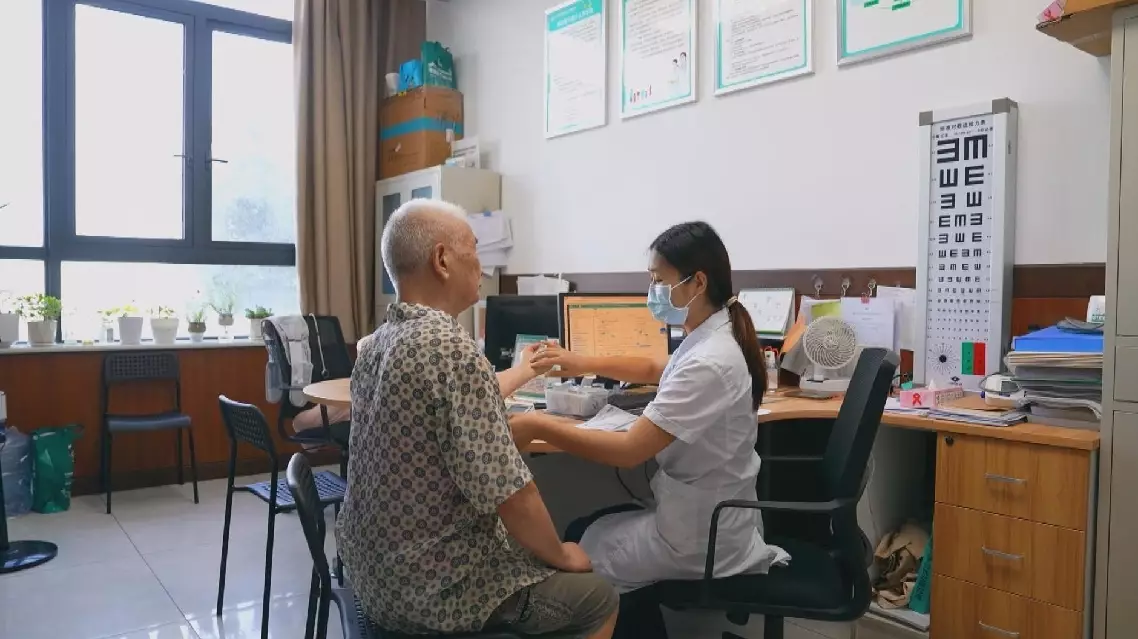
China releases healthcare security plan to reduce financial burden for public
Five hundred units of temporary prefabricated housing arrived in Maru township, southwest China's Xizang Autonomous Region, early Saturday morning, with construction crews beginning assembly immediately to resettle residents affected by a strong earthquake.
The 7.0-magnitude quake struck Baqen County of Nagqu City at 22:33 Beijing time (1433 GMT) on Thursday. Maru town is one of the hardest-hit areas near the epicenter.
Local authorities responded quickly to transfer and resettle people from the affected areas.
Assembly Workers began installation immediately after the housing units reached Maru town in the wee hours of Saturday. With cranes and workers coordinating closely, each unit can be assembled in just three to five minutes.
The prefabricated houses are made of fireproof and waterproof materials. A sponge layer inside the walls provides both insulation and fire resistance, helping keep people warm and safe.
Each unit is equipped with electric lighting and pre-installed wiring, so lighting is available as soon as power is connected.
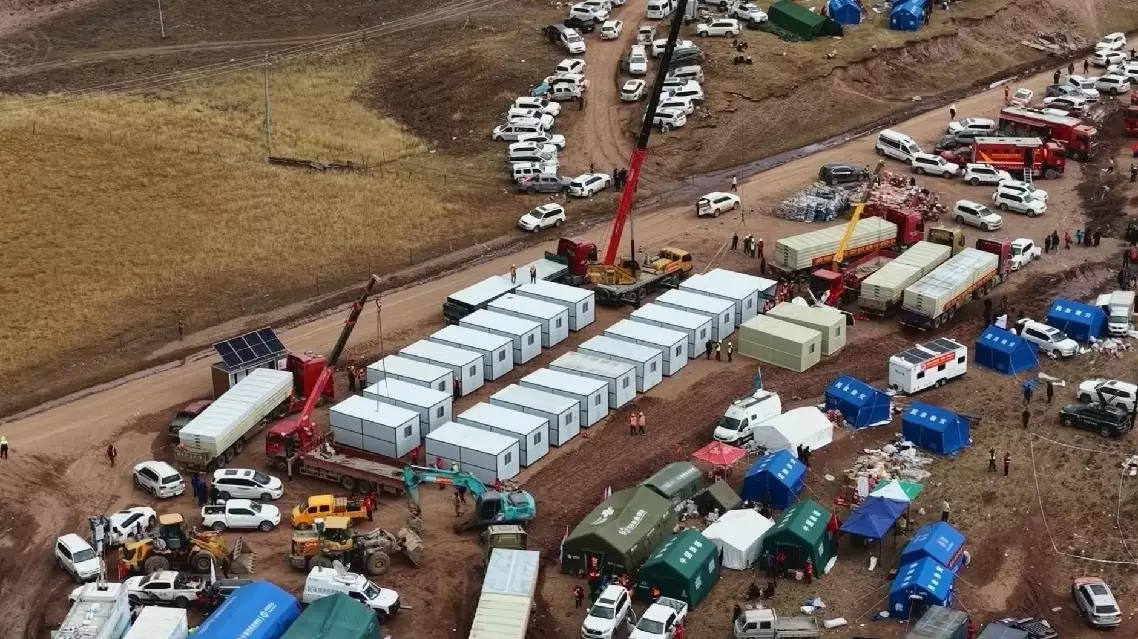
Temporary housing arrives for earthquake-hit residents in Maru town, Xizang