The second World Humanoid Robot Games opened in Beijing on Saturday, with the participation of 666 teams and 2,056 robots from 16 countries.
The event, running through August 26, features 51 competitions and more than 1,300 matches.
The number of teams is up 138 percent from the inaugural Games in 2025.
At a 100-meter preliminary race in the opening event, Team Tianzhuo clocked 9.39 seconds to take the first place in a time well ahead of the previous Games' record and the fastest human Usain Bolt's 9.58 world record.
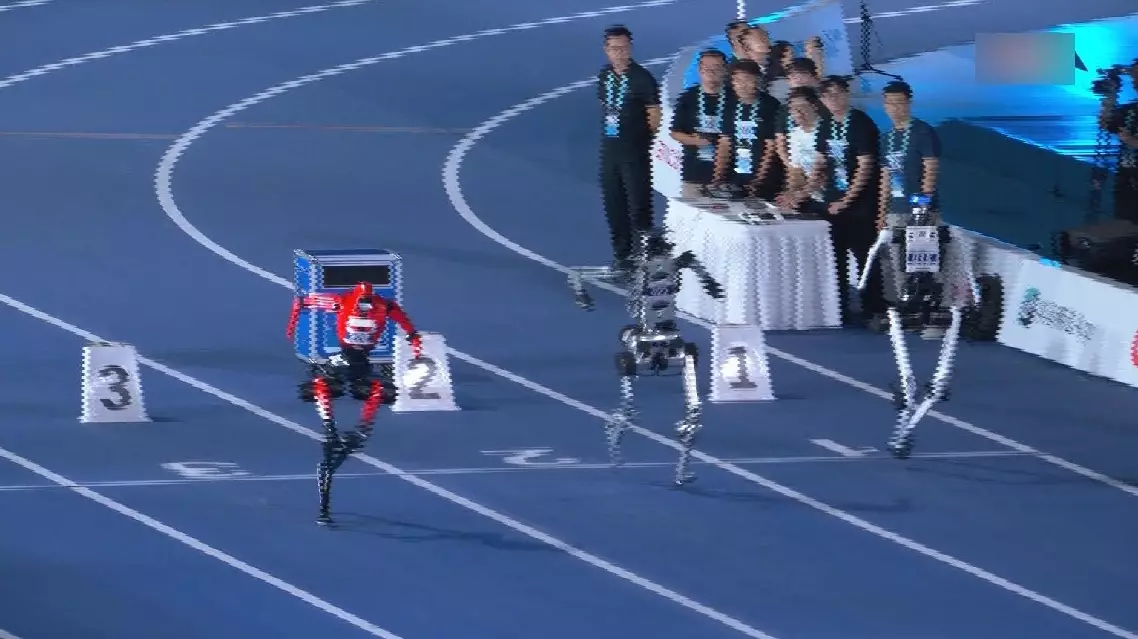
2026 World Humanoid Robot Games opens with 666 teams, 2,056 droids
Recent rainfall and cooler temperatures have brought Taiyue Mountain in north China's Shanxi Province into its prime autumn viewing season, with a vast sea of clouds mingling with red leaves after sunrise.
The morning sun crested the mountain, illuminating a breathtaking sea of clouds, which blanketed the mountain valleys like an endless ocean. Such a spectacular view enchanted many visitors and photography enthusiasts.
"The view is even better than I expected, especially the sea of clouds below. It's amazing!" said Dong Rulan, a tourist.
As the autumn chill deepens the contrast between day and night, a vibrant crimson sweeps across the mountainsides. Interwoven with everlasting pines, the brilliant foliage transforms the landscape into a living palette of rich, blended colors.

Sea of clouds, colorful leaves showcase Taiyue Mountain’s autumn charm