Skip to Content Facebook Feature Image

China's EV sector underscores localization amid export growth

China

China

China

China's EV sector underscores localization amid export growth

2026-08-22 18:54 Last Updated At:22:47

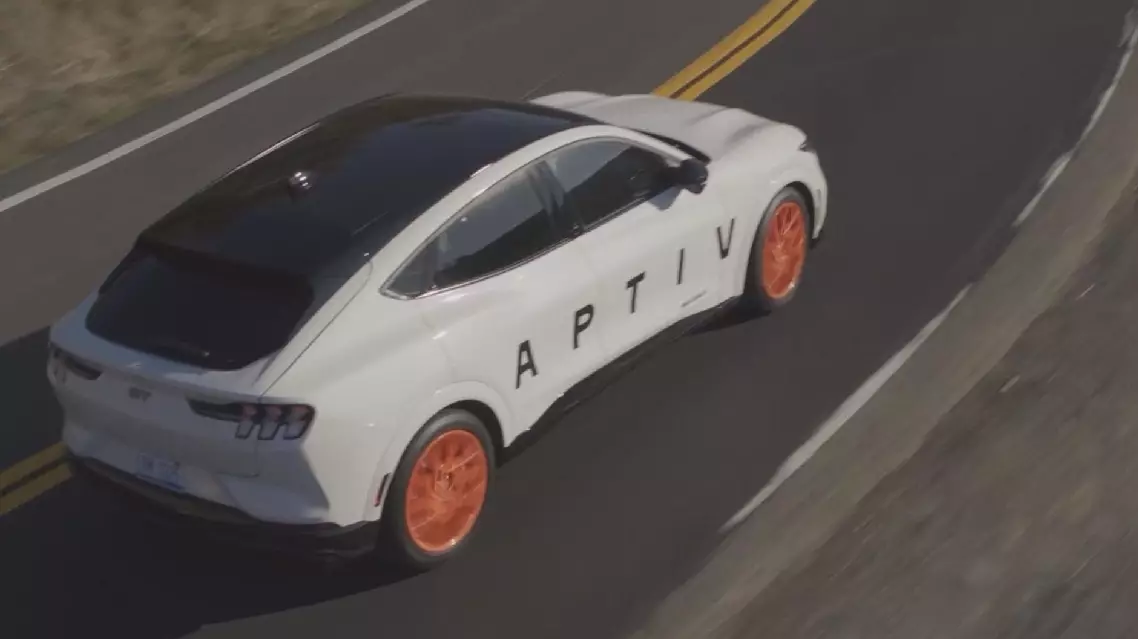
Automakers from China's new energy vehicle (NEV) sector are putting growing emphasis on localization amid fast export growth as they strive to ensure their presence will help boost the host countries' economic and industrial development.

China has been seeing sustained auto export growth, with NEVs being one of the most sought-after products in international markets.

In the first seven months of this year, the country exported over 2.9 million NEVs, up 120 percent year on year. In July alone, exports reached over 550,000 units, up 150 percent from the same period last year.

At the 2026 Global New Vehicle Cooperation and Development Forum, or GNEV2026, which ran from Wednesday to Friday in Shanghai, Chinese automakers said the industry is seeking to build presence in overseas markets rather than simply exporting products.

"Chinese automakers are taking a new approach to going global. In the past, the approach was mainly focused on exporting through trade. Today, more companies are looking to build a presence in local markets. This marks a major step forward in global automotive cooperation," said Zhang Yongwei, vice chairman and secretary-general of China EV100.

Some auto brands attending the event said they are exporting manufacturing capabilities along with their products, a strategy that can both benefit the automakers and the local economy.

"We need to move from exporting products to exporting an entire ecosystem. That means not only building a full service system for local users, but also taking our manufacturing capabilities overseas. By producing locally, we can lower costs, shorten delivery times, and better integrate into the local economy," said Lu Fang, chairman of board of Voyah Automotive Technology Company Limited.

Auto firm representatives said that by building an ecosystem overseas, their customers can also enjoy lower operating costs.

"What customers care most about with electric heavy trucks is reducing their operating costs. One of our biggest advantages is industrial capabilities. From electric trucks to photovoltaics and other new energy solutions, we can bring these capabilities together and build an ecosystem overseas," said Lincoln Liang, board director of SANY Group.
China's EV sector underscores localization amid export growth

China's EV sector underscores localization amid export growth

Displaced farming families are returning to their homeland in Gaza City, restoring fields and growing food again, though challenges like poor farming conditions and lack of supplies remain.

In parts of Gaza, farmland damaged during Israel's war on the enclave is slowly coming back to life.

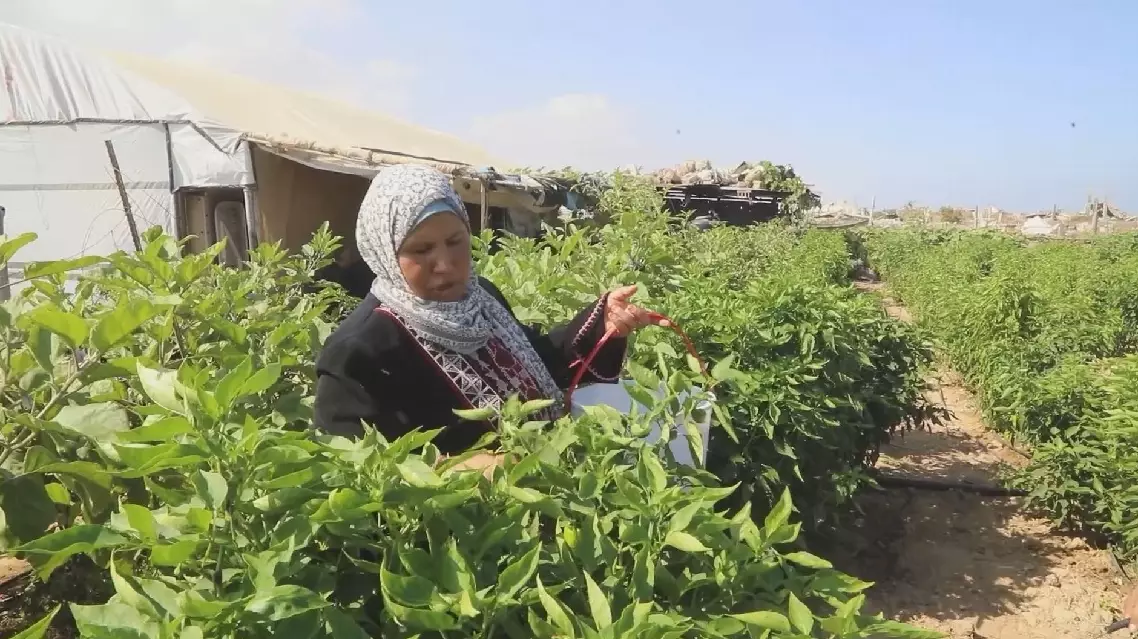
Fresh vegetables are being harvested again from farmland in Gaza City's Al-Zaitoun neighborhood.

For the Al-Dahdouh family, these crops mark the return of their land to life.

The challenges have been immense. Nearly three years of war have left much of Gaza's farmland damaged or bulldozed, making the return to farming a difficult task for families trying to start again.

"When we returned after being displaced, the land was covered with piles of rubble and debris and was difficult to access. Everyone in the family worked together to rehabilitate it for farming. Thankfully, we were finally able to cultivate it again," said Wajiha Al-Dahdouh, a Palestinian farmer.

Rebuilding livelihoods and restoring a sense of normal life remains difficult after the three years of war, repeated displacement and the loss of income for many families.

"We can't afford to hire workers to help us with farming because of the high costs. We also face serious difficulties securing water for irrigation and pesticides. It has been a huge burden on us," said Iman Al-Dahdouh, another Palestinian farmer.

The Al-Dahdouh family is among around 350 farming families supported by United Nations Development Program (UNDP) with Relief Housing Units and farming assistance.

Around 1,100 families are expected to benefit in total.

"For the last three years, it has been total destruction, and people have had to leave their homelands. The families have been displaced multiple times to various locations in the midland south area of the Gaza Strip. What you see here now is life returning to the neighborhood, and UNDP supports these families through providing dignified shelters and housing solutions through what we call relief housing units," said Margunn Indreboe Alshaikh, deputy special representative of UNDP Palestine.

The initiative is part of UNDP's Neighbourhood Approach, combining housing with basic services and livelihood support.

Displaced farmers arrive back in Gaza amid challenges

Displaced farmers arrive back in Gaza amid challenges

Recommended Articles