Speech by SITI at Opening Ceremony of AI x Cybersecurity Challenge Final Round
Following is the speech by the Secretary for Innovation, Technology and Industry, Professor Sun Dong, at the Opening Ceremony of AI x Cybersecurity Challenge Final Round today (August 23):
(Director-general of the general office of the Liaison Office of the Central People's Government in the Hong Kong Special Administrative Region (SAR), Mr Li Shuguang), (Director-Generalof Chinese Academy of Cyberspace Studies, Mr Wang Jiang), (Deputy Director of the Cyberspace Administration of Guangdong Province, Mr Wang Minwei), Daniel (Acting Commissioner for Digital Policy, Mr Daniel Cheung), Rocky (President of Hong Kong Cybersecurity Professional Association, Dr Rocky Cheng), (Director and Chief Executive Officer of China Mobile Hong Kong, Ms Shi Xiaoping), Duncan (member of the Legislative Council (Technology and Innovation Constituency) Mr Duncan Chiu), Francis (Commissioner of Critical Infrastructure (Computer-system Security), Mr Francis Chan), distinguished guests, ladies and gentlemen,
Good morning everyone. I am delighted to join you all today for the final round of the inaugural "AI x Cybersecurity Challenge".
This competition received 290 entries spanning the Chinese Mainland, Hong Kong and overseas. All of them have demonstrated technical excellence and dedication to safeguarding our digital future. May I extend my warmest congratulations to the 40 finalist teams here today, and my gratitude to the Chinese Academy of Cyberspace Studies, the Hong Kong Cybersecurity Professional Association, China Mobile Hong Kong Company Limited, and all co-organisers for joining hands with our Digital Policy Office to build this platform. This has brought together academia, industry professionals and young talents to advance cybersecurity in this AI-driven era.
In today's interconnected world, AI is reshaping every aspect of our life at a breathtaking speed. Although innovation may at times bring new threats, these same technologies can also spur our defensive capabilities. This is why we champion an "AI versus AI" strategy, leveraging AI to forge our strongest shields to effectively manage risks associated with the use of AI.
Today's competition challenges participants to identify vulnerabilities in simulated environments using AI. Beyond testing these cutting-edge capabilities, the event serves as a platform for cross-region professional exchanges. Cyber threats recognise no borders, so neither should our collaboration. By exchanging our knowledge and working hand in hand, we multiply our strengths and build collective resilience that benefits everyone.
At the same time, the Hong Kong SAR Government is continuously strengthening our policies, guidelines and ethical frameworks, as well as conducting regular cyber-attack-and-defence drills to better prepare for cybersecurity readiness. Through multi-pronged efforts, we hope to guide society to apply AI responsibly, foster a healthy ecosystem, and strengthen our city-wide resilience in face of cyber attacks.
To all our contestants here today, I encourage you to continue harnessing new technologies for cybersecurity, and to always innovate with responsibility. May the skills and insights you gain here empower you as you step into the role of tomorrow's cybersecurity guardians.
I wish today's competition a great success, and all the teams perform at your very best.

The Secretary for Innovation, Technology and Industry, Professor Sun Dong, addresses the Opening Ceremony of AI x Cybersecurity Challenge Final Round today (August 23). Source: HKSAR Government Press Releases
FEHD releases first batch of gravidtrap indexes for Aedes albopictus in October
The Food and Environmental Hygiene Department (FEHD) today (October 9) released the first batch of gravidtrap indexes and density indexes for Aedes albopictus in October, covering 17 survey areas, as follows:
| District | Survey Area | October 2026 |
| First Phase Gravidtrap Index | First Phase Density Index |
| Central and Western | Central and Admiralty | 0.0% | N/A |
| Kennedy Town and Shek Tong Tsui | 5.6% | 1.0 |
| Eastern | Chai Wan | 1.6% | 1.0 |
| North Point and Quarry Bay | 3.3% | 1.0 |
| Shau Kei Wan and Sai Wan Ho | 7.1% | 1.0 |
| Southern | Deep Water Bay and Repulse Bay | 1.7% | 1.0 |
| Wan Chai | Tin Hau and Causeway Bay | 2.0% | 1.0 |
| Wan Chai | 0.0% | N/A |
| Kwun Tong | Lam Tin and Sau Mau Ping | 9.4% | 1.2 |
| Yau Tong and Cha Kwo Ling | 3.4% | 1.0 |
| Wong Tai Sin | Diamond Hill and Tsz Wan Shan | 1.7% | 1.0 |
| Wong Tai Sin East | 2.1% | 1.0 |
| North | Fanling North | 2.3% | 1.0 |
| Fanling South | 4.7% | 1.0 |
| Sha Tin | Sha Tin East | 8.2% | 1.0 |
| Tsuen Wan | Sheung Kwai Chung | 1.9% | 1.0 |
| Tuen Mun | Tuen Mun South | 5.5% | 1.0 |
The FEHD continues to carry out a series of mosquito prevention and elimination measures, including:
- interdepartmental collaboration: convening special meetings of the interdepartmental task forces on anti-mosquito work to co-ordinate relevant departments and stakeholders (such as construction site contractors, schools and property management companies) in strengthening mosquito control work at venues;
- precise risk assessments: carrying out intensive and targeted mosquito control work at locations with more serious mosquito infestations, including stepping up inspections, eliminating mosquito breeding and potential breeding grounds, applying larvicides, conducting fogging operations to eradicate adult mosquitoes, and placing mosquito trapping devices at appropriate locations;
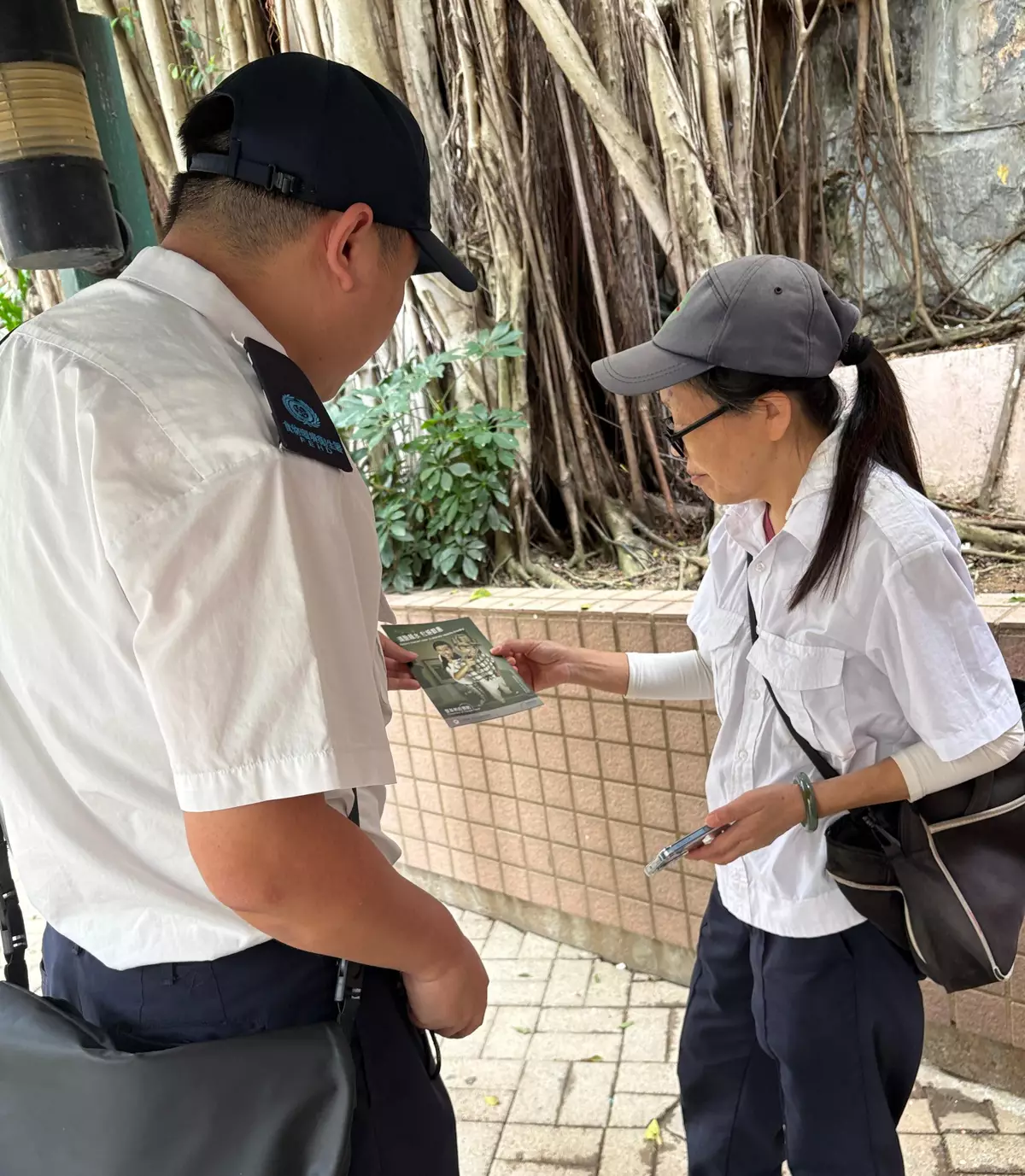
- promotion and education: organising exhibitions with relevant departments and stakeholders, and distributing leaflets and posters to enhance public awareness of mosquito control and prevention; and
- rapid alert mechanism: notifying residential estates that have subscribed to the gravidtrap Rapid Alert System, and advising property management companies and residents to stay vigilant and work together in taking mosquito prevention and elimination measures.
Public participation is crucial to the effective control of mosquito problems. The FEHD appeals to members of the public to continue to work together in strengthening personal mosquito control measures, including:
- tidying up their premises and checking for any accumulation of water inside the premises;
- removing all unnecessary water collections and eliminating the sources;
- checking household items (those placed in outdoor and open areas in particular), such as refuse containers, vases, air conditioner drip trays, and laundry racks to prevent stagnant water;
- changing water in flower vases and scrubbing their inner surfaces thoroughly, and removing water in saucers under potted plants at least once a week;
- properly covering all containers that hold water to prevent mosquitoes from accessing the water;
- properly disposing of articles that can contain water, such as disposable meal boxes and empty cans; and
- scrubbing drains and surface sewers with alkaline detergent at least once a week to remove any mosquito eggs.
Starting in August 2025, following the completion of the surveillance of individual survey areas, and once the latest gravidtrap index and the density index are available, the FEHD has been disseminating relevant information through press releases, its website and social media. It aims to allow members of the public to quickly grasp the mosquito infestation situation and strengthen mosquito control efforts, thereby reducing the risk of chikungunya fever (CF) transmission.
Following recommendations from the World Health Organization and taking into account the local situation in Hong Kong, the FEHD sets up gravidtraps in districts where mosquito-borne diseases have been recorded in the past, as well as in densely populated places such as housing estates, hospitals and schools to monitor the breeding and distribution of Aedes albopictus mosquitoes, which can transmit CF and dengue fever. At present, the FEHD has set up gravidtraps in 62 survey areas of the community, with a surveillance period of two weeks. During the surveillance period, the FEHD will collect the gravidtraps once a week. After the first week of surveillance, the FEHD will immediately examine the glue boards inside the retrieved gravidtraps for the presence of adult Aedine mosquitoes to compile the Gravidtrap Index (First Phase) and Density Index (First Phase). At the end of the second week of surveillance, the FEHD will instantly check the glue boards for the presence of adult Aedine mosquitoes. Data from the two weeks of surveillance will be combined to obtain the Area Gravidtrap Index and the Area Density Index. The Gravidtrap and Density indexes for Aedes albopictus in different survey areas, as well as information on mosquito prevention and control measures, are available on the department's webpage (www.fehd.gov.hk/english/pestcontrol/dengue_fever/Dengue_Fever_Gravidtrap_Index_Update.html#).
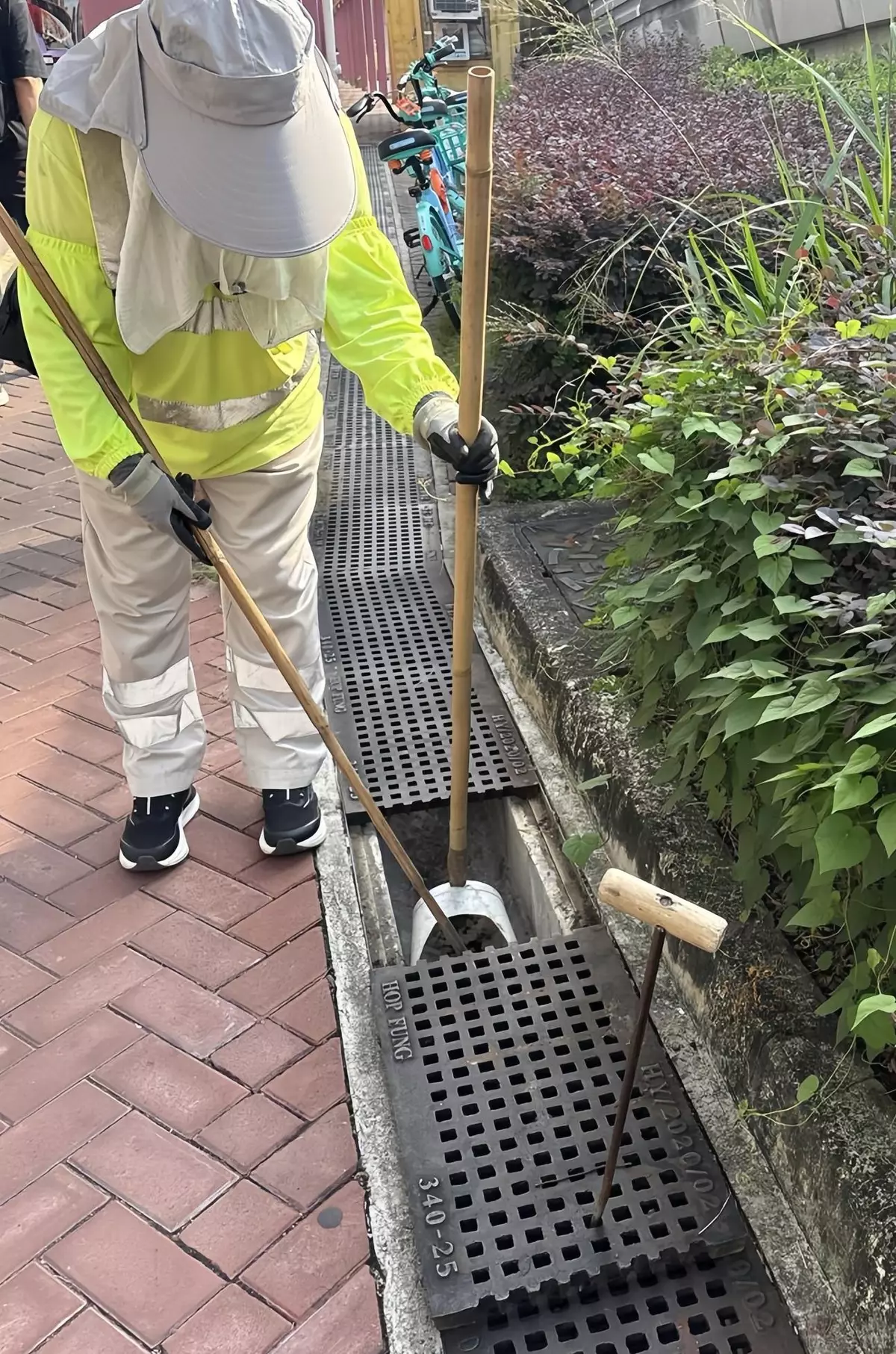
FEHD releases first batch of gravidtrap indexes for Aedes albopictus in October Source: HKSAR Government Press Releases
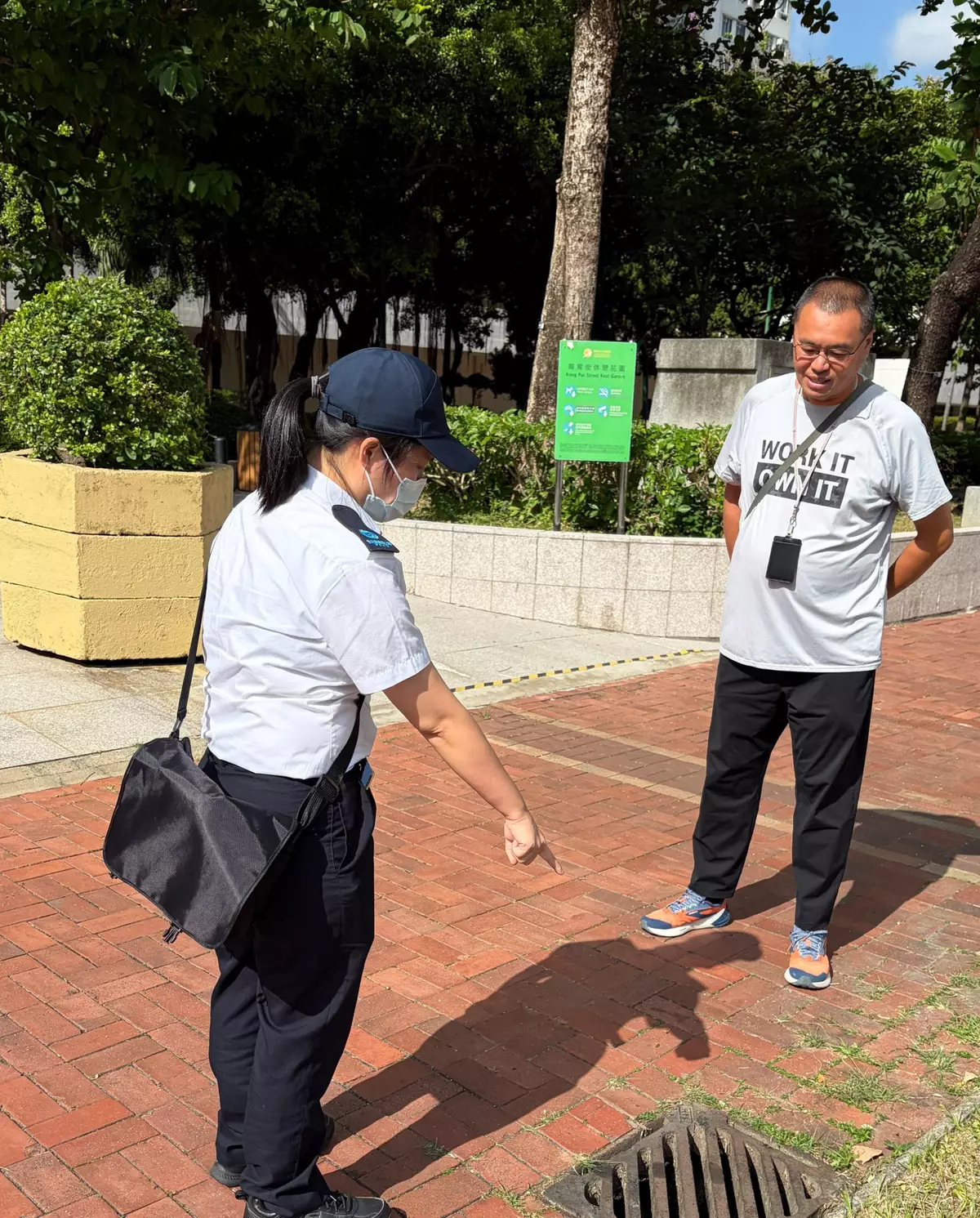
FEHD releases first batch of gravidtrap indexes for Aedes albopictus in October Source: HKSAR Government Press Releases
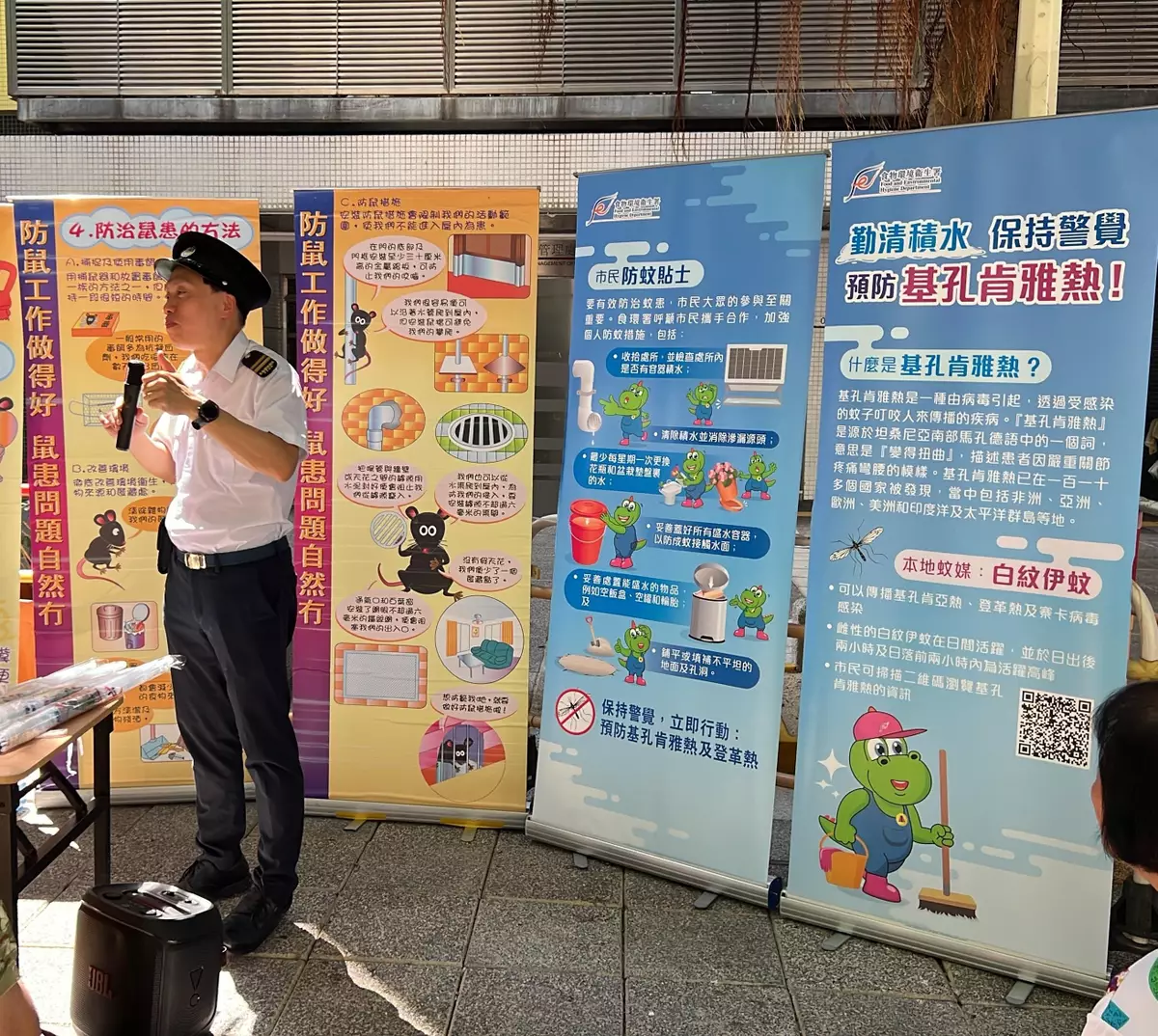
FEHD releases first batch of gravidtrap indexes for Aedes albopictus in October Source: HKSAR Government Press Releases
FEHD releases first batch of gravidtrap indexes for Aedes albopictus in October Source: HKSAR Government Press Releases