In response to the latest U.S. tariff threats, Canadian Prime Minister Mark Carney said on Monday that Ottawa would be willing to talk if Washington changed its approach and showed the "right attitude."
"When the Americans go to the negotiating table first, with the right attitude toward our industries and in a true partnership, of course we'll come to the negotiating table," he said.
U.S. President Donald Trump earlier on Monday threatened to impose a 50 percent tariff on cars, automotive parts and steel imports from Canada after trade talks between the two North American neighbors failed.
"On January First, 2027, Tariffs on all Cars, Trucks, both large and small, Automotive Parts, and Steel, will be increased to 50 percent," Trump wrote in a social media post. "Canada will be treated like a state no longer."
"Canada has been ripping off the United States of America for years," Trump said. "We don't need Canada, they need us."
In response, Carney said that he would not accept the attitude that "Canada is a subsidiary of the United States," or that the country should be disadvantaged relative to the United States.
For the latest U.S. tariff threats, Carney said he is not surprised. He said the United States is attempting to use unfair terms to dismantle Canada's automotive, steel and aluminum sectors. He made it clear that Ottawa would never accept such a move.
The two neighbors failed Friday to reach a deal to avert new 50 percent U.S. tariffs on select Canadian goods. The United States currently collects a 25 percent tariff on Canadian cars, and imposes a 50 percent tariff on steel imports from Canada.
Trump blamed Canada for the collapse of talks, alleging "discriminatory treatment" by Canada against U.S. alcohol, car and dairy products.
Besides the trade deal, the United States and Canada need to agree on revisions to the U.S.-Mexico-Canada free trade agreement, which Trump has refused to renew in its current form.
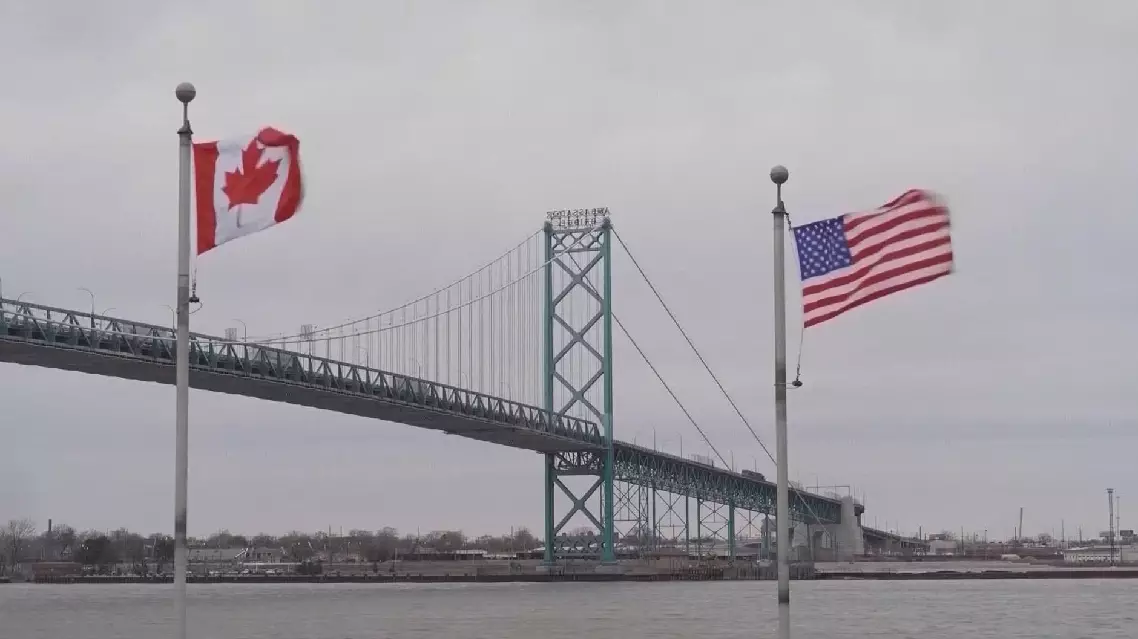
Canadian PM says return to talks conditional on US 'right attitude'
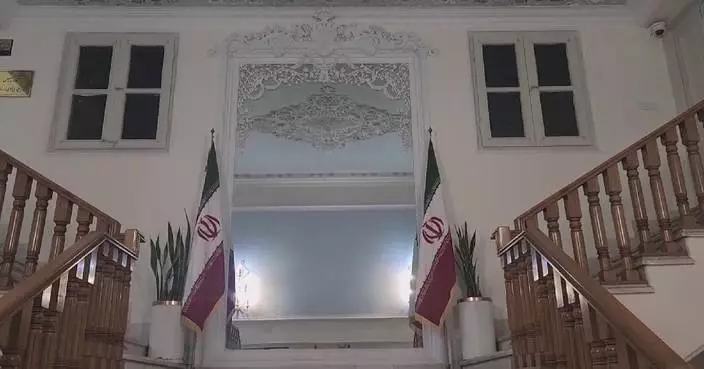
U.S. Treasury Secretary Scott Bessent on Monday threatened Iran with "an economic D-Day" as he announced a wave of new sanctions aimed at further isolating the country and punishing other countries that did business with Tehran.
"We are launching an economic onslaught against Iran's financial connections around the globe," said Bessent at a press conference. "Our objective is to sever every economic lifeline" that sustains the country, he said.
The U.S. Treasury Department said in a press release that the new sanctions target the five critical sectors -- digital assets, technology, gold, aviation and shipping -- that the U.S. says Iran has relied on to prop up its economy.
The measures marked the beginning of "a sustained and systematic campaign to close every financial resource" that supports Iran, the department said. It added that "any entity that facilitates money laundering or sanctions evasion on behalf of Iran risks being cut off from the U.S. financial system.”
The department is expanding the categories of "Iran-related conduct" that the United States might sanction in the future, and said "every country will be given a defined timeline to shut down the Iran-related activity" the United States has identified.
Bessent disclosed that U.S. President Donald Trump has been calling world leaders with specific requests to cease their interactions with Iran.
Simultaneously, the department's Office of Foreign Assets Control (OFAC) sanctioned nearly 60 entities, individuals, and vessels in multiple jurisdictions that enable Iran's activities, including illicit nuclear and missile technology procurement, cyber operations, and oil-revenue generation networks.
OFAC also suspended several general licenses that previously authorized certain remittance payments to Iran and Iranian access to the U.S. cultural and academic system.
Additionally, the Treasury Department released additional guidance on the sanctions risks associated with complying with Iranian demands regarding shipping in the Strait of Hormuz.
In response, Iranian Parliament Speaker Mohammad Bagher Ghalibaf said on Monday that Washington knows full well that no one believes its "nonsense" sanction threats, and the United States no longer has the economic leverage to restrict other countries' relations with Iran.
In a post on X, Qalibaf said "Iran's trading partners, both in the media and through messages sent to us, have made it clear that they don't take these statements into account anywhere."
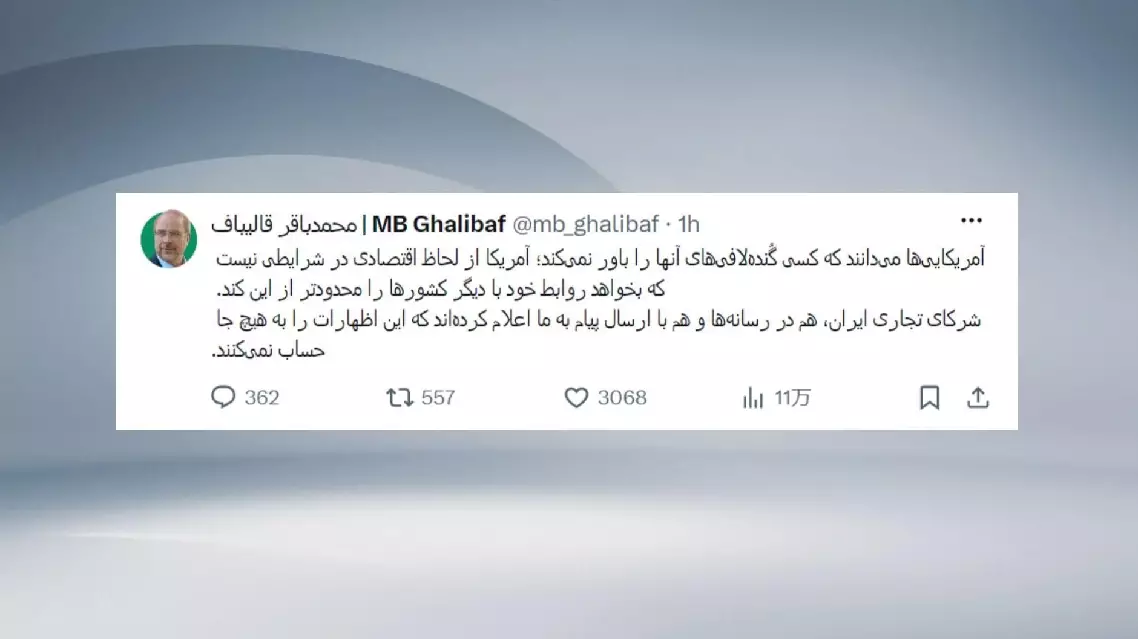
US threats of 'economic D-Day' dismissed as 'nonsense' by Iranian parliament speaker