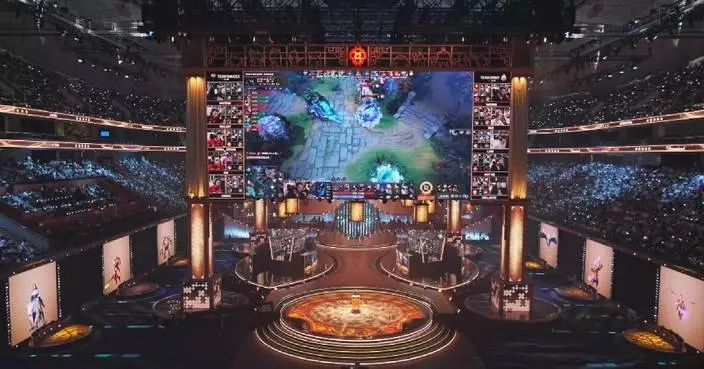
The 21st Changchun Film Festival kicked off on Sunday in Changchun, capital of northeast China's Jilin Province, celebrating the city's legacy as the birthplace of modern Chinese cinema while shining a spotlight on emerging talent.
The six-day event, themed "New Era, New Cradle, New Force," features three thematic chapters. The opening ceremony paid tribute to China's cinematic roots through dance performances, satellite map projections highlighting local film landmarks, and presentations by young volunteers, linking classic ‘red heritage’ memories with the city's modern identity.
The festival’s campaign to take cinema beyond the screen is also bringing movie magic directly into daily urban life.
With nearly 500 screenings, public movie vouchers, and custom-designed film tours, the event is attracting local movie fans.
Events like the "Light and Shadow Market" on Changchun's historic Xinmin Street Cultural Block are seamlessly blending film culture with commercial and tourism sectors.
Industry recognition remains at the heart of the festival. An expert panel is reviewing 16 shortlisted films, including The Volunteers: Peace at Last, Blades of the Guardians, and Dear You, selected from 157 entries.
Ten prestigious Golden Deer Awards will be presented during the closing ceremony on August 28.

21st Changchun Film Festival opens in northeast China
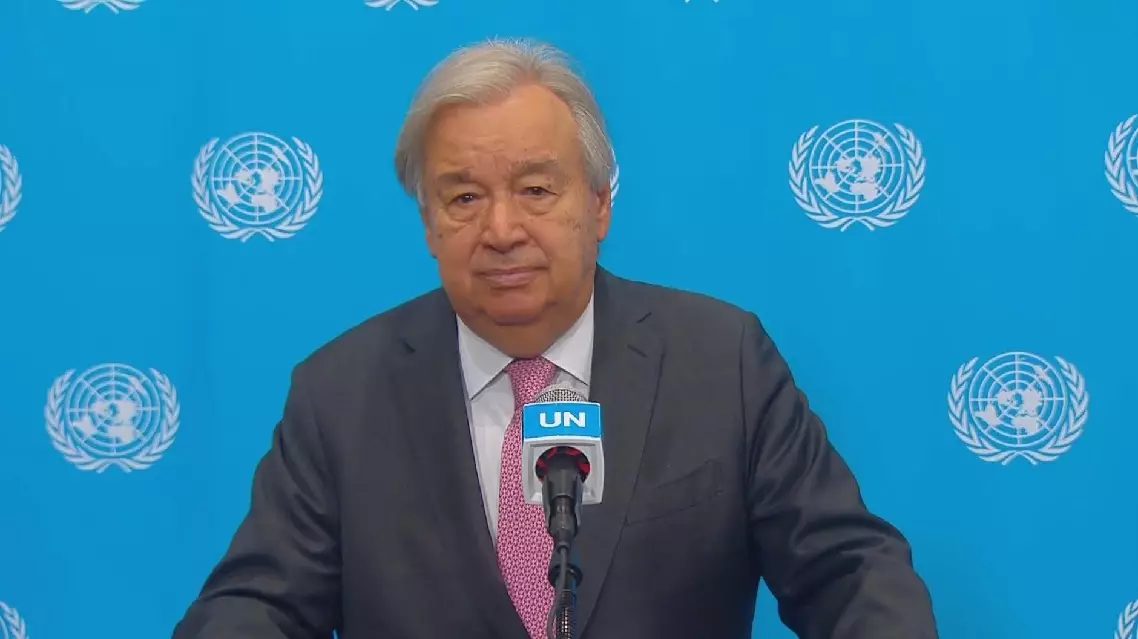
UN Secretary-General Antonio Guterres on Monday called for engagement and cooperation of relevant parties for a confidence-building mechanism that aims to safeguard the movement of essential goods through maritime choke points.
Guterres said a task force he established in March for the Strait of Hormuz crisis has worked to develop "a practical and time-bound confidence-building mechanism focused initially on fertilizers and related raw materials -- but with the ability to be extended to other products."
"Navigational rights and freedoms are not abstract principles, they are international law. Those rights and freedoms are vital for international peace and security and for the flow of food, energy and essential goods on which billions of lives depend. The mechanism would not authorize passage through the State of Hormuz or alter the rights or obligations of any Member State and their international law. Sovereign decisions remain entirely with participating Member States. United Nations would serve as a neutral facilitator and the purpose is simple to reduce immediate risks, support more orderly and predictable transit, and help rebuild the confidence necessary for diplomacy and de-escalation," he stated at a press briefing.
The mechanism can be operationalized quickly as international support for this effort has been encouraging, particularly from vulnerable countries that understand what is at stake when maritime lifelines are disrupted, he said. "What is needed now is the cooperation and political will of the parties. I urge all concerned to engage seriously and constructively."
Guterres cautioned that the mechanism is not a substitute for fully restoring navigational rights and freedoms, or for the political solutions needed to end these conflicts. But it is a practical first step. A demonstration that, even amid conflict, it is possible to reduce risks, protect civilians and safeguard the movement of essential goods, said Guterres.
"The alternative is continued disruption, deeper mistrust and mounting hardship for people far beyond the regions directly affected," he warned.
Guterres called for full respect for international law, including the law of the sea and international humanitarian law; protection for civilian shipping, infrastructure and civilian seafarers; the upholding of navigational rights and freedoms; an immediate end to attacks against commercial shipping and civilian infrastructure in the Black Sea; the full restoration and respect of navigational rights and freedoms in the Strait of Hormuz; and an end to attacks against shipping in the Red Sea and around Bab al-Mandab.
"Maritime choke points must never become instruments of coercion. And the world's food supply must never become collateral damage of conflict," said Guterres.
UN chief calls for cooperation on maritime shipping mechanism