WASHINGTON (AP) — President Donald Trump said Tuesday that he is considering changing the name of Lake Ontario to “Lake America” as the trade war between the United States and Canada intensifies.
Such a change would be reminiscent of the Republican president’s unilateral action last year by executive order to rename the Gulf of Mexico to the Gulf of America.
Click to Gallery
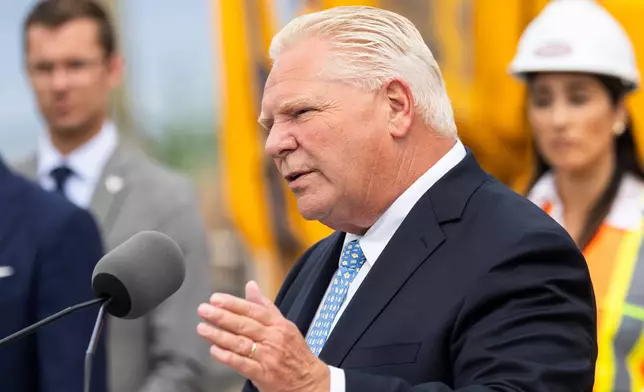
Ontario Premier Doug Ford speaks to media at a housing development in Hamilton, Ontario, Canada on Monday, Aug. 24, 2026. (Nick Iwanyshyn/The Canadian Press via AP)
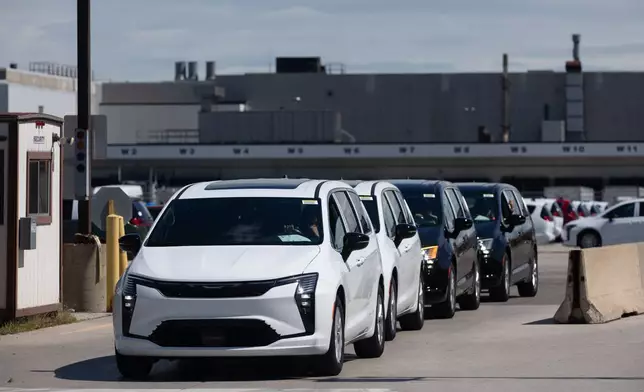
Chrysler Pacificas are driven off the lot at Windsor Assembly Plant in Windsor, Ontario, Canada, on Monday, Aug. 24, 2026. (Dax Melmer/The Canadian Press via AP)

FILE - U.S. Sen. Dan Sullivan, R-Alaska, speaks in Palmer, Alaska, Aug. 17, 2026. (AP Photo/Mark Thiessen, File)
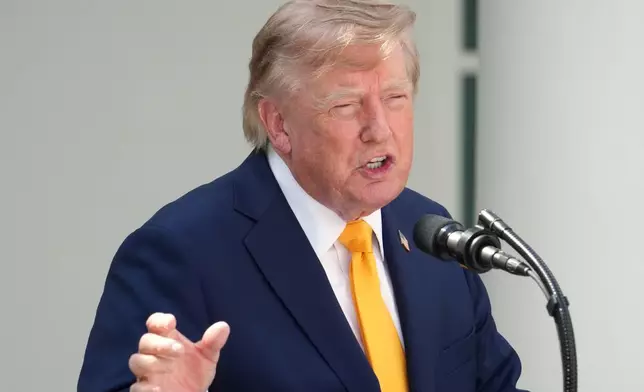
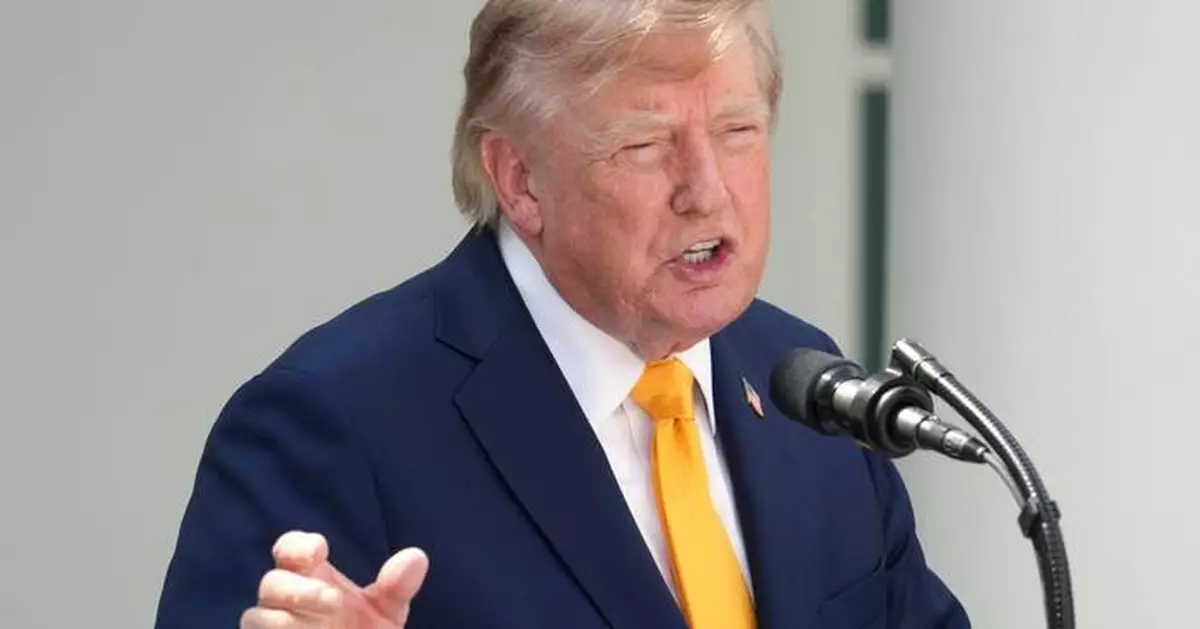
President Donald Trump speaks during a back to school event in the Rose Garden of the White House, Monday, Aug. 24, 2026, in Washington. (AP Photo/Alex Brandon)
The United States and Canada are locked in a trade dispute, with Canada expected to announce retaliatory measures Tuesday. That’s in response to the Trump administration enacting 50% tariffs on $20 billion of Canadian goods over the weekend after talks between the countries broke down.
“The United States is giving serious consideration to changing the name of Lake Ontario to Lake America in that we don’t expect to doing much business with Ontario any longer,” Trump said Tuesday on social media.
Ontario is Canada’s most populous province and is home to the country’s auto industry.
The rhetoric between the two countries is escalating, with Trump telling Canadian leaders Monday to “fall in line” or face consequences “far WORSE” than existing tariffs. Prime Minister Mark Carney has accused Washington of trying to subordinate Canada.
Trump also threatened new 50% tariffs on Canadian vehicles, auto parts and steel, while Carney said U.S. trade demands showed that Washington wanted to “destroy our major industries,” including autos, steel and aluminum.
Canada and the United States share one of the world’s largest trading relationships, with deeply integrated supply chains across autos, energy, agriculture and manufacturing, making a prolonged trade fight potentially costly for businesses and workers on both sides of the border.
Businesses and consumers are caught in the middle, facing uncertainty about how much prices may increase.
Michael Howard II, owner of a furniture business in Warren, Michigan, outside Detroit, said the tariffs will hamper the “ability for us to put food on the table for our family, but also impacts the ability for us to give back to our community.”
Howard and his wife started their business a decade ago. They make and sell everything from dining room tables to bookcases.
“To say that we don’t need Canada is just disingenuous,” he said. “It’s dishonest. And it’s just absolutely not truthful. We need our neighbor, but also they need us.”
Finance Minister François-Philippe Champagne and three other Cabinet ministers are also expected Tuesday morning to share details of support for workers affected by tariffs. Carney said earlier Monday that Canada may need to move away from matching U.S. tariffs dollar for dollar and instead use more targeted retaliation aimed at protecting Canadian workers and businesses.
“An attitude at the negotiation table that Canada is a subsidiary of the United States” is “not something we’re going to accept,” Carney said.
Carney was even more blunt in French.
“We learned during the negotiations that the Americans want to destroy our major industries, including autos, steel and aluminum,” Carney said. “That was one of the main reasons we said no. It was a bad deal.”
Carney said Monday U.S. negotiators had raised the discoverability of French-language content on streaming platforms, along with French-language labeling rules, as trade irritants. He rejected the idea that those protections were negotiable, saying in French: “For the Americans, questions about the French language, Quebec culture, francophone culture and Canadian culture are irritants. Here in Quebec, here in Canada, they are rights."
In a social media post early Tuesday, Trump wrote “I would never interfere with Canadians speaking French! In fact, I have never even thought of doing such a stupid thing. This lie was made up by a weak and ineffective Prime Minister in an attempt to gain political support, which he has totally lost, from the people of Quebec. I love French Canadians!”
Rob Gillies reported from Ontario. Associated Press writers Seung Min Kim contributed from Washington and Mike Householder from Warren, Michigan
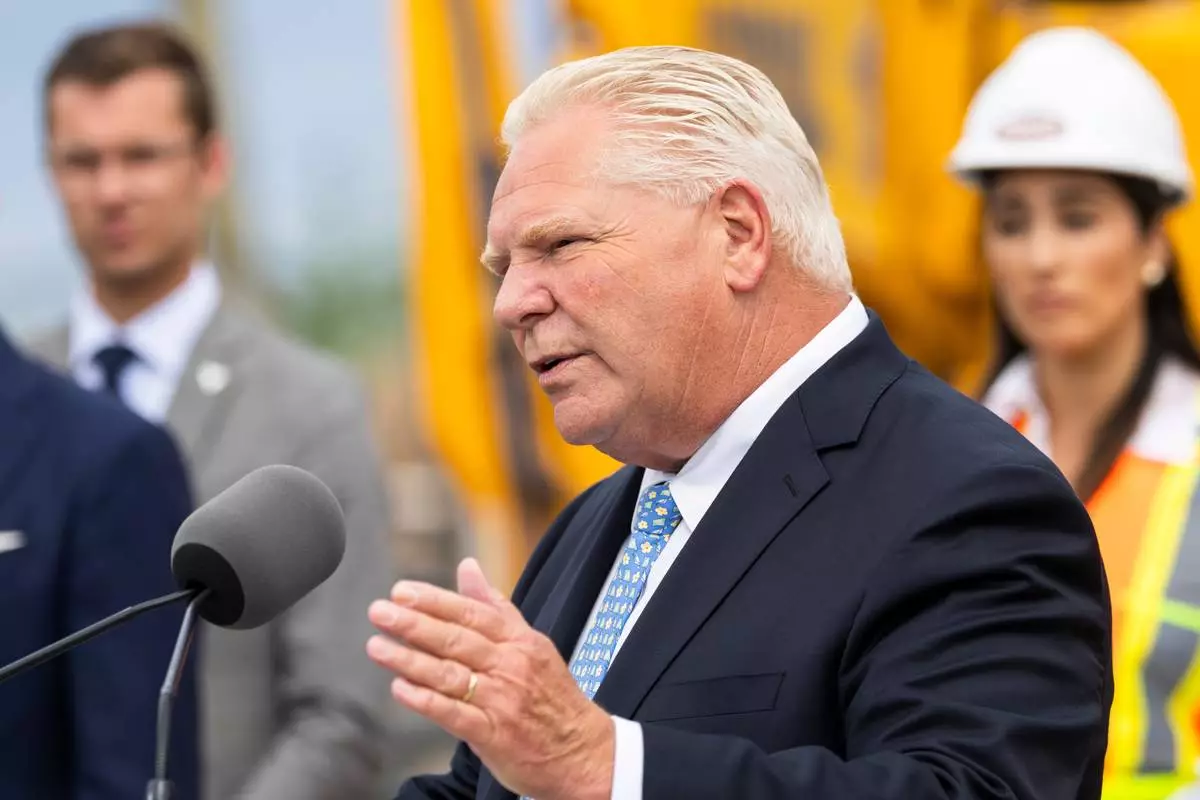
Ontario Premier Doug Ford speaks to media at a housing development in Hamilton, Ontario, Canada on Monday, Aug. 24, 2026. (Nick Iwanyshyn/The Canadian Press via AP)
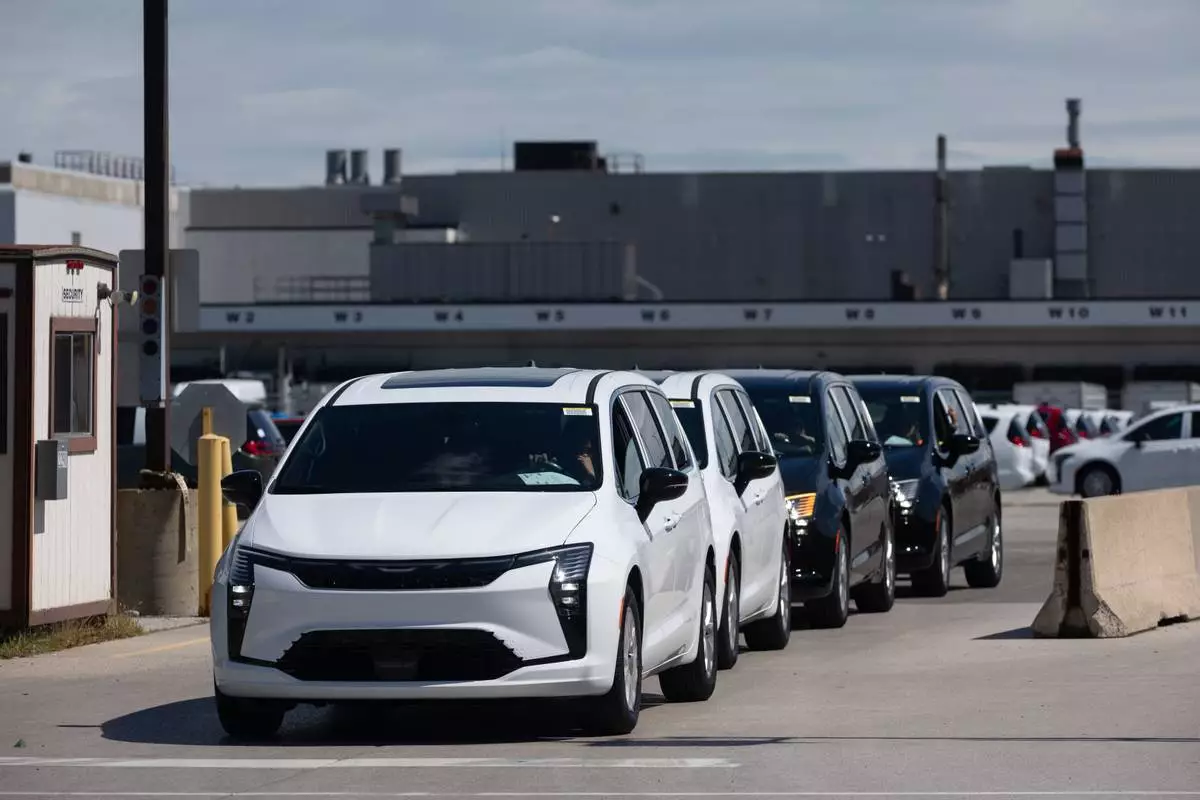
Chrysler Pacificas are driven off the lot at Windsor Assembly Plant in Windsor, Ontario, Canada, on Monday, Aug. 24, 2026. (Dax Melmer/The Canadian Press via AP)

FILE - U.S. Sen. Dan Sullivan, R-Alaska, speaks in Palmer, Alaska, Aug. 17, 2026. (AP Photo/Mark Thiessen, File)
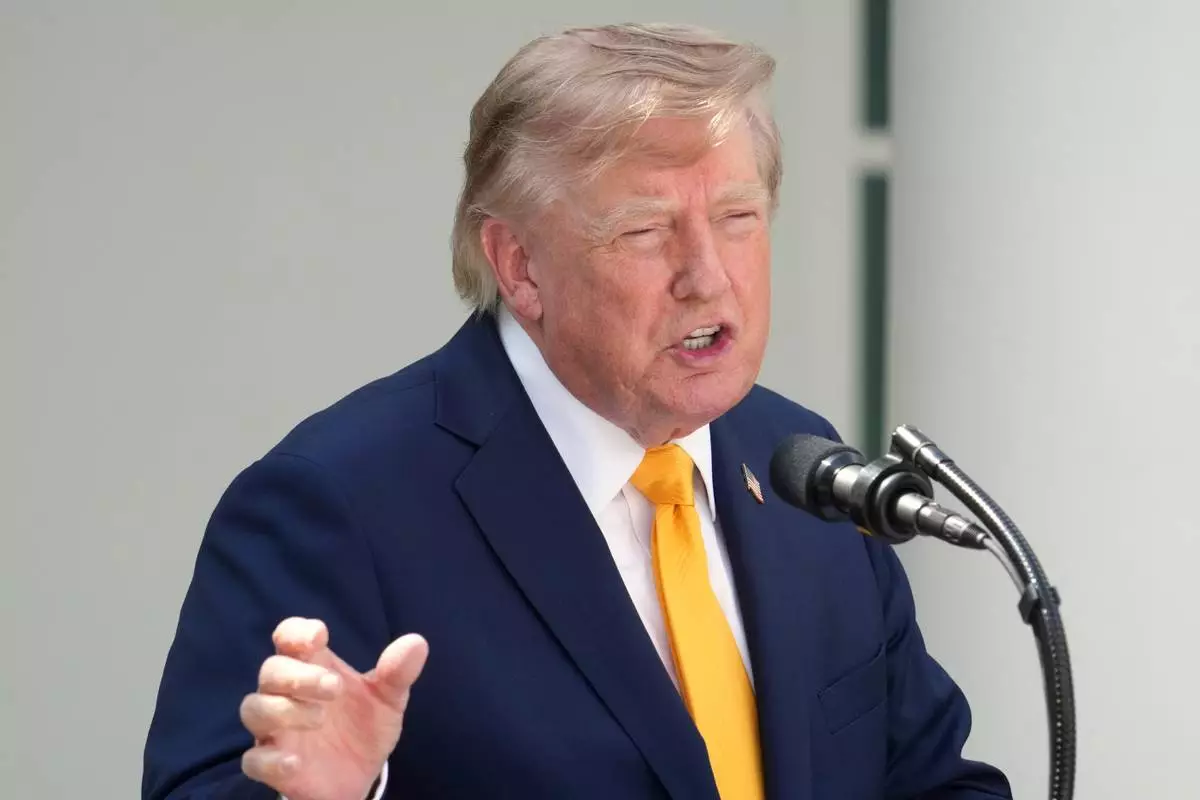
President Donald Trump speaks during a back to school event in the Rose Garden of the White House, Monday, Aug. 24, 2026, in Washington. (AP Photo/Alex Brandon)