The Swift Eagle 2026 joint training for airborne troops from China and Belarus concluded with a closing ceremony at a Chinese People's Liberation Army (PLA) Air Force training center on Monday.
The exercise focused on joint urban counter-terrorism operations, aiming to strengthen the combined operational capabilities of the troops in carrying out counter-terrorism missions.
During the joint training, troops from both sides operated in mixed task groups and conducted specialized training subjects including surveillance and counter-surveillance, seizure-and-control and protection, elimination and defense, in a bid to sharpen their capabilities in joint counter-terrorism operations.
The troops from the two countries also carried out themed workshops, sports competitions, cultural exchanges and other activities to learn from each other's training concepts and methods, enhance the friendship, and reach a consensus on cooperation.
"In this joint training, both sides have well honed their art of tactical cooperation and command coordination, effectively tested and enhanced the two militaries' joint counter-terrorism and emergency response capabilities. They have also accumulated valuable experience, laying a solid foundation for the subsequent execution of various joint missions," said Jiang Heping, a team leader from the Chinese troops.
Marking its fourth iteration, this joint exercise serves as an important platform for counter‑terrorism collaboration between the Chinese and Belarusian militaries. It is of great significance in strengthening practical bilateral cooperation and contributing to regional peace and stability.
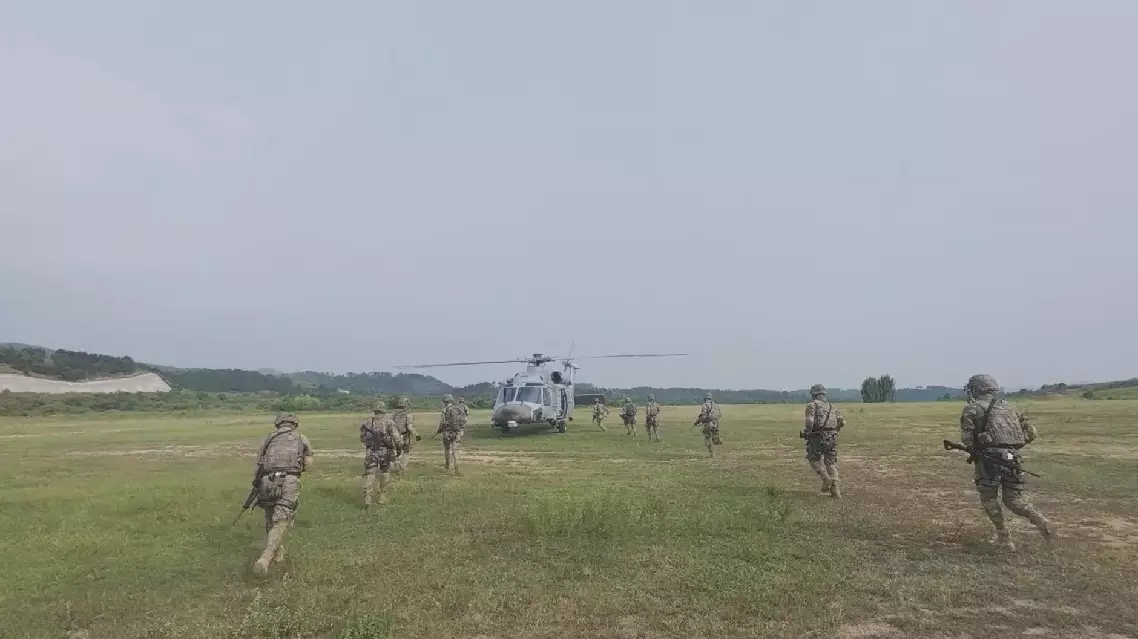
China-Belarus Swift Eagle 2026 joint training concludes

Thai authorities have stepped up security across the country's southern border provinces, after a coordinated wave of insurgent attacks over the weekend left at least three people injured and caused widespread damage to government and public infrastructure.
Security officials said insurgents carried out more than 50 separate attacks between 20:00 and midnight on Saturday across the restive provinces of Narathiwat, Yala and Pattani, close to the border with Malaysia.
The assaults included bombings, shootings and arson, which damaged government buildings, telecommunications towers, railway lines, vehicles and at least one convenience store.
Narathiwat bore the brunt of the violence. The province was also the scene of a deadly attack about a month ago, when gunmen opened fire at a local security checkpoint, killing five Thai soldiers and wounding six civilians.
For residents living in the shadow of the long-running insurgency, the latest unrest has revived a familiar sense of dread.
"It's very depressing. We don't know when it will end. Sometimes, when everything is calm and peaceful, we think maybe it won't happen again. But before long, it happens again. We still wonder when this situation will stop and when these incidents will finally come to an end," Nuralliya Saleh, a villager in Narathiwat, said in an interview with China Global Television Network (CGTN) on Monday.
Boonchuay Homyamyen, governor of Narathiwat, said the disruption to government services has been especially damaging.
"The most significant damage is to government offices because they work closely with local communities. They are responsible for providing services such as allowances for the elderly and those with disabilities, and these incidents have disrupted those services," he told CGTN.
The violence is the latest chapter in a two-decade-long separatist insurgency in Thailand's Muslim-majority deep south, where rebel groups have long sought greater autonomy from the predominantly Buddhist state. Since 2004, more than 7,000 people have been killed and thousands more wounded in the ongoing conflict.
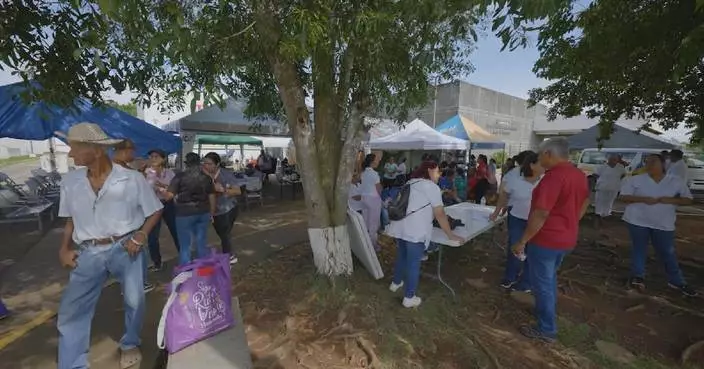
Attacks in southern Thailand lead to tightened security