Skip to Content Facebook Feature Image

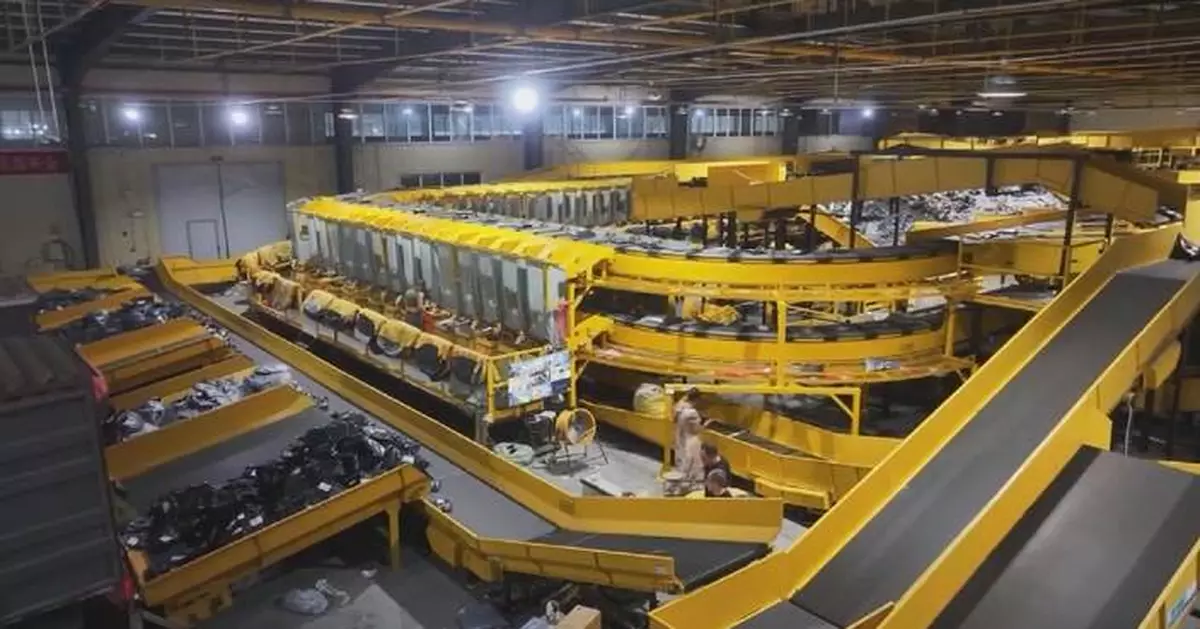
China's logistics sector sustains steady growth in first seven months

China

China's logistics sector sustains steady growth in first seven months
China

China

China's logistics sector sustains steady growth in first seven months

2026-08-28 11:22 Last Updated At:13:37

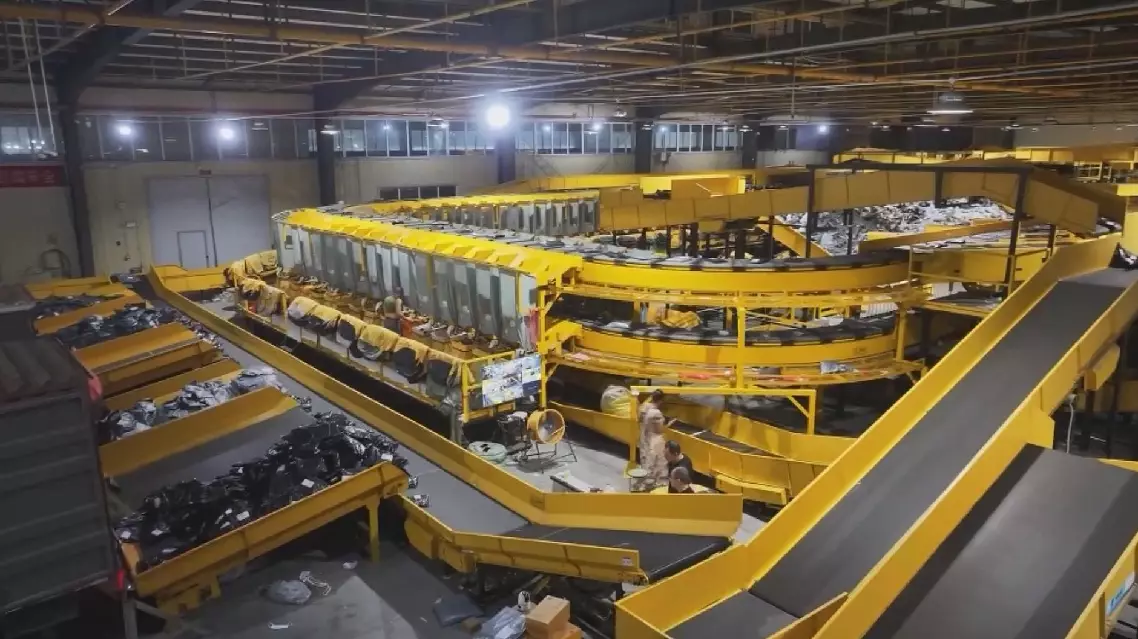
China's logistics sector maintained steady growth with continuous demand for structure improvement in the first seven months of 2026, driven by industrial upgrading and resilient high-end manufacturing, official data showed Friday.

The total value of national social logistics reached 214.5 trillion yuan (about 31.9 trillion U.S. dollars) in the January-July period, up 5 percent year on year, according to data from the China Federation of Logistics and Purchasing (CFLP).

The growth was underpinned by solid industrial product logistics, with structural upgrading becoming increasingly evident.

During the first seven months, the volume of industrial product logistics rose 5.3 percent year on year. While demand for traditional mining-related logistics remained weak, manufacturing logistics continued to serve as the core engine of growth.

In July, manufacturing-related logistics demand grew 5.5 percent year on year, one percentage point higher than the overall industrial product logistics growth. Specifically, logistics demand for equipment manufacturing surged 12.3 percent, while that for high-tech manufacturing jumped 16.9 percent.

On the import front, total import logistics value increased 1.8 percent year on year in the January-July period, with notable divergence across cargo categories. Import volumes of high-tech products and mechanical and electrical products maintained rapid growth.

In July, imports of machine tools soared more than 40 percent year on year, as continued production demand from domestic computer, communications and electronics, as well as intelligent and automated equipment manufacturing, drove growth in import volumes tied to industrial upgrading and provided structural support for import logistics expansion.

"Overall, in the January-July period of 2026, China's social logistics sector has sustained a steady and progressive trajectory, with upgrading-related logistics demand running through every segment and becoming the main thread of demand structure optimization," said Liu Yuhang, director of the China Logistics Information Center.
China's logistics sector sustains steady growth in first seven months

China's logistics sector sustains steady growth in first seven months
U.S. President Donald Trump on Thursday signed an executive order directing the Department of the Interior to rename Lake Ontario "Lake America," while Canadian Prime Minister Mark Carney criticized the move, noting that the lake is called Lake Ontario "today and forever."

"We're gonna to be changing the name of Lake Ontario, effective immediately, to Lake America," Trump said in the Oval Office before signing the order.

The move came just two days after Trump said on social media that the United States is giving "serious consideration" to changing the name of Lake Ontario to "Lake America," citing that "we don't expect to be doing much business with Ontario any longer."

In response, Canadian Prime Minister Mark Carney said Thursday that the name "Lake Ontario" carries a long history and that Canadians will always use this name regardless of external changes.

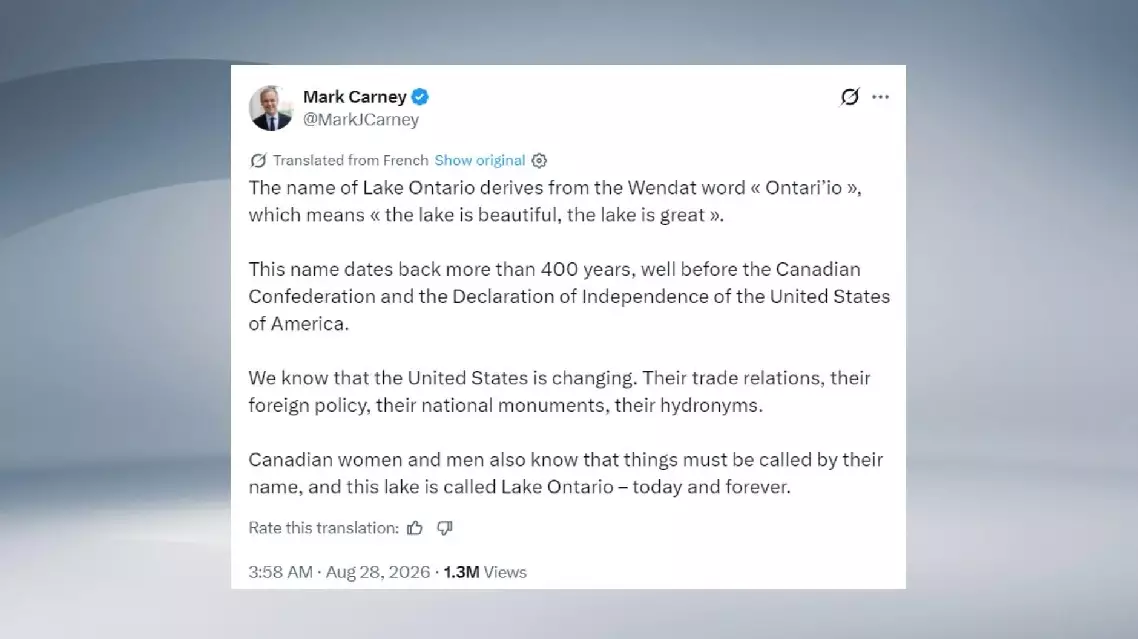
Carney wrote in a post on X that the name came from the Wendat word Ontari'io, which means "the lake is beautiful, the lake is big."

The name is more than 400 years old, "predating both the Confederation of Canada and the Declaration of Independence of the United States of America," added the prime minister.

"We know that America is changing. Their trading relationships, their foreign policies, their national monuments, their hydronyms," Carney said.

"Canadians also know that naming reality means calling it Lake Ontario -- then, now and always," he wrote.

Trump's attempt to rename the lake came as a recent breakdown in trade talks between the two countries led to new retaliatory tariffs.

The United States and Canada failed to reach a trade deal on Aug. 21, and the United States imposed a 50-percent tariff on about 20 billion U.S. dollars' worth of Canadian goods on Aug. 22.

Canada responded by announcing "dollar-for-dollar" retaliatory tariffs on imports from the United States, set to take effect on Sept. 8.

Lake Ontario, one of the five Great Lakes of North America, straddles the U.S.-Canada border, with the Canadian province of Ontario to the north and the U.S. state of New York to the south.

Canadian PM defends "Lake Ontario" name after Trump renaming order

Canadian PM defends "Lake Ontario" name after Trump renaming order

Recommended Articles