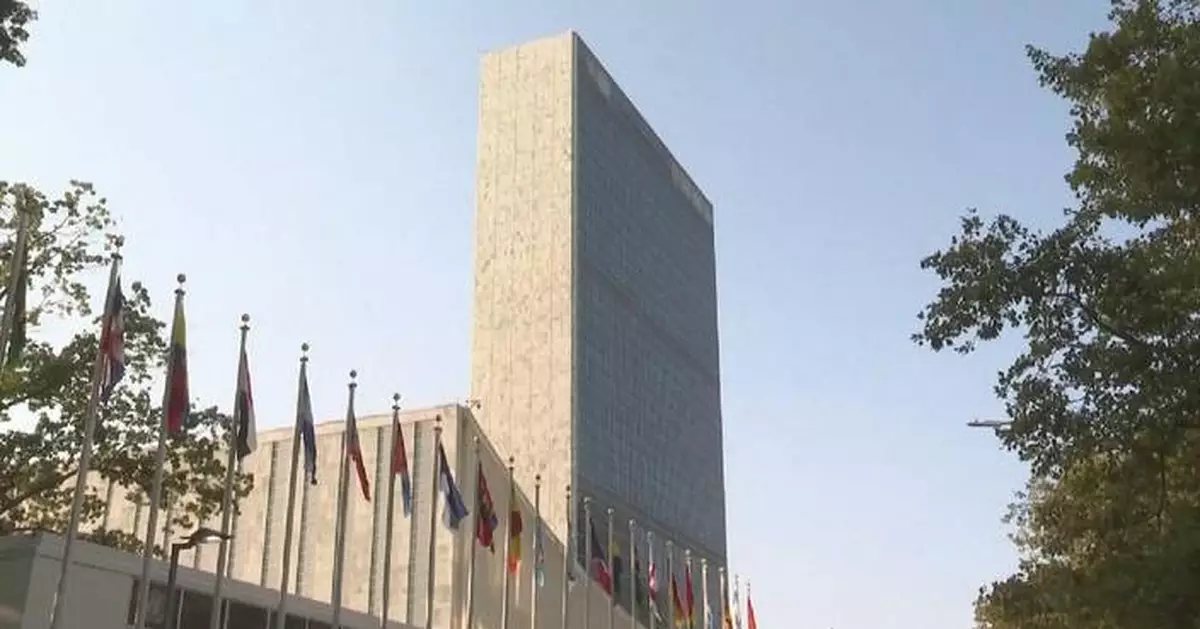
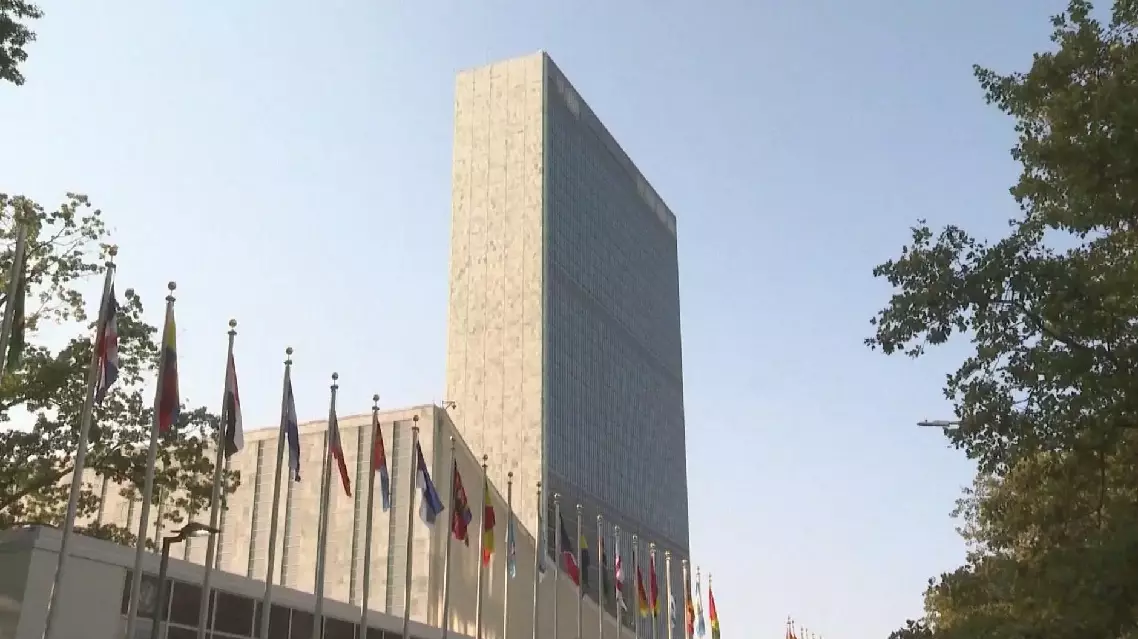
Iran has formally protested U.S. latest round of sanctions, submitting a letter to the United Nations that has now been circulated to the Security Council and the General Assembly.
UN Secretary-General spokesperson Stephane Dujarric confirmed on Thursday that the UN had received the letter from Iranian Foreign Minister Abbas Araghchi regarding the new U.S. sanctions against Iran. At Iran's request, the correspondence has been distributed to both the UN Security Council and the General Assembly.
"The letter has been received, it has been distributed to Security Council and General Assembly as requested to by the authorities. The only way to reach a durable settlement is through dialogue and the mediation efforts by Qatar, by Egypt, by Pakistan of course and others," he said.
Dujarric also said that UN Secretary-General Antonio Guterres is concerned about any new measures or rhetoric that could lead to further escalation of the situation. Guterres reiterated that dialogue remains the only pathway to a lasting resolution, the spokesman added.
U.S. Treasury Secretary Scott Bessent on Monday threatened Iran with "an economic D-Day," announcing a wave of new sanctions against the country.
Iranian President Masoud Pezeshkian said Wednesday that the United States will not achieve anything through its economic pressure on Iran.
Iran lodges formal complaint with UN over fresh US sanctions
U.S. President Donald Trump on Thursday signed an executive order directing the Department of the Interior to rename Lake Ontario "Lake America," while Canadian Prime Minister Mark Carney criticized the move, noting that the lake is called Lake Ontario "today and forever."
"We're gonna to be changing the name of Lake Ontario, effective immediately, to Lake America," Trump said in the Oval Office before signing the order.
The move came just two days after Trump said on social media that the United States is giving "serious consideration" to changing the name of Lake Ontario to "Lake America," citing that "we don't expect to be doing much business with Ontario any longer."
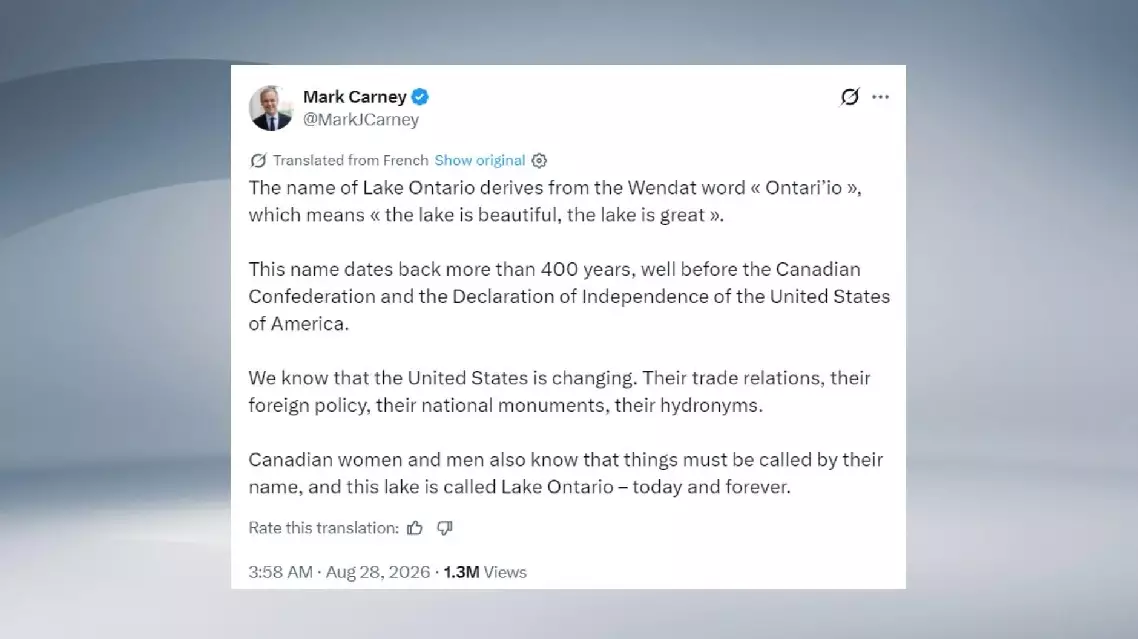
In response, Canadian Prime Minister Mark Carney said Thursday that the name "Lake Ontario" carries a long history and that Canadians will always use this name regardless of external changes.
Carney wrote in a post on X that the name came from the Wendat word Ontari'io, which means "the lake is beautiful, the lake is big."
The name is more than 400 years old, "predating both the Confederation of Canada and the Declaration of Independence of the United States of America," added the prime minister.
"We know that America is changing. Their trading relationships, their foreign policies, their national monuments, their hydronyms," Carney said.
"Canadians also know that naming reality means calling it Lake Ontario -- then, now and always," he wrote.
Trump's attempt to rename the lake came as a recent breakdown in trade talks between the two countries led to new retaliatory tariffs.
The United States and Canada failed to reach a trade deal on Aug. 21, and the United States imposed a 50-percent tariff on about 20 billion U.S. dollars' worth of Canadian goods on Aug. 22.
Canada responded by announcing "dollar-for-dollar" retaliatory tariffs on imports from the United States, set to take effect on Sept. 8.
Lake Ontario, one of the five Great Lakes of North America, straddles the U.S.-Canada border, with the Canadian province of Ontario to the north and the U.S. state of New York to the south.
Canadian PM defends "Lake Ontario" name after Trump renaming order