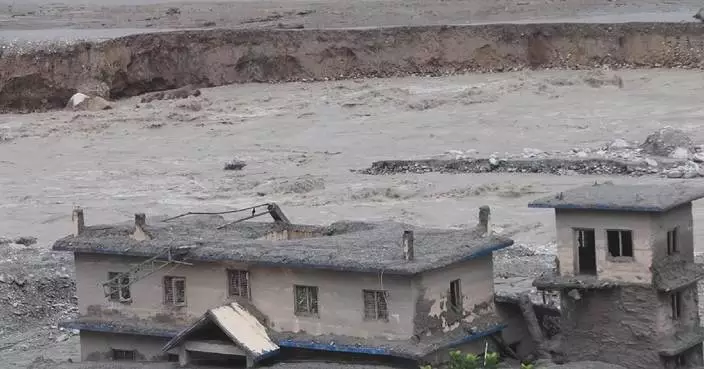
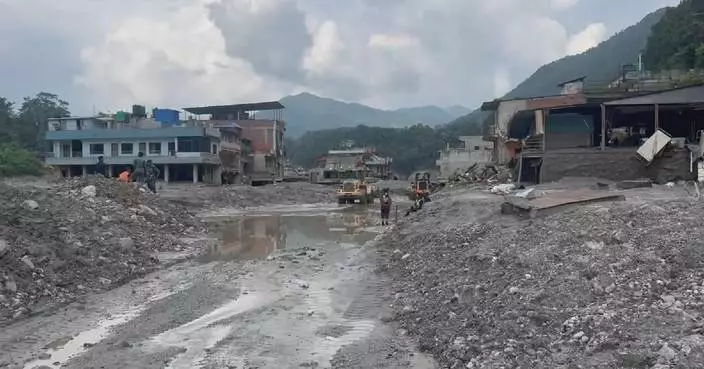
Rescue teams are working around the clock after a glacier collapse on the Nepalese side triggered a massive mudslide that struck the Gyirong Port on the China-Nepal border in southwest China's Xizang Autonomous Region on Wednesday morning, but challenges on the ground have made their efforts extremely difficult.
First, the vertical drop of the mudslide is about 3,300 meters, constituting a very rare combination of extreme fall height and high velocity, unleashing a devastating disaster. The scale and speed of the disaster has dramatically expanded the search area. The mountainside avalanche carried massive amounts of debris across a path stretching 20 kilometers.
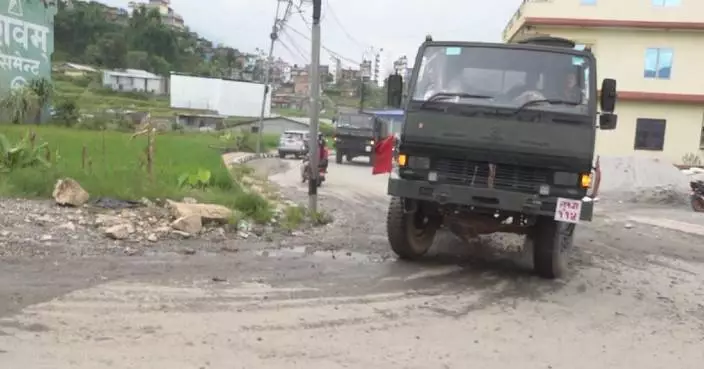
Second, two main roads into the Gyirong Port have been washed out, cutting off ground access. This means personnel, equipment and supplies cannot quickly reach the affected zone.
Third, the narrow canyon makes it nearly impossible for heavy equipment to get in. Some spots are merely three meters wide.
And lastly, high-altitude winds, persistent rain and fog have severely hampered aerial operations.
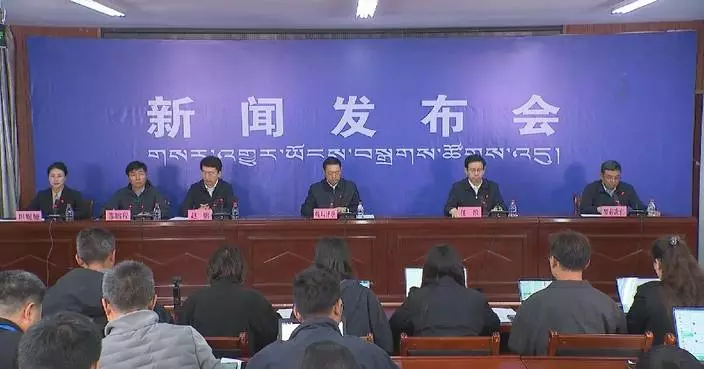
On the Chinese side, 16 people have been confirmed dead and 546 others remain missing as of 18:00 Saturday, according to the regional government.
Nepal's National Disaster Risk Reduction and Management Authority said that 734 bodies had been recovered from mudslide-hit areas on the Nepalese side as of 09:00 local time on Sunday, with 2,498 people still missing.
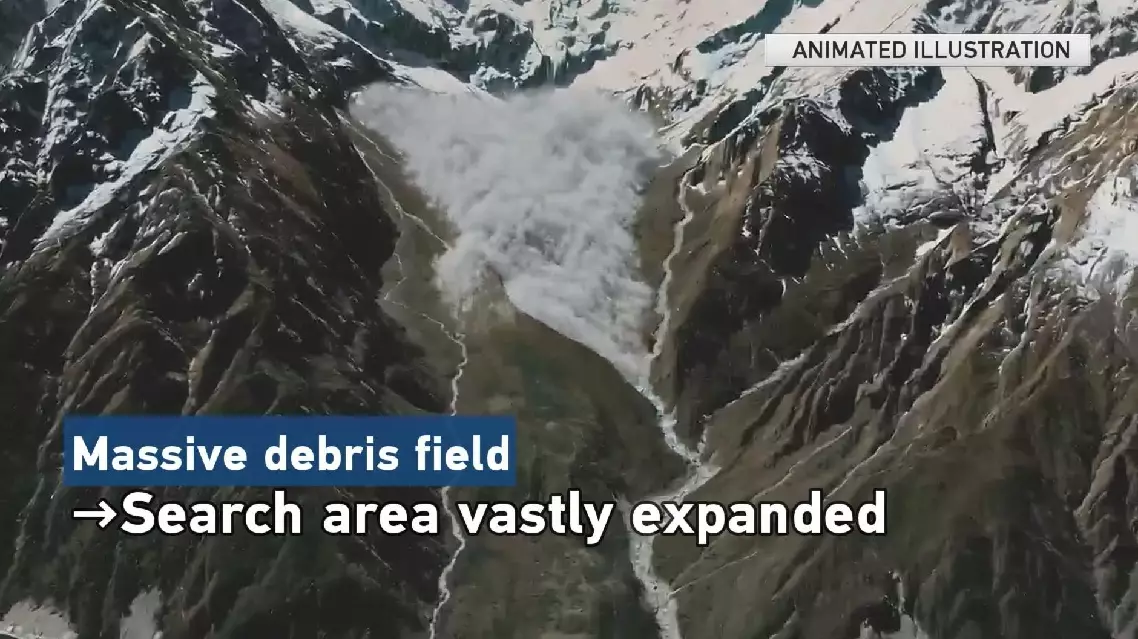
Rescue teams face daunting challenges on various fronts after massive mudslide on China-Nepal border
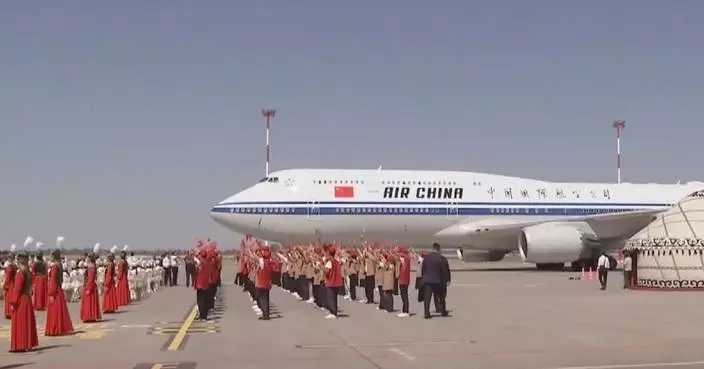
China and Kyrgyzstan have continued to optimize customs clearance procedures and broaden the range of traded goods in recent years, accelerating trade cooperation between businesses in both countries and strengthening their multifaceted partnership.
China is becoming a significant emerging consumer market for Kyrgyzstan, with bilateral trade exceeding 81 billion yuan (about 12.04 billion U.S. dollars) in the first seven months of this year.
The Kyrgyzstan-China (Chongqing) Economic and Trade Cooperation Center, based in Chongqing Municipality in southwest China, has been providing one-stop, long-term services, including policy consultation and business negotiations, to enterprises from both countries. These efforts have helped expand areas of cooperation from traditional freight transport to more diverse sectors such as new energy, cross-border e-commerce, and modern agriculture.
Data shows that in the first seven months of this year, Chongqing's imports and exports with Kyrgyzstan grew by more than 50 percent year on year.
"We have invited many high-quality Kyrgyz dealers to come to Chongqing for on-site inspections and to purchase our products. Taking the automobile category as an example, from January to July this year, our total export value has exceeded 100 million yuan, an increase of more than 70 percent compared with the same period last year," said Hu Qingpeng, executive director of the center.
China is a major importer of Kyrgyzstan's specialty agricultural and food products, including mountain honey and dairy products. Agreements on quarantine protocols have also been successively signed for a number of Kyrgyzstan's key agricultural products, such as kidney beans and dried fruits, as China continues to expand the range of import categories from Kyrgyzstan.
"The wool and cashmere industry is an important industry for Kyrgyzstan. The local livestock resources are rich and have enormous development potential. Last year, China and Kyrgyzstan officially signed the protocol on veterinary and sanitary requirements for the export of washed wool from Kyrgyzstan to China, which has opened up the Chinese market for Kyrgyzstan's high-quality livestock resources," said Zhang Yang, a customs officer at Horgos Customs in northwest Xinjiang Uygur Autonomous Region.
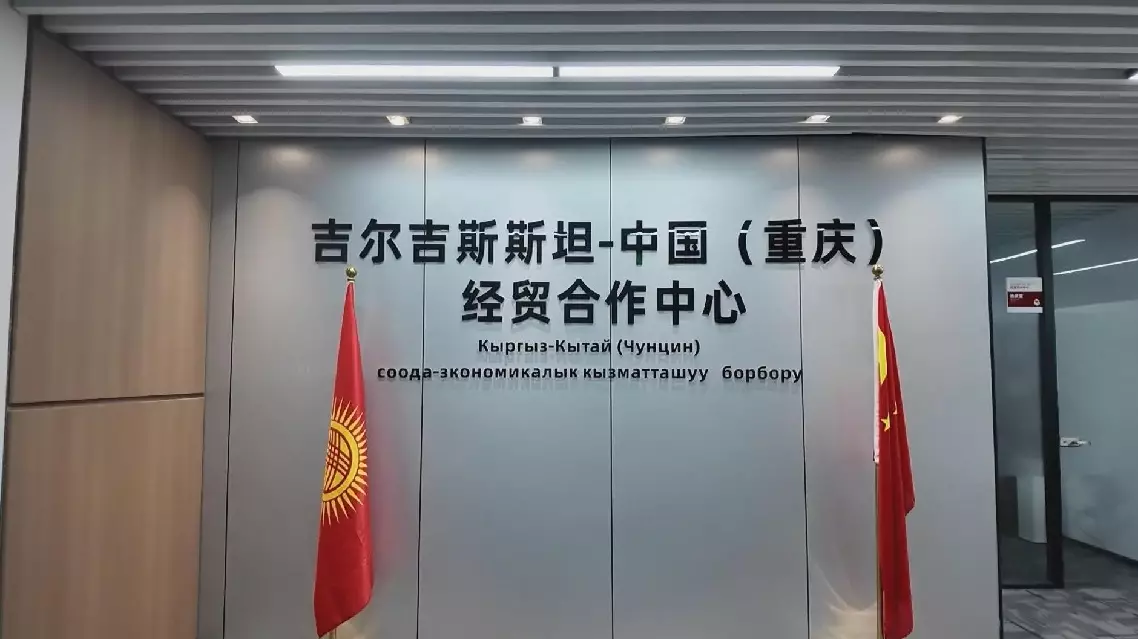
China-Kyrgyzstan trade deepens as bilateral cooperation diversifies