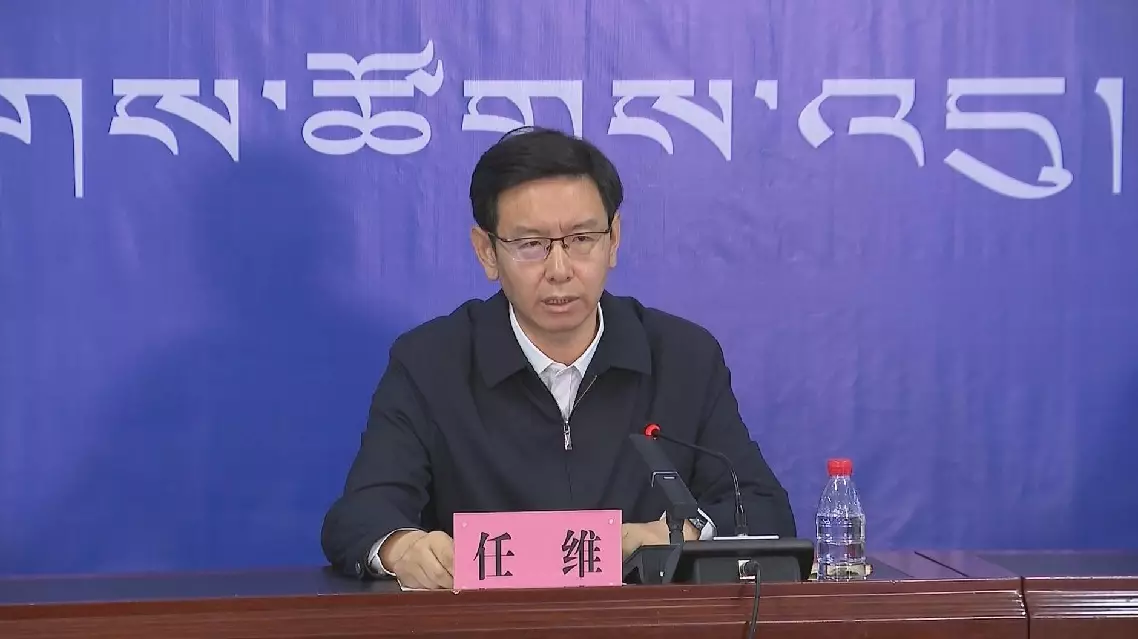
A barrier lake formed upstream of the mudslide-hit Gyirong Port in southwest China's Xizang Autonomous Region is currently stable with a low risk of sudden, complete breach, Ren Wei, executive vice chairman of the regional government said at a press conference on Sunday.
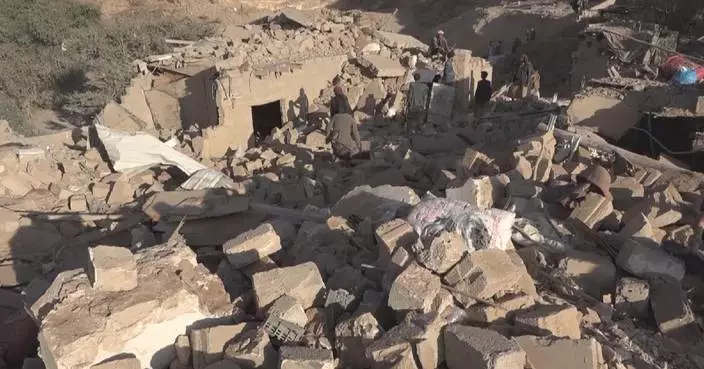
Sixteen people have been confirmed dead and 546 others remain missing as of 18:00 Saturday after the mudslide struck the port on the China-Nepal border on Wednesday, according to the regional government.
The most prominent risk hindering disaster response operations has been the barrier lake located directly above the port's core zone, according to Ren.
"Currently, a clear overflow channel has formed at the top of the barrier lake. Yesterday, the outflow volume generally exceeded the inflow volume, and the water surface level declined. Based on a comprehensive assessment, the overall situation of the barrier lake is relatively stable at present, and the risk of a sudden, complete breach is relatively small," he said.
A total of 2,141 rescue workers and 86 specialists have arrived at the area after the mudslide, which was triggered by the collapse of glacier on the Nepalese side at a higher elevation.
All-out efforts are being made to search and rescue people who are missing.
Barrier lake formed near Gyirong Port stable with low risk of breach: official
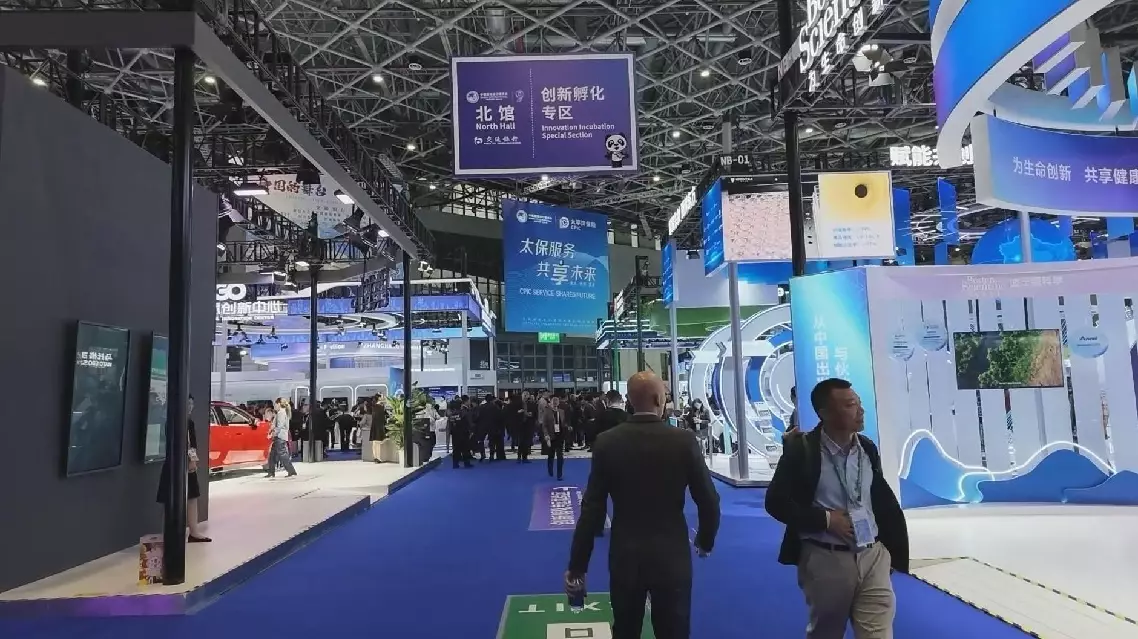
Overseas healthcare and medical firms, from first-time to longtime exhibitors, are using the ongoing 9th China International Import Expo (CIIE) in Shanghai as a platform to tap China's fast-growing market and reach Asian consumers.
The CIIE, running from November 5 to 10 in Shanghai, has attracted 4,142 overseas exhibitors across more than 440,000 square meters, with over 480 exhibits making their global, Asian or China debut, the highest number in the event's history.
In the medical equipment and healthcare zone, both first-time and returning exhibitors are showcasing products and seeking deeper access to the Chinese market.
For Biosan AS, a Norwegian nutrition and health supplement brand, this year marks its CIIE debut. The company is using the Shanghai showcase to roll out seven new products for the Asian market, betting that China's rapidly expanding health sector offers the right entry point.
"This is our first time to attend the CIIE. We are introducing seven new launches to the Asian markets at this exhibition. We think the Chinese market is a really fast-growing health market, it's a great place for us to start to show the products to the Asian consumers," said a representative of Biosan AS.
For returning exhibitors, the expo has delivered tangible market growth and reinforced their confidence in deepening their presence in China.
"So we have been to CIIE many times. It definitely helps a lot as a U.S. brand to enter the Chinese market and we really appreciate the opportunities that China opening-up policies has brought us," said a U.S. exhibitor.
Another exhibitor, back for a second year, described a three- to five-fold revenue increase after its first CIIE appearance.
"We first attended the CIIE last year, and our brand's revenue grew three- to five-fold. We hope the expo will help us further expand our brand influence, win more orders and partnerships. We are also working with universities on the Chinese mainland on joint research to advance industry-academia-research integration," said the exhibitor.
Several foreign companies said that their operations in China are moving beyond simply importing overseas products: they are ramping up production investment, co-building clinical research programs and assembling fuller industrial ecosystems on the ground.
"These technologies are being rolled out from our China factories, based in the Yangtze River Delta. We are very optimistic about the Chinese market and are continuing to invest across various aspects and pursue ongoing technological iteration," said an exhibitor.
Global firms eye China's fast-growing health market at 9th CIIE