Rescuers are racing against both time and nature to unblock the primary corridor leading to the Gyirong border port in southwest China's Xizang Autonomous Region, after Wednesday's massive mudslide cut off the land route, leaving the core disaster area inaccessible to ground vehicles.
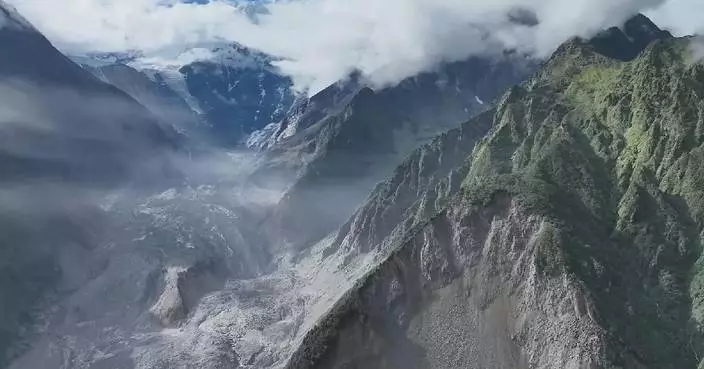
The large-scale rescue operation is continuing after the mudslide was triggered by a catastrophic glacier collapse in north Nepal, which sent a torrent of ice, rock, mud and water rushing across the China-Nepal border region, causing destruction in a matter of minutes.
The tragedy has so far killed at least 16 people in Gyirong, with hundreds reported missing, while flash floods resulting from the same disaster have claimed 734 lives and left nearly 2,500 others missing in Nepal, authorities from both countries confirmed on Sunday morning.
Efforts are intensifying to restore access to the areas cut off by the mudslide in the hope of finding the 546 people still missing in the wake of the disaster.
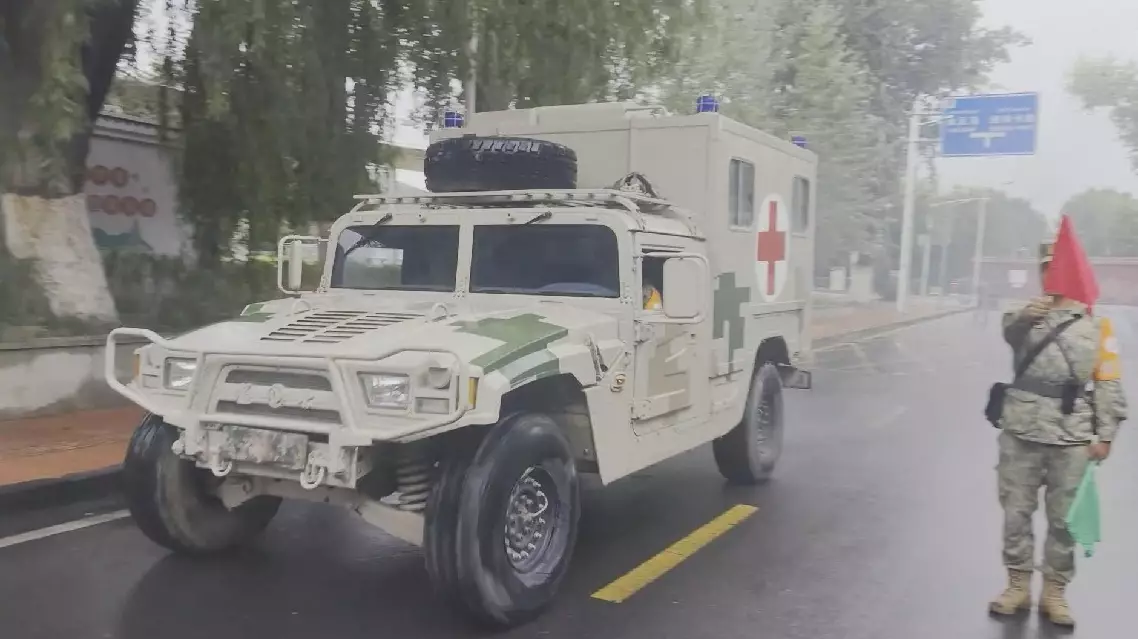
China's Ministry of Emergency Management on Sunday dispatched 110 rescuers and 28 pieces of heavy equipment from China Anneng -- a state-owned engineering and rescue enterprise -- to clear debris from the damaged sections of the G216 national highway, a major road link through the area.
However, progress has been painfully slow due to the challenging terrain of the disaster zone. The work site lies in a deep gorge with sheer cliffs on both sides, leaving little room for heavy machinery to operate side by side. The mudslide has also scoured away large sections of the roadbed, with some sections being completely hollowed out and covered in thick sludge.
Despite the risks posed by secondary disasters such as rockfalls and landslides, the road clear-up operation is continuing in earnest. As of midday Sunday, the China Anneng team has pushed forward over 260 meters through the originally blocked-off site, excavating and backfilling over 28,500 cubic meters of debris.
The rescue crews were hindered on Saturday as heavy rain, low temperatures, and thick fog severely hampered the search and rescue operations.
Earlier that day, rescuers deployed drones to survey the damaged G216 highway, but this effort was temporarily halted as the intense fog dropped visibility to just seven meters.
When the weather finally improved a few hours later, teams used heavy-lift drones to deliver food and supplies to their fellow rescuers who have ventured ahead on foot, ensuring the search and rescue operations can continue round the clock.
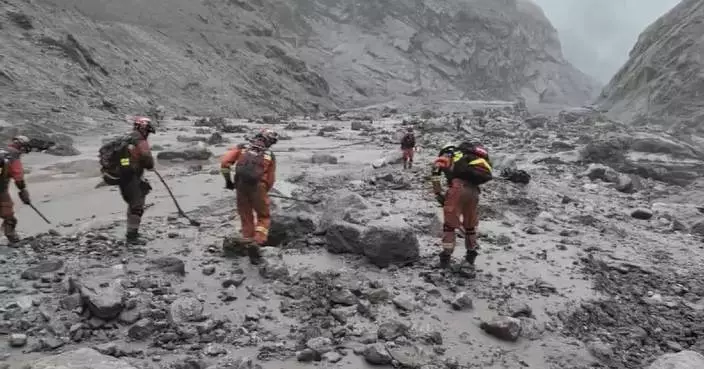
Those who are on the frontlines at the border area reported that the rain has turned the search area into a quagmire of deep sludge, forcing rescuers to tread carefully and even tether themselves with safety ropes as they comb through the area for any sign of life.
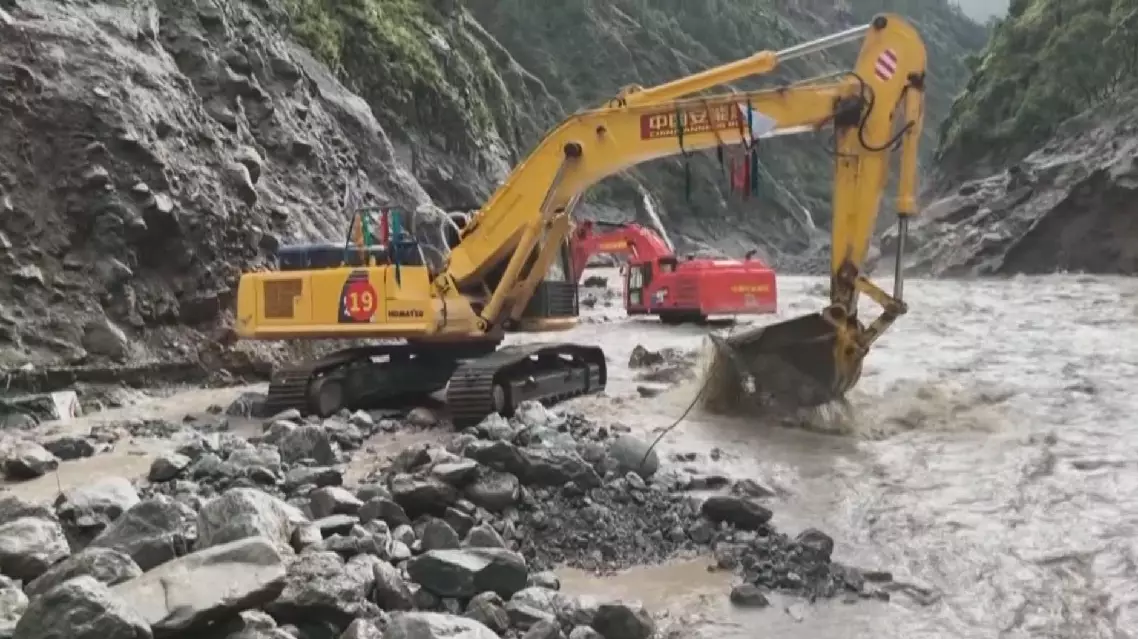
Rescuers battle elements in race to clear mudslide-hit highway at Gyirong border port
Rescuers battle elements in race to clear mudslide-hit highway at Gyirong border port