Skip to Content Facebook Feature Image

School starts soon in Lebanon but thousands still shelter in them during war

News

School starts soon in Lebanon but thousands still shelter in them during war
News

News

School starts soon in Lebanon but thousands still shelter in them during war

2026-08-31 17:12 Last Updated At:17:20

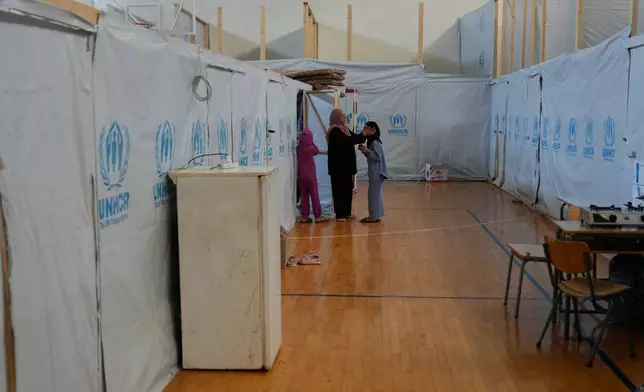
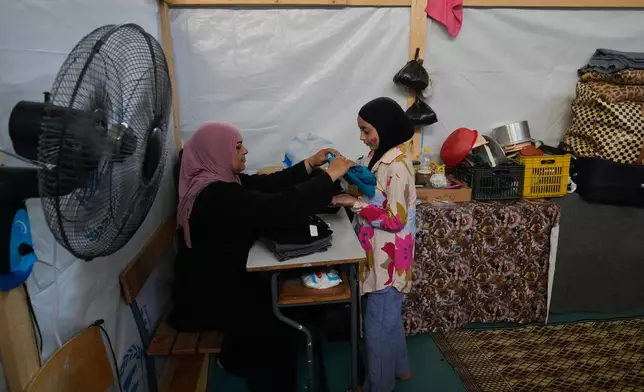
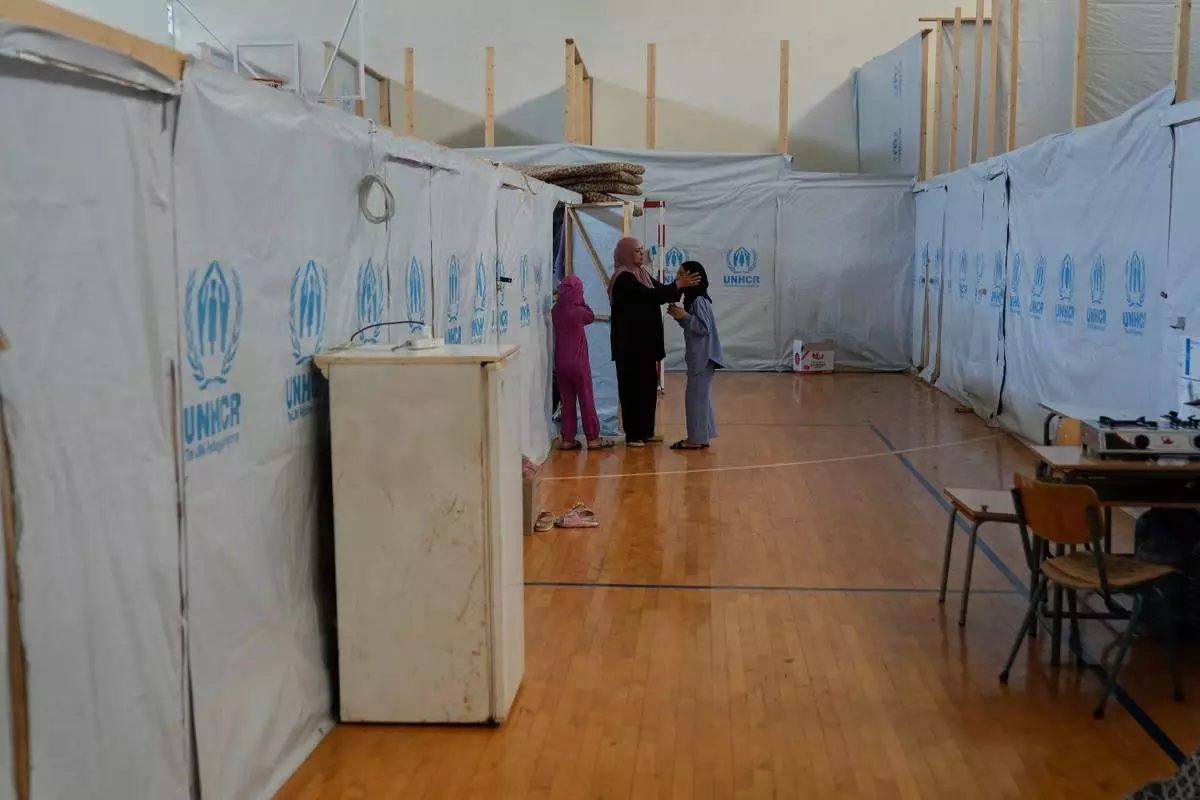
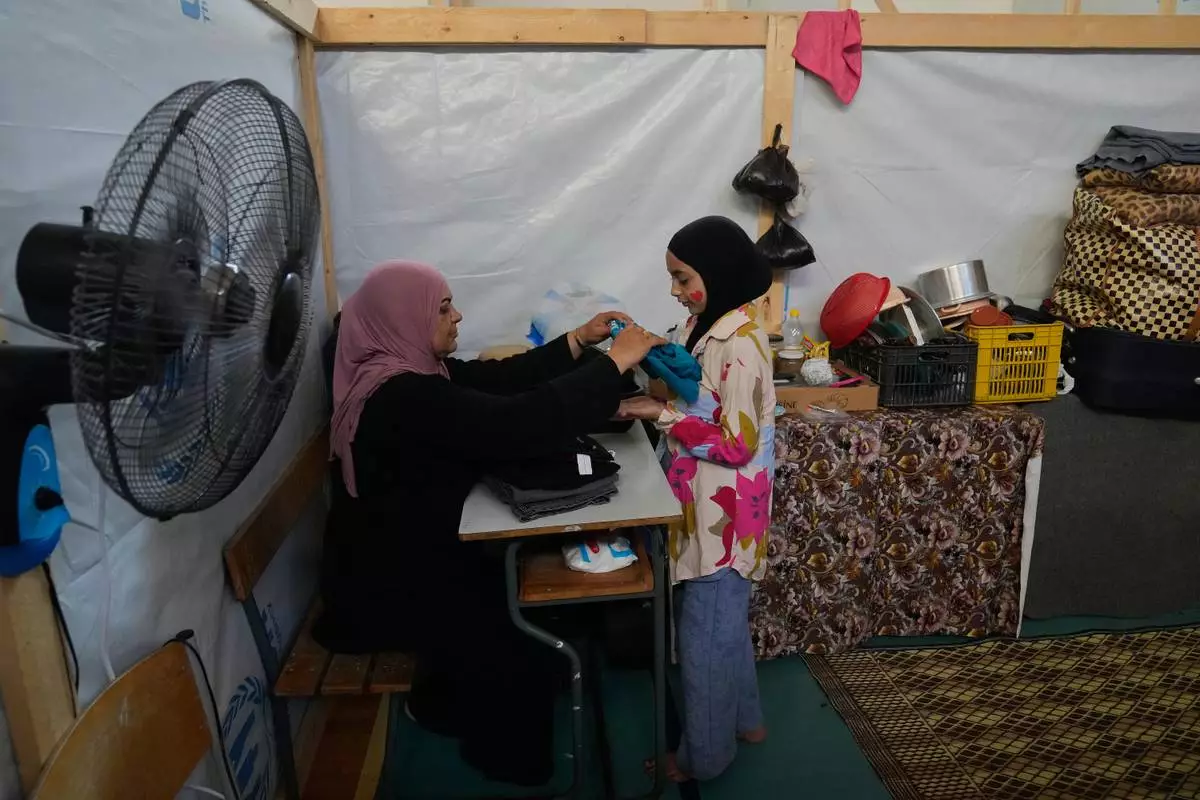
TYRE, Lebanon (AP) — Eleven-year-old Fatima Khashab helps her mother tidy the small area where their family sleeps, in a row of makeshift living quarters in a school gymnasium.

About 200 families are sheltering in the school in Lebanon’s southern coastal city of Tyre. Most are from villages farther south that have been destroyed in the latest war between Israel and the Iran-backed Lebanese militant group Hezbollah or are occupied by Israeli forces, like Fatima’s hometown of Mansouri.

More Images
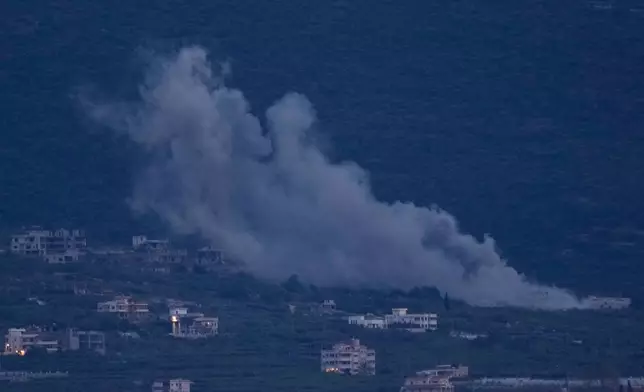
FILE — Smoke rises from an Israeli airstrike that hit Mansouri village as it is seen from Tyre city, south Lebanon, Thursday, March 26, 2026. (AP Photo/Hussein Malla, File)

FILE — Smoke rises from an Israeli airstrike that hit Mansouri village as it is seen from Tyre city, south Lebanon, Thursday, March 26, 2026. (AP Photo/Hussein Malla, File)

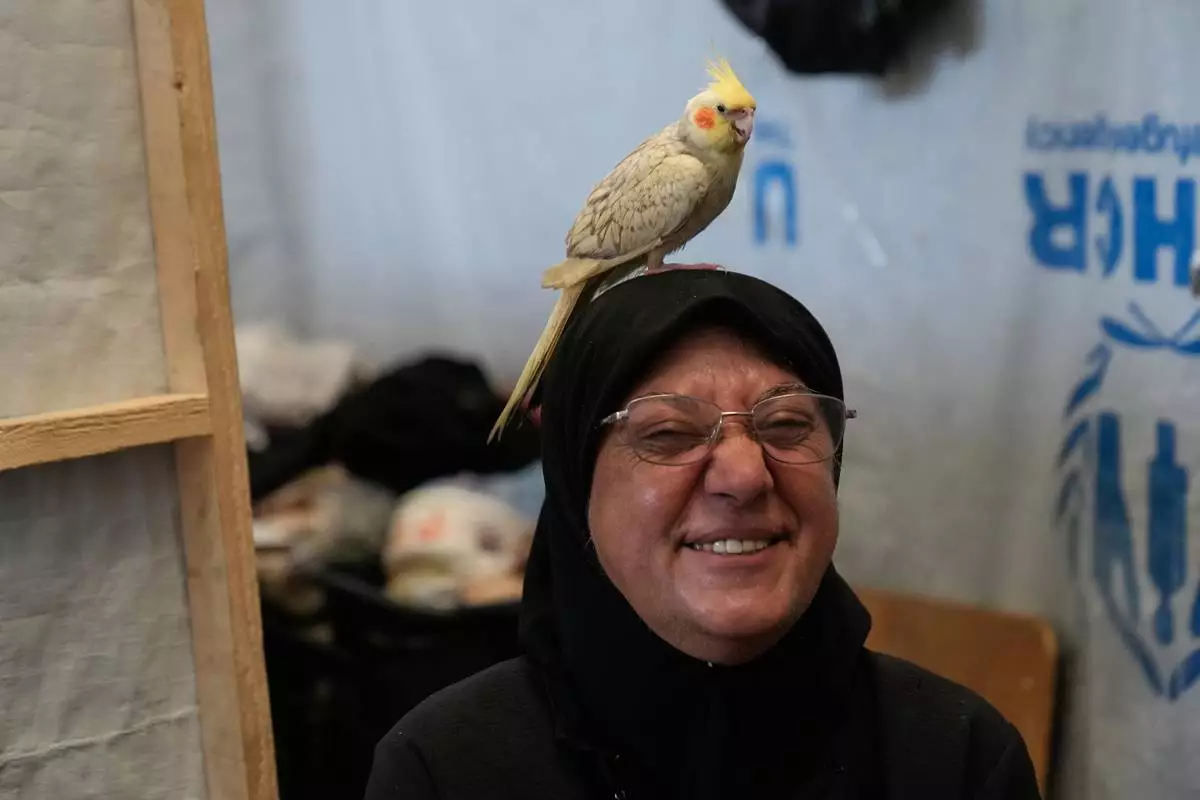
A displaced woman, Alaweya Ayoub, 44, with her parrot, Karawan, on her head smiles as she sits inside her makeshift room on a basketball court inside a public school turned into a shelter for people whose villages in southern Lebanon were destroyed or occupied by Israeli forces, in Tyre, southern Lebanon, Thursday, Aug. 27, 2026. (AP Photo/Hussein Malla)
A displaced woman, Alaweya Ayoub, 44, with her parrot, Karawan, on her head smiles as she sits inside her makeshift room on a basketball court inside a public school turned into a shelter for people whose villages in southern Lebanon were destroyed or occupied by Israeli forces, in Tyre, southern Lebanon, Thursday, Aug. 27, 2026. (AP Photo/Hussein Malla)
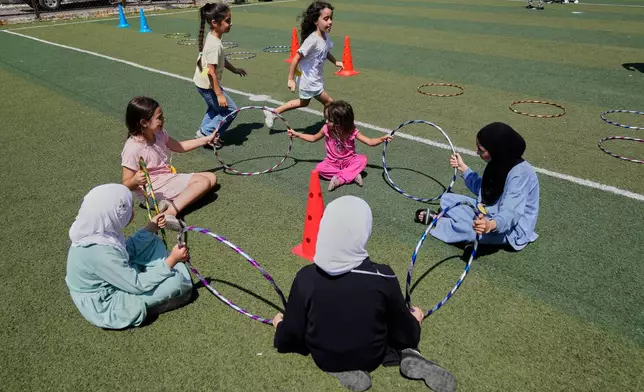
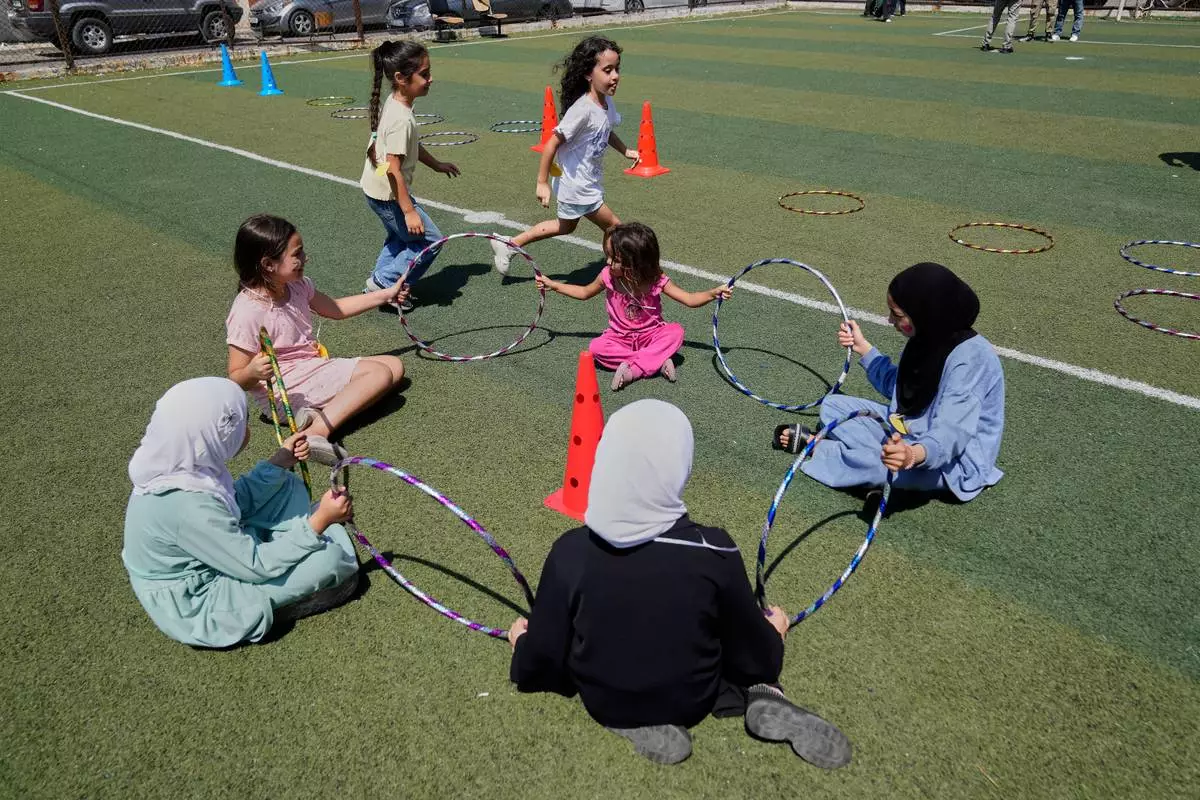
Displaced children play during an event organised by Save the Children, at a public school turned into a shelter for people whose villages in southern Lebanon were destroyed or occupied by Israeli forces, in Tyre, southern Lebanon, Thursday, Aug. 27, 2026. (AP Photo/Hussein Malla)
Displaced children play during an event organised by Save the Children, at a public school turned into a shelter for people whose villages in southern Lebanon were destroyed or occupied by Israeli forces, in Tyre, southern Lebanon, Thursday, Aug. 27, 2026. (AP Photo/Hussein Malla)

Displaced woman, Randa al-Taki, 51, centre, and her daughter Fatima Haidar, 11, right, stand outside their makeshift room that set on a basketball court inside a public school turned into a shelter for people whose villages in southern Lebanon were destroyed or occupied by Israeli forces, in Tyre, southern Lebanon, Thursday, Aug. 27, 2026. (AP Photo/Hussein Malla)

Displaced woman, Randa al-Taki, 51, centre, and her daughter Fatima Haidar, 11, right, stand outside their makeshift room that set on a basketball court inside a public school turned into a shelter for people whose villages in southern Lebanon were destroyed or occupied by Israeli forces, in Tyre, southern Lebanon, Thursday, Aug. 27, 2026. (AP Photo/Hussein Malla)

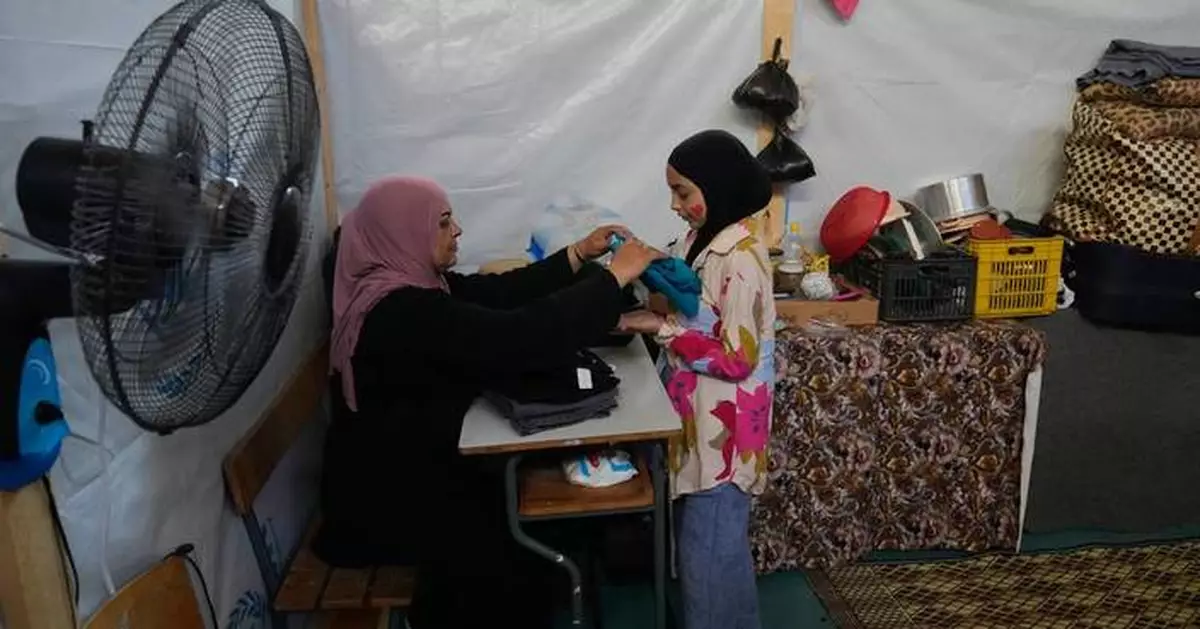
Displaced Randa al-Taki, 51, and her daughter Fatima Khashab, 11, arrange their clothes inside a makeshift room that was set on a basketball court inside a public school turned into a shelter for people whose villages in southern Lebanon were destroyed or occupied by Israeli forces, in Tyre, southern Lebanon, Thursday, Aug. 27, 2026. (AP Photo/Hussein Malla) CORRECTION: Last name corrected to Khashab, instead of Haidar

Displaced Randa al-Taki, 51, and her daughter Fatima Khashab, 11, arrange their clothes inside a makeshift room that was set on a basketball court inside a public school turned into a shelter for people whose villages in southern Lebanon were destroyed or occupied by Israeli forces, in Tyre, southern Lebanon, Thursday, Aug. 27, 2026. (AP Photo/Hussein Malla) CORRECTION: Last name corrected to Khashab, instead of Haidar

The school year will start on Sept. 15, but thousands of displaced people still shelter in public schools. With negotiations between Israel and Lebanon — and between the U.S. and Iran — stalled, there is no political solution in sight that would allow them to go home.

Education officials say they have a plan to reopen the schools while maintaining shelters for families with nowhere to go. But anxiety is high.

“We don’t know if we will be able to go back to our village or if the crisis will get even worse. Nobody except for God knows what’s going to happen," said Fatima’s mother, Randa al-Taki, 51.

On top of that, she said, “Our children are deprived of school, and we don’t know if they are going to learn this year or not.”

Lebanon has traditionally prided itself on its education system. Its economy relies on sending educated young people abroad to work. They send remittances and make investments back home.

That system is in danger of crumbling.

Since 2019, Lebanon has been battered by an economic collapse, the COVID-19 pandemic, the 2020 Beirut port explosion and two wars. The current conflict has disrupted education for hundreds of thousands of children.

“There’s an estimated at least four years of learning loss now,” said Nora Ingdal, Lebanon country director for Save the Children, which has set up learning spaces for displaced children. “A sixth grader is actually on the level of a second grader.”

At the height of the current conflict, half of Lebanon’s public schools were used as shelters, disrupting education for more than 250,000 students, according to a report by the Arab Center for Research and Policy Studies, a Qatar-based think tank.

Nasser Yassin, the center’s director in Beirut and a former Lebanese government minister who was in charge of the crisis response during the 2024 war, said the government should have used other places for shelters whenever possible, not schools.

“We should not respond to a displacement crisis by creating a long-term education crisis,” he said.

The latest conflict between Israel and Hezbollah began on March 2, when the militant group fired rockets across the border two days after Israel and the U.S. launched a war on Iran.

At the height of the war, some 1.2 million people were displaced in Lebanon.

Since late June, a shaky truce has allowed most to return home. In Beirut, the displacement crisis is no longer visible the way it was early in the war, when tents lined the seaside corniche and families slept in their cars along main thoroughfares.

But the Israeli military still occupies large swaths of southern Lebanon and has said it won't withdraw before Hezbollah is fully disarmed, a prospect that appears unlikely. Israeli troops have demolished houses in areas they control and launched strikes that they say target Hezbollah militants.

“Every day we see how they are demolishing our village with bulldozers, and they’re either blowing up the houses or bombing them in front of our eyes, and we can’t do anything,” al-Taki said of Israel's military. She is unsure if their house is still standing. Lebanon's state news agency reported new airstrikes and shelling on their hometown over the weekend.

Around 350,000 people remain displaced, according to the U.N. humanitarian office. While most have rented apartments or moved in with relatives, some 21,000 still stay in collective shelters.

Some have been displaced since the previous Israel-Hezbollah conflict, which erupted into full-scale war in September 2024.

That’s the case for Malak Abu Sari, 11, whose home was destroyed. Her family is staying in the school in Tyre.

Fatima's family was displaced in 2024, too, but they were able to return home before fleeing in March, early in the current war, and again about a month ago after briefly going back.

At the school, Fatima's family is surrounded by relatives and former neighbors. The familiar faces make them feel less alone. Humanitarian groups organize activities for the children. One woman brought her cockatiel when she fled, and children stop by to play with him.

But the families chafe at the lack of privacy.

“We have a place to stay in the school, and thank God for that, but to be honest, we feel that we’re suffocating between these tarps,” al-Taki said.

Before the war, the family made a living farming zaatar, a herb used in a popular Levantine spice mix. Her husband sold snacks from a tuk-tuk on beaches. Now they've missed the zaatar season, and there’s no work.

Fatima pines for her old life. She misses being in her own bed and not in a cramped room with tarps for walls.

“I miss a lot of things,” she said. “I want to go back to school and stay in our own house.”

Georgia Hachem, adviser to Lebanon’s education minister, said around 80 schools are still serving as shelters, but many host a small number of families.

In some cases, those schools will reopen for classes while part of the facility continues as a shelter. In other cases, families will be consolidated in a single location. In Beirut, the ministry will move displaced families to unused buildings.

“We have a solution for every single shelter, and no student will be left without a seat,” Hachem said.

The bigger issue, she said, is the 340 schools damaged in the war, with some 30 of them destroyed and no funds to repair them. Other schools are inaccessible in occupied areas.

After the war began, the education ministry offered online classes to students whose schools closed, but families in shelters often have internet problems and limited resources, Ingdal said.

“Maybe there’s one device in the family and you have five kids who are going to learn,” she said.

Most students can return to school in person this year, Hachem said, but a handful of schools will remain online.
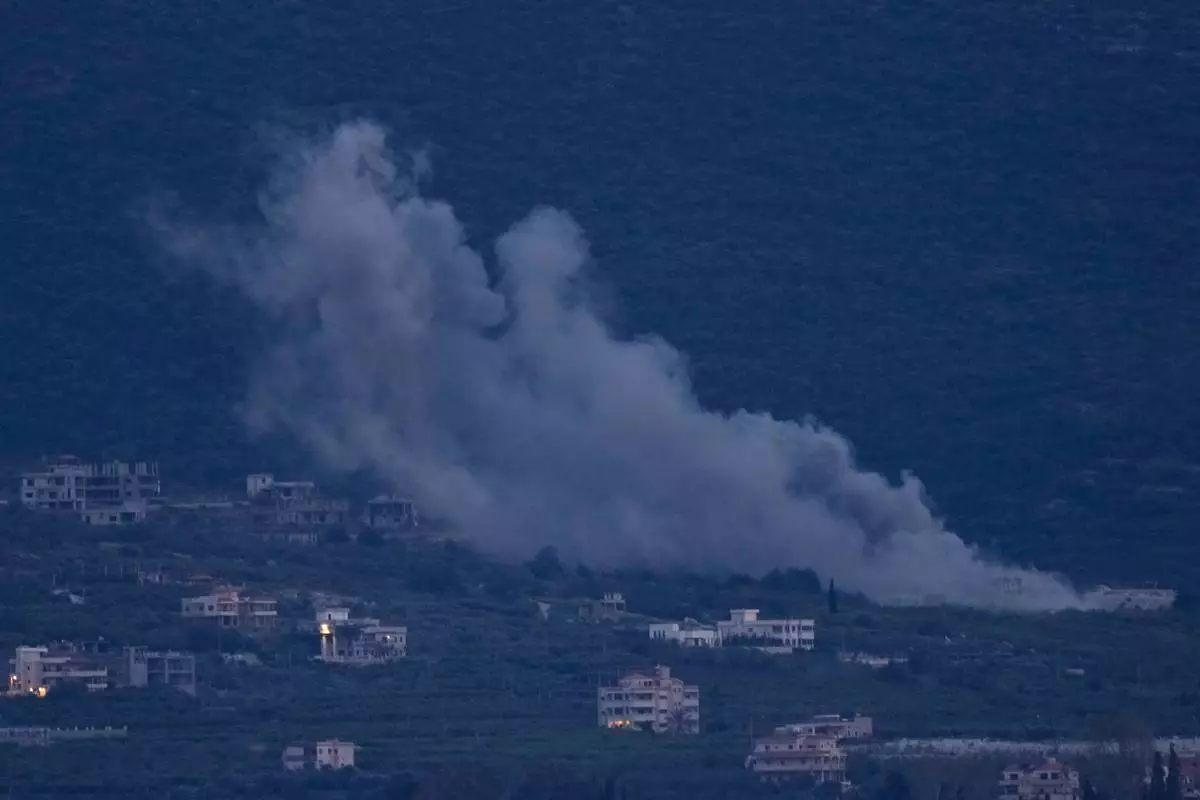
FILE — Smoke rises from an Israeli airstrike that hit Mansouri village as it is seen from Tyre city, south Lebanon, Thursday, March 26, 2026. (AP Photo/Hussein Malla, File)
FILE — Smoke rises from an Israeli airstrike that hit Mansouri village as it is seen from Tyre city, south Lebanon, Thursday, March 26, 2026. (AP Photo/Hussein Malla, File)

A displaced woman, Alaweya Ayoub, 44, with her parrot, Karawan, on her head smiles as she sits inside her makeshift room on a basketball court inside a public school turned into a shelter for people whose villages in southern Lebanon were destroyed or occupied by Israeli forces, in Tyre, southern Lebanon, Thursday, Aug. 27, 2026. (AP Photo/Hussein Malla)
A displaced woman, Alaweya Ayoub, 44, with her parrot, Karawan, on her head smiles as she sits inside her makeshift room on a basketball court inside a public school turned into a shelter for people whose villages in southern Lebanon were destroyed or occupied by Israeli forces, in Tyre, southern Lebanon, Thursday, Aug. 27, 2026. (AP Photo/Hussein Malla)
Displaced children play during an event organised by Save the Children, at a public school turned into a shelter for people whose villages in southern Lebanon were destroyed or occupied by Israeli forces, in Tyre, southern Lebanon, Thursday, Aug. 27, 2026. (AP Photo/Hussein Malla)
Displaced children play during an event organised by Save the Children, at a public school turned into a shelter for people whose villages in southern Lebanon were destroyed or occupied by Israeli forces, in Tyre, southern Lebanon, Thursday, Aug. 27, 2026. (AP Photo/Hussein Malla)

Displaced woman, Randa al-Taki, 51, centre, and her daughter Fatima Haidar, 11, right, stand outside their makeshift room that set on a basketball court inside a public school turned into a shelter for people whose villages in southern Lebanon were destroyed or occupied by Israeli forces, in Tyre, southern Lebanon, Thursday, Aug. 27, 2026. (AP Photo/Hussein Malla)

Displaced woman, Randa al-Taki, 51, centre, and her daughter Fatima Haidar, 11, right, stand outside their makeshift room that set on a basketball court inside a public school turned into a shelter for people whose villages in southern Lebanon were destroyed or occupied by Israeli forces, in Tyre, southern Lebanon, Thursday, Aug. 27, 2026. (AP Photo/Hussein Malla)

Displaced Randa al-Taki, 51, and her daughter Fatima Khashab, 11, arrange their clothes inside a makeshift room that was set on a basketball court inside a public school turned into a shelter for people whose villages in southern Lebanon were destroyed or occupied by Israeli forces, in Tyre, southern Lebanon, Thursday, Aug. 27, 2026. (AP Photo/Hussein Malla) CORRECTION: Last name corrected to Khashab, instead of Haidar

Displaced Randa al-Taki, 51, and her daughter Fatima Khashab, 11, arrange their clothes inside a makeshift room that was set on a basketball court inside a public school turned into a shelter for people whose villages in southern Lebanon were destroyed or occupied by Israeli forces, in Tyre, southern Lebanon, Thursday, Aug. 27, 2026. (AP Photo/Hussein Malla) CORRECTION: Last name corrected to Khashab, instead of Haidar
KATHMANDU, Nepal (AP) — Rescuers rushed Monday to reach workers believed to be trapped in tunnels at hydropower sites buried in mud after catastrophic flooding in Nepal and China, as the death toll continued to rise and increasingly desperate families search for their loved ones.

The combined deaths in Nepal and China surpassed 900, with more than 4,700 people missing, and a private-sector association representing power companies said at least 900 workers have been unaccounted for from 12 hydropower projects damaged by the floods in Nepal’s Rasuwa and Nuwakot districts.

Mohan Kumar Dangi, president of the Independent Power Producers’ Association, Nepal, or IPPAN, said there’s an estimation of at least 500 of the 900 missing workers trapped in the tunnels, although authorities have provided varying numbers and said several foreign teams were assisting Nepali rescuers.

At least one expert said the tunnels offered enough space for people to take refuge and that some workers could have access to oxygen. But others warned that the chances of finding survivors were diminishing.

Dangi said some workers had managed to make contact and call for help when the disaster struck last Wednesday, and some others who managed to flee reported to authorities and relatives that many of their colleagues were still in the tunnels. But he said that, six days after the disaster, fears grew that some might have suffocated.

“We are working in search and rescue of the stranded people from hills, settlements and river areas,” said Brig. Gen. Raja Ram Basnet, Nepal’s army spokesman.

Nepal’s disaster agency said Monday that 903 deaths had been counted in that country, with 4,247 people, including 592 foreigners, missing. As of Sunday, Chinese authorities reported 16 deaths and 546 missing, and Chinese state media said 261 of the missing were foreigners, including over a hundred Nepalis.

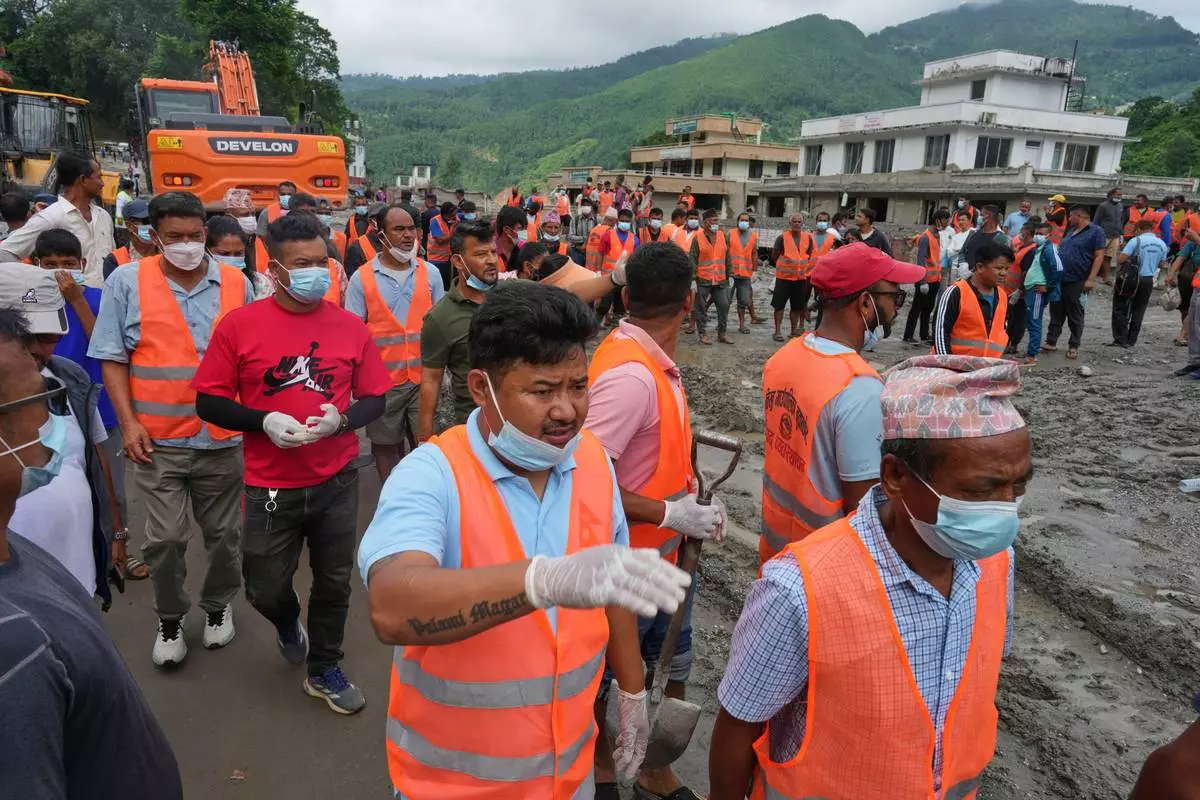
Workers shoveling mud from a flood-ravaged power station in Dhading, Nepal, told The Associated Press that the station is a key node for providing power to over 20,000 people in the region. The workers cleaning the power station said they hope that it is not rebuilt near the river.

Rescue efforts are focused on people trapped in the gigantic tunnels built for controlling the waterflow to produce hydropower, across multiple sites.

“The tunnels are built to access hydropower infrastructure and to divert water — an essential step to generate energy. These tunnels are big enough to drive trucks through,” said Jakob Steiner, a geoscientist at the University of Graz in Austria, who is currently based in Dhaka, Bangladesh. “There is enough place for people to take refuge safely inside and from what we understand they have managed to get oxygen to some of those stuck inside and are trying to rescue them now. It’s a race for time though as people need food and water."

In the Upper Trishuli-1 Hydropower Project, in the hard-hit Rasuwa district, at least 576 were missing, Dangi said, adding that around 300 of them were believed to be trapped inside the project’s tunnel. Rescuers have been trying to find survivors for days, working through the rain.

At the Trishuli-3 Hydropower Project, crews were working to descend about 15 meters (50 feet) into the tunnel in an effort to reach those believed trapped inside, according to Basnet, the army spokesperson.

On the Chinese side, rescue and recovery efforts included rebuilding the road leading to Gyirong Port at the border between China and Nepal.

Trucks carried giant rocks as workers tried to repave a portion of the road, state broadcaster CCTV showed Monday, next to rapidly rushing waters, which have been made more powerful by rains in the past couple of days. The road is now under some 2 to 3 meters (6.6 to 9.8 feet) of water, hampering rescuers' ability to reach the border. The repaving effort was just a little over a kilometer (.62 miles) from the border, CCTV said.

Although some rescue teams have managed to reach the border, that represented only a portion of the force.

Chinese state media coverage has focused largely on the official response, highlighting the deployment of firefighters, the People's Liberation Army as well as the instructions from top leaders. Little is known about victims on the Chinese side.

Two days after the disaster, Maraval Nagappan traveled to Nepal to search for his son, who was among the missing. He visited rescue centers and morgues and went as far as 40 kilometers (25 miles) from where his son was believed to have been, but found no sign of him.

His son, Sathya Narayan had been leading a group of 49 Indian devotees who were returning from Mount Kailash — a sacred site in southwestern Tibet. The group has been missing since floodwaters swept through a Chinese immigration complex where they were waiting to cross into Nepal.

Nagappan, who owns the Chennai-based travel company that organized their pilgrimage, and said the group had been expected to complete immigration formalities and leave for Nepal within about two hours. Instead of making the crossing, they were caught in the flood, Nagappan said.

The pilgrimage had begun Aug. 14. “I haven’t heard from my son since then. I don’t know whether he is alive or dead,” he told AP, but he said he hadn't given up on hearing from his son.

Surveillance footage showed water surging through the immigration complex at the border as people scrambled to escape. Nagappan said some of those seen fleeing were members of his son’s group and were identified by the clothes they were wearing.

Wednesday’s flash floods started after a glacial collapse high in the Himalayan region. Scientists who studied satellite images said bedrock underneath a glacier high in the Himalayan region had collapsed, taking part of the glacier with it. The rockfall was so extreme that it registered as a magnitude 5.2 seismic event.

The rocks and melted water then swelled the rivers in the valleys below, causing a torrent of water that swept buildings, bridges and earth downstream in Tibet and Nepal.

Wu reported from Bangkok. Associated Press writers Aijaz Hussain, Sheikh Saaliq in New Delhi, Victoria Milko in Dhading, Nepal, and Sibi Arasu in Bengaluru, India, contributed to this report.

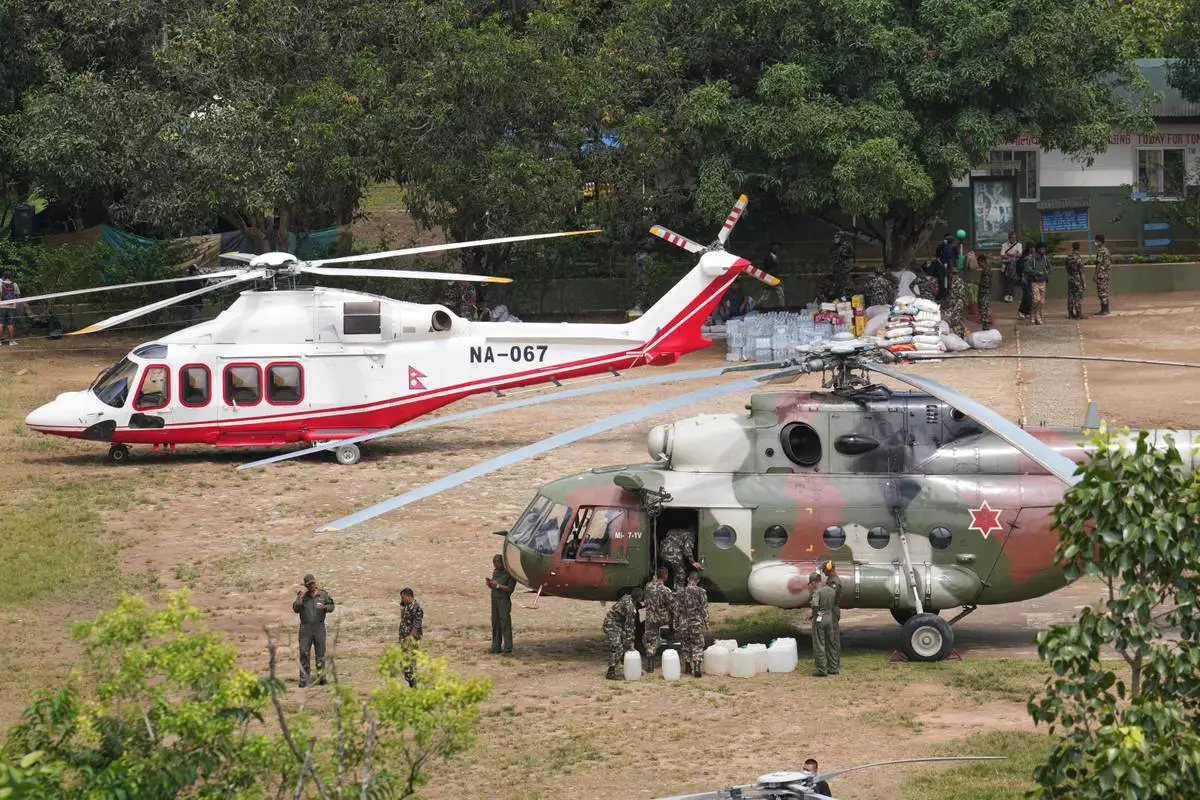
Private and military helicopters are deployed to rescue people stranded in areas cut off by flash flooding in Nepal's Nuwakot district, Monday, Aug. 31, 2026. (AP Photo/Rajesh Kumar Singh)

Private and military helicopters are deployed to rescue people stranded in areas cut off by flash flooding in Nepal's Nuwakot district, Monday, Aug. 31, 2026. (AP Photo/Rajesh Kumar Singh)

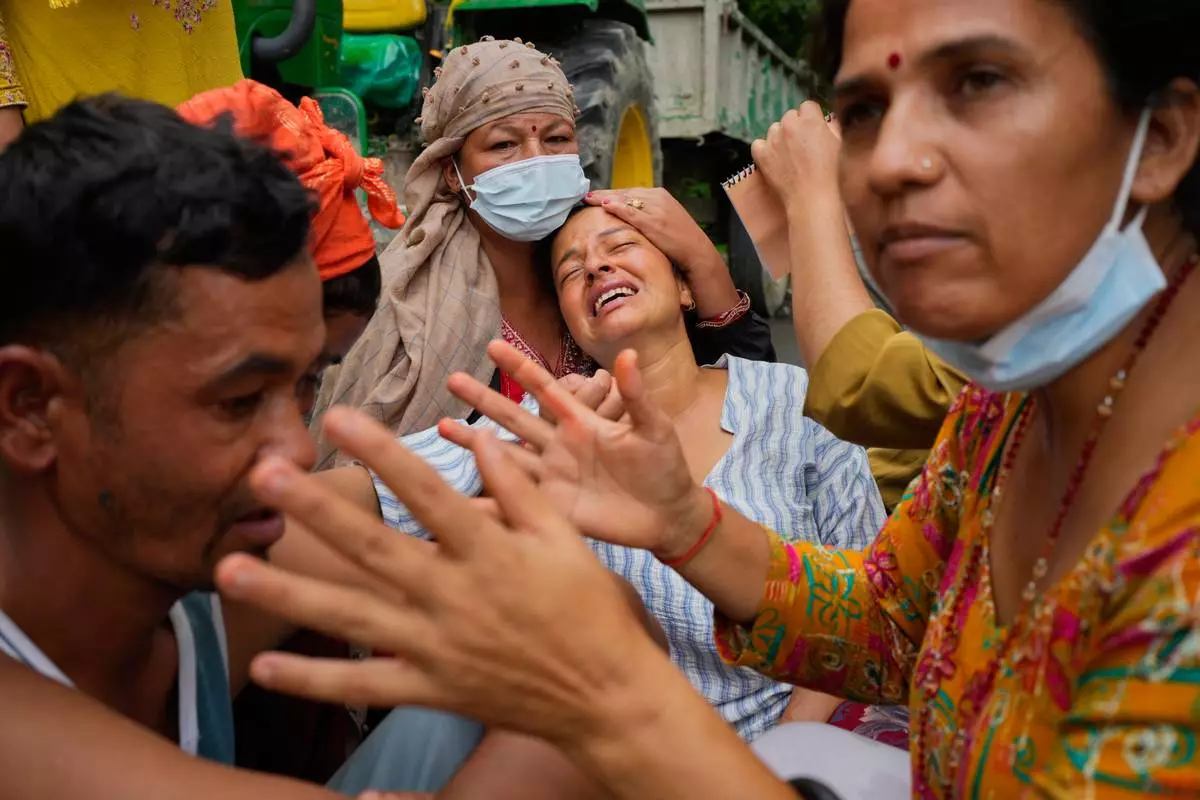
Relatives console Muna Khadka, center, who lost her son Aayush Khada, in flash floods, during mass burials in Chitwan, Nepal, Monday, Aug. 31, 2026. (AP Photo/Dar Yasin)

Relatives console Muna Khadka, center, who lost her son Aayush Khada, in flash floods, during mass burials in Chitwan, Nepal, Monday, Aug. 31, 2026. (AP Photo/Dar Yasin)

Rescuers arrive at a village affected by flash flooding in Nepal's Nuwakot district, Monday, Aug. 31, 2026. (AP Photo/Rajesh Kumar Singh)

Rescuers arrive at a village affected by flash flooding in Nepal's Nuwakot district, Monday, Aug. 31, 2026. (AP Photo/Rajesh Kumar Singh)

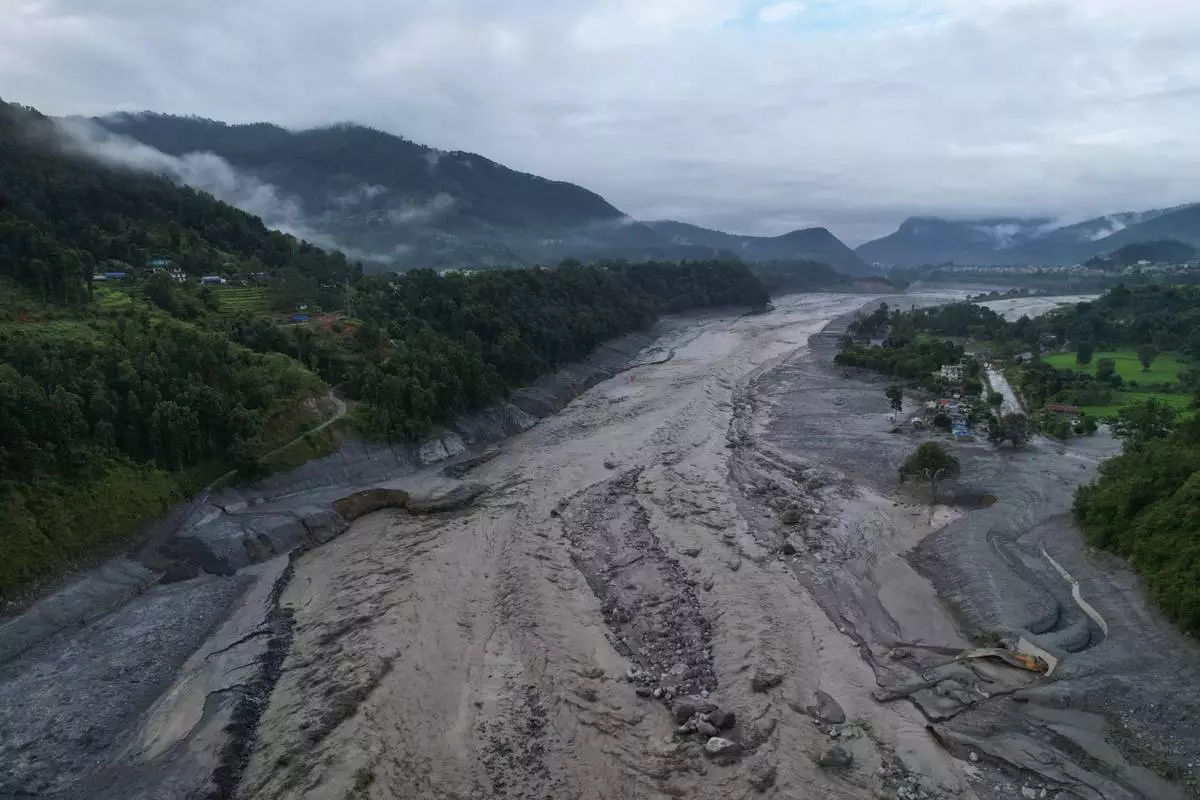
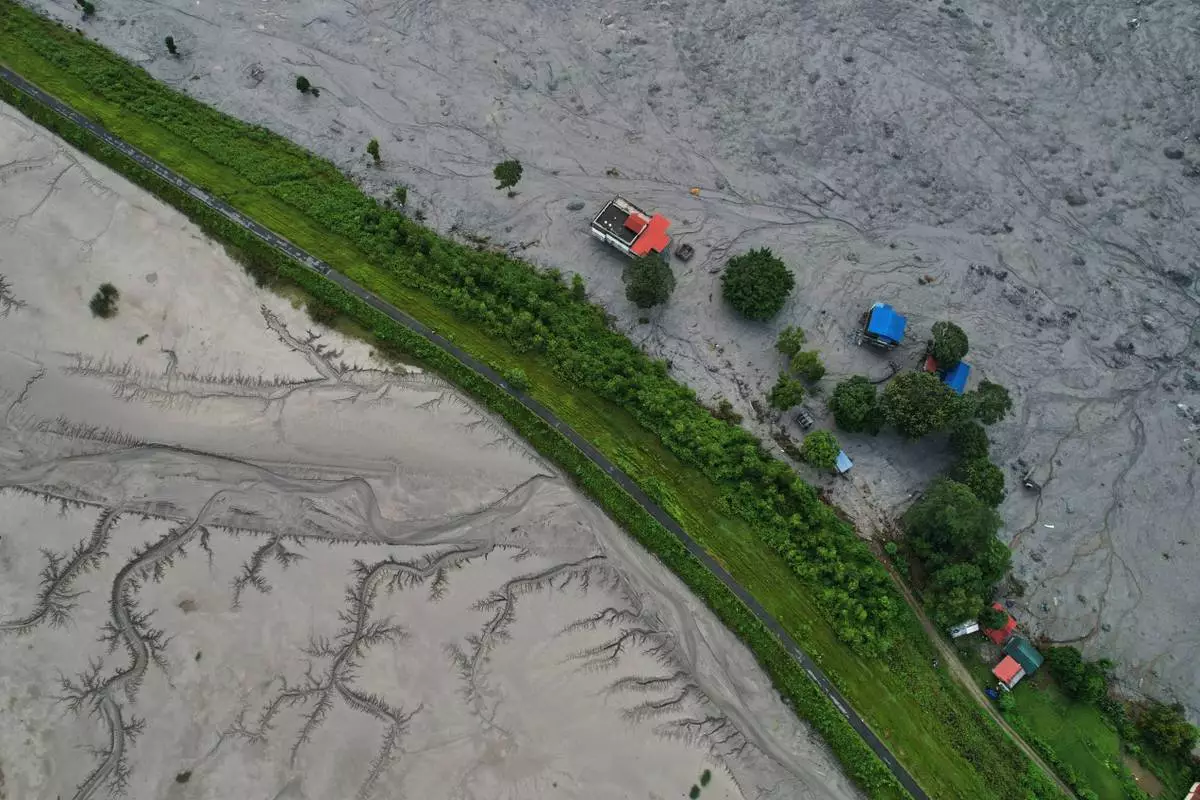
A drone view shows a major section of Pasang Lhamu highway washed away along swollen Trishuli river by recent flash floods cutting off Rasuwa district from Nuwakot area, Nepal, Monday, Aug. 31, 2026. (AP Photo/Rajesh Kumar Singh)

A drone view shows a major section of Pasang Lhamu highway washed away along swollen Trishuli river by recent flash floods cutting off Rasuwa district from Nuwakot area, Nepal, Monday, Aug. 31, 2026. (AP Photo/Rajesh Kumar Singh)

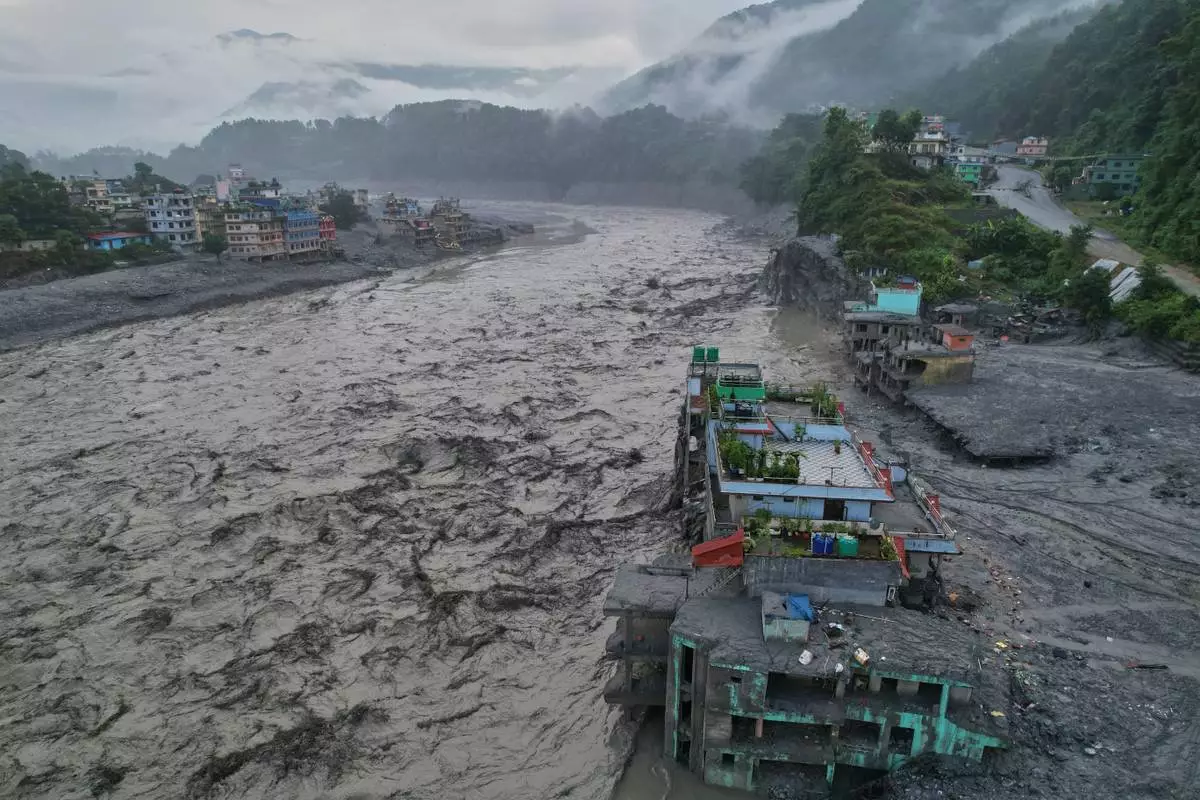
A drone view of the aftermath of flash flooding along the Trishuli river amidst fresh water surge warning in the Trishuli Bazaar area of Nuwakot district, Nepal, Sunday, Aug. 30, 2026. (AP Photo/Rajesh Kumar Singh)

A drone view of the aftermath of flash flooding along the Trishuli river amidst fresh water surge warning in the Trishuli Bazaar area of Nuwakot district, Nepal, Sunday, Aug. 30, 2026. (AP Photo/Rajesh Kumar Singh)

A drone view shows a major section of Pasang Lhamu highway washed away along swollen Trishuli river by recent flash floods cutting off Rasuwa district from Nuwakot area, Nepal, Monday, Aug. 31, 2026. (AP Photo/Rajesh Kumar Singh)

A drone view shows a major section of Pasang Lhamu highway washed away along swollen Trishuli river by recent flash floods cutting off Rasuwa district from Nuwakot area, Nepal, Monday, Aug. 31, 2026. (AP Photo/Rajesh Kumar Singh)

Recommended Articles