Space science and exploration has become a model field for cooperation between China and Egypt, and the partnership will be further strengthened by the Chang’e‑7 mission, when China is scheduled to deliver an Egyptian payload to the Moon.
China has already helped Egypt build the Debris and Satellite Monitoring Station, providing the North African country with all the technologies needed, including laser-equipped telescopes.
The two countries have also worked together to launch a number of telecom and remote sensing satellites into space.
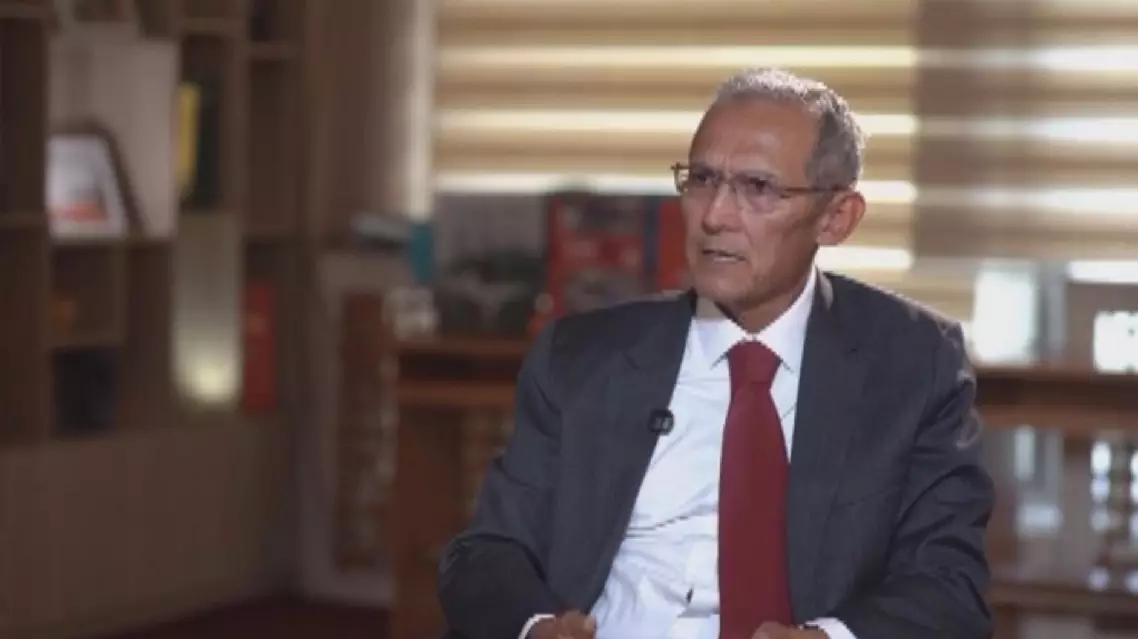
"China started opening its space program to the world. It began cooperation with Egypt, as a gateway for it, to introduce this technology and science to Africa," said Osama Shalabiea, dean at the Faculty of Navigation Science and Space Technology at Beni Suef University.
China has also equipped an Assembly, Integration and Test (AIT) center in Egypt with all the necessary tools to design, assemble and test payloads before launching them to space.
The upcoming Chang'e-7 launch will mark another milestone in this technological relationship, as China and Egypt team up with Bahrain for the moon exploration mission.
"China is taking an ambitious and unprecedented step through the Chang'e-7 mission. The mission surpasses what we would have imagined or hoped for. It’s a complex mission that involves countries from all over the world. We are installing a precision multi-spectrum camera that will take pictures of the Moon's surface. This is a great participation under Arab-Arab and the Arab-Chinese cooperation," said Shalabiea.
Besides technology, China is also providing post graduate scholarships to Egyptian students.
Cooperation with China has helped Egypt advance its space program. With Chang'e-7 setting a new standard in this advanced technological partnership, it has put Egypt among the first countries in the Middle East and Africa to deploy a camera to the South Pole of the Moon.
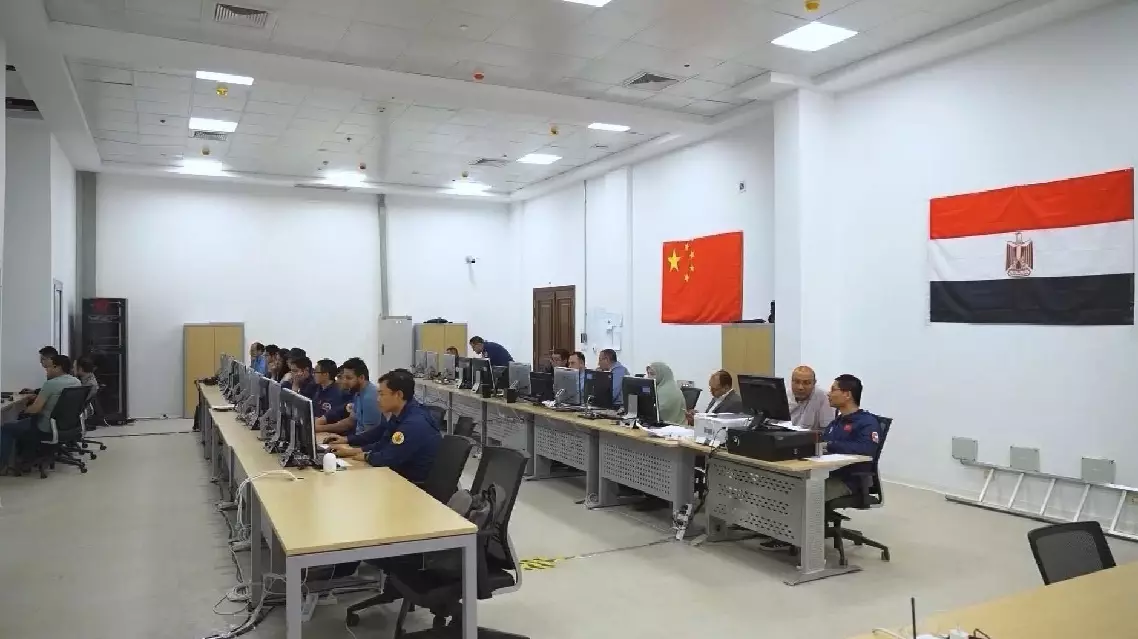
Space cooperation becomes model for Chinese-Egyptian relations