SEOUL, South Korea (AP) — A tugboat capsized and sank off South Korea's southeastern coast on Wednesday, leaving one crew member dead and six others missing, the coast guard said.
The 286-ton tugboat was carrying eight crew members when it departed Wednesday morning to tow a merchant vessel in the waters off South Korea's southeastern city of Busan, the coast guard said in a statement.
After the tugboat overturned, one crew member, an Indonesian, was rescued by the merchant vessel. Another of the crew, a South Korean, was discovered unconscious by coast guard rescuers before being sent to a hospital on the mainland and declared dead there, the coast guard said.
The coast guard and the navy sent vessels, aircraft and other assets to rescue the six remaining crew members who are still missing, according to the coast guard. President Lee Jae Myung ordered authorities to mobilize all available resources.
The coast guard said the tugboat eventually sank at around 3:30 p.m. (0630 GMT) about two hours after the capsizing was reported. The cause of the capsizing wasn't immediately known.

In this photo provided by Busan Coast Guard, South Korean Coast Guard personnel carry out a rescue operation after a tugboat capsized off Busan, South Korea, Wednesday, Sept. 2, 2026. (Busan Coast Guard via AP)
PLYMOUTH, Mass. (AP) — Jury deliberations resumed for a fifth day Wednesday in the Lindsay Clancy murder trial, after the judge questioned jurors one by one about a woman who was arrested and charged with filming them as they left the courthouse the previous day, Clancy's lawyer said.
A former labor and delivery nurse, Clancy doesn’t deny strangling her three young children at the family's Massachusetts home in 2023, but she says postpartum psychosis led to her actions. Prosecutors argue that she knew what she was doing. Clancy, 36, has pleaded not guilty by reason of lack of criminal responsibility.
Clancy’s livestreamed trial has generated intense interest, with reporters and spectators packing the courtroom. The case has also sparked deep public divisions over her culpability and the issues around maternal mental health after childbirth.
The jurors told Judge William Sullivan on Tuesday morning that they were unable to reach a unanimous decision, but he instructed them to keep trying — a common instruction in criminal trials when juries say they're having trouble reaching a verdict.
EDITOR’S NOTE: This story includes discussion of suicide. If you or someone you know needs help, the national suicide and crisis lifeline in the U.S. is available by calling or texting 988.
Dawn Light, 56, of Sutton, Massachusetts, was arraigned Wednesday at the same courthouse in Plymouth, south of Boston.
Surrounded by reporters while going to her car, Light was asked why she filmed outside the courthouse Tuesday.
“To see Lindsay. And I did see her. She was getting picked up by the van,” Light said.
Light’s attorney, Jennifer White, called it a “misunderstanding” and said Light, a retired nurse, was only trying to take a photo of Clancy and “not interact with the jurors.”
She was charged with intimidation of a witness, jurors or person furnishing information in connection with criminal proceedings. A not-guilty plea was entered on her behalf and she was released without having to post bail, but was ordered to stay away from the court, the jurors and any witnesses.
Assistant District Attorney Nicole Piacentini said Light was parked in a restricted area behind the courthouse and is accused of filming the jurors as they left court. Light told state police that she was waiting to film Clancy and denied recording jurors, however, troopers found video of jurors in her phone's deleted-files folder, Piacentini said.
“The sanctity of the judicial system is at risk because of her actions,” Piacentini told a judge during the arraignment.
Sullivan opened Wednesday’s proceedings with a warning to the courtroom about following his orders.
“Everybody should be well aware that the order and that statute is being enforced,” he said.
The order bars people from photographing or filming a jury until the case ends, and prohibits anyone from following, contacting, harassing or tampering with a jury.
Before deliberations resumed, Clancy’s lawyer, Kevin Reddington, said that Sullivan had asked jurors about the woman’s arrest. The judge’s questions could not be heard from the gallery and he didn't disclose what he asked.
Jurors have heard testimony from relatives and doctors about how Clancy's mental health declined in the months before the killings and how her treatment included several medications and a short stay in a psychiatric hospital. Medical experts hired by the prosecution and the defense reached sharply different conclusions about her psychiatric state when she killed the children.
If jurors ultimately can’t agree on a verdict, the judge could declare a mistrial. Prosecutors would then have to decide whether to put Clancy on trial again, drop the charges or try to negotiate a plea deal with her lawyer.
After court ended Tuesday, Clancy’s attorney said it was a good sign that the jury kept working.
“The fact that they have not said that they’re done is very, very heartening,” Reddington said. “Obviously, they’re working very hard.”
If the jury decides Clancy was criminally responsible for her actions, it could convict her of either murder or manslaughter. If she is acquitted, a judge could still order her confined to a mental health facility if an evaluation determines that she poses a danger to the public.
Clancy killed the children with exercise bands in their home's basement, then jumped from a second-floor window. She remains paralyzed from the waist down. Her lawyers say she heard a voice telling her to kill the children so she could end her own life.
Associated Press writer Dave Collins in Hartford, Connecticut, contributed.
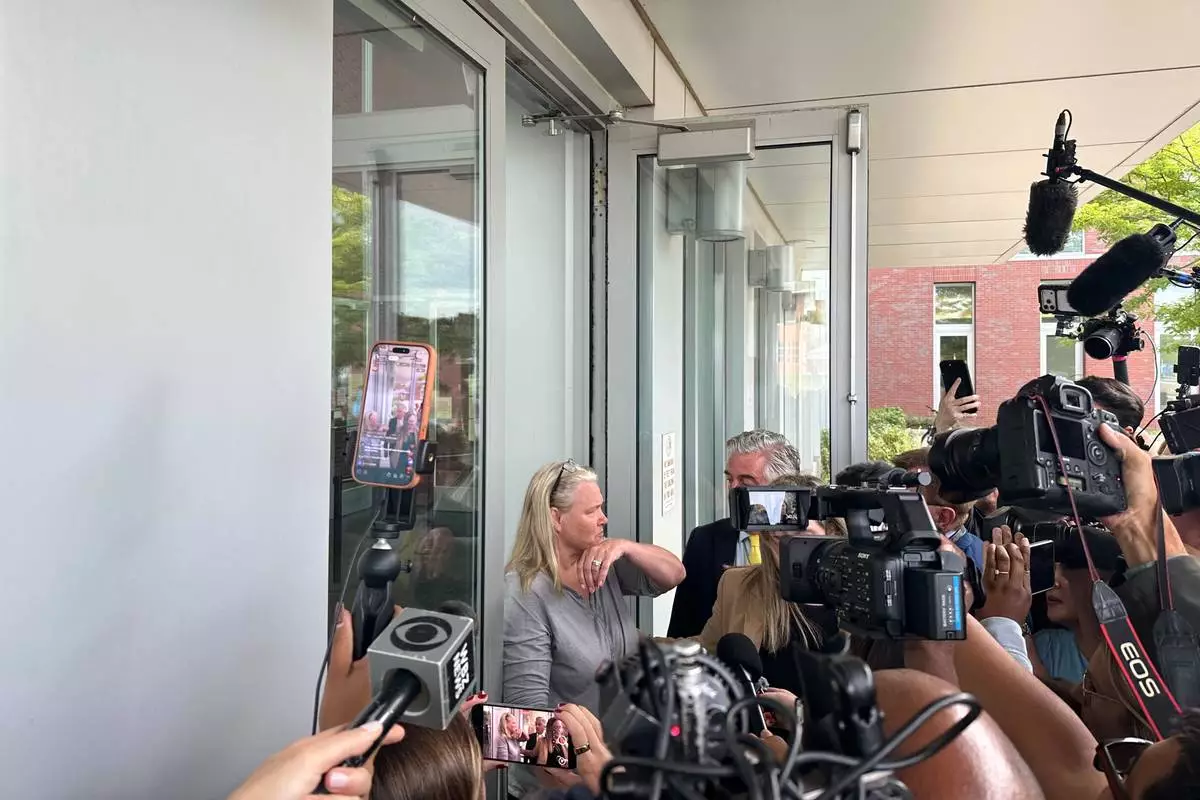
In this photo taken with a smartphone Dawn Light is questioned by reporters as she leaves her arraignment where she was charged with intimidation in connection with the Lindsay Clancy's murder trial in Plymouth, Mass., Wednesday, Sept. 2, 2026. (AP Photo/Leah Willingham)
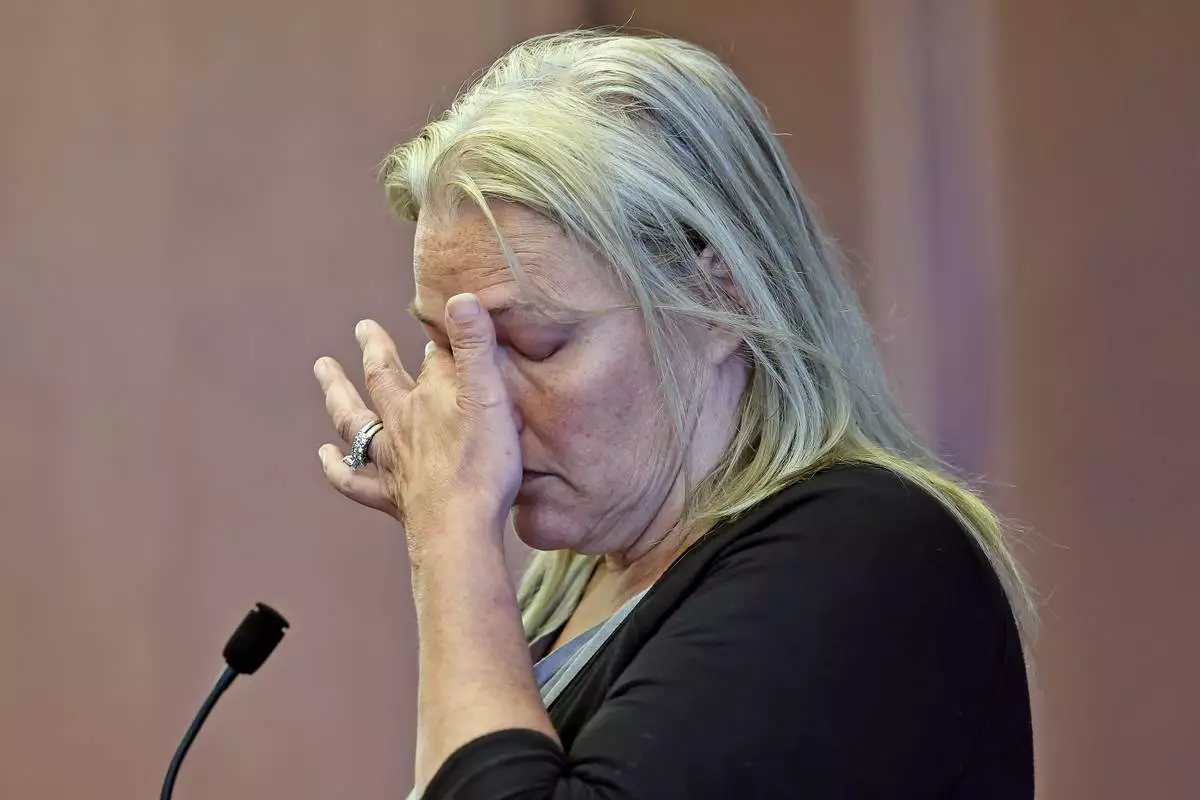
Dawn Light attends her arraignment on a charge of intimidation in connection with the Lindsay Clancy's murder trial at Plymouth District Court in Plymouth, Mass., Wednesday, Sept. 2, 2026. (Greg Derr/The Patriot Ledger via AP, Pool)
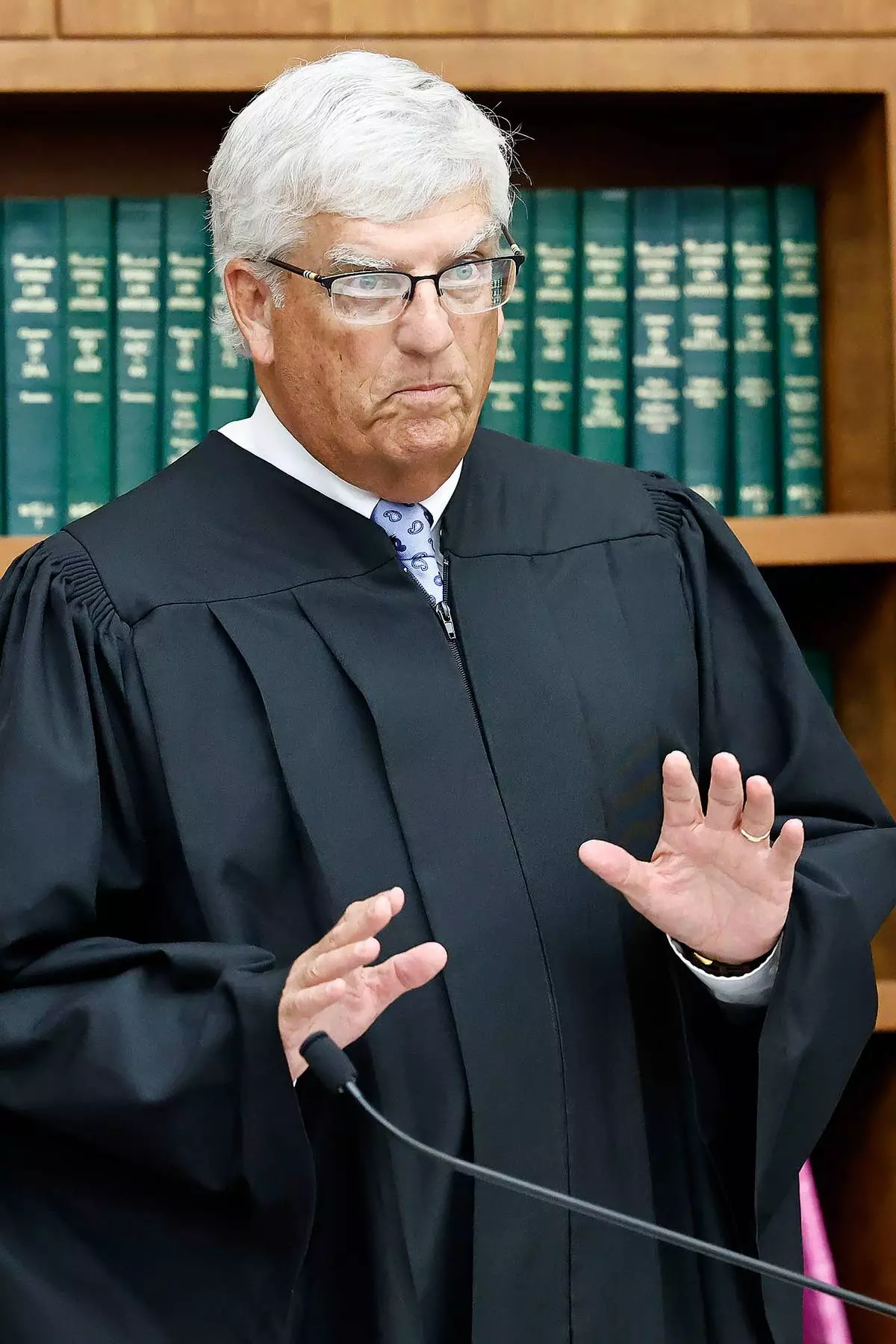
Judge William Sullivan speaks to the press and spectators in the courtroom during Lindsay Clancy's murder trial at Plymouth Superior Court in Plymouth, Mass., Wednesday, Sept. 2, 2026. (Greg Derr/The Patriot Ledger via AP, Pool)
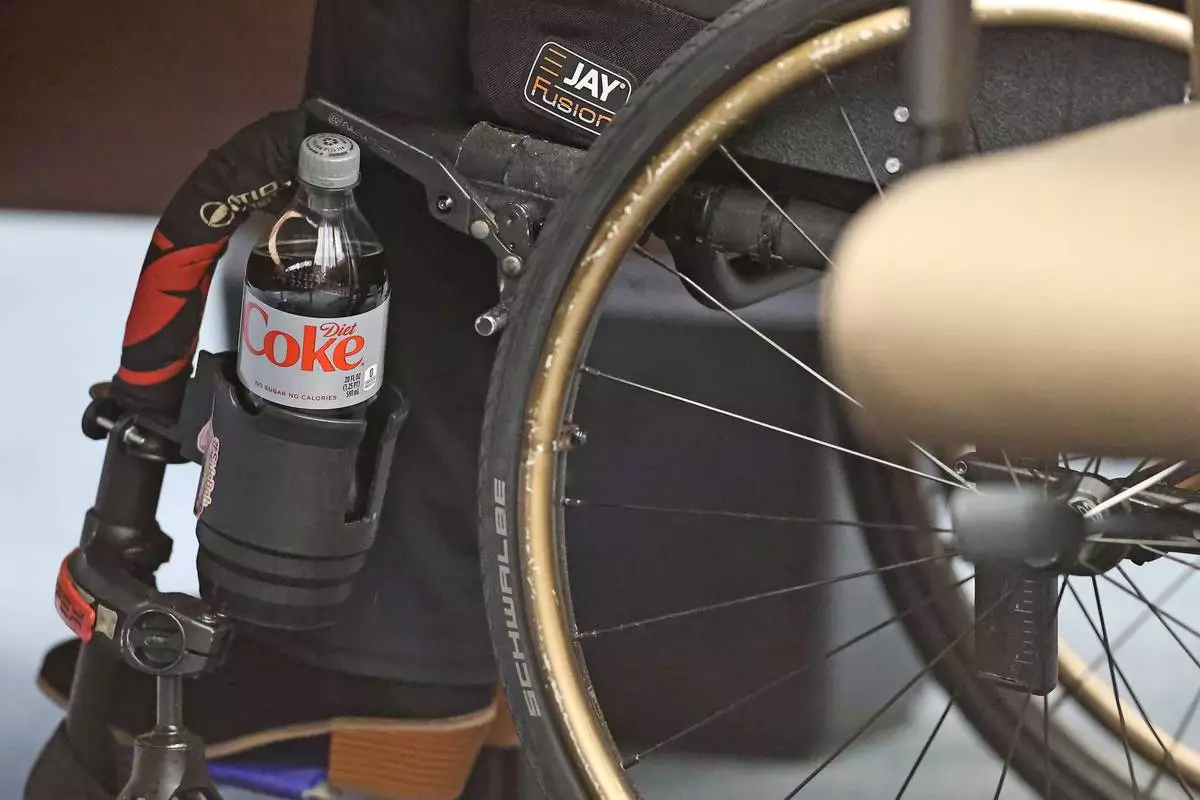
A diet soda sits in Lindsay Clancy's wheelchair as the jury resumes deliberations during her murder trial at Plymouth Superior Court in Plymouth, Mass., Wednesday, Sept. 2, 2026. (Greg Derr/The Patriot Ledger via AP, Pool)
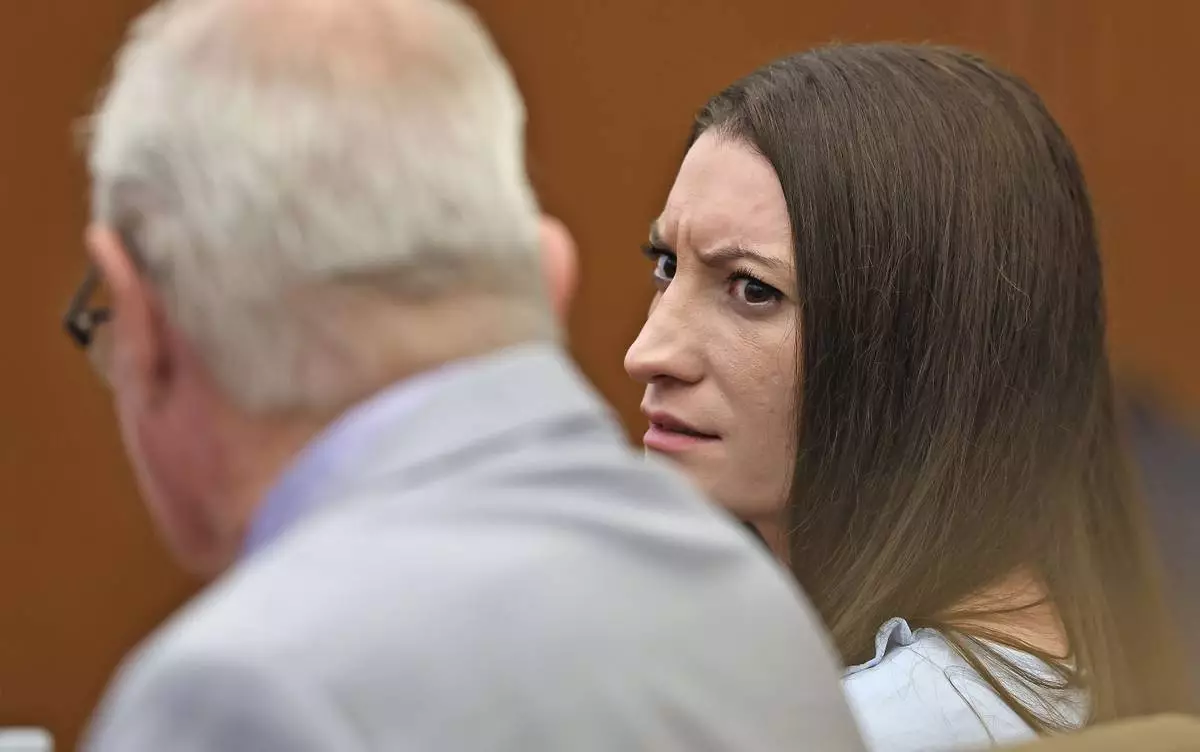
Lindsay Clancy reacts to news that a woman was arrested for recording images of the jury at Plymouth Superior Court in Plymouth, Mass., Wednesday, Sept. 2, 2026. (Greg Derr/The Patriot Ledger via AP, Pool)
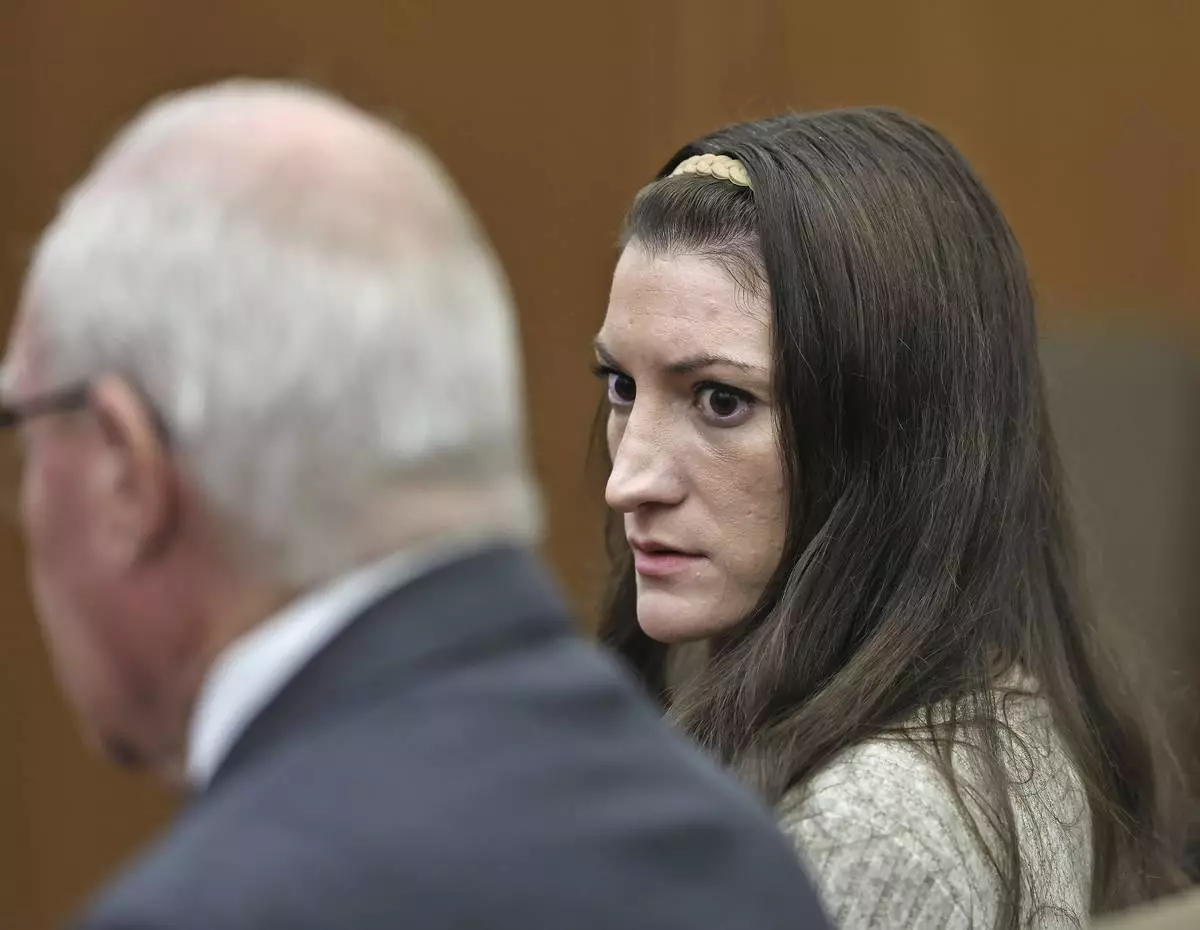
Lindsay Clancy looks to her lawyer Kevin Reddington as the jury keeps deliberating at her murder trial at Plymouth Superior Court in Plymouth, Mass., Tuesday, Sept. 1, 2026. (Greg Derr/The Patriot Ledger via AP, Pool)