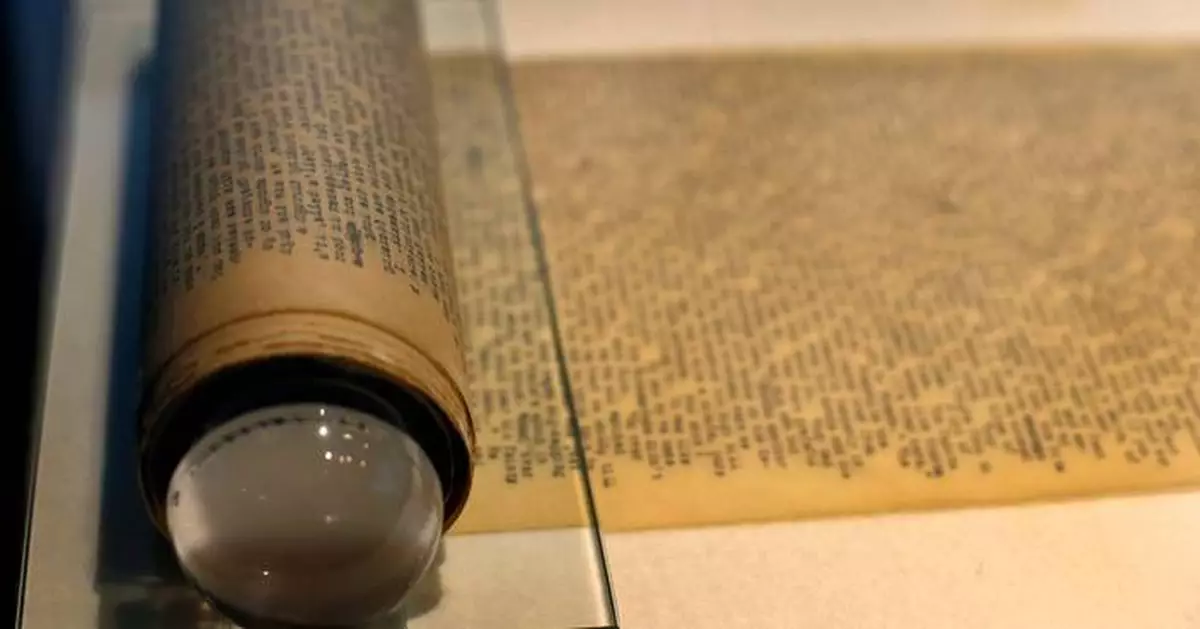
NEW YORK (AP) — In the spring of 1951, the muse landed so hard in the caffeinated mind of Jack Kerouac that within three weeks he had hurried out a full-length, single-spaced manuscript — a draft for “On the Road” that he taped together into a scroll some 120 feet long.
Published six years later to instant acclaim and notoriety, “On the Road” may not be the Great American Novel, but Kerouac's epiphany surely stands as the Great American Manuscript.
“It was a once-in-a-lifetime, once-in-a-century achievement. In short, a literary singularity,” says the author and editor Gerald Howard.
Kerouac was among the novelists who embodied the mad American quest to “say it all,” to somehow capture the country's spirit within a single narrative — the kind of epic ambition behind such canonical books as Herman Melville's “Moby-Dick” and F. Scott Fitzgerald's “The Great Gatsby.” In “On the Road,” the raw, wild energy that drove Kerouac to type down his thoughts as quickly as they came to him would inspire one of the defining tales of the post-World War II era — two young Beats out for adventure, for kicks, “desirous of everything at the same time.”
Howard says Kerouac had been working on the book for three years before his sudden inspiration. The 29-year-old author was in the Manhattan apartment of then-wife Joan Haverty, with rolls of architectural tracing paper that fit seamlessly into his manual typewriter.
“He realized that by feeding the paper in it would prevent him from having to change a sheet of paper over and over, which would pretty much guarantee a higher level of spontaneity,” Howard says.
The scroll is now a piece of literary history, but it initially helped delay the novel's release. His publisher, upon seeing Kerouac unfurl his draft, allegedly told him it couldn't be edited. Kerouac stormed out.
Kerouac's agent, Sterling Lord, spent years trying to attract interest in Kerouac's jazzy, unorthodox tale before Viking signed it up, for an advance of $1,000. “On the Road” has since sold millions of copies and inspired countless literary — and literal — quests to “find America.” The manuscript itself has made several stops since Kerouac's death in 1969. Earlier this year, country star Zach Bryan bought it from more than $12 million.
“Jack never called it a scroll,” notes Kerouac biographer Gerald Nicosia, adding that the author found the word too pompous. To Kerouac, he said, "it was like the white line of the highway unrolling in front of your front tire as you were speeding down the highway.”
Hillel Italie has been writing about books for The Associated Press for more than 25 years. Part of a recurring series, “American Objects,” marking the 250th anniversary of the United States. For more American objects, click here. For more stories on the anniversary, click here.
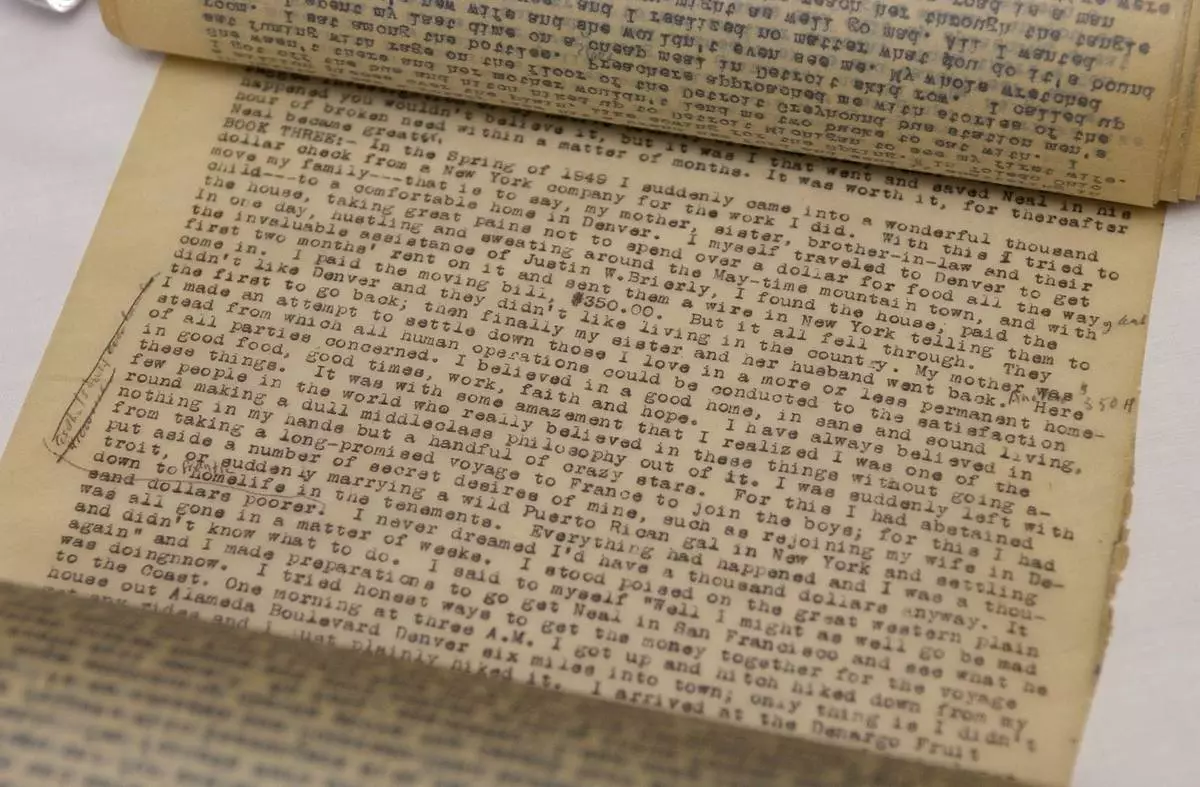
FILE - The original manuscript of the first draft of Jack Kerouac's "On The Road," is displayed in Indianapolis, Tuesday, Jan. 6, 2004. (AP Photo/Darron Cummings, File)
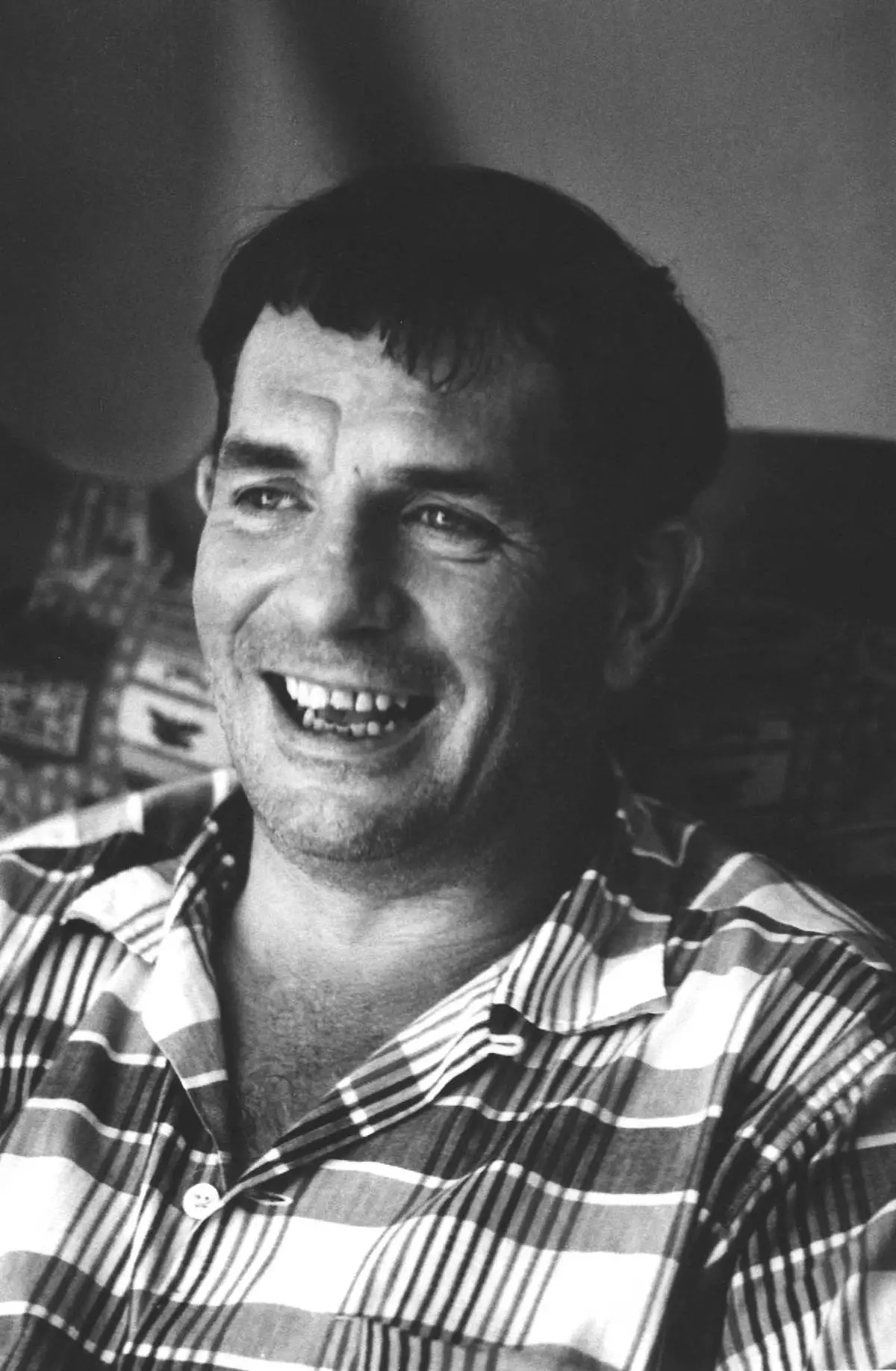
FILE - Author Jack Kerouac laughs during a visit to the home of a friend in Lowell, Mass. in 1967. (AP Photo/Stanley Twardowicz, File)
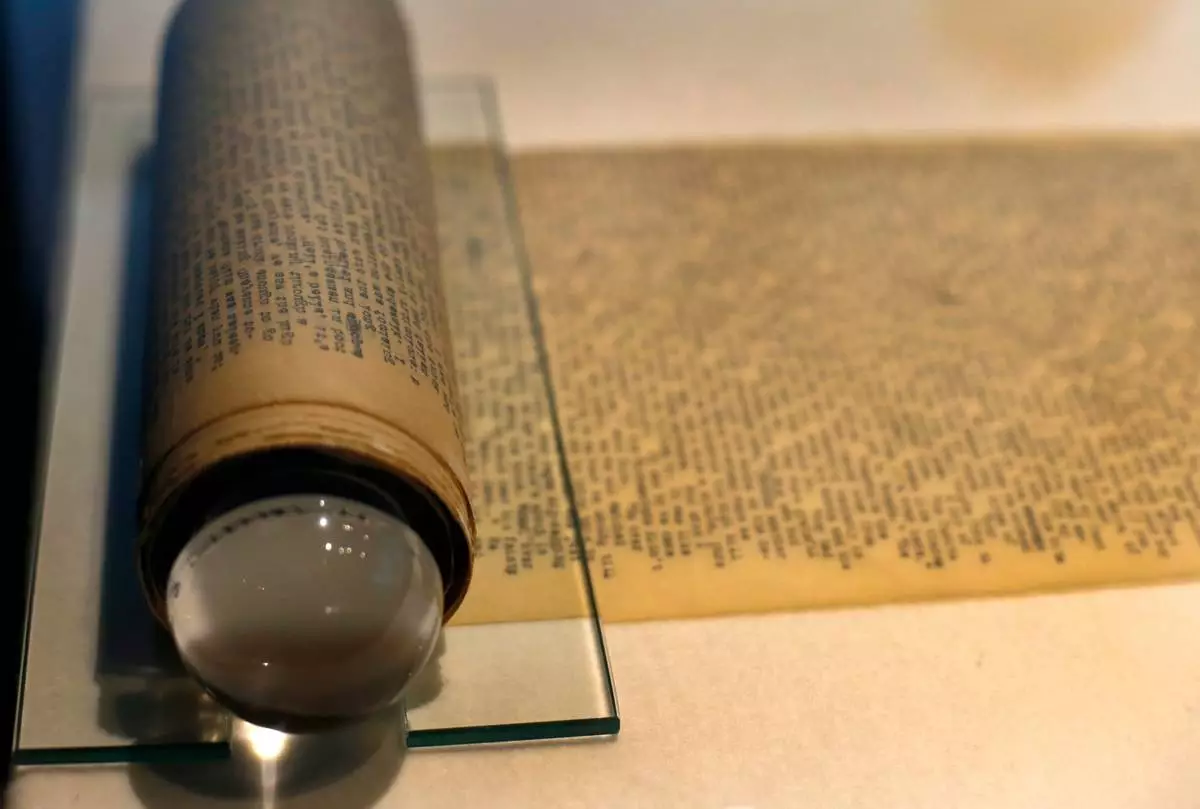
FILE - Jack Kerouac's "On the Road" and its working manuscript, the extraordinary 120-foot scroll he would unfurl before startled publishers, sits on display at the American Writers Museum in Chicago, May 8, 2017. (AP Photo/Charles Rex Arbogast, File)
NEW YORK (AP) — Oil giant Chevron confirmed that it will expand operations in Venezuela after President Donald Trump announced an ambitious deal to develop the nation’s oil reserves and give the Pentagon a stake in the profits.
Chevron, the only U.S. oil company with a major presence in Venezuela, said Wednesday that it has been assigned additional acreage in the Orinoco Belt, where it has active operations. The company plans to invest more than $7 billion over the next five years, with the goal of more than doubling its current production to about 600,000 barrels a day.
“Chevron’s history in Venezuela spans more than a century, and our expanded position reflects our confidence in the country’s deep resource potential,” CEO Mike Wirth said in a prepared statement.
Venezuela holds the world's largest proven reserves, totaling more than 303 billion barrels of crude oil, according to OPEC's 2025 Annual Statistical Bulletin. Saudi Arabia is a distant second with 267 billion barrels.
Yet because Venezuela's energy infrastructure is severely degraded and the nation is operating under international sanctions, its daily production is just over 1 million barrels, compared with the 10 million to 11 million barrels that Saudi Arabia produces each day. The U.S. produces almost 14 million barrels per day.
Chevron, the second-largest U.S. oil company, has had a presence in Venezuela since 1923.
“President Trump’s mission in Venezuela is straightforward. The mission is to bring peace freedom opportunity and prosperity to the people of Venezuela,” Energy Secretary Chris Wright said Wednesday in Caracas, Venezuela. “I believe that deals signed today … are critical in starting the ball rolling on peace opportunity and prosperity for everyone in Venezuela.”
The White House confirmed Monday that it is partnering with North American Blue Energy Partners as part of Trump ’s push to tap into Venezuela’s oil industry.
Yet the agreement has been met with skepticism from energy experts who say it will take years to revive Venezuela’s oil industry, which is in disarray after years of neglect.
There are also questions about whether Venezuela’s acting president, Delcy Rodríguez has the authority to give Chevron 100-year rights over 17 oil fields with reserves of 65 billion barrels — and whether future Venezuelan or American administrations would overturn the agreement.
Venezuela's constitution states that arrangements like the one that the United States announced this week must be approved by the National Assembly, which has not happened, wrote Ian Vásquez, vice president for international studies at the Cato Institute.
“The deal lacks legitimacy since it was agreed to with a dictatorship that has clung to power for decades through violence and by committing what was probably the largest electoral fraud in Latin American history in 2024,” Vásquez wrote. “The agreement was also reached under overwhelming pressure, military and otherwise, from the United States. As such, any future Venezuelan democracy will question the deal, thus undermining confidence in the current arrangement.”
Trump has eyed Venezuela’s oil since the capture of Nicolás Maduro and has pressed to get U.S. businesses back into the country. “We have Exxon going in, we have Chevron going in. We have our big oil companies going in,” he said in January.
He suggested again on Monday that other U.S. oil majors were preparing for a return, though other than Chevron, there is no evidence of that.
Exxon Mobil CEO Darren Woods said in January that Venezuela was “ uninvestable.” An Exxon spokesman said this week that “nothing has changed.”
The history of U.S. oil majors in Venezuela explains the hesitation.
Venezuela nationalized its oil industry in 1976 and created the state-owned company Petróleos de Venezuela S.A. A second nationalization occurred in 2007, when President Hugo Chávez pushed foreign oil companies into state-controlled joint ventures and seized the assets of companies that refused. Chevron agreed to a joint venture. Others, including Exxon and ConocoPhillips, refused, and Venezuela took their assets.
Trump has said that the agreement with Venezuela would “substantially lower” gasoline prices in the U.S. However, analyst have repeatedly warned that Venezuela’s dilapidated oil infrastructure will require years of restoration work and tens of billions of dollars to resuscitate.
“It could take 2 to 4 years to get new greenfield facilities online in the Orinoco region,” Amy Jaffe, director of the Global Energy, Climate, and Sustainability Lab at New York University, said in an email. "Other places where there is no pipeline and other kinds of support infrastructure could take longer.”
Meanwhile, the national average price for a gallon of regular gasoline jumped overnight to $4.12, according to the motor club AAA. That is 93 cents more than it cost at this point last year.
Associated Press writer Regina Garcia Cano contributed to this report from Caracas. Aamer Madhani and Collin Binkley contributed from Washington.
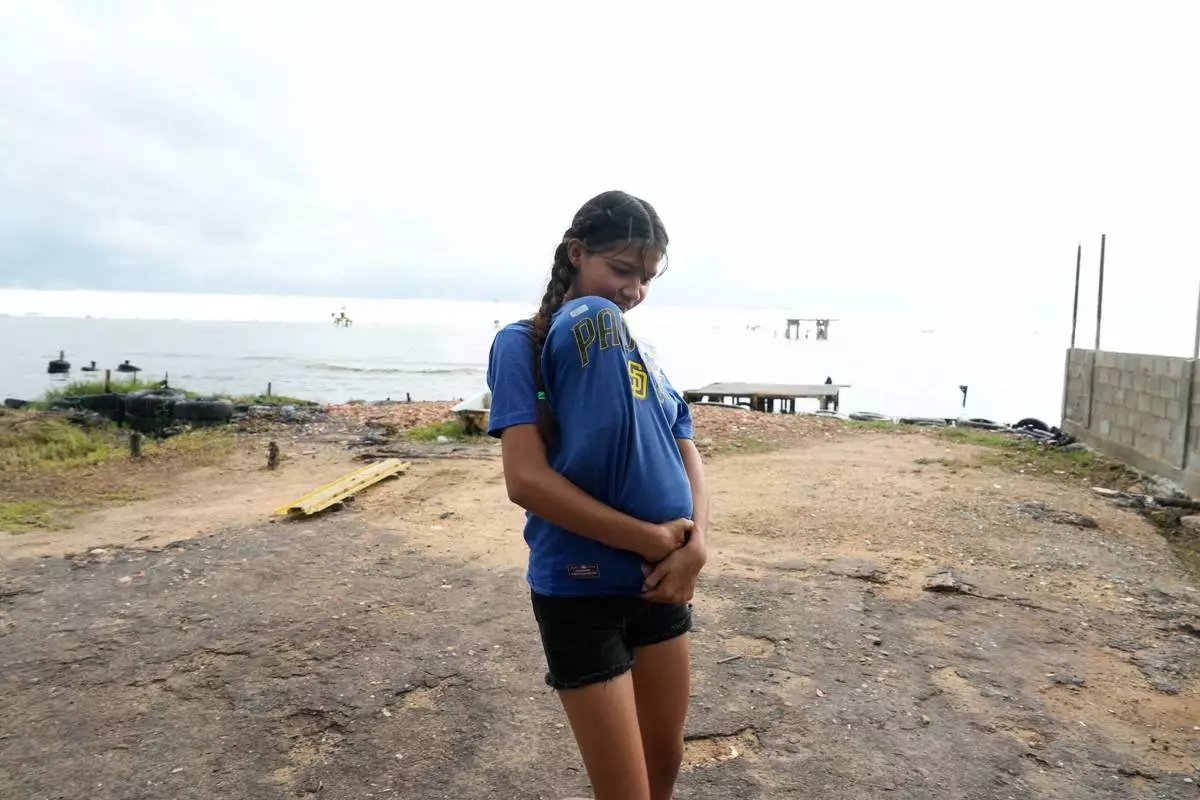
A woman covering a child from the rain walks along the shore of Lake Maracaibo in the oil-producing region of Cabimas, Venezuela, Tuesday, Sept. 1, 2026. (AP Photo/Ariana Cubillos)
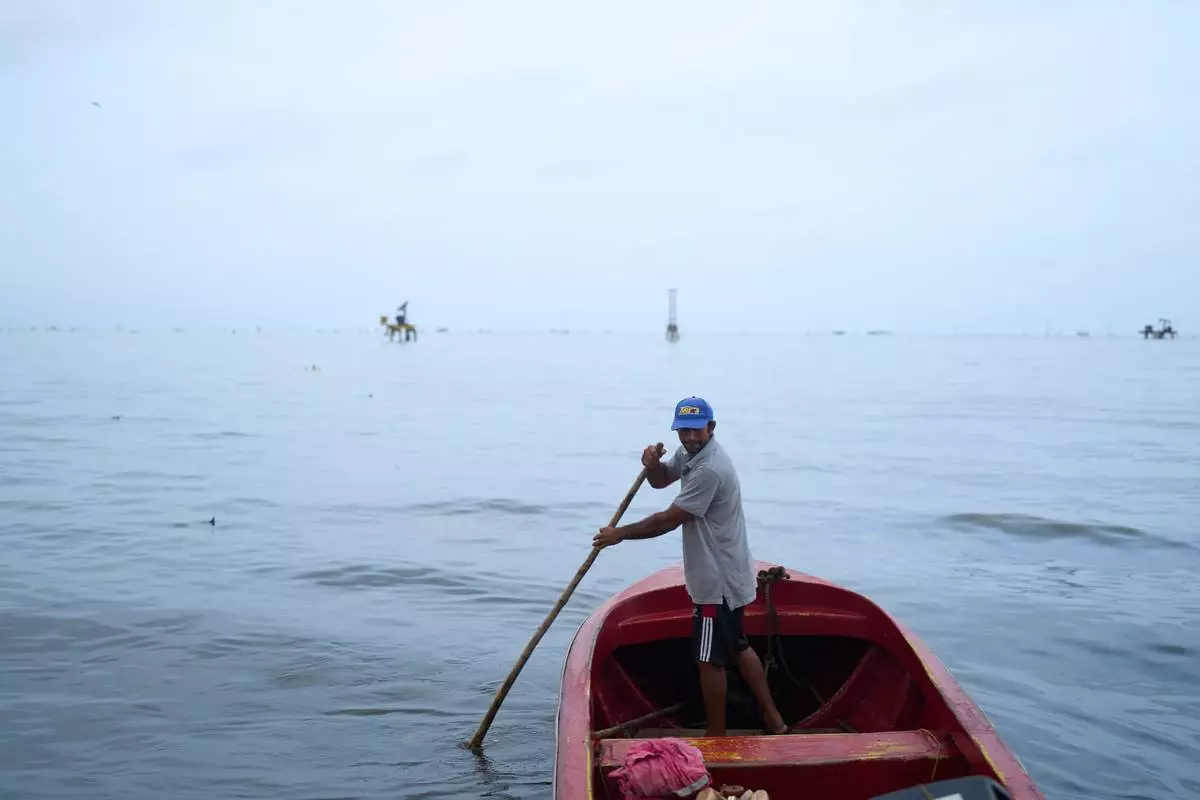
A fisherman steers his boat on Lake Maracaibo in the oil-producing region of Cabimas, Venezuela, Tuesday, Sept. 1, 2026. (AP Photo/Ariana Cubillos)
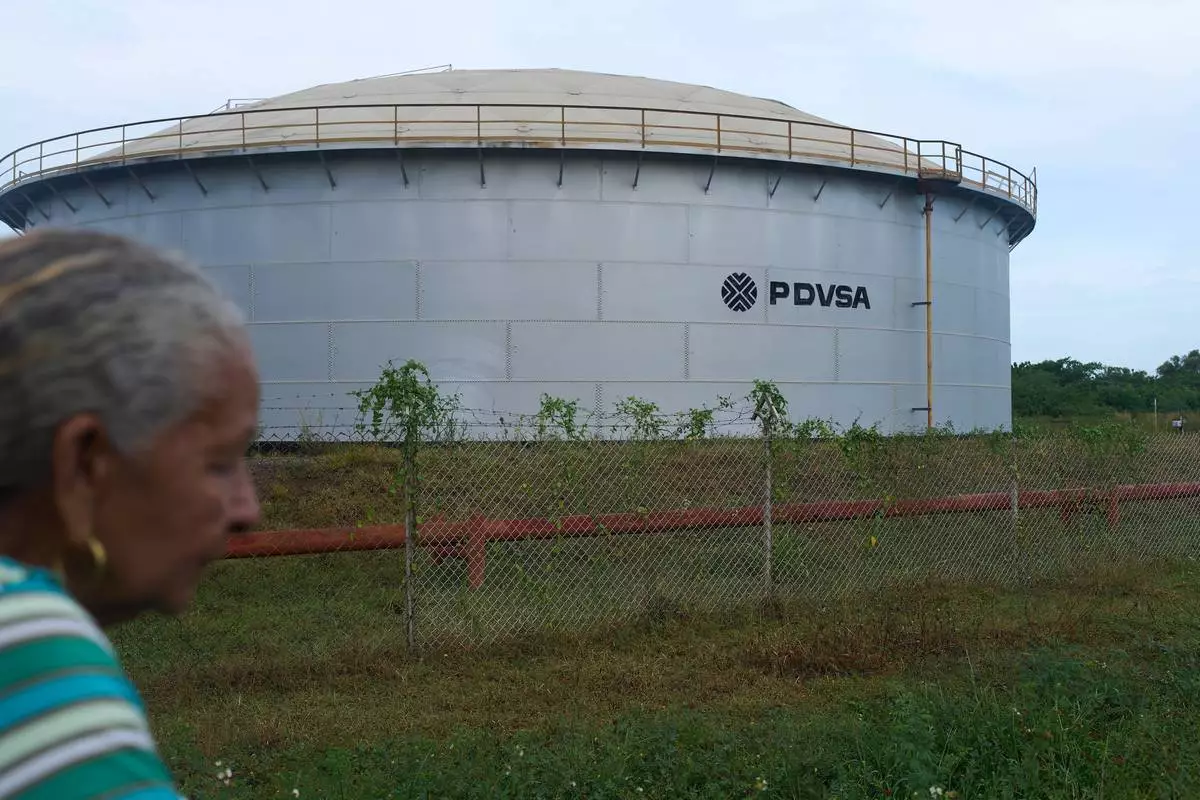
A woman walks near of a oil storage tank of Venezuela's state-run oil company, PDVSA in Cabimas, Venezuela, Tuesday, Sep. 1, 2026. (AP Photo/Ariana Cubillos)