2026 China Fashion Week (Autumn) opened in Beijing on Thursday.
It has attracted over 200 brands at home and abroad to participate, highlighting Chinese fashion industry's creativity and cultural confidence.
Focusing on the contemporary conversion of eastern aesthetics, the fashion week intends to promote deep integration between traditional culture and modern fashion.
By exploring traditional elements like Song brocade, a silk textile known for its intricate craftsmanship which could date back to the Song Dynasty (960-1279), and Xiangyunsha (Gambiered Canton Gauze), one of China's most meticulous forms of ancient silk, designers use modern tailoring, structural reconfiguration, and material fusion to give intangible cultural heritage craftsmanship and traditional fabrics a more youthful, international expression.
"Local designers are continuing to rise, drawing on many elements from Chinese ethnic heritage, traditional culture, and intangible heritage to create works. By integrating these elements with Chinese-style products, they are creating designs that embody eastern aesthetics while also meeting the needs of international consumers," said Xie Fangming, vice chairman of China Fashion Association.
The Fashion Week also connects runway creativity and new-product launches with everyday consumer experiences through a range of promotions, such as runway show livestreams, product releases at brick-and-mortar stores, as well as pop-up events, so as to further unlock the potential of fashion consumption.
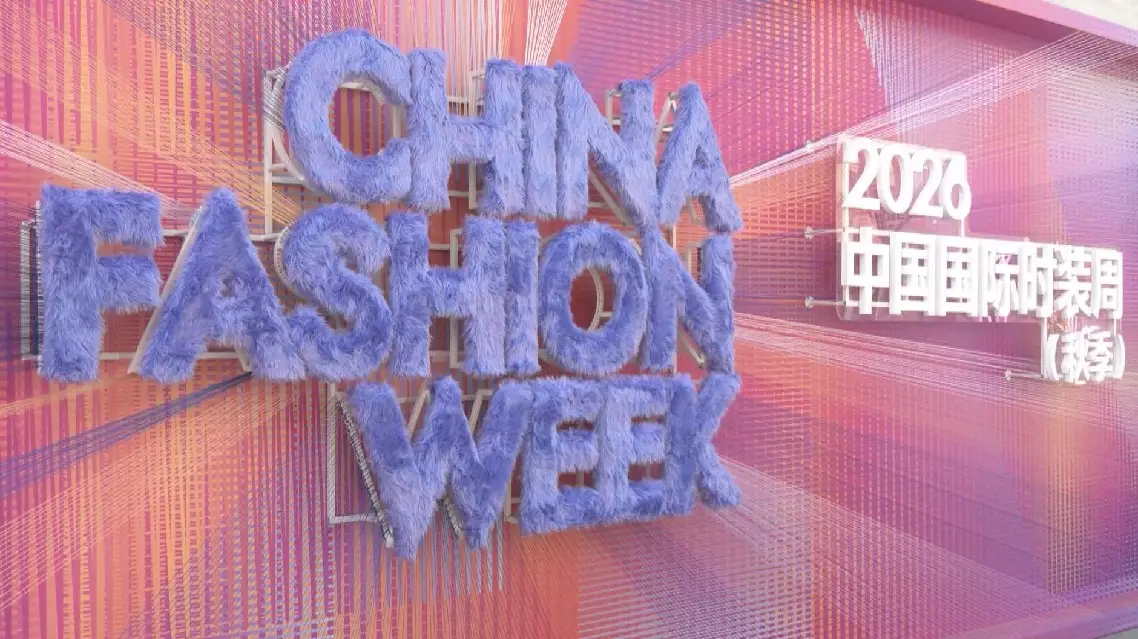
2026 China Fashion Week (Autumn) opens in Beijing
A Japanese scholar who focuses on tracing Japan's wartime chemical weapons legacy on Wednesday revisited a poison gas bomb factory used by the Imperial Japanese Army in World War II, in efforts to uncover more historical truth and reflect on the cruel war of aggression.
Harada Kazuaki, the scholar, has dedicated years of his life investigating the production and usage of chemical weapons by the Imperial Japanese Army during WWII.
Sone Manufacturing Plant, located at Fukuoka Prefecture's Kitakyushu City, was where poison gas bombs were produced. Millions of poison gas shells transported from here were dropped on China and caused severe casualties.
"Here's the main factory for producing mustard gas and Lewisite. The building behind is where the products would undergo their final processing. A temporary warehouse can also be seen in the rear left. The building at the very back is the primary factory for producing diphenylcyanoarsine and diphenylchloroarsine," said Harada.
Sone Manufacturing Plant became an important chemical weapons production base in Japan back then, relying on the industrial and military systems of imperial Japan. By transferring the relevant technique to private enterprises, the Japanese military gradually formed a chemical weapons production system from scientific research to production.
"The military was capable of producing small batches on a laboratory scale, while private companies were responsible for scaling up production. At the time, Japan's primary targets in the war were the Korean Peninsula and China. Therefore, Kitakyushu was the most convenient location for shipping out the chemical weapons," Harada said.
Harada said he believes studying this part of history is not merely about looking back at the past, but more importantly, it is about reflecting on how people can learn from history to prevent wars.
"What I hope for is to draw lessons from history that can help us reflect on how we can prevent war," Harada said.
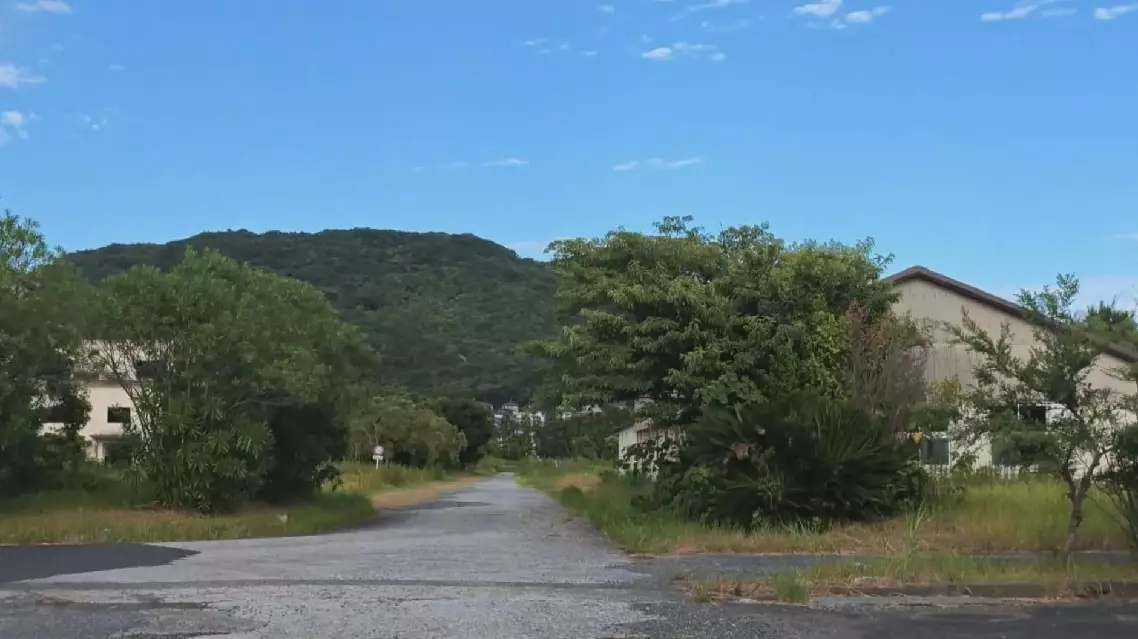
Japanese expert uncovers Japan's use of chemical weapons during WWII