WASHINGTON (AP) — The Environmental Protection Agency is seeking additional public comments as it tries to redefine the scope of the nation’s bedrock clean water law to significantly limit the wetlands it covers.
The request, announced Friday, comes nearly a year after the agency proposed a rule defining "waters of the United States," or WOTUS, based on a 2023 Supreme Court ruling that removed federal protections for vast areas. The plea for new information is highly unusual and reflects the complexity of the water rule, a contentious regulation that has been argued in the courts for decades and reached the Supreme Court twice since 2006.
The latest proposal is a “supplemental” rule that EPA said will help it and the U.S. Army Corps of Engineers evaluate a wider range of options as they work toward a final rule that fully implements the Supreme Court’s decision in a case known as Sackett v. EPA.
The 2023 ruling sharply limited the federal government’s authority to police water pollution in certain wetlands. It boosted property rights over concerns about clean water in a ruling in favor of Michael and Chantell Sackett, an Idaho couple who sought to build a house near a lake.
The new rule, once made final, will cut “bureaucratic red tape” and protect water quality while “recognizing that states and tribes are best positioned to manage their own water resources,” the EPA said.
The rule will provide greater predictability for landowners, farmers, ranchers, energy producers, the technology sector, developers and small businesses, the agency said. The measure will focus on relatively permanent, standing or continuously flowing bodies of water, such as streams, oceans, rivers and lakes, along with wetlands that are directly connected to such bodies of water.
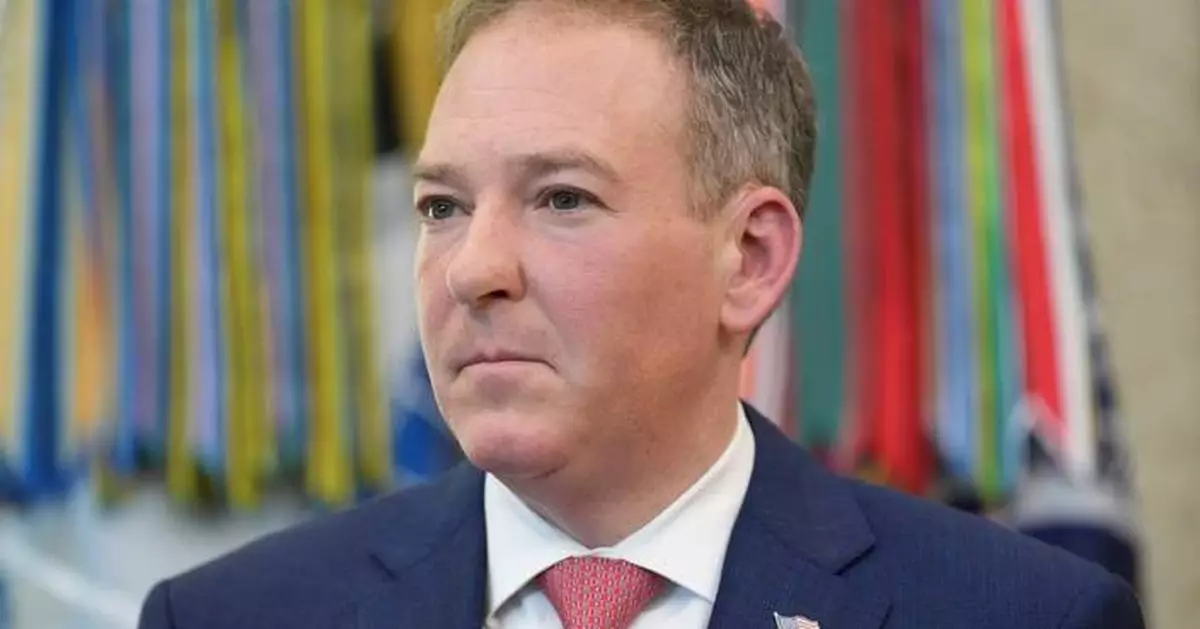
"The EPA’s goal is a durable WOTUS definition that follows the law and ends burdensome regulatory uncertainty,” EPA Administrator Lee Zeldin said in a statement.
The request for additional comment “reflects our continued commitment to transparency and public input, ensuring we have fully considered a wide range of potential policy options,” he added. "We look forward to public feedback on this supplemental notice, which will help strengthen the real-world expertise behind the final rule.”
The November proposal to rewrite the water rule is among dozens of environmental regulations being rolled back by Republican President Donald Trump's administration as part of what Zeldin calls a concerted effort to accelerate economic prosperity while putting “ a dagger through the heart of climate change religion.” Critics call the planned water rule a giveaway to ranchers and industrial polluters.
“The Trump EPA’s shortsighted push to encourage industries to plow over more wetlands and streams will destroy thousands of miles of waterways critical to wildlife across the United States,” J.W. Glass, a policy specialist at the Center for Biological Diversity, said when the plan was announced last year.
The proposed rule will most likely “wipe out life-sustaining waterways in every corner of the nation,” Glass said, and leave vast stretches of wetlands and other low-lying areas vulnerable to increasingly destructive storm surges driven by climate change.
The EPA's proposal “declares open season” on the nation's waterways, according to Jon Devine, director of freshwater ecosystems at the nonprofit Natural Resources Defense Council.
“The proposal would virtually eliminate protection for freshwater wetlands” and especially hurt the western United States, he said.
Zeldin disputes that argument, saying the agency's proposal strikes a needed balance between federal and state authority. Any lands removed from federal jurisdiction will still face regulation from states and tribes, he said.
The EPA and Army Corps will accept public comments for 30 days once the supplemental plan is published in the Federal Register, expected in the next week. The agencies have held three public meetings on the proposed rule, which has generated more than 220,000 comments from a wide range of stakeholders.

FILE - The sun sets over a salt marsh Monday, Oct. 6, 2025, in Charleston, S.C. (AP Photo/Joshua A. Bickel, File)
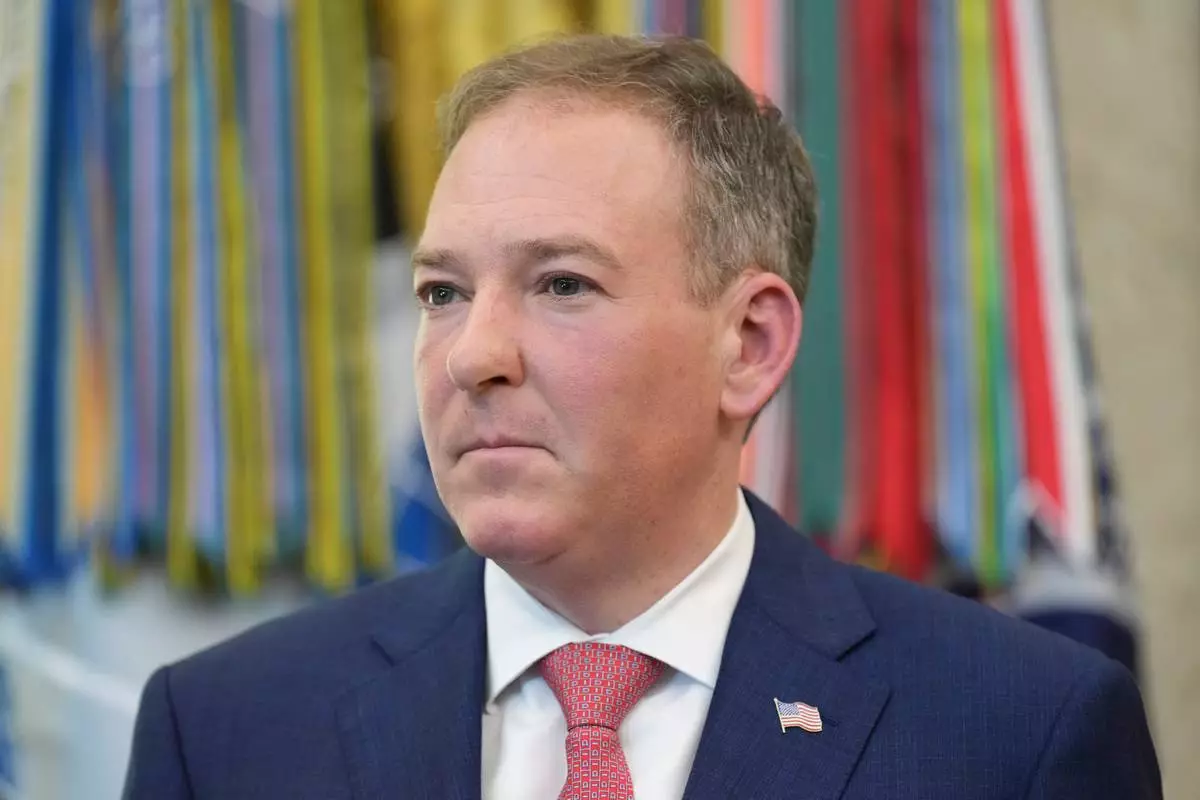
FILE - Environmental Protection Agency administrator Lee Zeldin listens as President Donald Trump speaks in the Oval Office of the White House, June 29, 2026, in Washington. (AP Photo/Jacquelyn Martin, File)
PLYMOUTH, Mass. (AP) — The deadlocked jury in the Lindsay Clancy trial started a seventh day of deliberations Friday, a day after the foreperson informed the judge that a single juror wasn't following the court’s instructions about reasonable doubt.
The extraordinary disclosure made Thursday in the form of a note delivered to the judge offered the clearest glimpse yet of what may be keeping jurors from reaching a verdict on whether Clancy is criminally responsible for killing her three children. If jurors ultimately cannot agree on a verdict, the judge could declare a mistrial.
Clancy, a 36-year-old former labor and delivery nurse, doesn’t deny strangling her children in the basement of their home in 2023. Defense attorney Kevin Reddington blamed postpartum psychosis. Prosecutors said she knew what she was doing.
Postpartum psychosis is estimated to afflict 1 to 2 per 1,000 women after delivery. Experts at the Cleveland Clinic describe it as a mental health emergency affecting someone’s sense of reality. Though most people with postpartum psychosis don’t harm their children, mothers with severe cases may try to do so.
Here’s the latest:
Criminal defense attorney Joseph Krowski Jr. has been following the trial and commented outside court about the judge’s challenge at this point in the deliberations.
“The jurors aren’t saying that there’s just a factual disagreement with the holdout — they’re saying that that juror is refusing to follow the law,” Krowski said Thursday evening.
“Now, I don’t want to speculate. I’m not in there, and I don’t know what the disagreement is, and how do we know that that juror’s even right or wrong on the law, but you could see the visceral reaction from attorney Reddington, and it looked like to me that he’s frustrated.”
“Judges have to be careful into inquiring into what’s being discussed during deliberation. So if he gets another communication, then I’m sure he would have a very, very confined, carefully constrained voir dire,” Krowski said. “One more communication that they’re at an impasse would mandate a hung jury, mistrial.”
“I wanted to remind you, as I instructed you earlier, it is your duty as jurors to accept the law as I gave it to you,” he told them. “You must follow the law as I give it to you whether you agree with it or not.”
“With that, you may now resume your deliberations.”
Sullivan acknowledged to the jury that he got a note from the jury on Thursday.
“If there are any notes in the future ... make sure we don’t put down where everybody is numerically,” Sullivan told them.
Despite a request from Reddington, Sullivan has ruled that he will not do a further inquiry of the juror.
Court has reopened and reporters and the public have filed in. There is not an empty seat.
The judge is now here and lawyers are discussing further instructions to the jury.
Reddington filed a motion Friday requesting a standing order so there will “be no further sidebars” and that “all related proceedings will be handled in open court.”
Sullivan has often used sidebars to discuss legal issues with the defense and prosecution, especially during jury deliberations. During those sessions, no one in court can hear what is being discussed.
Defense attorney Kevin Reddington told reporters after leaving court Thursday that the foreperson’s note identified the holdout juror to the judge.
He said he’s hoping that before the judge questions that juror on Friday, attorneys on both sides will get to argue over the specifics of that inquiry.
Reddington wants that debate out in the open, not in a private sidebar conversation.
A deadlocked jury returns Friday for the seventh day of deliberations in the Lindsay Clancy trial, a day after the jury’s foreperson informed the judge that a single juror wasn't following the court’s instructions about reasonable doubt.
The extraordinary disclosure made Thursday in the form of a note delivered to the judge offered the clearest glimpse yet of what may be keeping jurors from reaching a verdict on whether the Massachusetts mother is criminally responsible for killing her three children.
The jury has twice told Judge William Sullivan that it is unable to agree on a verdict. On Thursday, Sullivan brought in each juror individually and questioned them in private. The judge then reread his instructions on reasonable doubt before sending them back to continue deliberating. Soon thereafter, he sent them home.
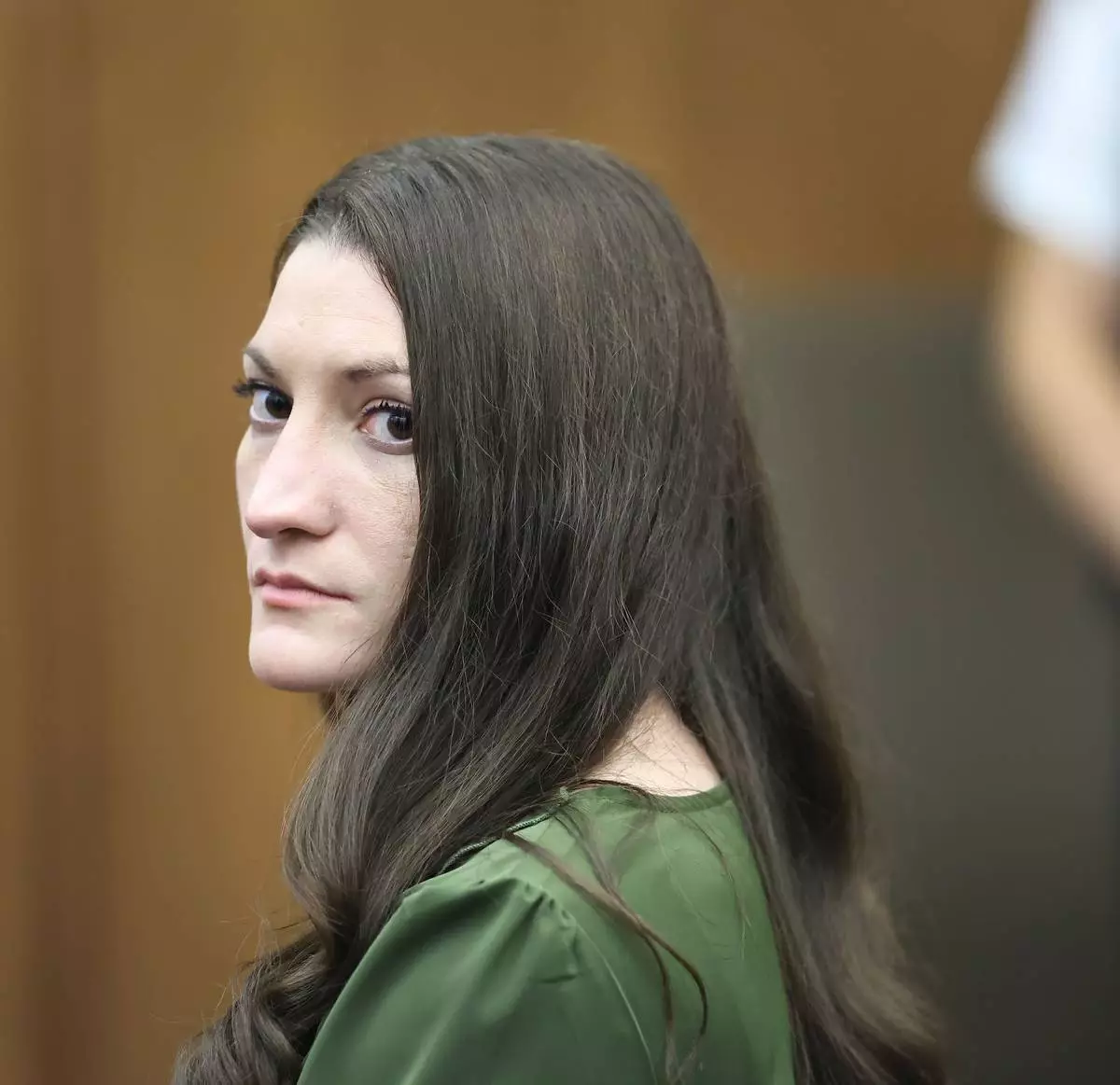
Lindsay Clancy watches jury members as Judge William Sullivan polls them during her murder trial at Plymouth Superior Court in Plymouth, Mass., Monday, Aug. 31, 2026. (Greg Derr/The Patriot Ledger via AP, Pool)
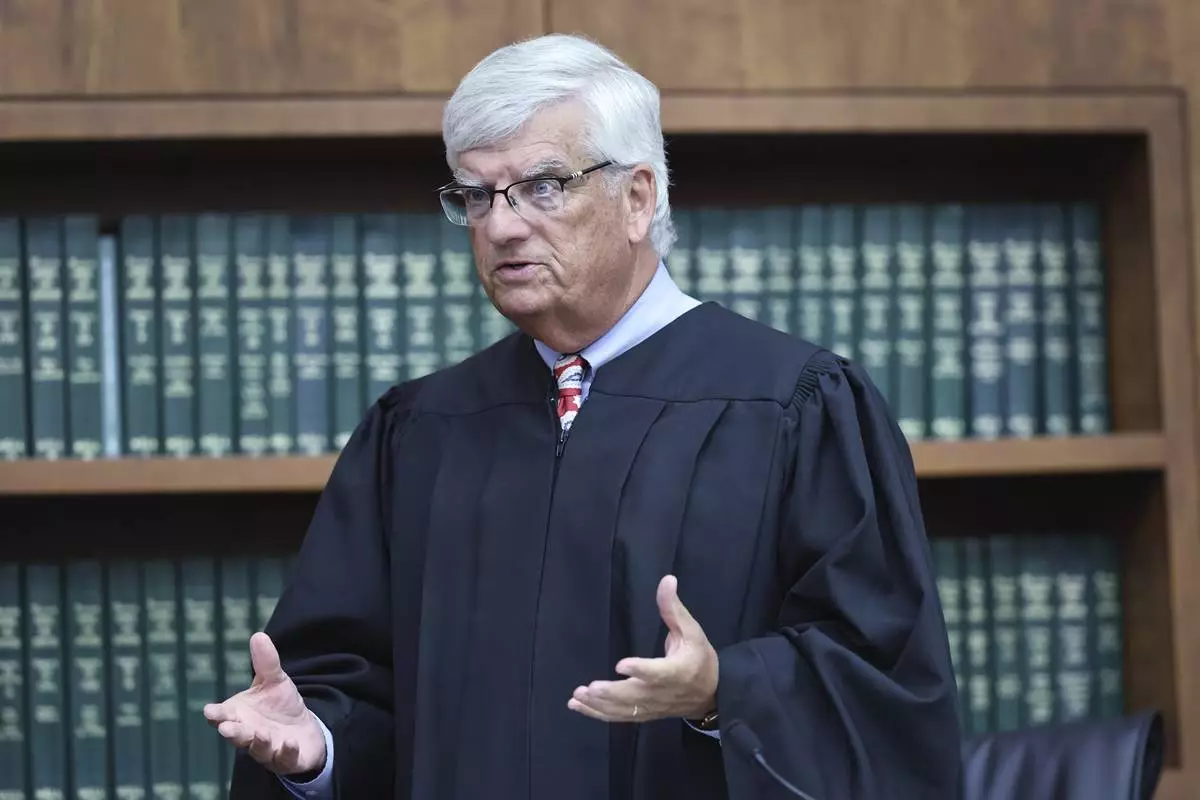
Judge William Sullivan asks the jury to continue deliberations during Lindsay Clancy's murder trial at Plymouth Superior Court in Plymouth, Mass., Tuesday, Sept. 1, 2026. (Greg Derr/The Patriot Ledger via AP, Pool)
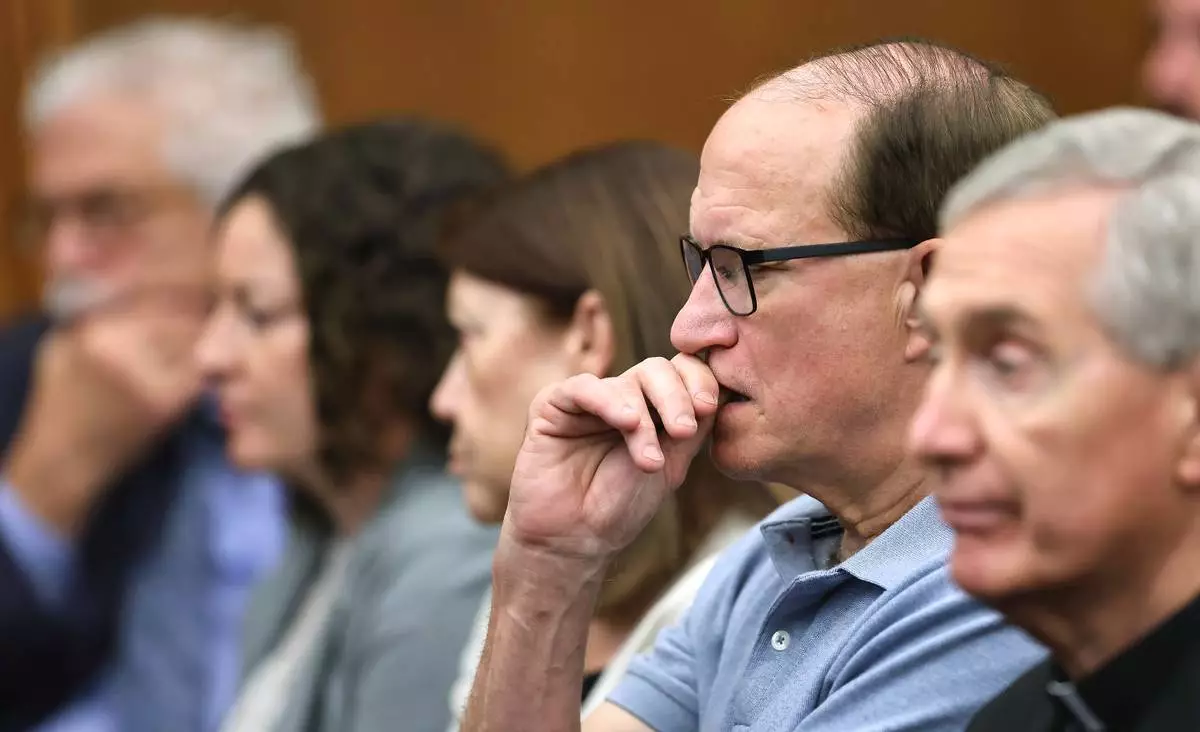
Mike Musgrove, father of Lindsay Clancy, center right, sits with family as they listen to the judge tell the jury to keep discussing a possible verdict after jurors said they couldn't agree for a second time whether Clancy is criminally responsible for killing her three children in 2023, Wednesday, Sept. 2, 2026, in Plymouth, Mass. (Greg Derr/The Patriot Ledger via AP, Pool)
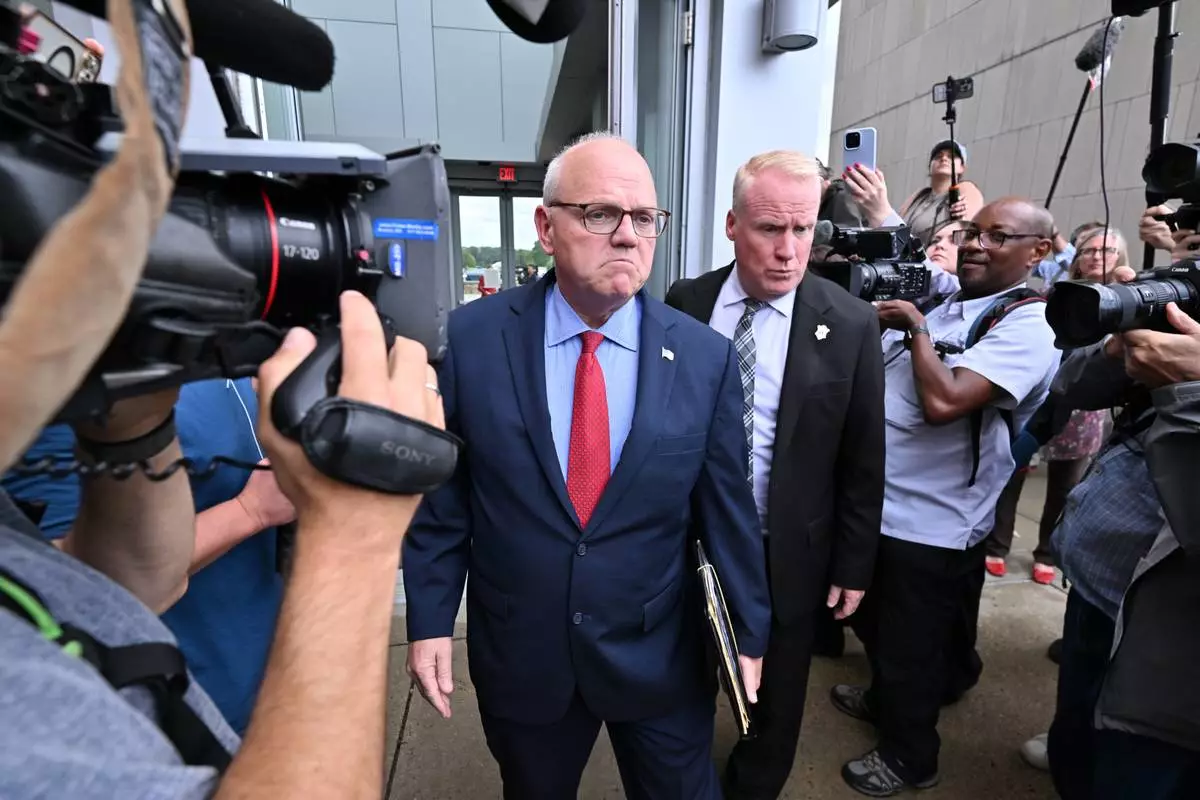
Timothy Cruz, Plymouth County District Attorney, center, leaves Plymouth Superior Court, Thursday, Sept. 3, 2026, in Plymouth, Mass. (AP Photo/Josh Reynolds )
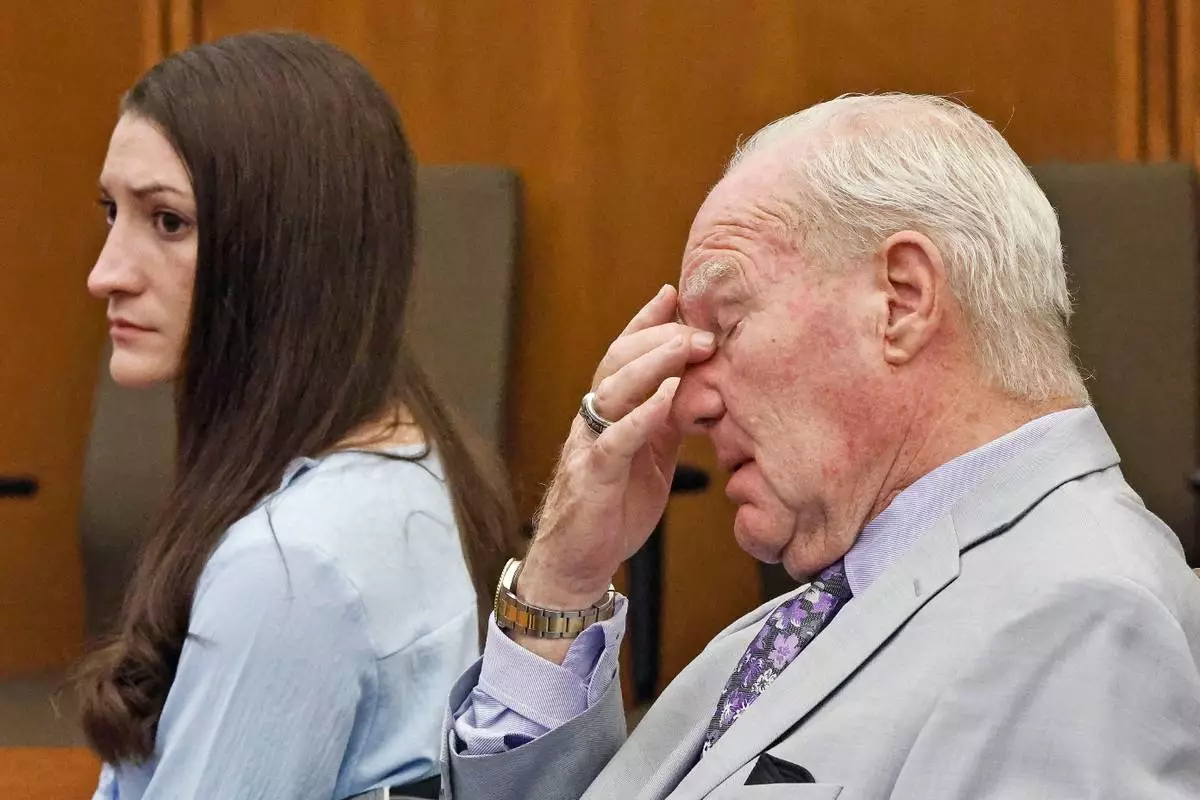
Lindsay Clancy and attorney Kevin Reddington watch as Judge William Sullivan tells the jury to keep discussing a possible verdict after jurors said for a second time they couldn't agree whether Lindsay Clancy was criminally responsible for killing her three children in 2023, Wednesday, Sept. 2, 2026, in Plymouth, Mass. (Greg Derr/The Patriot Ledger via AP, Pool)