NEW YORK (AP) — Former Labor Secretary Lori Chavez-DeRemer oversaw a “toxic, intimidating and humiliating” work environment and engaged in numerous violations of department policy, according to a new report from the department’s Office of Inspector General.
The report alleges that Chavez-DeRemer “engaged in an inappropriate relationship” with a member of her security detail and repeatedly directed staff to perform personal tasks on government time. It also accuses her of inappropriately combining personal and official travel, violating the department’s alcohol policies, and failing to report gifts through proper channels.
Based on interviews with dozens of current and former labor department staffers and a review of more than 500 documents, images and videos, the report includes several striking allegations.
During a personal trip to Oregon, it reports, Chavez-DeRemer allegedly stopped at a strip club featuring partially nude dancers and directed her limousine driver to come inside and give money to a performer, despite his hesitation. She then “took additional money from her purse and asked the agent to drop the bills one by one onto the partially nude woman," despite his protests.
Chavez-DeRemer, who resigned earlier this year, could not immediately be reached for comment.
She is also accused of repeatedly directing staff to perform personal tasks during work hours. That included, at one point, directing her personal aide and executive assistant to travel to her home and organize her bedroom closet. After completing the task, they were asked to provide a video documenting their work. The report includes a photo of neatly hung, colorful blazers, alongside purses and shoes.
In other instances, it alleges, she sent staffers to her home to retrieve packages from the mail room, instructed them to make personal purchases that weren't always reimbursed, and directed a Hispanic federal employee to communicate with Spanish-speaking workers, including a house cleaner and movers.
The report alleges Chavez-DeRemer developed and maintained an inappropriate and unprofessional relationship with a senior agent on her security detail, documenting in extensive detail witness reports of her massaging the agent's shoulder, the two golfing and gambling together, and leaving an event walking arm-in-arm.
Investigators obtained electronic hotel door lock records that suggested the two were spending time overnight in each other’s rooms. And they obtained key fob records and video footage to document his visits to her home.
The relationship, they said, “appeared to continue even after he was placed on administrative leave and was suspended from his official duties.”
The office also concluded that the former secretary and senior staff consumed and stored alcohol on federal property without permission, that she combined personal and official travel, including visits to family, personal residences and Las Vegas. And it identified a handful of gifts that were not reported, including tickets to attend a rodeo, an alligator-hide wallet and cowboy hats.
The report also alleged that Chavez-DeRemer oversaw a hostile workplace, with senior staff “routinely engaged in threatening, demeaning, and abusive verbal and written communication” that she was seemingly aware of but did not take action to stop.
Witnesses described the work environment as “toxic, intimidating and humiliating," with staff accused of berating employees in front of colleagues, openly discussing performance issues in the presence of other staff, and frequently making threats of termination.
Senior staff were also accused of making staffing decisions based on physical appearance instead of qualifications, including relocating one employee’s desk because they did not want a “fat person” seen in the front office.
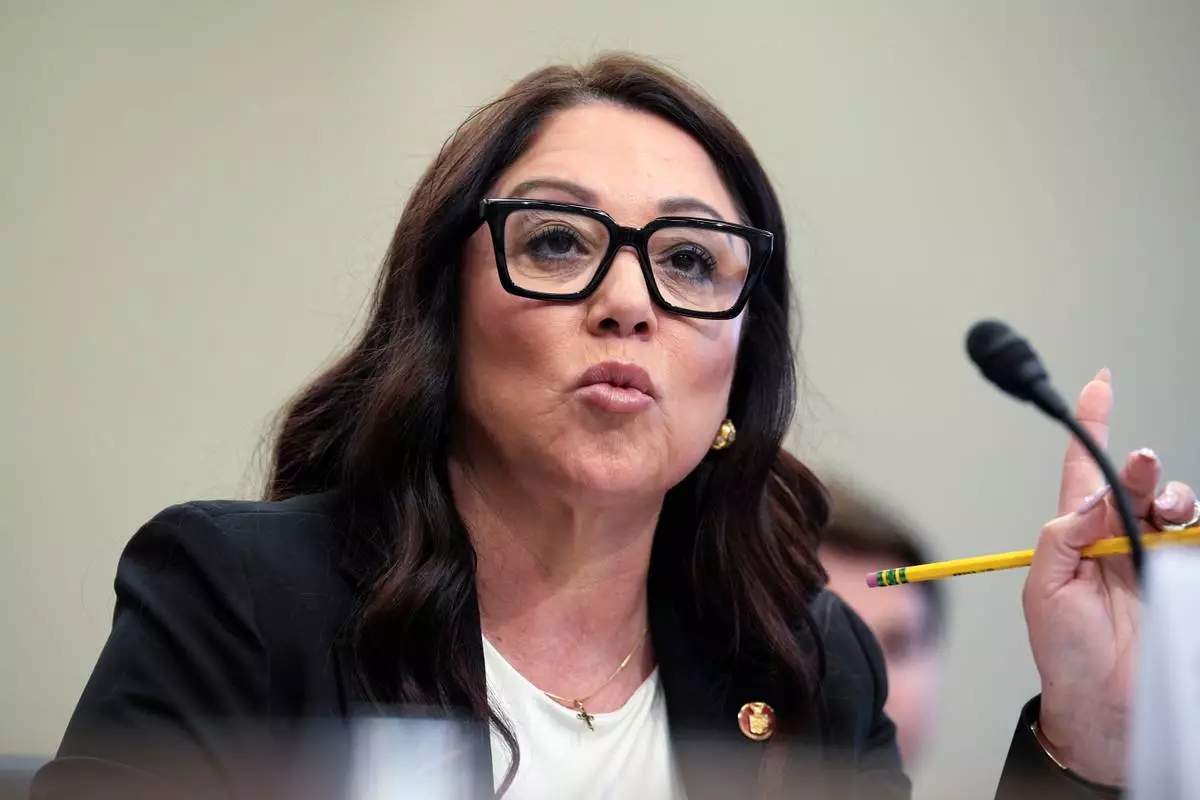
FILE - Secretary of Labor Lori Chavez-DeRemer testifies before the House Committee on Appropriations subcommittee budget hearing on Capitol Hill, May 15, 2025, in Washington. (AP Photo/Yuri Gripas, File)
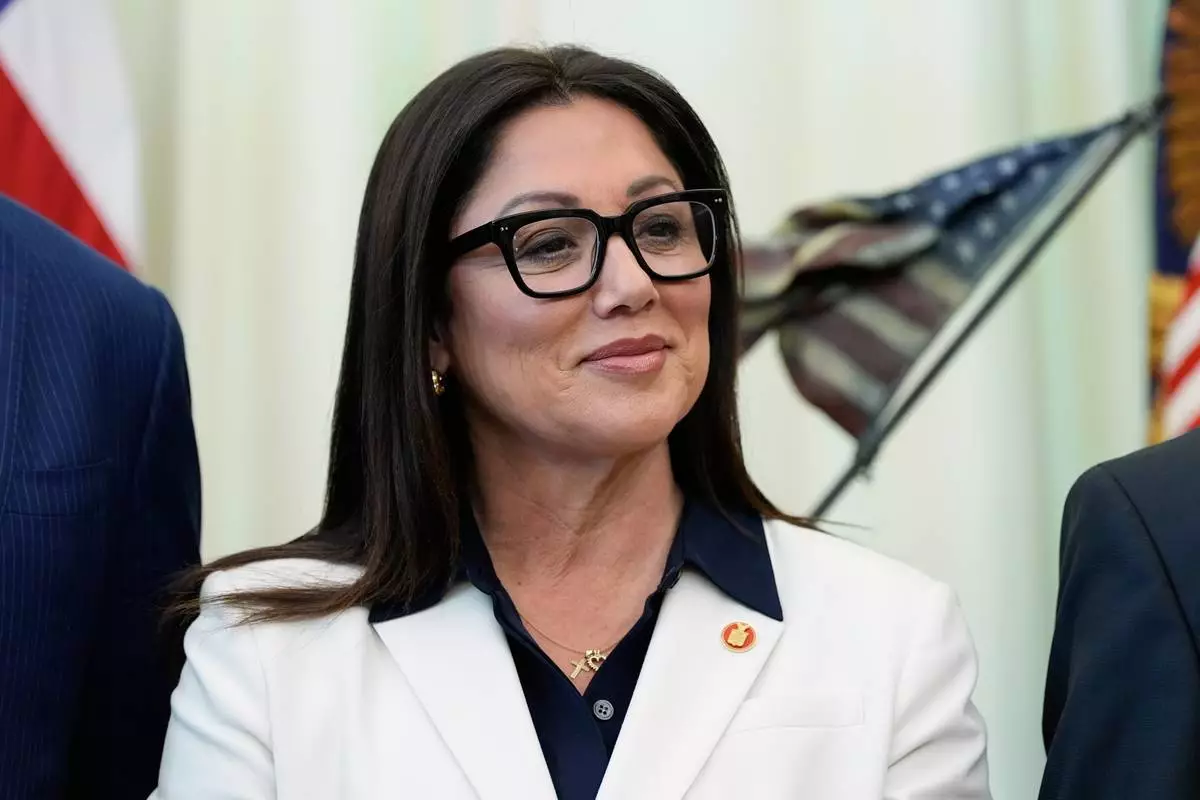
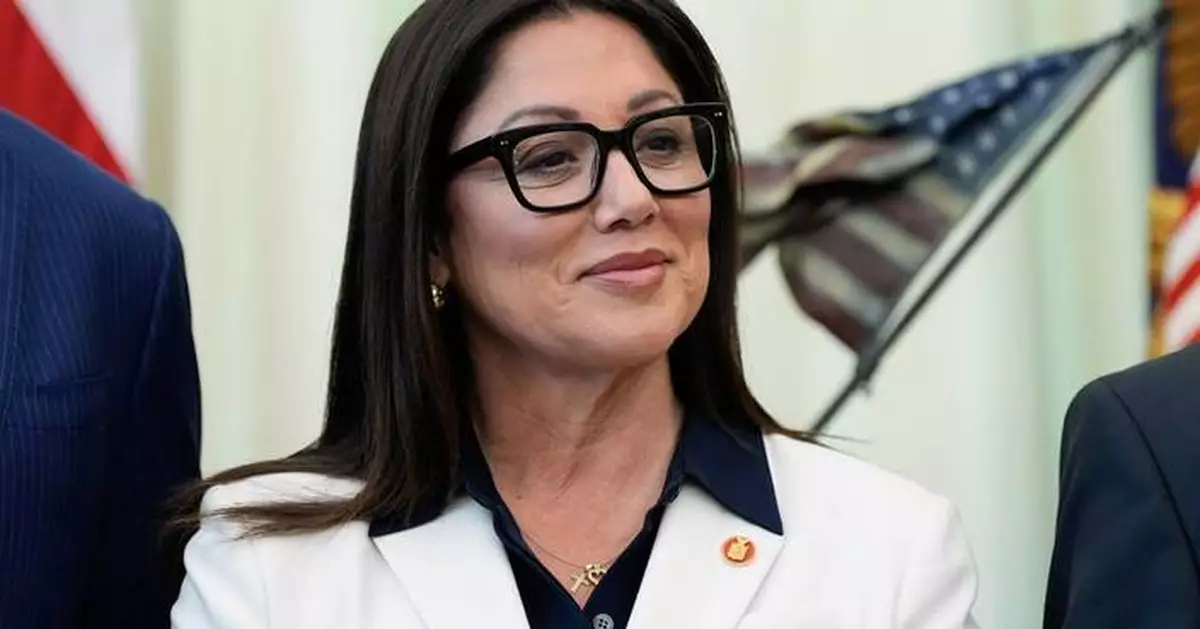
FILE - Labor Secretary Lori Chavez-DeRemer listens as President Donald Trump speaks in the Oval Office of the White House, Oct. 16, 2025, in Washington. (AP Photo/Alex Brandon, File)
PLYMOUTH, Mass. (AP) — The judge in Lindsay Clancy’s trial has given her defense attorney one hour to appeal after the judge initially said he was going to declare a mistrial. This decision came after jurors reported for the third time that they couldn’t reach a unanimous decision on whether the Massachusetts mother is criminally responsible for killing her three children in 2023.
Clancy, a 36-year-old former labor and delivery nurse, doesn’t deny strangling her children in the basement of their home in 2023. Defense attorney Kevin Reddington blamed postpartum psychosis. Prosecutors said she knew what she was doing.
Postpartum psychosis is estimated to afflict 1 to 2 per 1,000 women after delivery. Experts at the Cleveland Clinic describe it as a mental health emergency affecting someone’s sense of reality. Though most people with postpartum psychosis don’t harm their children, mothers with severe cases may try to do so.
Here’s the latest:
Sullivan and Reddington went back and forth after the judge signaled that he would declare a mistrial and summon the jury to break the news.
Then the judge suddenly gave Clancy’s lawyer time to seek an appeal to stop his mistrial order.
“What I’m asking for is time to file a single-justice appeal for this travesty,” said Reddington, who was upset over Sullivan’s refusal to remove a juror.
“I’ll hold off for an hour,” the judge said.
The clock began around 11:30 a.m.
Clancy’s parents, Paula and Mike Musgrove, and her sister, Allison Ozga, showed no reaction but stared straight ahead. Clancy’s expression wasn’t visible to the gallery.
The defense then raised objections and the jury was not brought in.
Prosecutors and Reddington are being brought up to a podium and the court clerk showed them something. It is unclear what it was.
Now they’ve returned to their tables and the judge has returned to the bench.
With nearly 100 people packed inside, a court officer told the public outside “there is no more room” and closed the courtroom doors.
First the media and now members of the public are re-entering the courtroom.
The prosecutors are at their table. Reddington is sitting next to Clancy. Clancy’s parents and her sister are two rows back.
There’s a line for media seats that’s 15 people deep, with journalists either standing or sitting on the floor behind an orange cone after court security moved them back from the door.
The benches outside the courtroom are filled with about 20 members of the public, some dressed in pink to show their support for Clancy. Many are waiting to get a seat in the courtroom, which has been filled to capacity.
Reddington urged Sullivan to “forcefully” explain the jury instruction about how to apply reasonable doubt to deliberations, and not use a “soft” approach.
“What do you want me to do? Get a brass band?” the judge responded. “The fact that I perhaps didn’t give it my full inflection — I’m sorry about that but I’m not an actor. I’m just giving the instruction.”
Sullivan then promised to give the instruction again “with more pizzazz,” a remark that caused laughter in the courtroom.
The judge ultimately gave the jurors one more reminder about following his instructions before sending them back to the jury room.
“That juror told you that he would be able to apply the law to the fact as you asked him. Based on this note from this juror it clearly and unequivocally indicates they are 11-1 and this person will not apply reasonable doubt to the evidence to return a not guilty verdict.”
Sullivan disagreed, saying law only allows a juror to be discharged for personal reasons having nothing to do with the case or their relationship with the other jurors.
Before the jury was brought into the courtroom Friday, Reddington beseeched the judge to deal with the juror referenced in the foreperson’s note on Thursday.
“I have never seen a situation like this where a foreperson on the jury is so courageous as to speak on behalf of 11 jurors and indicate that a juror, number which I will not mention, and I quote, ‘has made statements acknowledging doubt but refuses to apply it to the verdict,’” Reddington said.
Reddington said the juror “looked you in the eye and lied” when the judge questioned him after receiving the note.
Criminal defense attorney Joseph Krowski Jr. has been following the trial and commented outside court about the judge’s challenge at this point in the deliberations.
“The jurors aren’t saying that there’s just a factual disagreement with the holdout — they’re saying that that juror is refusing to follow the law,” Krowski said Thursday evening.
“Now, I don’t want to speculate. I’m not in there, and I don’t know what the disagreement is, and how do we know that that juror’s even right or wrong on the law, but you could see the visceral reaction from attorney Reddington, and it looked like to me that he’s frustrated.”
“Judges have to be careful into inquiring into what’s being discussed during deliberation. So if he gets another communication, then I’m sure he would have a very, very confined, carefully constrained voir dire,” Krowski said. “One more communication that they’re at an impasse would mandate a hung jury, mistrial.”
“I wanted to remind you, as I instructed you earlier, it is your duty as jurors to accept the law as I gave it to you,” he told them. “You must follow the law as I give it to you whether you agree with it or not.”
“With that, you may now resume your deliberations.”
Sullivan acknowledged to the jury that he got a note from the jury on Thursday.
“If there are any notes in the future ... make sure we don’t put down where everybody is numerically,” Sullivan told them.
Despite a request from Reddington, Sullivan has ruled that he will not do a further inquiry of the juror.
Court has reopened and reporters and the public have filed in. There is not an empty seat.
The judge is now here and lawyers are discussing further instructions to the jury.
Reddington filed a motion Friday requesting a standing order so there will “be no further sidebars” and that “all related proceedings will be handled in open court.”
Sullivan has often used sidebars to discuss legal issues with the defense and prosecution, especially during jury deliberations. During those sessions, no one in court can hear what is being discussed.
Defense attorney Kevin Reddington told reporters after leaving court Thursday that the foreperson’s note identified the holdout juror to the judge.
He said he’s hoping that before the judge questions that juror on Friday, attorneys on both sides will get to argue over the specifics of that inquiry.
Reddington wants that debate out in the open, not in a private sidebar conversation.
A deadlocked jury returns Friday for the seventh day of deliberations in the Lindsay Clancy trial, a day after the jury’s foreperson informed the judge that a single juror wasn't following the court’s instructions about reasonable doubt.
The extraordinary disclosure made Thursday in the form of a note delivered to the judge offered the clearest glimpse yet of what may be keeping jurors from reaching a verdict on whether the Massachusetts mother is criminally responsible for killing her three children.
The jury has twice told Judge William Sullivan that it is unable to agree on a verdict. On Thursday, Sullivan brought in each juror individually and questioned them in private. The judge then reread his instructions on reasonable doubt before sending them back to continue deliberating. Soon thereafter, he sent them home.
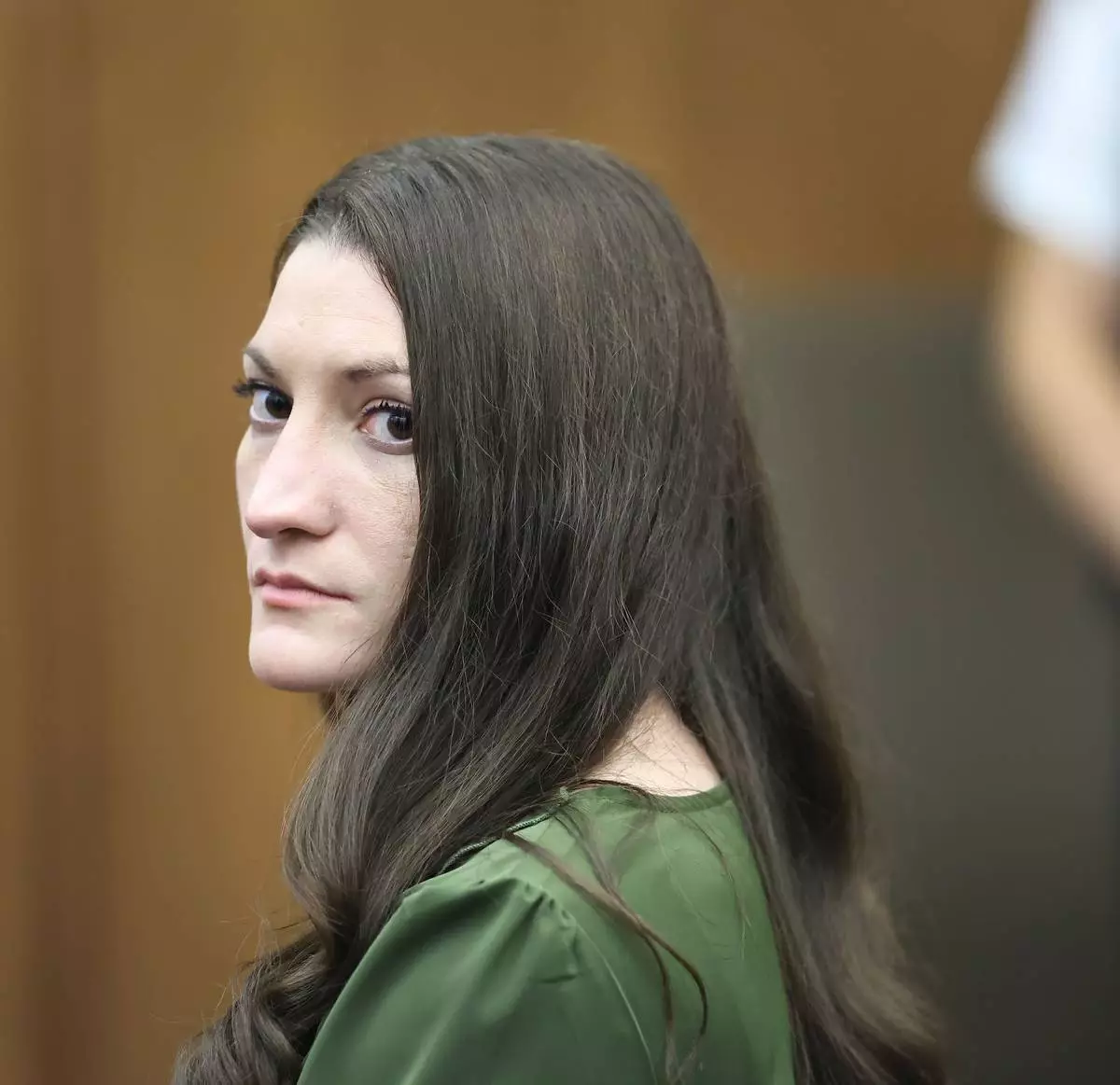
Lindsay Clancy watches jury members as Judge William Sullivan polls them during her murder trial at Plymouth Superior Court in Plymouth, Mass., Monday, Aug. 31, 2026. (Greg Derr/The Patriot Ledger via AP, Pool)
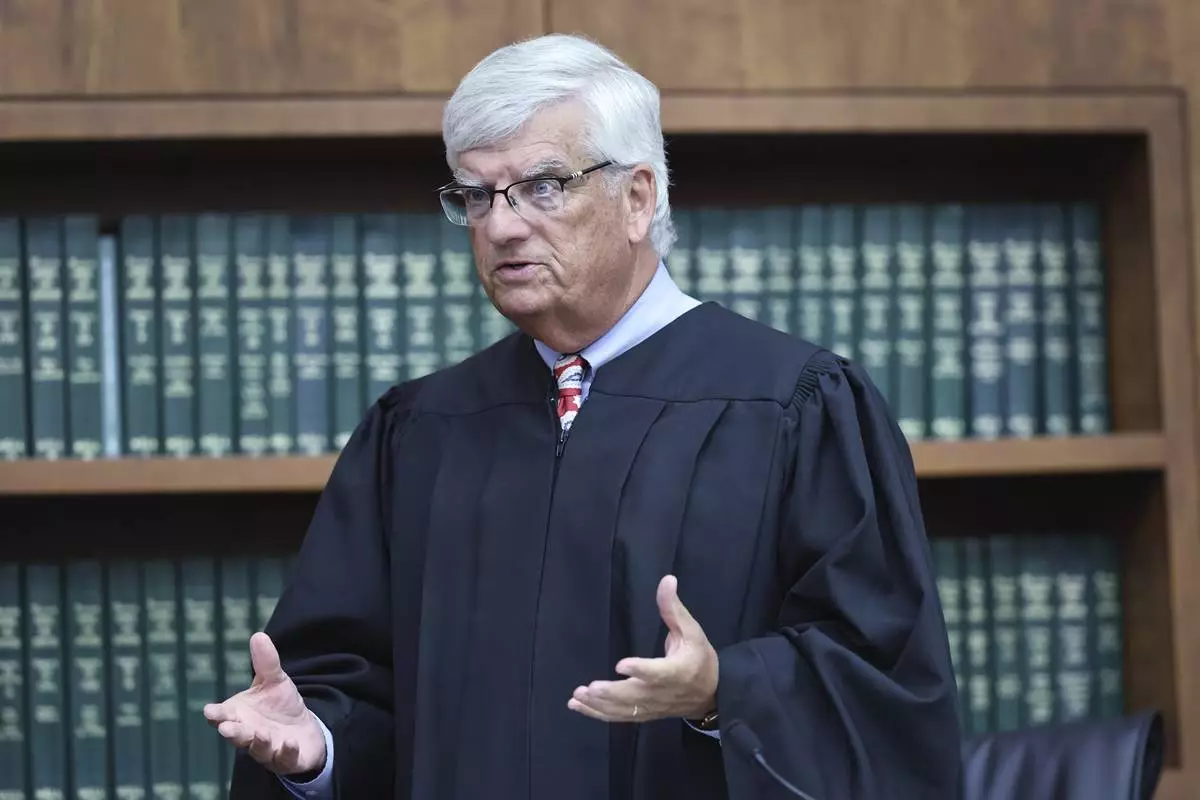
Judge William Sullivan asks the jury to continue deliberations during Lindsay Clancy's murder trial at Plymouth Superior Court in Plymouth, Mass., Tuesday, Sept. 1, 2026. (Greg Derr/The Patriot Ledger via AP, Pool)
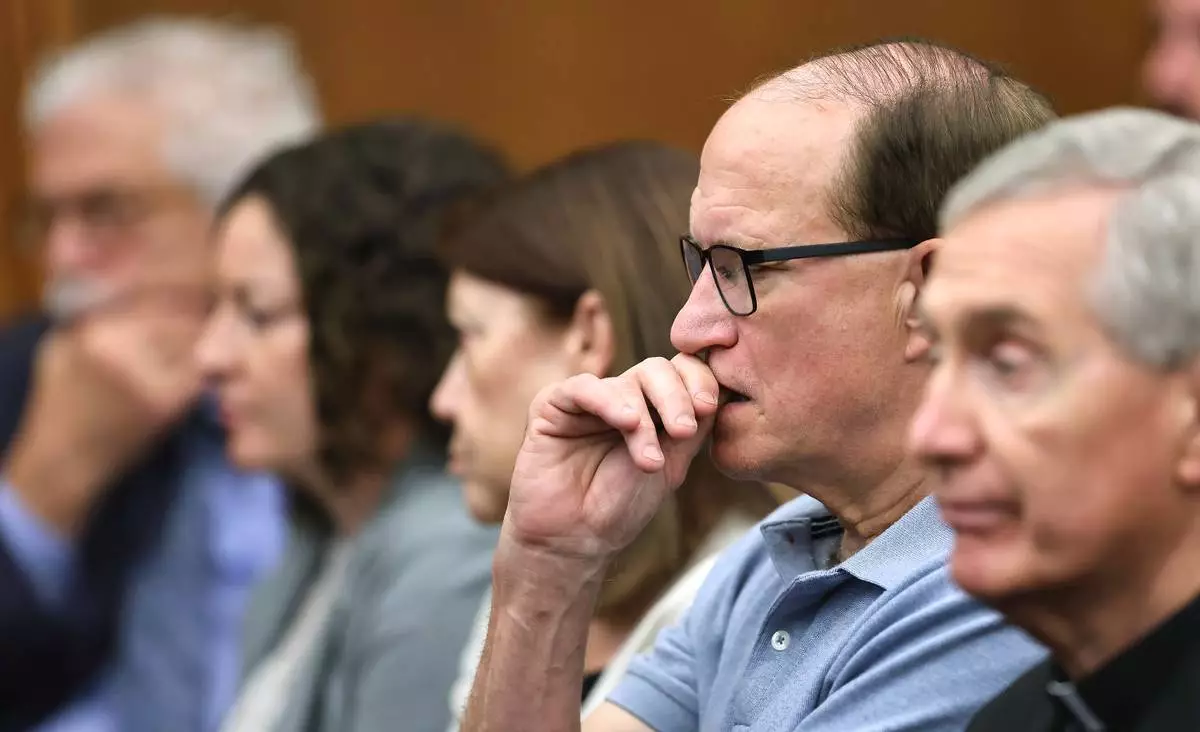
Mike Musgrove, father of Lindsay Clancy, center right, sits with family as they listen to the judge tell the jury to keep discussing a possible verdict after jurors said they couldn't agree for a second time whether Clancy is criminally responsible for killing her three children in 2023, Wednesday, Sept. 2, 2026, in Plymouth, Mass. (Greg Derr/The Patriot Ledger via AP, Pool)
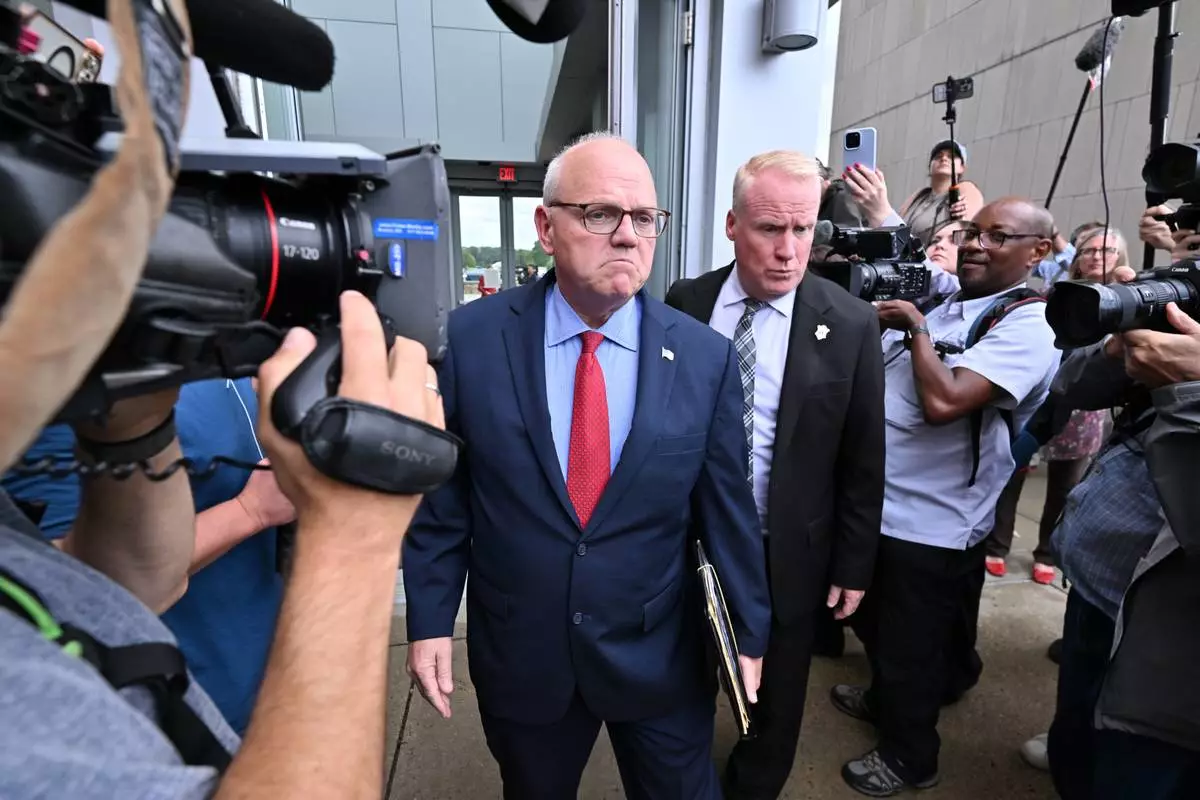
Timothy Cruz, Plymouth County District Attorney, center, leaves Plymouth Superior Court, Thursday, Sept. 3, 2026, in Plymouth, Mass. (AP Photo/Josh Reynolds )
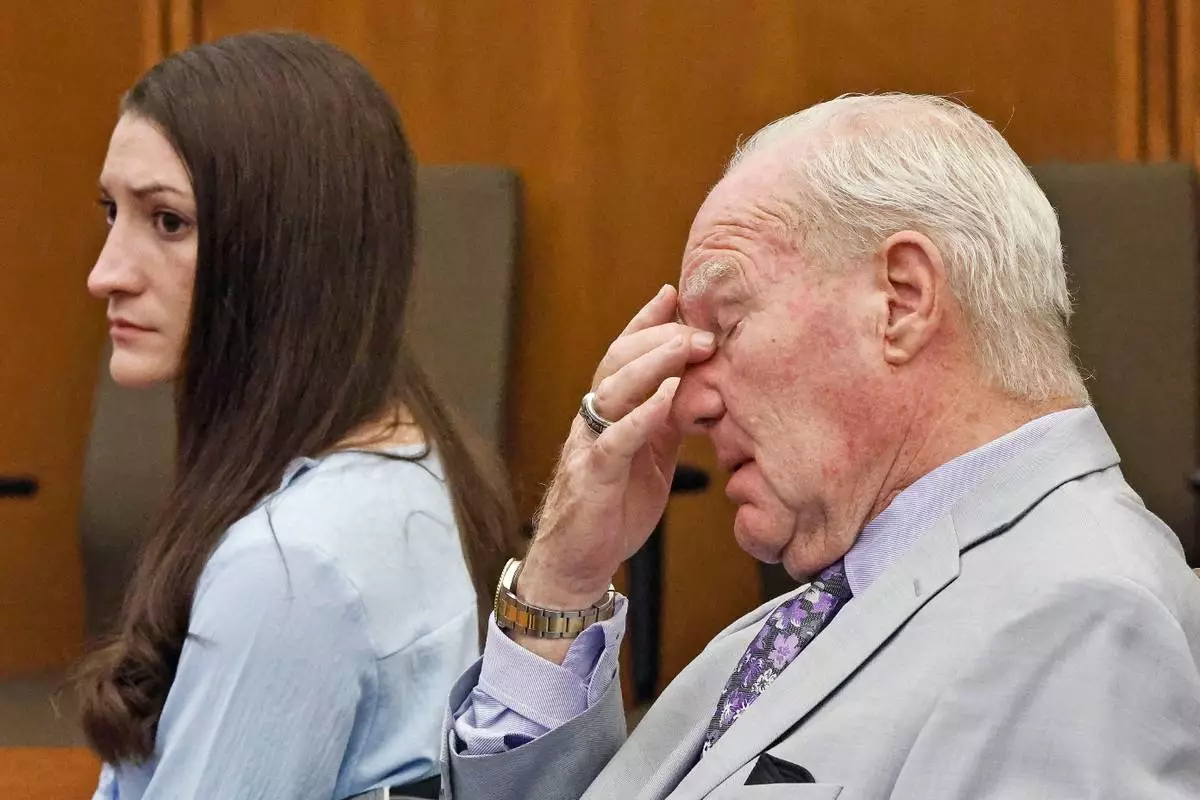
Lindsay Clancy and attorney Kevin Reddington watch as Judge William Sullivan tells the jury to keep discussing a possible verdict after jurors said for a second time they couldn't agree whether Lindsay Clancy was criminally responsible for killing her three children in 2023, Wednesday, Sept. 2, 2026, in Plymouth, Mass. (Greg Derr/The Patriot Ledger via AP, Pool)