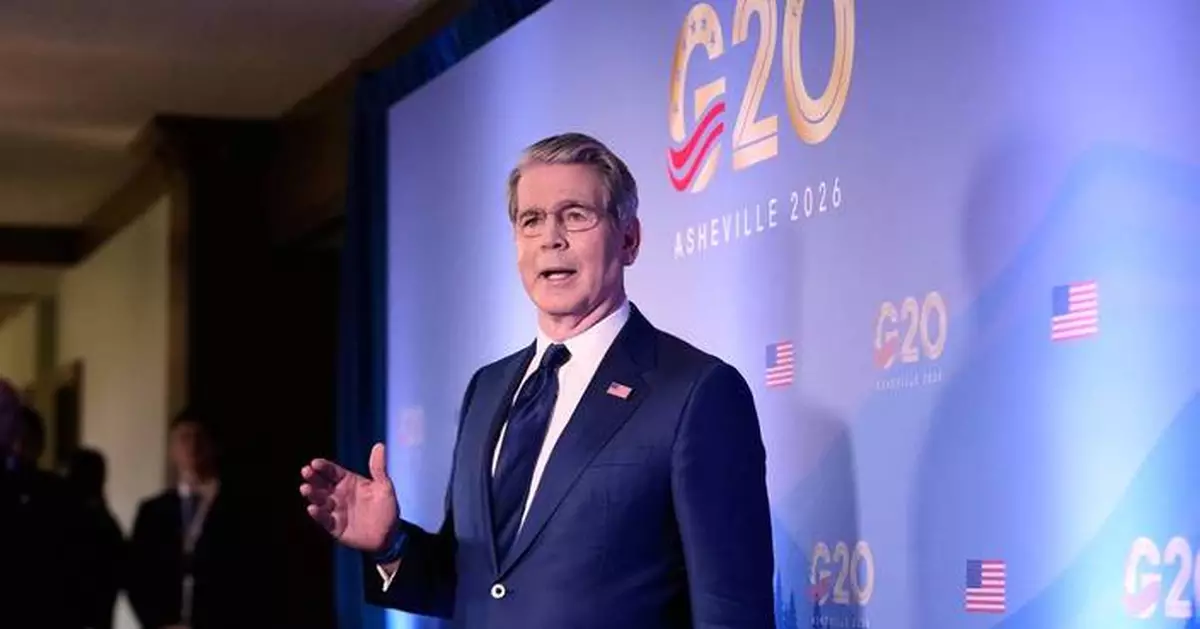
WASHINGTON (AP) — The U.S. Treasury announced Friday it has imposed sanctions on a Turkish financial institution as part of its latest effort to sever “critical financial lifelines” for the Iranian government.
The actions against Golden Global Yatirim Bankasi Anonim Sirketi come nearly a week after Treasury Secretary Scott Bessent announced “Operation Economic Outcast, ” Washington’s new effort to get Tehran to capitulate to its demands after more than six months of war.
The department accused the bank and its entities of being established to enable Iran's efforts to transfer oil revenues from China to Turkey, where they could then be converted to cash and gold. It also said the institution “knowingly offered” banking services to Iranian financial entities, including those already sanctioned by the U.S. government in 2022 for funneling Tehran's oil sales.
In a press release, Bessent said that financial institutions with ties to Iran will “continue to find out the hard way that we are serious about Operation Economic Outcast.”
“While we hope no more banks will need to be sanctioned, that ultimately depends on how quickly the international community comes to its senses and ceases support of the murderous Iranian regime,” he continued.
“We know who you are, we know where you are, and we will continue to take action together with our allies and partners until we have buried the head of the Iranian snake.”
But so far, the operation’s goal to isolate Iran from its remaining global trade partners has fallen flat, with promises of an “Economic D-Day” for a group of countries that could include China and India quickly turning into warnings and negotiations with Iran’s trading partners.
The Trump administration’s reluctance to penalize major trading partners that do business with Iran was on display last week when the U.S. took steps to limit an Egyptian bank’s operations in the United Arab Emirates, but stopped short of imposing sanctions.
Bessent had previously told reporters that he wanted countries to have an opportunity to shift away from Iran before it was too late in a bid to avoid upending the global financial system.
The Trump administration has also resumed military strikes in recent days, prompting Iranian retaliation that renewed concerns about an all-out regional war. It’s unclear what the outcome of the two-pronged strategy will be for President Donald Trump, who has struggled for months to end a war with an intransigent Iranian government.
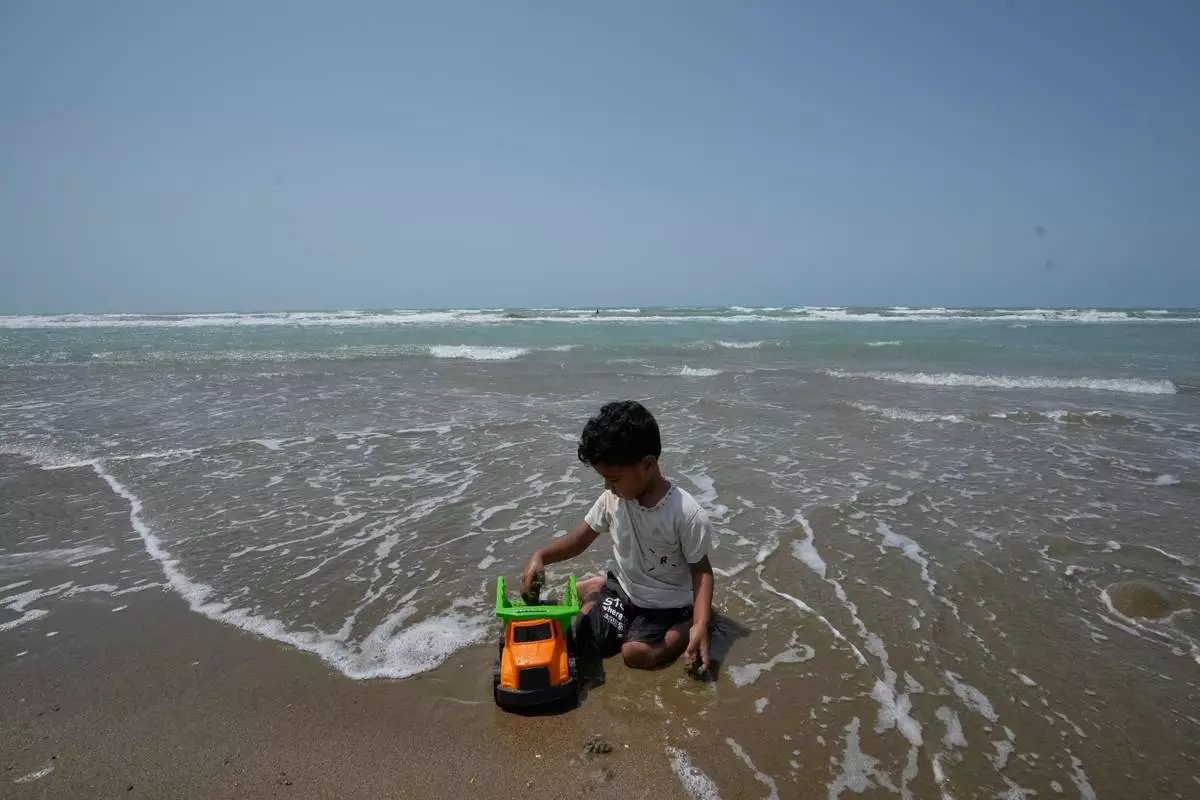
A boy plays with a toy truck on a beach along the Strait of Hormuz in Kuhestak, Iran, Friday, Sept. 4, 2026. (AP Photo/Vahid Salemi)
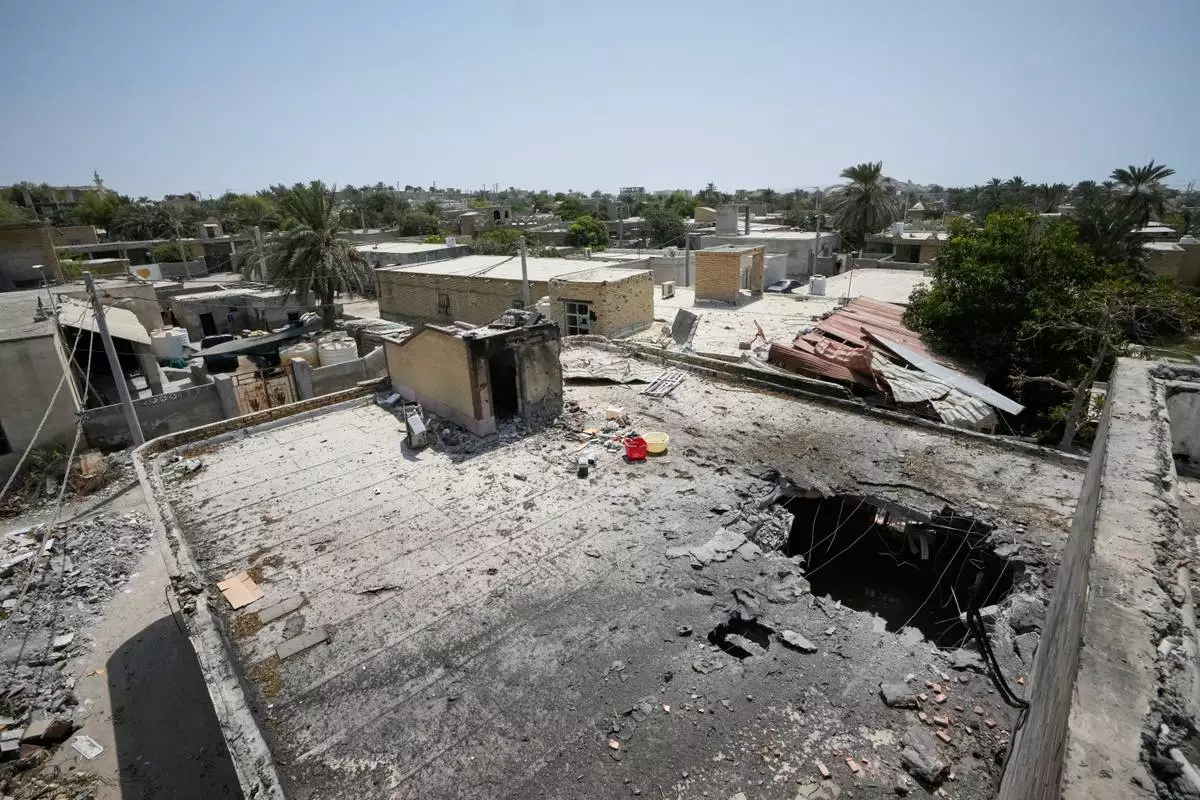
The point of impact is seen on the roof of a building that Iranian media said was hit by a U.S. strike while a wedding celebration was taking place there late Tuesday, Sept. 1, in Kuhestak, southern Iran, Friday, Sept. 4, 2026. (AP Photo/Vahid Salemi)

Treasury Secretary Scott Bessent speaks to reporters at the G20 Finance Ministerial in Asheville, N.C., Tuesday, Sept. 1, 2026.(AP Photo/Gerald Herbert)
Israel has released four more Lebanese civilians who had been detained by its forces in southern Lebanon. Ship traffic remains low on the Strait of Hormuz days after the U.S. and Iran exchanged attacks for the first time in a month. And fighting has intensified in Yemen between Iran-backed rebels and government forces.
Here’s a look at the latest developments in the Iran war and the wider Middle East. Full coverage can be found here.
Israel released four Lebanese civilians to Lebanese authorities on Friday as part of a deal between the countries, a day after the first was freed. All had been detained by Israeli forces in southern Lebanon, where troops now occupy a large swath in the wake of new fighting with Hezbollah that began two days after the U.S. and Israel attacked Iran.
Israel on Thursday said it had agreed to release them after Lebanon provided assistance in searching for the bodies of Lebanese Jewish leaders who went missing in the 1980s during Lebanon’s civil war.
Officials said the release comes as a result of U.S. mediation and negotiations between Israel and Lebanon. Another round of talks is expected in Rome later this month.
Ship traffic through the Strait of Hormuz remained low after the renewed U.S. attacks on targets in Iran earlier this week and Iran's retaliatory attacks in the region, including firing at U.S. Gulf ally Kuwait on Thursday.
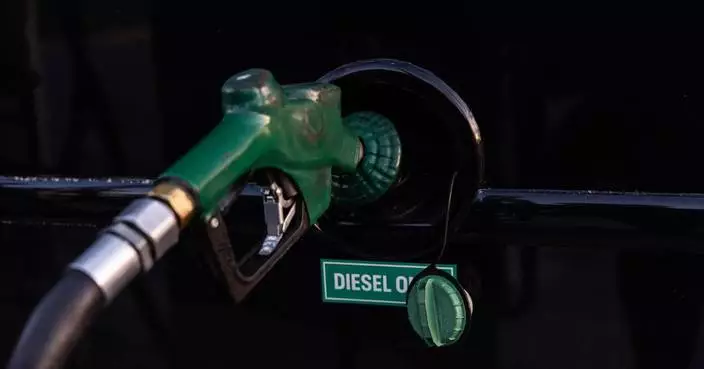
Fuel prices are again affected. Diesel hit a record price in the U.S. on Friday, soaring to an average of $5.85 a gallon for the first time ever.
The benchmark U.S. crude price rose above $91 a barrel with the new wave of uncertainty around traffic on the strait, which Iran continues to use as leverage after six months of war with the U.S.
Iran’s Army spokesperson said Friday that recent strikes carried out by Iran “had both a deterrent aspect and a preemptive aspect.”
In an interview with Iran’s state TV, Brig. Gen. Mohammad Akramnia said that since the 12-day war in 2025, Iran has been moving in the direction of preemptive warfare and acting for deterrence, which he said is “permissible” under the United Nations Charter.
“In several cases, before they attacked us and committed aggression, we acted for deterrence, in order to genuinely deter them from aggression,” he said of the United States.
The Islamic Republic has repeatedly stated that it carries out retaliatory strikes on its neighboring Gulf countries to target U.S. facilities and interests in the region, and in response to U.S. strikes.
Fighting intensified overnight between Iran-backed Houthi rebels and Yemeni government forces along Yemen’s west coast near an important supply route.
An official with the internationally recognized government's health ministry told The Associated Press there were an unspecified number of casualties on both sides in the fighting in mountainous Taiz province. The official spoke on condition of anonymity because he wasn’t authorized to speak with the media. A military official, who also spoke on condition of anonymity because he wasn’t authorized to brief the media, confirmed casualties on both sides.
Jabal Nu’man overlooks a major supply route for Yemeni government forces between Taiz province and Mokha, a port city heavily targeted by the Houthis in recent weeks.
The Houthis’ expansion of attacks in these areas appears to indicate an effort to gain full control of the Bab el-Mandeb strait, the southern gateway to the Red Sea, according to Mohamed Abdelrahman, a Taiz province spokesperson.
Ahmed Nagi, a senior analyst on Yemen at the International Crisis Group, told the AP that the Houthis want to take control of the mountains overlooking the coast.
— Ahmed al-Haj in Aden, Yemen, and Fatma Khaled in Cairo
This story has been corrected to show that the name of the Iranian Army spokesperson is Mohammad Akramnia instead of Akrami Nia. The story was also corrected to show that Abdelrahman’s first name is Mohamed, not Moahmed.
This report will be updated throughout the day as new developments emerge.
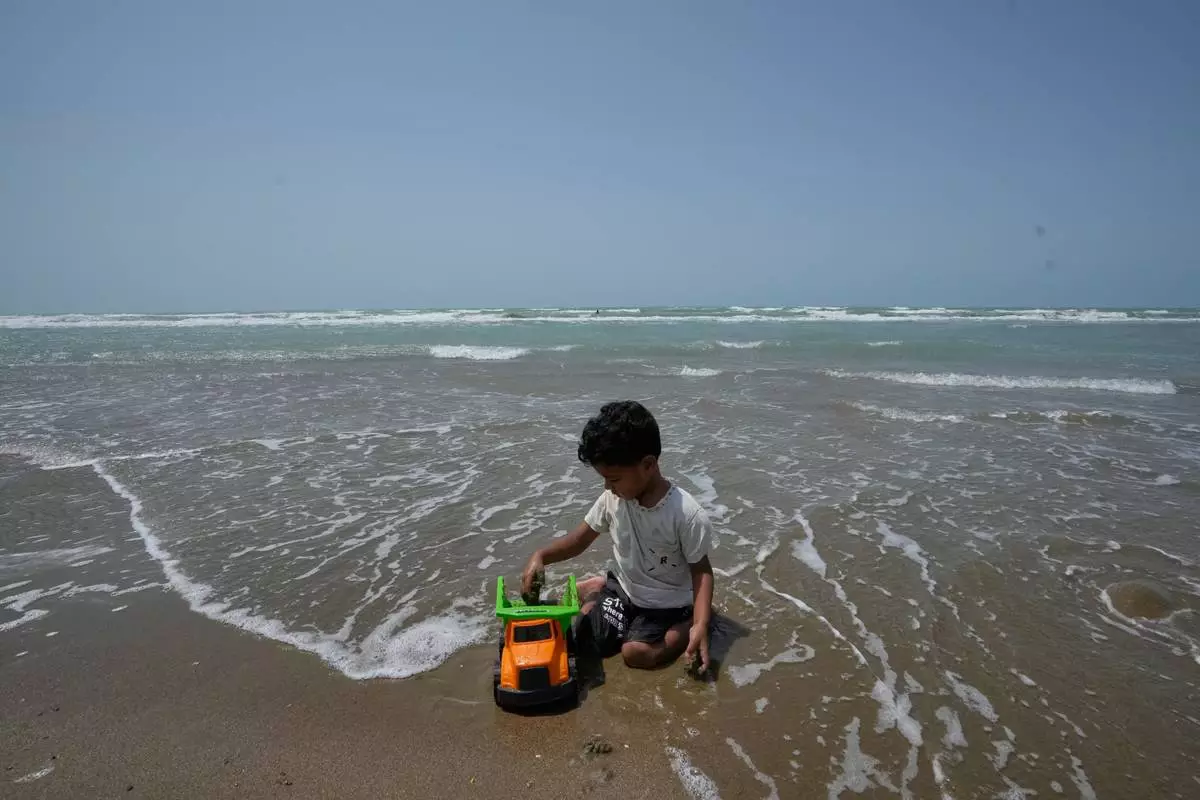
A boy plays with a toy truck on a beach along the Strait of Hormuz in Kuhestak, Iran, Friday, Sept. 4, 2026. (AP Photo/Vahid Salemi)
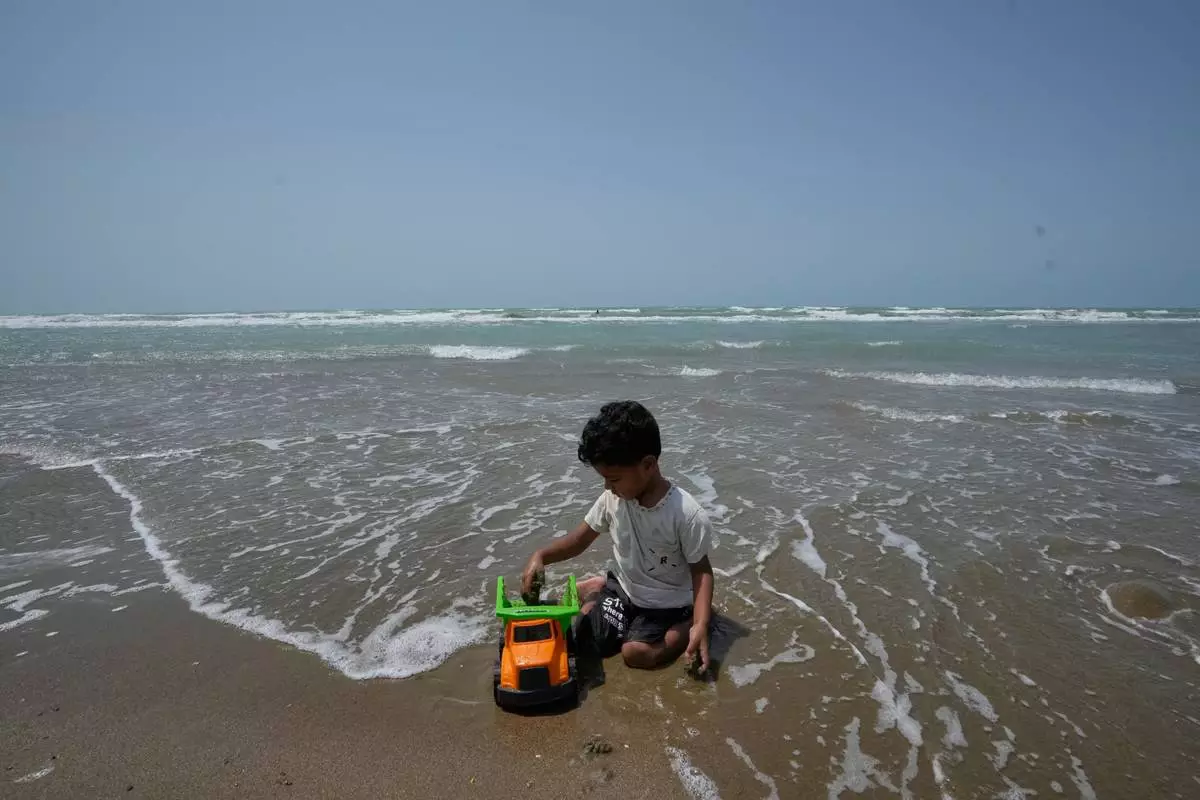
A boy plays with a toy truck on a beach along the Strait of Hormuz in Kuhestak, Iran, Friday, Sept. 4, 2026. (AP Photo/Vahid Salemi)
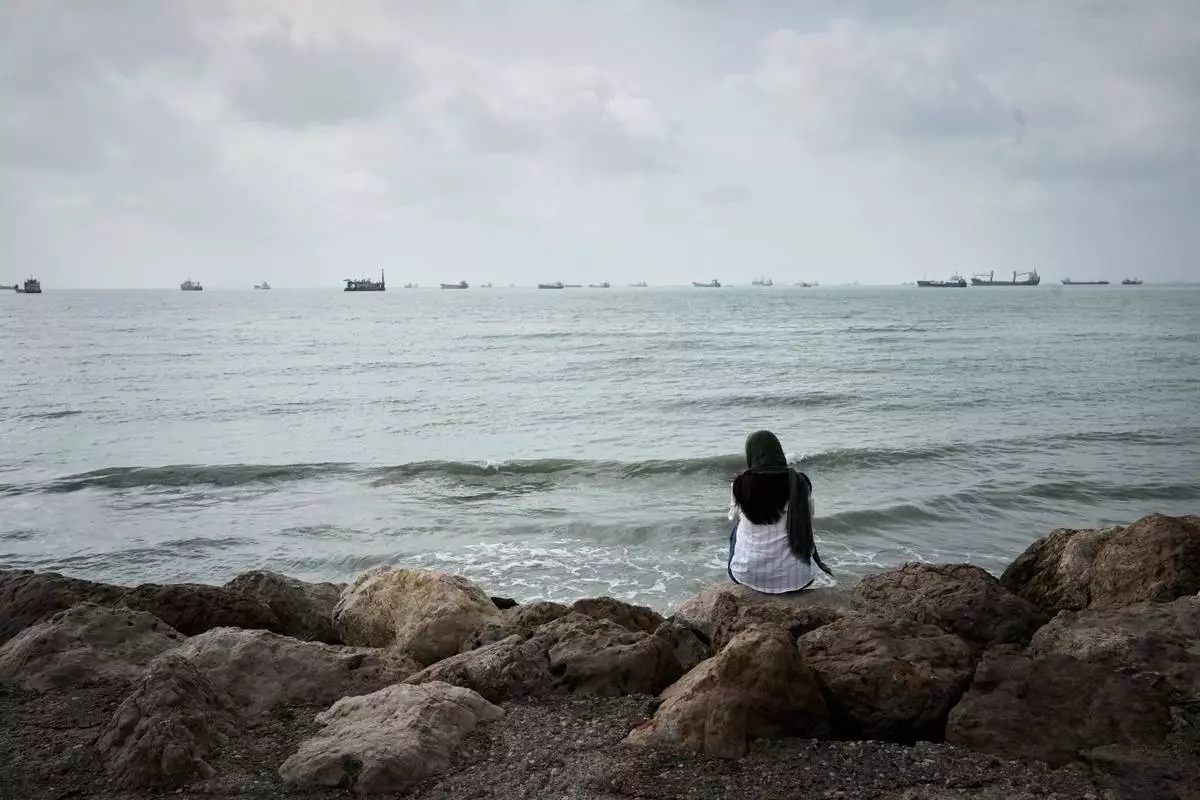
A woman relaxes along the rocky shoreline as commercial vessels lie anchored off Bandar Abbas, Iran, Friday, Sept. 4, 2026. (AP Photo/Vahid Salemi)
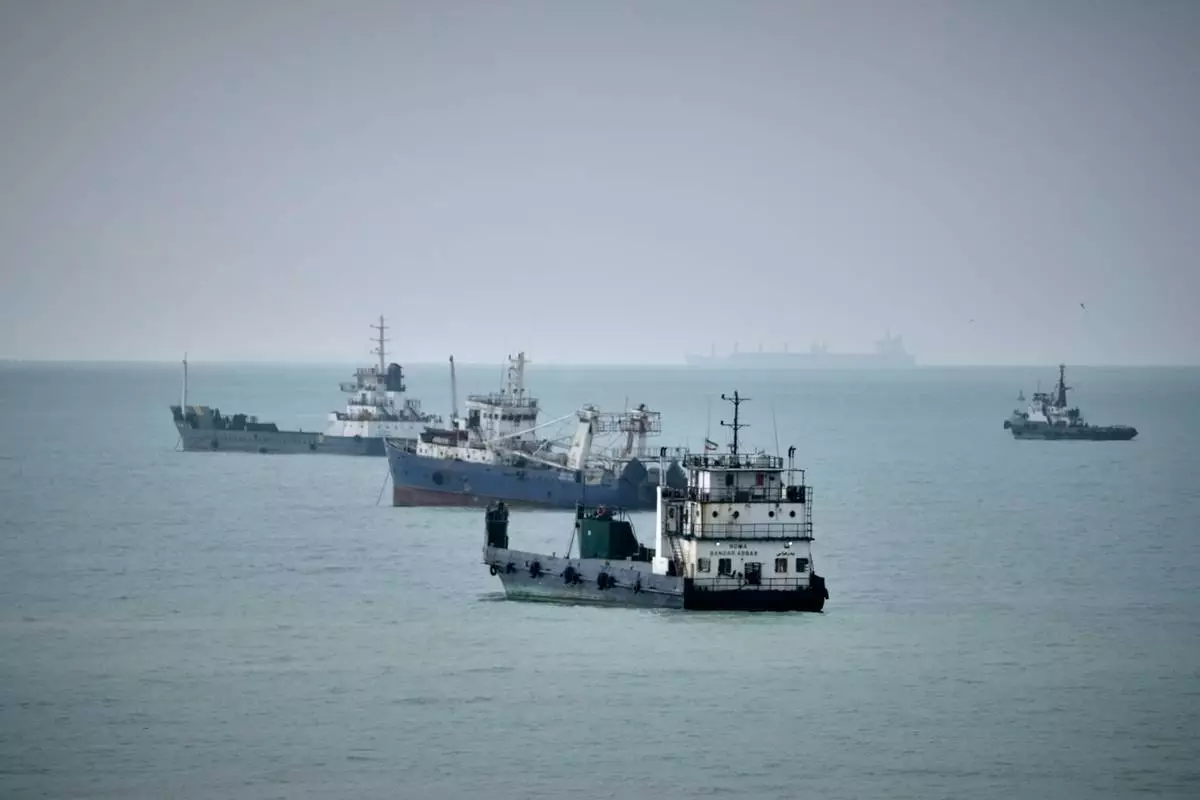
Commercial vessels lie anchored in the Strait of Hormuz off Bandar Abbas, Iran, Friday, Sept. 4, 2026. (AP Photo/Vahid Salemi)
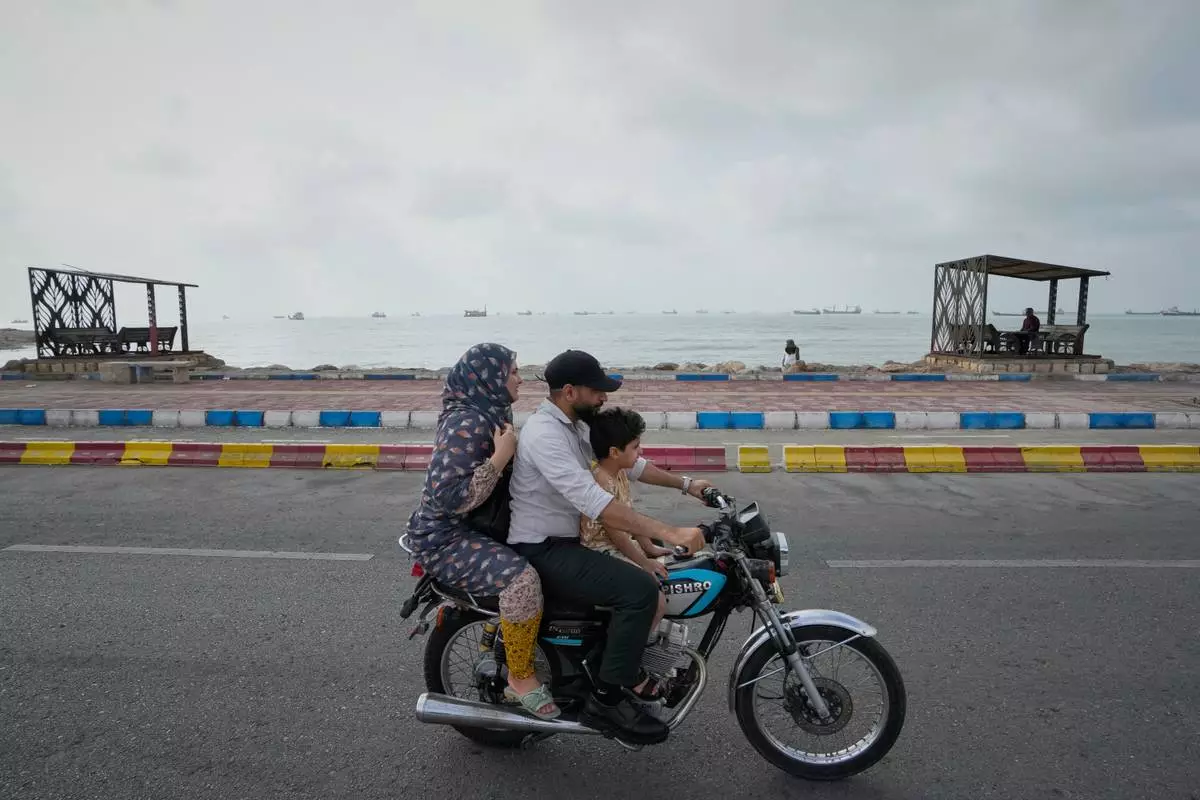
A man, woman and boy ride a motorcycle along the waterfront as commercial vessels lie anchored in the Strait of Hormuz off Bandar Abbas, Iran, Friday, Sept. 4, 2026. (AP Photo/Vahid Salemi)
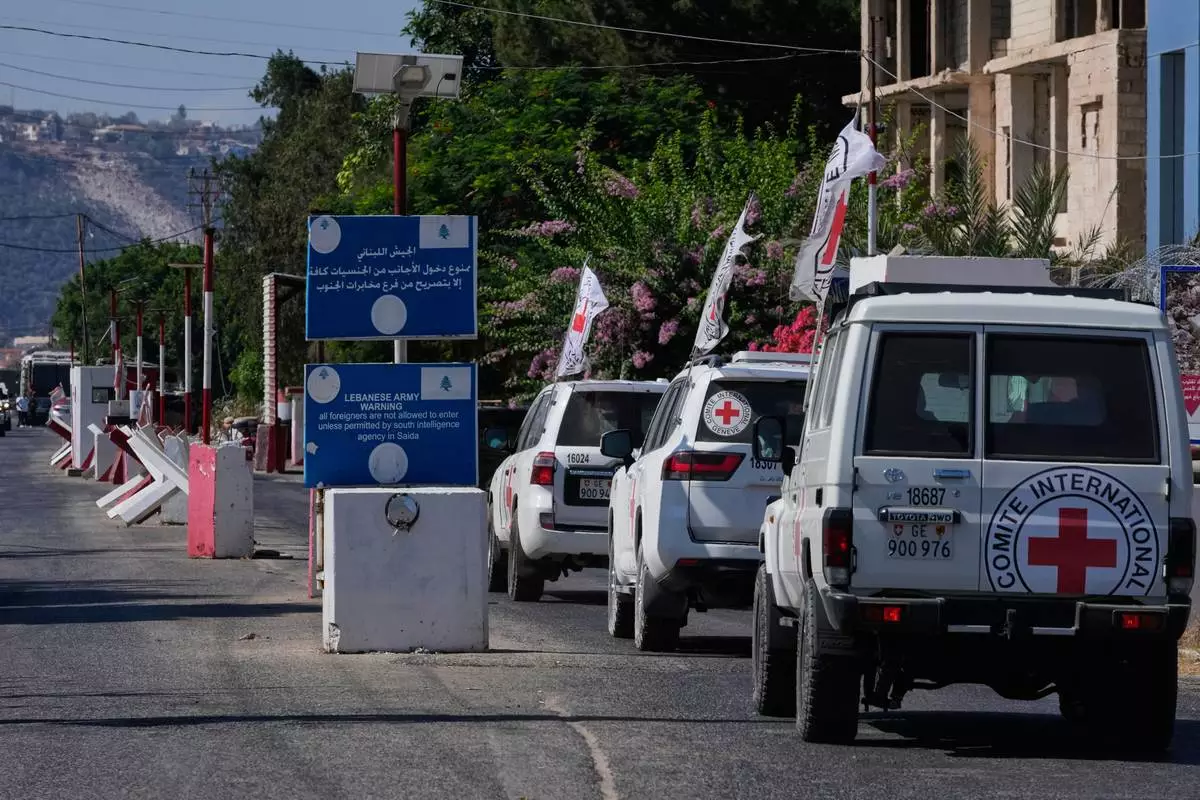
A Red Cross convoy passes a Lebanese checkpoint near the border with Israel in the southern village of Mansouri, Lebanon, Friday, Sept. 4, 2026. (AP Photo/Mohammed Zaatari) CORRECTION: A Red Cross convoy, instead of U.N. peacekeeper convoy
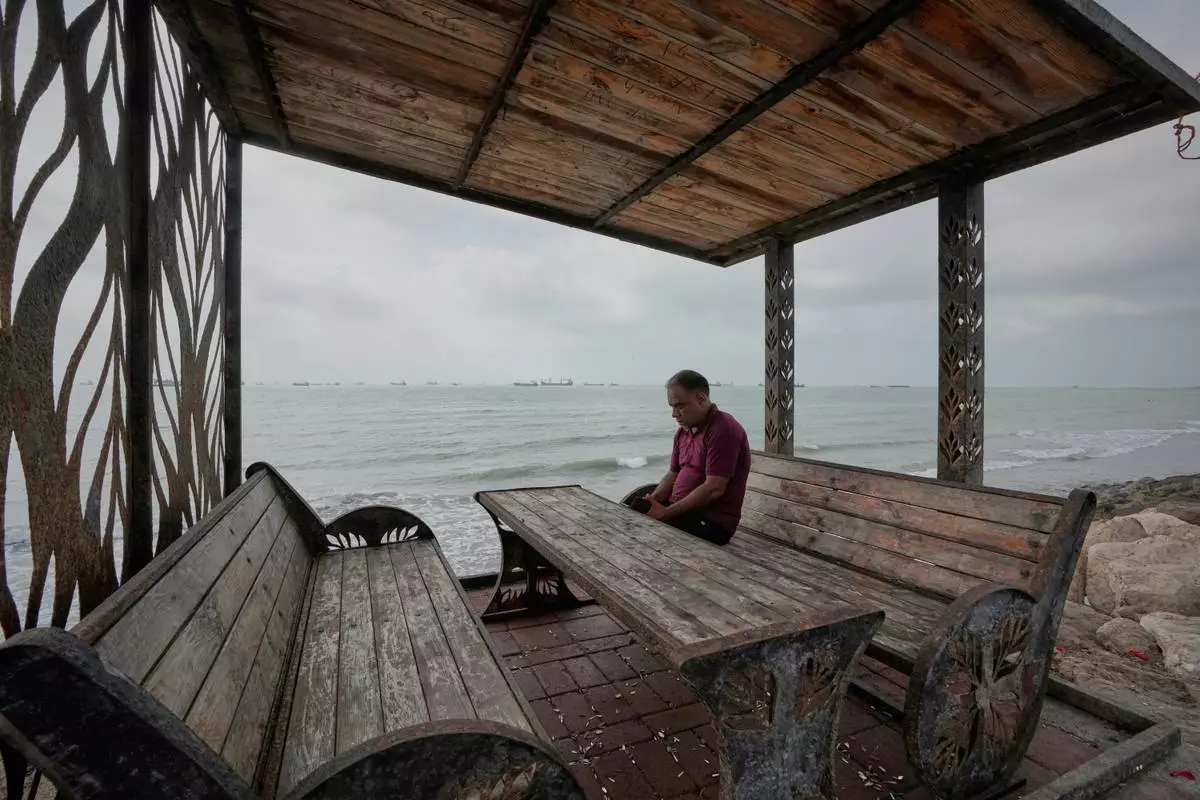
A man rests at a waterfront shelter as commercial vessels lie anchored in the Strait of Hormuz off Bandar Abbas, Iran, Friday, Sept. 4, 2026. (AP Photo/Vahid Salemi)