CROTON-ON-HUDSON, N.Y. (AP) — If the TV remote hadn’t been invented, channel surfers and couch potatoes would have to argue about something else. Come to think of it, those surfers and potatoes might not even exist.
It may be difficult for anyone under 40 to understand, but there was a time when changing a channel meant getting up, walking over to the “television set” and turning a “dial.”
Scientists at Zenith Electronics recognized a problem that needed to be solved fairly quickly. The first TV remote, called “Lazy Bone,” was put on the market in 1950. It wasn’t wireless. People tripped.
The first wireless remote, the “Flash-Matic,” five years later, looked disturbingly like a gun and used light signals. The TV wasn’t discriminating, and on sunny days false signals could cause spontaneous channel changes. The next year, Zenith’s “Space Command” was introduced using sound waves. On those early models, the press of a button produced a clicking noise – hence the term “clicker."
Remotes using infrared signals emerged in the 1980s when, with the dawn of cable's multichannel universe, the device became indispensable.
“Losing the remote in the couch cushions became as frantic an event as losing a phone is today,” says David Bianculli, TV critic for NPR’s “Fresh Air” and a professor at Rowan University in New Jersey.
Remotes influenced how TV was programmed and consumed. The flow of a network’s schedule was essential: How do you prevent a viewer from changing channels? CBS’ Saturday night schedule in the 1970s, from “All in the Family" through to “The Carol Burnett Show,” was a masterpiece in program flow. NBC once considered Thursday nights “must-see TV.”
The early days of cable produced the surfer, who aimlessly pressed the remote to scan channels. That put a premium on flashy; you had to catch the eye.
Remotes have downsides. They amplify selfishness. They reproduce uncontrollably until you don't know which to use. Batteries die at inopportune moments.
Now that appliances can listen, maybe remotes fade away. Until then, it’s back to searching for wherever you left the clicker. In the refrigerator while you were getting a snack? In the bathroom?
We’ll pause, as it were, until you find it. In the meantime, we'll leave you with this:
“The flush toilet may have been the most civilized invention ever devised, but the remote control is the next most important. It's almost as important as sex.”
That’s from the late Zenith scientist Eugene Polley, who together with colleague Robert Adler was considered the pioneer of wireless remote technology.
Polley may have been feeling pride of ownership. Then again, there’s no firmer upper hand in a relationship than who has control of the clicker.
David Bauder wrote about television for The Associated Press for 30 years before retiring this year. Part of a recurring series, “American Objects,” marking the 250th anniversary of the United States. For more American objects, click here. For more stories on the anniversary, click here.
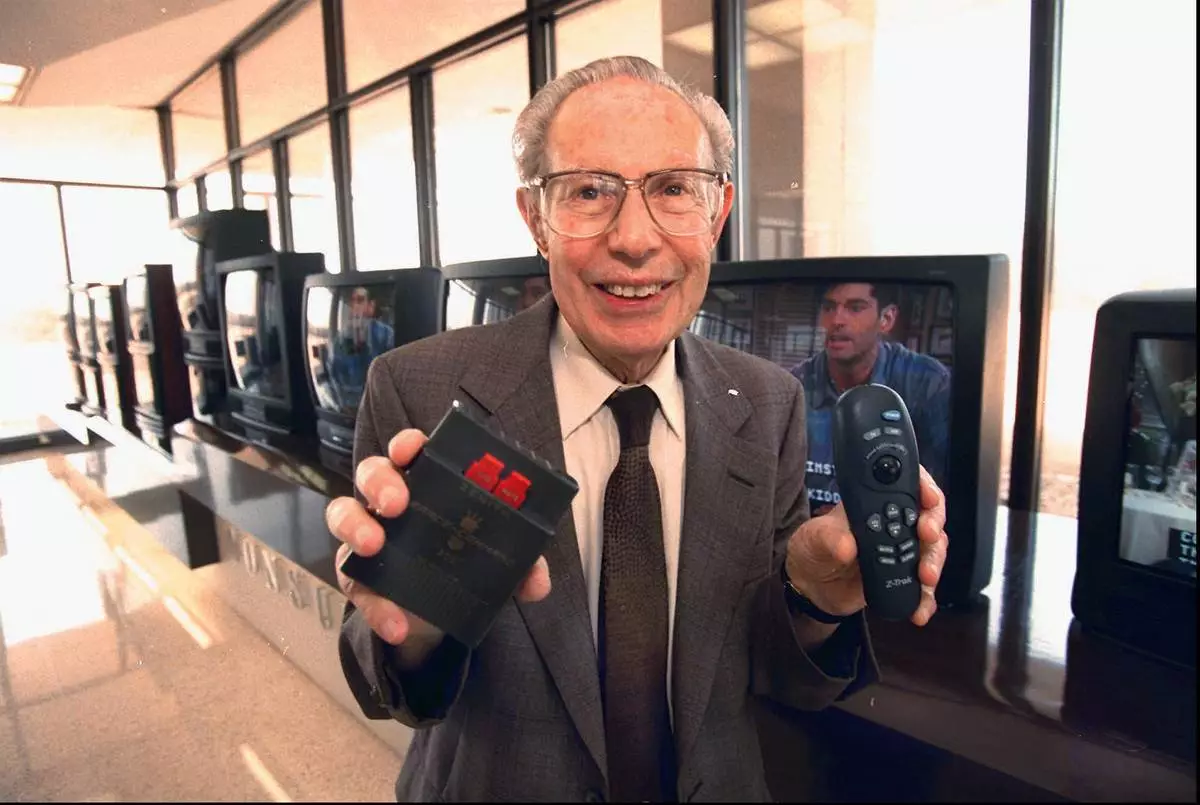
FILE - Robert Adler, co-inventor of the TV remote, poses with remotes at Zenith in Glenview, Ill., March 28, 1996. (AP Photo/Chicago Sun-Times, Al Podgorski, File)
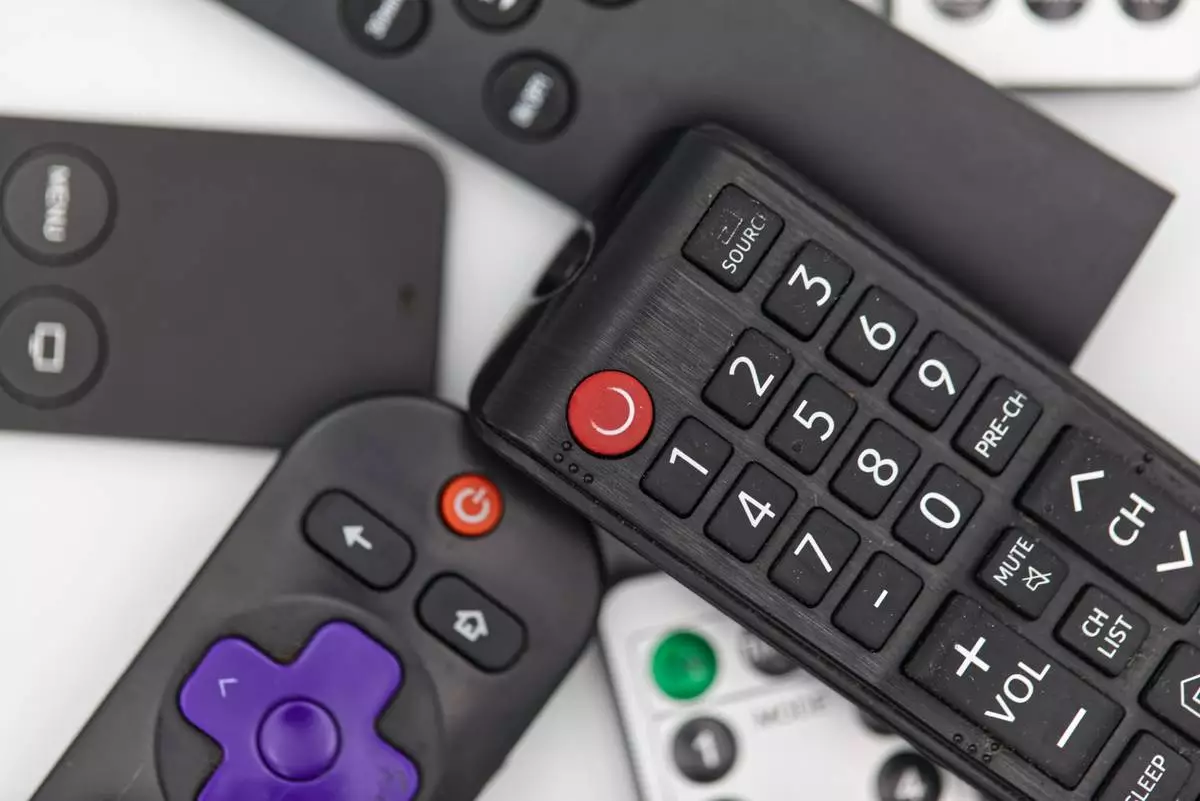
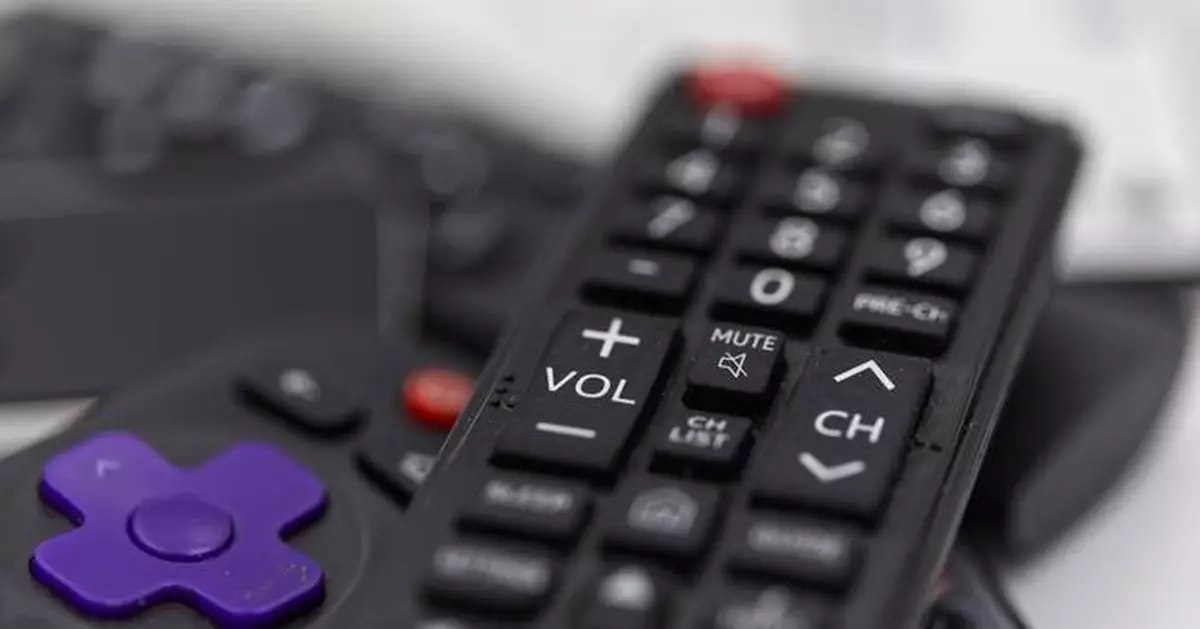
Assorted remote controls are displayed in Phoenix, April 13, 2026. (AP Photo/Dario Lopez-Mills)
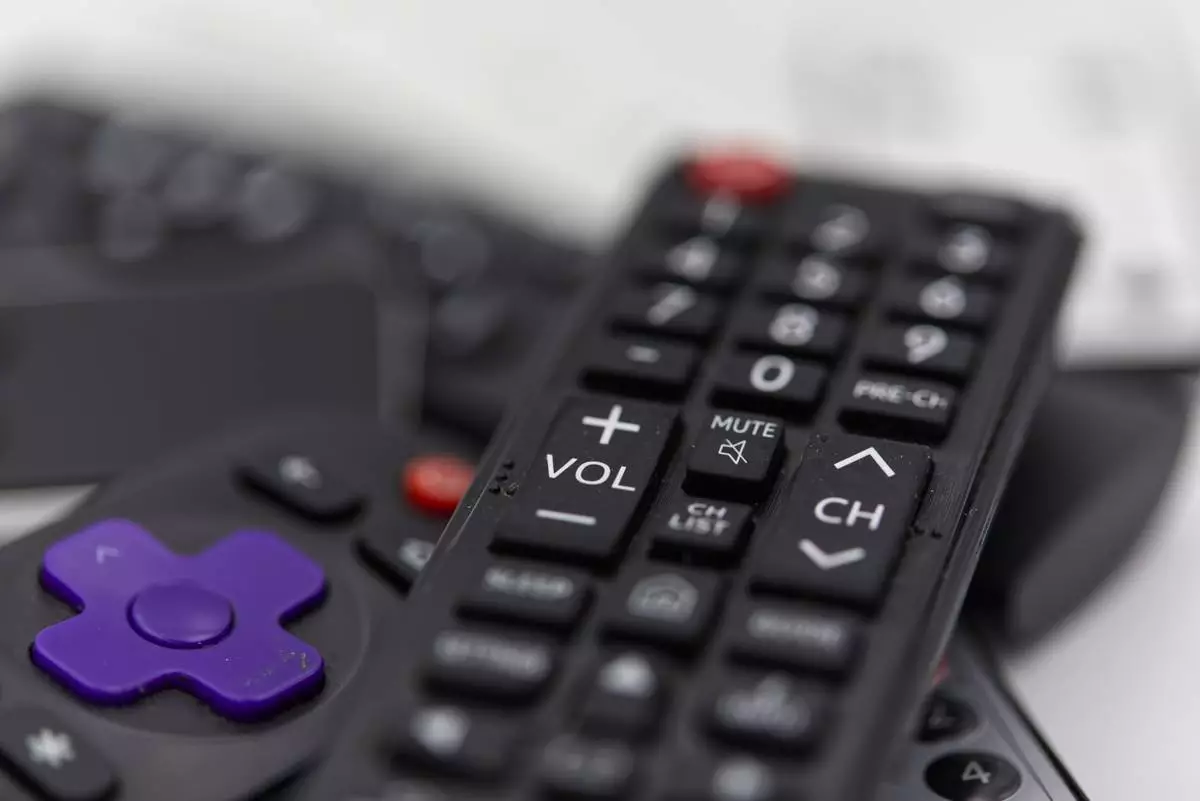
Assorted remote controls are displayed in Phoenix, April 13, 2026. (AP Photo/Dario Lopez-Mills)
McALLEN, Texas (AP) — A U.S. Immigration and Customs Enforcement officer was ordered released from federal custody Friday after pleading not guilty to lying to investigators about the circumstances that led to the shooting of a Venezuelan man during the Minnesota immigration crackdown last winter.
The federal indictment accuses Christian Castro of falsely telling investigators that he was attacked with a broom and shovel before he opened fire, injuring Julio Cesar Sosa-Celis in January.
Castro was shackled at his wrists, waist and feet during a brief hearing in the federal court in McAllen after he turned himself into authorities Thursday evening. The judge ordered him released on a $75,000 unsecured bond and with a GPS ankle monitor.
It's the first Justice Department prosecution of a federal officer for actions taken during this year's massive Operation Metro Surge, which brought thousands of agents to the Twin Cities and led to sweeping protests, arrests and the fatal shootings of two U.S. citizens by federal officers.
The allegations in the federal indictment mirror those brought by Minnesota officials, who have separately charged Castro with assault and false reporting of a crime related to the nonfatal shooting of Sosa-Celis.
According to the federal indictment, Castro told an FBI agent that a man grabbed a red broom off a front porch and began hitting him with it while Castro was trying to detain another man outside a Minneapolis home. Castro also claimed that another man hit him with a snow shovel and that he opened fire while on the ground as the men ran away.
The indictment alleges that Castro had a short “physical interaction” with Sosa-Celis and another man, before the two ran into a home with a 1-year-old child inside. Castro then fired a shot through the front door while standing as the men began to close it, hitting Sosa-Celis in the leg, the indictment says.
“No person struck” Castro “with a broom as he described, and no persons wielded the broom and snow shovel as he described,” the indictment says.
An attorney for Castro urged the public not to rush to judgment without learning all the facts and to let his client “have his day in court.” Castro served in the military before becoming a federal immigration officer, the lawyer, David Lindenmuth, said after the hearing.
“His life has been that of public service to our country and to our nation, either through its military or protecting its borders and enforcing its laws,” Lindenmuth said.
Federal prosecutors had initially charged Sosa-Celis and the other man, Alfredo Alejandro Aljorna, with assault but dropped the charges after video evidence showed the officer may have lied about the encounter. Castro was suspended from ICE in February while authorities pursued an investigation.
The federal charges follow Castro’s release from jail last week after Texas’ governor refused to immediately sign an extradition warrant to hand him over to Minnesota authorities.
The federal investigation into Castro created turmoil inside the Justice Department, with a prosecutor on the case accusing higher-ups of blocking efforts to bring more serious civil rights charges.
In an email obtained by ProPublica, the prosecutor told lawyers for Sosa-Celis and others that Castro would be charged only with making false statements over his “strongest objections,” adding the decision was “being directed by the Main Justice and the US Attorney.”
A person familiar with the investigation, however, told The Associated Press on Thursday that the civil rights probe is continuing and additional charges could still be brought.
The prosecutor, Matthew Evans, has since been fired and the Justice Department is now investigating whether he broke any laws during his handling of the case, said the person, who spoke on the condition of anonymity because they were not publicly authorized to discuss ongoing investigations.
An automatic email response from Evans’ Justice Department account said he was on leave, and other attempts to reach him were not immediately successful.
Sosa-Celis' lawyer is pressing for Castro to face stiffer charges, saying in a statement on Thursday that Castro’s statements were made to “cover up the fact that he shot my client through the door of an occupied house without a self-defense justification.”
“Mr. Sosa Celis wants Mr. Castro to be held fully accountable for his crimes,” said the attorney, Robin Wolpert. The American Civil Liberties Union of Minnesota said Thursday that Sosa-Celis also plans to seek damages from the federal government.
———
Richer reported from Washington.
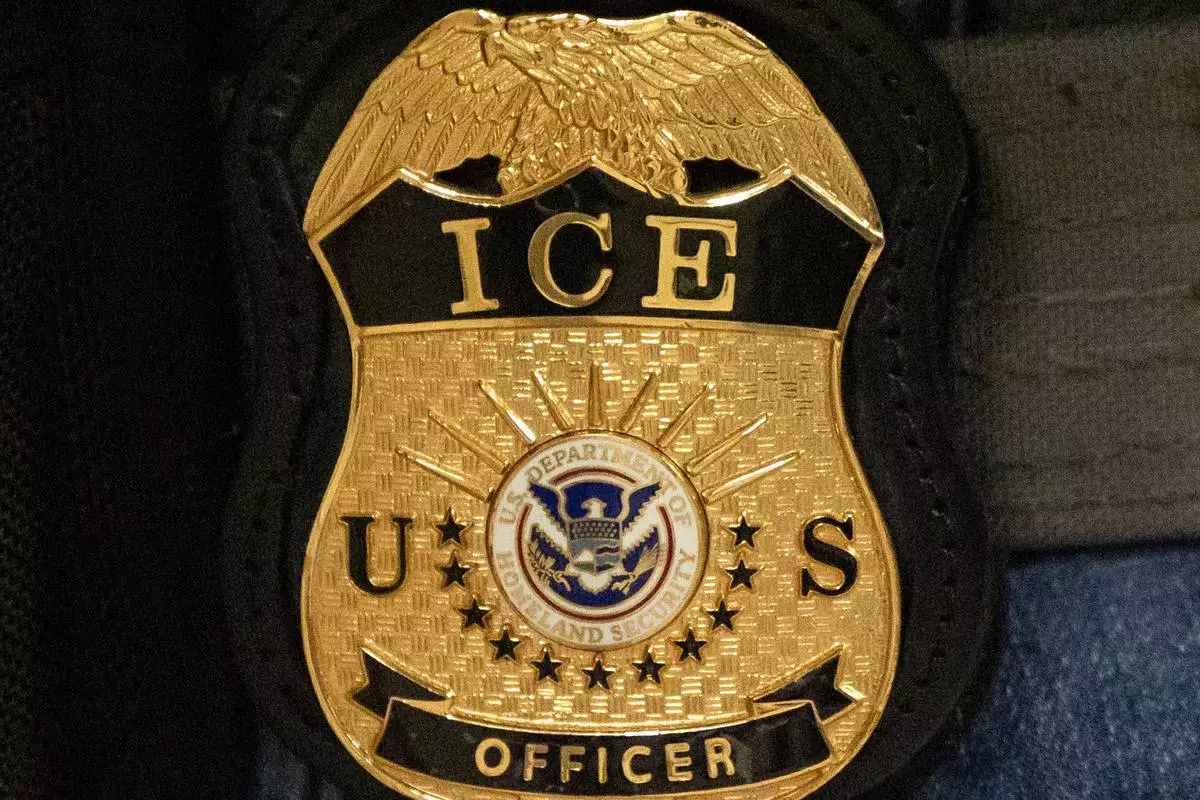
FILE - A federal agent wears an Immigration and Customs Enforcement badge in New York, June 10, 2025. (AP Photo/Yuki Iwamura, File)